Let's cut to the chase. You're excited about hiking in Arches, biking the Slickrock Trail, or conquering a 4x4 road in Canyonlands. You've got your gear, your permits, your map. But there's one silent factor most first-timers completely overlook until it hits them: Moab's elevation. Sitting at roughly 4,000 feet (1,219 meters) above sea level, this isn't just a number on a sign. It's a physiological game-changer that can make the difference between an epic adventure and a miserable day spent nursing a pounding headache in your hotel room. I learned this the hard way on my first trip, thinking my sea-level fitness was enough. It wasn't.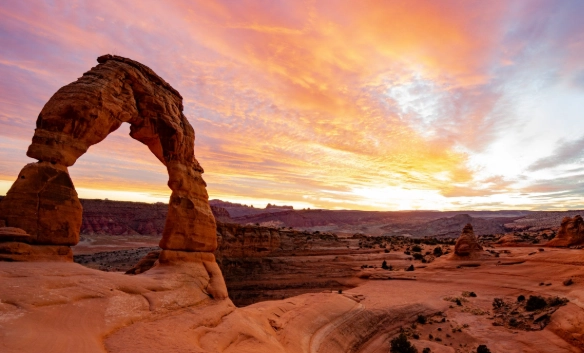
What You'll Find in This Guide
Why Moab's Altitude Matters More Than You Think
Moab isn't the Himalayas, but 4,000 feet is the point where the air starts to get noticeably thinner. The barometric pressure is lower, which means less oxygen molecules in each breath you take. Your body has to work harder to get the oxygen it needs. For reference, Moab's downtown elevation is about 4,025 ft. Key trailheads and viewpoints are often higher.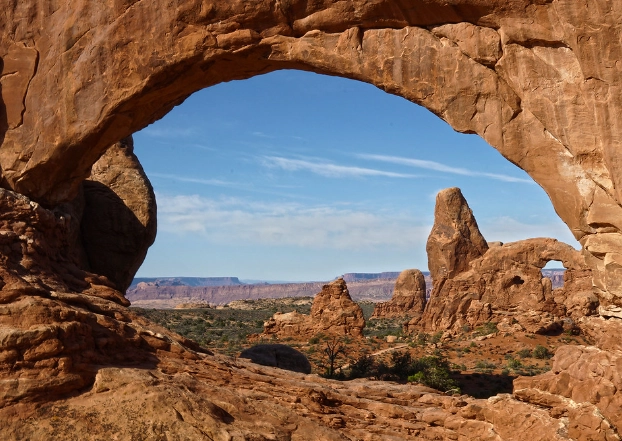
| Location in Moab Area | Approximate Elevation | Context & Impact |
|---|---|---|
| Downtown Moab | 4,025 ft (1,227 m) | Your baseline. Mild effects possible on day one. |
| Arches Visitor Center | 4,085 ft (1,245 m) | Similar to town. Trails climb from here. |
| Delicate Arch Trailhead | 4,300 ft (1,311 m) | 480 ft climb on the trail. You'll feel this. |
| Island in the Sky (Canyonlands) | ~6,000 ft (1,829 m) | Significantly higher. Effects are pronounced. |
| La Sal Mountain Loop Rd | Up to 8,000+ ft (2,438+ m) | High altitude zone. Acclimatization is critical. |
The real kicker? It's not just about feeling short of breath. The subtle, cumulative effects of mild hypoxia (low oxygen) include faster fatigue, poorer judgment, slower reaction times, and that infamous altitude headache. When you're navigating a narrow fin of rock or controlling a mountain bike on a steep descent, these are not trivial side effects.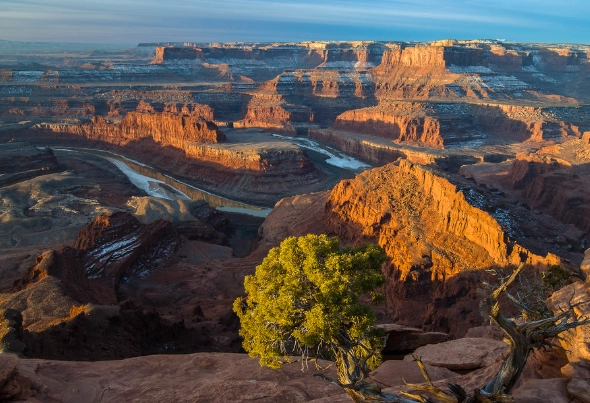
A Common Mistake: People think if they don't get Acute Mountain Sickness (AMS), they're fine. Wrong. Subclinical altitude effects sap your energy and enjoyment long before full-blown AMS appears. You might finish that 5-mile hike, but you'll be utterly wrecked the next day, blaming it on "being out of shape" when it was really the altitude.
How to Acclimate to Moab's Elevation: A Step-by-Step Guide
Acclimatization isn't passive. You can't just show up and hope for the best. Here's a proactive plan, refined from talking to local guides and my own repeated trial and error.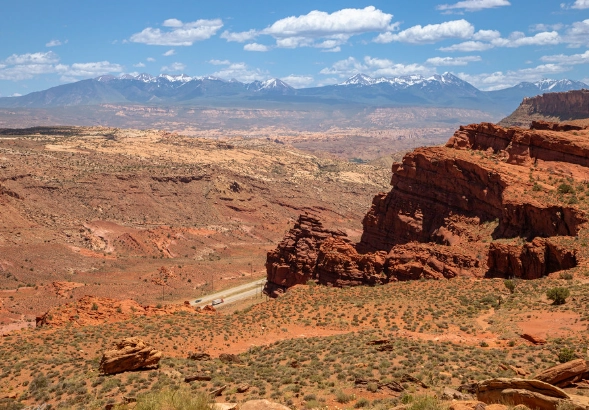
The 48-Hour Rule (Your Most Important Tool)
If you can, plan to arrive at least 48 hours before your most strenuous activity. The first 24 hours are for your body to just notice the change. The second 24 hours are for it to start adapting by producing more red blood cells. Use this time for light activities.
Day 1 Agenda: Check into your hotel (consider one with a pool for later). Take a slow walk around downtown Moab. Drive the paved Scenic Byway 279 to see petroglyphs. Have an early dinner. Go to bed early. Seriously, sleep is when your body does most of its acclimatization work. Avoid alcohol completely this first night—it dehydrates you and worsens sleep quality at altitude.
Hydration: It's Not What You Think
Everyone says "drink water." It's good advice, but incomplete. At altitude, you lose water vapor through your lungs much faster due to the dry air and increased respiration rate.
My rule: Drink enough so your urine is consistently pale yellow. If you're waiting until you're thirsty, you're already behind. Electrolytes are crucial too. Chugging plain water can dilute your body's salts. Add an electrolyte tablet to one bottle a day, or snack on salty foods like pretzels.
Listen to Your Body (Not Your Ego)
The pace that felt easy at sea level will not feel easy here. Slow down by 20-30%. Practice conscious breathing: inhale deeply through your nose for 4 counts, exhale fully through your mouth for 6 counts. This helps maximize oxygen intake. If you feel a headache coming on, stop. Find shade, drink water with electrolytes, and eat a snack. Pushing through is the fastest way to ruin your next two days.
Activity-Specific Advice for Hiking, Biking & Driving
Altitude doesn't affect all adventures equally. Here’s the breakdown.
Hiking in Arches and Canyonlands
Choose your first hike wisely. Don't make Delicate Arch or the Chesler Park Loop your Day 1 objective.
Good First-Day Hikes (Lower Effort):
- Park Avenue (Arches): Mostly downhill one-way, shuttle required. Gets you moving without a major climb.
- Mesa Arch (Canyonlands Island in the Sky): Short, flat loop with a huge payoff. Perfect for testing your bearings at 6,000 ft.
- Windows Primitive Loop (Arches): Some stairs and sand, but distances are short and you can easily turn back.
Save the big hikes for Day 3 or later. Always pack 50% more water than you think you need. A 2-liter bladder might be fine at home; in Moab, bring 3 liters.
Mountain Biking on the Slickrock
This is where altitude is a real beast. The Slickrock Trail is a technical, constant up-and-down workout at over 4,000 ft. Your heart and lungs will scream.
Local's tip: Do the Practice Loop first. Not just to learn the rock, but to test your cardio at elevation. If you're gassed after the practice loop, reconsider the full 10.5-mile main loop. Consider hiring a guide for your first ride—they know the pacing and will have electrolytes on hand.
4x4 Off-Roading and Scenic Drives
Don't get complacent because you're in a vehicle. Driving the winding Shafer Trail up from the White Rim to Island in the Sky involves a climb of over 1,500 vertical feet on a narrow, exposed road. Altitude can contribute to fatigue and slower reaction times. Take breaks, get out and breathe, and let faster drivers pass. The La Sal Mountain Loop climbs above 8,000 ft—if you feel lightheaded, descend.
Your High-Altitude Health & Safety Checklist
Pack and plan with this list.
- Water & Electrolytes: Reusable bottles, hydration bladder, electrolyte tablets or powder.
- Sun Protection: SPF 50+ sunscreen, lip balm with SPF, wide-brimmed hat, sunglasses. UV radiation is stronger at altitude.
- Layered Clothing: Temperatures can swing 40+ degrees in a day. A dry base layer is key if you sweat.
- High-Energy Snacks: Nuts, energy bars, jerky. Eat small amounts frequently.
- Basic First-Aid & Medications: Ibuprofen or aspirin for headaches, blister kit. Consult your doctor before considering prescription altitude medication like Acetazolamide.
- Communication: Tell someone your plan. Cell service is spotty. A satellite messenger (like a Garmin inReach) is wise for remote hikes.
Know the signs of Altitude Sickness (AMS): Persistent headache, nausea/vomiting, dizziness, extreme fatigue, shortness of breath at rest. The cure is immediate descent. Don't go higher, and don't wait it out.
Answers to Your Burning Altitude Questions
I'm flying in from sea level and only have 3 days. Which hike should I absolutely avoid on Day 1?
I get a headache on the first afternoon in Moab even though I'm drinking water. What am I doing wrong?
Is altitude sickness a real risk in Moab, or is that just for places like Colorado?
Will being in good shape at home protect me from Moab's altitude effects?
Are there any accommodations or areas around Moab at a lower elevation to help with acclimatization?
Reader Comments