What’s Inside This Guide
Let's cut to the chase. Death Valley National Park holds the world record for the highest air temperature ever reliably measured on the planet: 134°F (56.7°C) at Furnace Creek on July 10, 1913. But that infamous number is just the headline. The real story of Death Valley weather is a year-round drama of extreme heat, surprising cold, and a climate that demands respect. If you're planning a trip or just fascinated by extremes, understanding the temperature here isn't about trivia—it's about safety, planning, and appreciating one of Earth's most intense landscapes.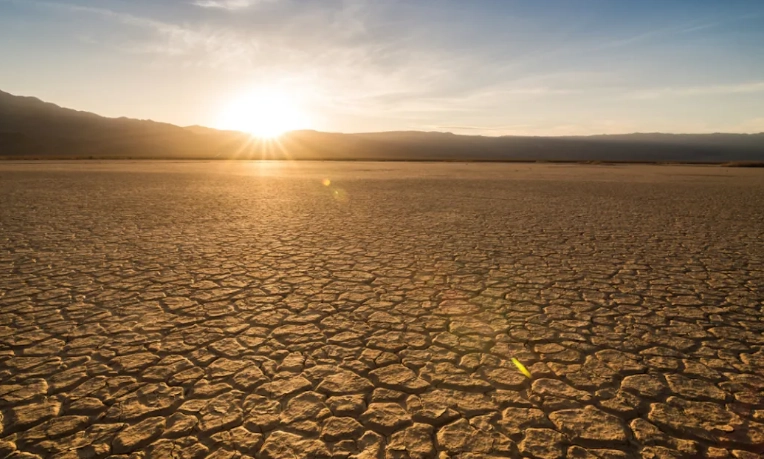
Why is Death Valley So Incredibly Hot?
It's not just one thing. It's a perfect storm of geography and meteorology that turns this basin into a natural oven.
First, the elevation. Badwater Basin, the lowest point in North America at 282 feet below sea level, sits at the bottom of a massive, deep basin. Heavy, dense air sinks into this topographic bowl. As it sinks, it compresses and heats up—a process scientists call adiabatic heating. Think of it like pumping air into a bicycle tire; the pump gets warm. The same thing happens on a colossal scale here.
Then there's the lack of water and plant life. Vast salt flats and bare rock dominate the valley floor. These surfaces have a low albedo, meaning they absorb most of the sun's radiation instead of reflecting it. There's also no moisture for evaporation, which is nature's air conditioner. In humid places, solar energy goes into turning water into vapor (latent heat). Here, nearly all that energy goes directly into heating the ground and the air right above it.
Finally, the surrounding mountains act like a prison wall. The Panamint Range to the west and the Amargosa Range to the east block moisture-laden clouds from the Pacific and from the east. This creates a severe rain shadow. The air that does make it over the mountains descends, heats up even more, and gets trapped. The result? Consistently clear skies and relentless sunshine that bakes the valley floor day after day in summer.
The Non-Negotiable Summer Survival Checklist
Visiting Death Valley when the thermometer reads 110°F+ (43°C+) is a serious undertaking. It's not inherently reckless, but it requires military-level preparation. I've seen too many visitors with a single 500ml water bottle, flip-flops, and a confused look. Don't be that person.
Your Vehicle is Your Lifeline
Your car breaking down is the number one cause of life-threatening situations. The heat can overwhelm engines and blow out tires.
- Coolant & Oil: Get them checked before you go. Old coolant boils at a lower temperature.
- Tire Pressure & Spare: Check pressure when tires are cold. Ensure your spare is inflated and you have the tools to change it. Tire sealant canisters often fail in extreme heat.
- Fuel: Never let your tank drop below half. Gas stations are few and far between (Furnace Creek, Stovepipe Wells, Panamint Springs).
- Emergency Kit: Beyond water, pack a sun shade, reflective emergency blankets, and a fully charged power bank for your phone.
This is not optional.
What to Pack and Wear
Cotton kills—in the desert, it kills by sweat evaporation. Once wet, it stays wet and offers no insulation.
- Water: The NPS recommends one gallon (4 liters) per person, per day, just for drinking. Double that if you plan any activity. For a day trip for two, that's two gallons minimum in the car. I carry a 10-gallon cooler jug.
- Electrolytes: Sweating drains salts. Bring sports drinks or electrolyte tablets. Drinking only plain water in vast quantities can lead to hyponatremia, which is dangerous.
- Clothing: Light-colored, loose-fitting, moisture-wicking fabrics (polyester, nylon, merino wool). A wide-brimmed hat, sunglasses, and high-SPF sunscreen are mandatory. Sturdy, closed-toe shoes.
Understanding the World Record Temperatures
That 134°F record from 1913 has been debated by some climatologists, who point to potential instrument or observation issues. The World Meteorological Organization (WMO) stands by it after review, but they also recognize a more modern, impeccably measured record: 130°F (54.4°C) recorded at Furnace Creek on both August 16, 2020, and July 9, 2021. This is the highest temperature recorded on Earth in the past 90+ years.
But what does that number *really* mean? It's not just an air temperature. At those extremes:
- Ground Temperatures can exceed 200°F (93°C). You can literally fry an egg on the ground (please don't, it's messy and against Leave No Trace principles).
- Your Body's Cooling System fails. Sweat evaporates instantly, providing little cooling. Your core temperature rises uncontrollably, leading to heatstroke within minutes.
- Electronics shut down. Phones overheat, cameras malfunction. Keep them in a cooler bag if possible.
The table below shows how average temperatures shift dramatically, which is more useful for planning than record highs.
| Month | Avg. High at Furnace Creek | Avg. Low at Furnace Creek | Visitor Advice |
|---|---|---|---|
| July | 116°F (47°C) | 88°F (31°C) | Extreme danger. Minimal activity outside AC. |
| January | 67°F (19°C) | 40°F (4°C) | Pleasant days, cold nights. Perfect for hiking. |
| April | 90°F (32°C) | 62°F (17°C) | Warm but manageable. Peak wildflower season (some years). |
| October | 92°F (33°C) | 63°F (17°C) | Another excellent window for visitation. |
When is the Best (and Safest) Time to Visit?
This is the million-dollar question. The answer depends entirely on what you want to do.
For Hiking and Exploration (November to March): This is the undisputed sweet spot. Daytime temperatures in the 60s and 70s°F (15-25°C) are ideal for tackling trails like Golden Canyon, Mosaic Canyon, or even the walk to Badwater Basin. Nights dip below freezing at higher elevations, so pack layers. Christmas and Spring Break are busy, but "busy" here is nothing like Yosemite.
For Experiencing the Extreme Heat (June to August): If your goal is to feel the furnace, go in summer. Your itinerary will be different: scenic drives at sunrise, very short walks from your car to viewpoints, and long afternoons by the pool at the Inn at Death Valley or your hotel's AC. It's a unique, humbling experience, but your activities are severely limited.
Shoulder Seasons (April-May & Sept-Oct): These months are a gamble. You can have perfect 85°F (29°C) days or sudden 105°F (40°C) heatwaves. It's less predictable, but often less crowded. Always have a backup plan for hotter-than-expected weather.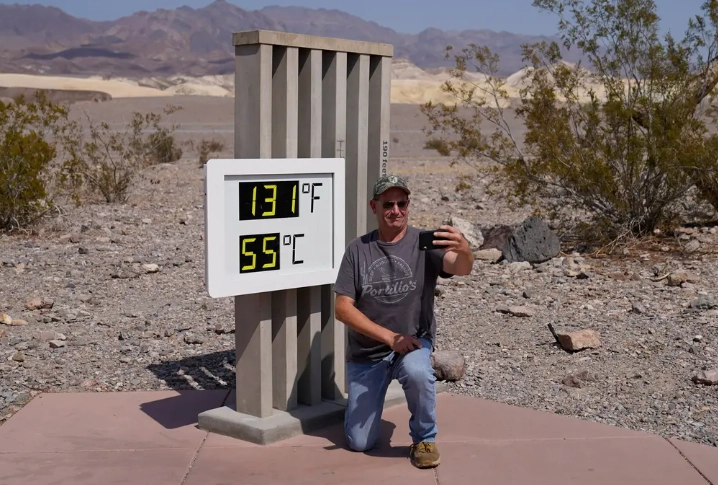
Your Death Valley Heat Questions Answered


Reader Comments