You can't picture Arizona without seeing its cactus. That silhouette against a burnt orange sunset is the state's signature. But after living here for a decade and leading desert hikes, I've realized most visitors see just two types: "the tall one with arms" and "the scary spiky one." There's a whole world beyond that. Let's move past the postcard and learn to actually see them.
This isn't just a list. It's a field guide from someone who's gotten the spines of most of these species stuck in their pants at some point.
What's Inside This Guide
How to Identify Common Arizona Cacti
Forget the textbook definitions. Here’s how you spot them on the trail, from a distance.
The Undisputed King: Saguaro (Carnegiea gigantea)
This is the one. The giant. It's not just a cactus; it's a slow-moving skyscraper. A saguaro can take 75 years to grow its first arm. Think about that. The one you're looking at with five arms might have been a seedling when your great-grandparents were born.
Identification is straightforward once you know: look for the vertical, accordion-like pleats that let it expand when it rains. The spines grow from round, fuzzy spots called areoles, arranged in perfect lines along the ribs. In late spring, it crowns itself with stunning white flowers that become red fruit.
A common misidentification? People call any young, columnar cactus a "baby saguaro." It's usually a Barrel Cactus. The saguaro starts life looking like a tiny, spiky pickle hiding under a "nurse tree" like a palo verde.
The Deceptively Fluffy One: Teddy Bear Cholla (Cylindropuntia bigelovii)
This cactus is a trap. Its dense, gold-spined segments glow in the afternoon sun, looking soft and cuddly. Hence the name. It's one of Arizona's most photographed cacti because of that beautiful, hazy glow.
Do not touch it.
The spines are barbed and detach with terrifying ease. A gentle brush is all it takes. I learned this the hard way on my first solo hike near Cave Creek. The "teddy bear" moniker is nature's greatest practical joke. Look, admire the glow, take your photo from a few feet away.
The Barrel Cacti: Not All Are Created Equal
You'll see barrels everywhere. Most folks lump them together, but there are key players.
| Common Name | Scientific Name | Key Identifying Feature | Where It's Often Found |
|---|---|---|---|
| California Barrel | Ferocactus cylindraceus | Long, fierce red or yellow hooked spines. Looks aggressive. | Rocky slopes, lower elevations statewide. |
| Fishhook Barrel | Ferocactus wislizeni | Spines are distinctly hooked at the tip, like a fishhook. Often leans south. | Desert plains, especially in southern AZ. |
| Compass Barrel | Ferocactus cylindraceus (var.) | Noticeably leans to the southwest. A natural compass. | Open, flat desert areas. |
The leaning habit of some barrels is a real thing—it's thought to minimize sun exposure on the south-facing side. A neat survival trick.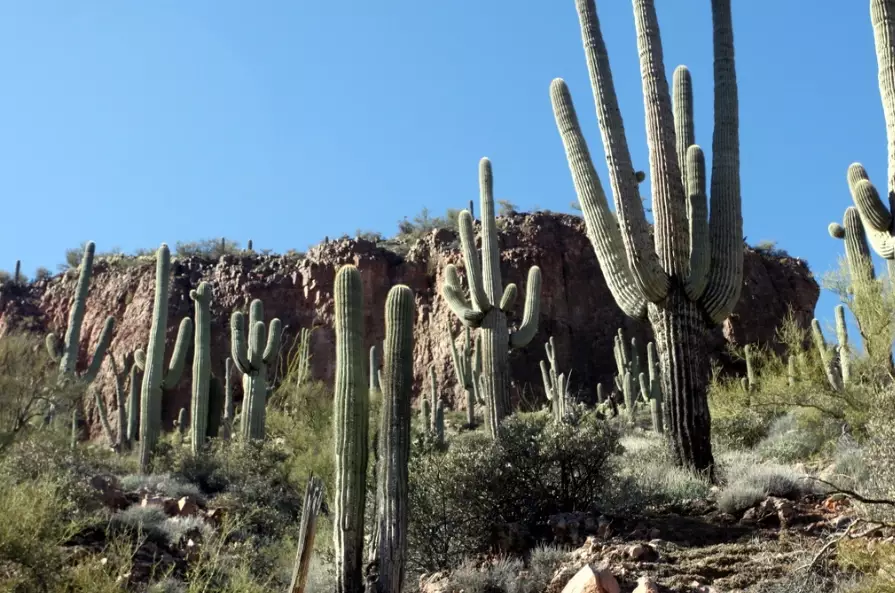
Other Must-Know Arizona Cactus Species
Prickly Pear (Opuntia spp.): The flat-padded classic. Comes in many forms. Watch for the tiny, hair-like spines called glochids. They're worse than the big spines—they get everywhere and are hard to see.
Organ Pipe (Stenocereus thurberi): Multiple stems rise from the base like pipes from an organ. This is a signature cactus of Organ Pipe Cactus National Monument. It's more frost-sensitive than the saguaro, so its range is limited to warmer southern areas.
Hedgehog Cactus (Echinocereus spp.): Short, cylindrical clusters that look like their namesake. In spring, they produce the most spectacular, large magenta or red flowers that seem too big for the plant. A true desert gem.
Pro Tip: Download the app "iNaturalist" before your hike. You can take a photo of a cactus and get a community-powered ID suggestion. It's a fantastic learning tool and helps scientists track species. Just be sure to observe from the trail.
Where to See Arizona Cacti in the Wild
You can see cacti from the car window on I-10, but for a real connection, go to these places. I've spent countless hours in each.
Saguaro National Park (Tucson Area)
This park is split into two districts: East (Rincon Mountain) and West (Tucson Mountain). They're different.
West District feels more like the classic, dense saguaro forest you imagine. The Bajada Loop Drive is an easy, scenic way to see thousands of them. The Valley View Overlook Trail is a short hike with a killer view.
East District is larger, wilder, and has more elevation change. The Cactus Forest Loop Drive is paved and beautiful. Here, you'll see saguaros mixing with other plants as the land rolls into the Rincons.
Park Info: Address varies by district. Open 24/7. $25 per vehicle entry fee (good for 7 days). Visitor centers have hours, typically 9-5. Go at sunrise or sunset for the best light and to avoid the heat.
Organ Pipe Cactus National Monument
This is a hidden treasure on the border. The 21-mile Ajo Mountain Drive is a one-way gravel road that showcases a stunning diversity you won't see further north: forests of organ pipe cactus, senita cactus (another multi-armed beauty), and saguaros.
It feels more remote and rugged. The silence here is profound. Check the National Park Service website for current road conditions, as summer monsoons can wash sections out.
The Desert Botanical Garden (Phoenix)
If you're short on time or want guaranteed, labeled access to hundreds of species, this is the spot. It's not "wild," but it's a masterclass in desert botany. You'll see rare and endangered cacti from Arizona and beyond, all in a beautifully designed setting.
Garden Info: 1201 N Galvin Pkwy, Phoenix. Open daily, hours vary by season. Admission is around $30. It's worth it for the education and photo ops alone.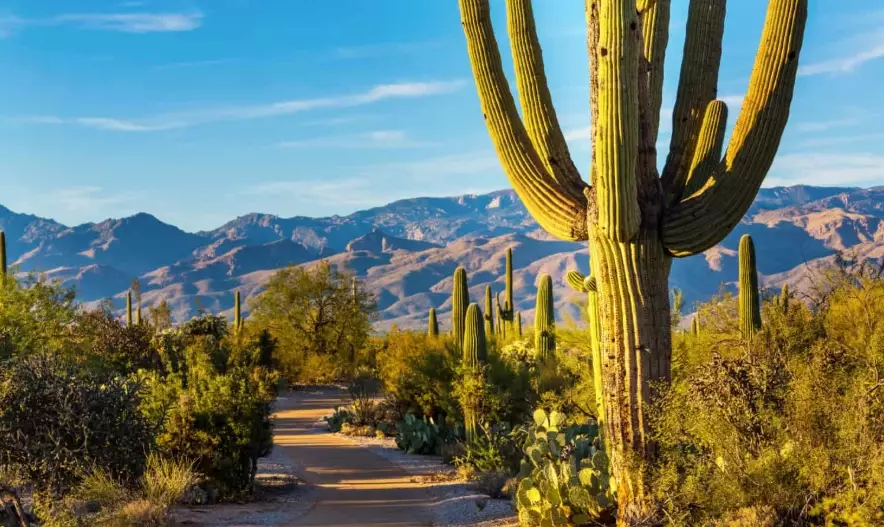
Arizona Cactus Gardening and Care Tips
Thinking of adding some desert flair to your yard? Here's what I've learned from killing a few (and keeping many alive).
First, never dig up a cactus from the wild. It's illegal on public land, unethical, and the plant will likely die. It has a root system adapted to a specific spot. Buy from a reputable local nursery.
Soil is everything. They need fast-draining soil. In pots, use a commercial cactus mix and add extra perlite or pumice. In the ground, amend heavy clay soil with plenty of gritty material.
Watering is a dance. The biggest killer is overwatering, especially in winter. In summer, a deep soak every 2-3 weeks is plenty for established plants. In winter, they might need none at all. Let the soil dry out completely between waterings.
Sun exposure: Most need full sun. But a nursery-grown plant might be shaded. Acclimate it slowly to full sun over a week or two to avoid scorching.
Cactus Safety and Respectful Viewing
Let's get real for a second. The desert isn't a petting zoo.
Stay on the trail. This protects fragile desert soil crusts and keeps you from stepping on a hidden prickly pear pad or a baby cactus.
Wear appropriate clothing. Sturdy shoes and long pants aren't just for heat—they're your first line of defense against spines.
Carry a comb. Not for your hair. A fine-toothed comb is the best tool for flicking out clusters of cholla segments or tiny glochids. Keep tweezers in your first aid kit for individual spines.
Look, don't touch. This should be obvious, but you'd be surprised. Don't carve your initials into them. Don't knock off their fruit. These plants are slow-growing survivors. A scar from vandalism can invite disease that kills them decades later.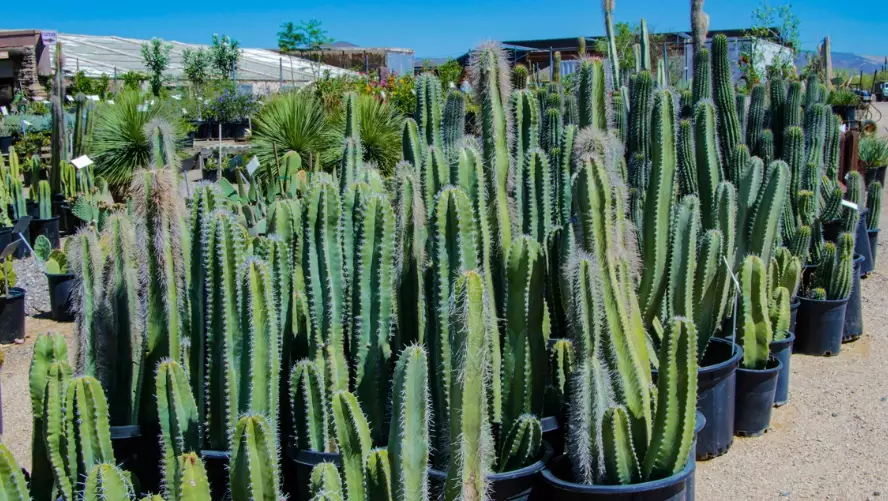
Reader Comments