Explore the Article
- Why the Confusion? Valley vs. Canyon Explained
- Valley of Fire vs. Famous Canyons: A Side-by-Side Look
- What You Actually Find in Valley of Fire (Since It's Not a Canyon)
- Planning Your Visit: How This Knowledge Helps You
- Common Questions (FAQs) People Have After Asking "Is Valley of Fire a Canyon?"
- Final Verdict: So, What Is It Then?
You know how it is. You're planning a trip to Nevada, maybe you're hitting up Vegas, and you keep hearing about this place called Valley of Fire. The pictures are insane – waves of red rock that look like they're on fire, especially at sunrise or sunset. And then the question pops into your head, probably because you're also thinking about the Grand Canyon or Zion: wait, is Valley of Fire a canyon? It sounds like it could be, right? A "valley" often sits between things, and fire... well, that's just the color. But the name is tricky.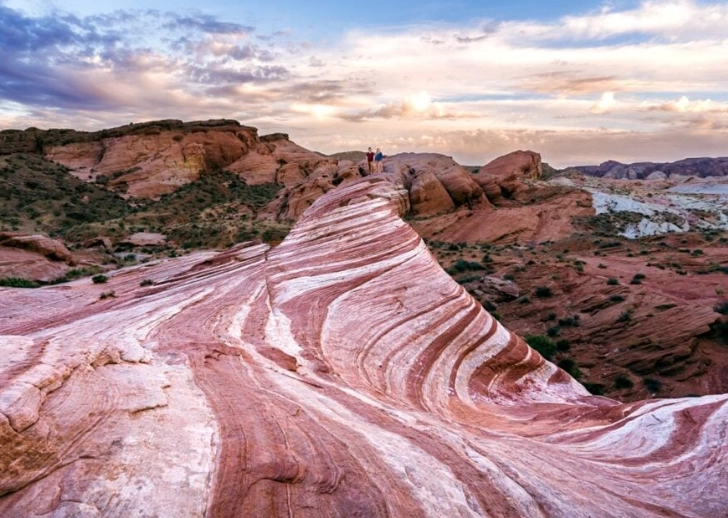
I had the exact same thought before my first visit. I was expecting a deep, narrow gorge, something you'd hike down into. What I found was completely different, and honestly, way more interesting in its own way. Let's dig into the geology, the geography, and the straight-up facts to clear this up. This isn't just semantics; understanding what it actually is will totally change how you plan your visit and what you look for.
Why the Confusion? Valley vs. Canyon Explained
To really get why people ask "is Valley of Fire State Park a canyon," we need to break down what these words mean in geography class. Most of us use them kinda loosely, but geologists have more specific ideas.
A canyon (or gorge) is typically a deep, narrow valley with steep sides, often carved over millions of years by a river cutting through rock. Think of it as a giant, dramatic scratch in the earth's surface. The Grand Canyon is the textbook example – the Colorado River did all the work. The walls are high and close together, and you usually look down into it or hike down to the bottom.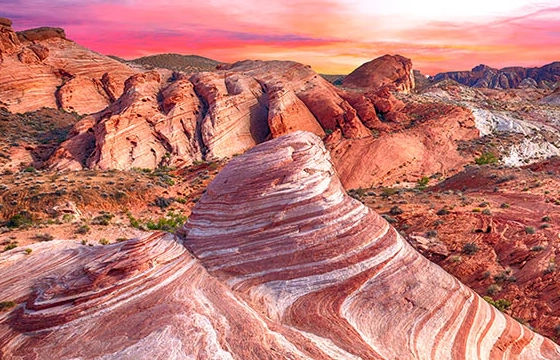
A valley is a broader term. It's a low area between hills or mountains, often with a river running through it. Valleys can be wide and open (like a river valley) or more defined. They aren't necessarily as deep or steep-sided as canyons.
So, when you're trying to figure out is the Valley of Fire considered a canyon, you're really asking about its shape and how it formed. The name itself leans towards the "valley" definition, and that's a big clue.
The Geology That Gives the Answer Away
This is where it gets cool. The landscape at Valley of Fire wasn't carved by a single, powerful river over eons. Its story is about sand, time, and much gentler forces.
About 150 million years ago, this whole area was a giant desert, way bigger than anything today. Enormous dunes of sand piled up, hundreds of feet high. Over time, that sand was buried under other layers and cemented together by mineral-laden water, turning it into the hard Aztec sandstone we see now. Fast forward to the last few million years, the land uplifted, and the softer rocks around this sandstone layer eroded away. What was left was this exposed, ancient dune field.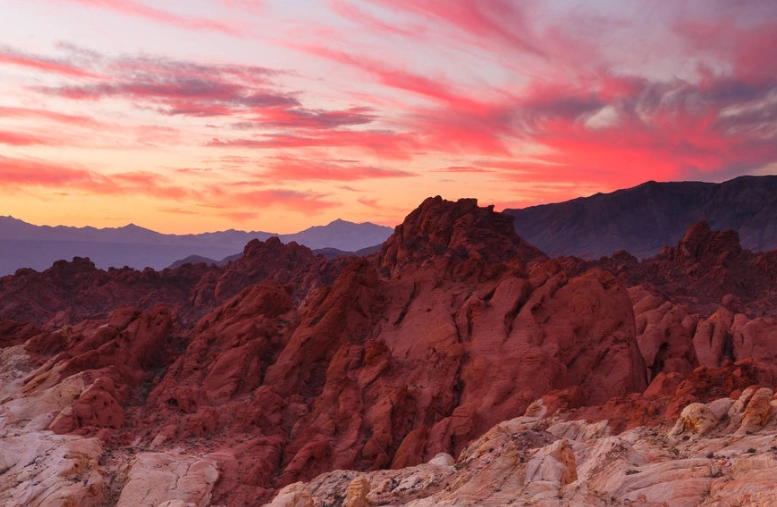
The shapes – the waves, the domes, the slots, the arches – come from wind and water erosion. Rain seeps into cracks, freezes and expands, and slowly pries rock apart. Wind blasts sand grains against the surfaces, sandblasting them into smooth, flowing shapes. It's a slower, more all-around sculpting process compared to the violent, linear cutting of a river making a canyon.
You can see this process explained in more detail on the National Park Service's geology page, which, while not about Valley of Fire specifically, outlines the universal principles of sedimentary rock erosion that created it.
Valley of Fire vs. Famous Canyons: A Side-by-Side Look
Sometimes the best way to understand something is to see it next to something else. Let's put Valley of Fire side-by-side with places that are definitively canyons. This table makes the differences crystal clear.
| Feature | Valley of Fire (Nevada) | Grand Canyon (Arizona) | Zion Narrows (Utah) |
|---|---|---|---|
| Primary Geology | Aztec Sandstone (ancient dunes) | Layer cake of sedimentary rocks | Navajo Sandstone |
| Formation Process | Uplift & erosion of a sandstone layer (wind/water) | River erosion (Colorado River) | River erosion (Virgin River) |
| Typical Shape | Broad basin with isolated formations, domes, and wide valleys | Immense, deep, linear gorge with sheer walls | Extremely deep, narrow, slot canyon |
| Visitor Perspective | Often look UP at features or across a wide landscape | Look DOWN into the abyss from the rim | Look UP at walls from the bottom (often in water) |
| Key Water Feature | No major river. Dry washes (arroyos). | Colorado River at the bottom | Virgin River runs through it |
| Answer to "Is this a canyon?" | No. It's an eroded sandstone basin. | Yes. The definition of a canyon. | Yes. A premier slot canyon. |
See the pattern? True canyons have that dominant, defining river-cut lineage. Valley of Fire's origin story is different. Now, this isn't to say Valley of Fire is boring because it's not a canyon. Not at all. It has its own magical features that some canyons lack.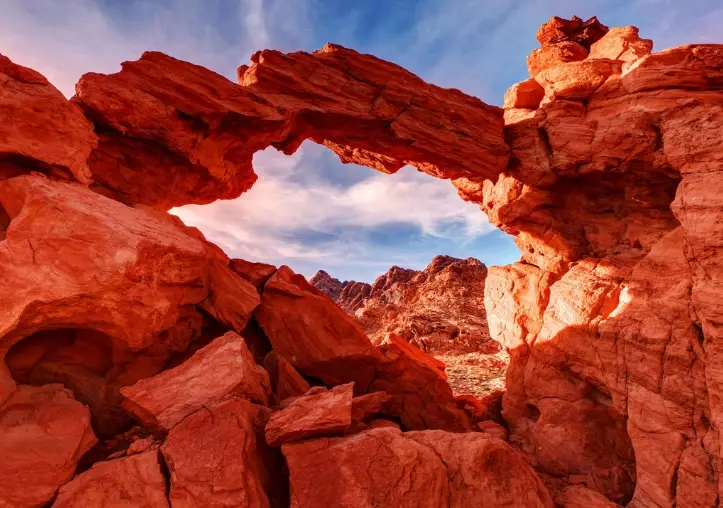
What You Actually Find in Valley of Fire (Since It's Not a Canyon)
Okay, so if we've established that Is Valley of Fire a canyon gets a "no," what should you expect to see? This is where the park shines with its own unique portfolio of sights.
1. The Fire-Wave Lookalikes and Sandstone Swirls
This is the park's signature. The undulating patterns in the rock, like the famous (but permit-required) Fire Wave, or the patterns all over the Seven Sisters area. These are the direct result of those ancient, cross-bedded dunes being cemented with different minerals (iron for red, manganese for darker streaks) and then eroded. You won't find this exact look in many river-cut canyons.
2. Slot Canyons *Within* the Valley
Here's the fun twist! While the park as a whole isn't a canyon, it contains small, gorgeous slot canyons. These are narrow passages where water has cut deep into the sandstone. The hike to the White Domes goes through a fantastic, short slot section. Mouse's Tank is a natural basin in a narrow canyon wash. So, you can get your slot canyon fix without the whole park being one.
It's a key distinction. Asking "is Valley of Fire a canyon" misses the nuance. It's more accurate to say it's a landscape that *includes* canyon-like features.
3. Arches and Natural Bridges
Rainbow Vista and the trail to Fire Cave / Arch Rock showcase these. Wind and water erosion sometimes wear away softer rock underneath a harder layer, creating arches. Again, this is a sandstone-specific trick that's more common here than in a sheer-walled granite canyon.
4. Petroglyphs Galore
The relatively soft sandstone was a perfect canvas for ancient peoples. Places like Atlatl Rock and Petroglyph Canyon are covered in amazing rock art left by the Ancestral Puebloans over 2,000 years ago. The official Valley of Fire State Park website has great information on respecting these cultural treasures. This human history layer adds depth you won't find in every geological formation.
5. Vast, Open Vistas
This is the "valley" part. Pull over at Rainbow Vista or the top of the road near the visitor center. You'll see wide, sweeping views of the red rock landscape rolling out towards the mountains. It's an open, airy feeling, not the enclosed, awe-inspiring but sometimes claustrophobic feeling of being at the bottom of a deep canyon.
Planning Your Visit: How This Knowledge Helps You
Understanding that Valley of Fire is not a canyon directly impacts how you should plan your trip. You're not preparing for a long descent and arduous climb out.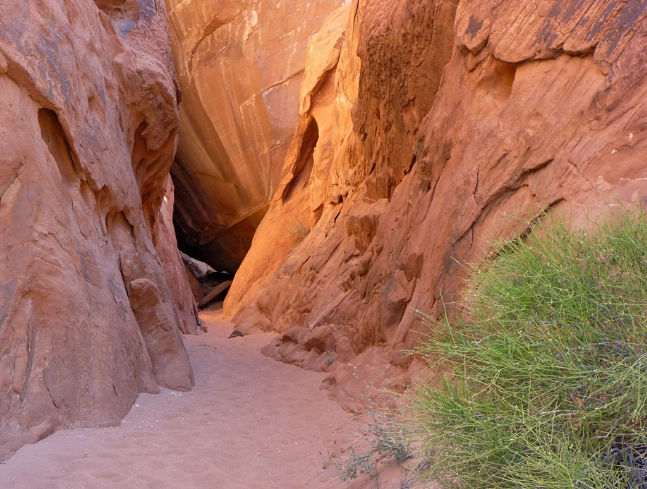
What to Expect & Pack:
- Hiking: Many trails are moderate, involving sandy washes and scrambling over rock, not sheer cliffside paths. Good hiking shoes are still a must—the sand gets hot and the rock is abrasive.
- Viewpoints: Many of the best views (like Elephant Rock, the Seven Sisters) are right off the road or a very short walk. It's incredibly accessible for all fitness levels.
- The Heat: This is a desert basin with minimal shade. It gets much hotter than the bottom of a deep canyon, which can be surprisingly cool. Water, sun protection, and avoiding midday in summer are CRITICAL. I learned this the hard way on a June afternoon—it was brutal.
- Photography: The light is everything. The "fire" ignites at sunrise and sunset when the low angle lights up the red rock. Midday light can be harsh and flat. Canyon photography often fights shadow; here, you're chasing the perfect light on broad faces.
So, when someone asks you after your trip, "Is Valley of Fire State Park a canyon?" you can give them the informed answer: "Not really, but what it is, is just as awesome. Let me show you pictures."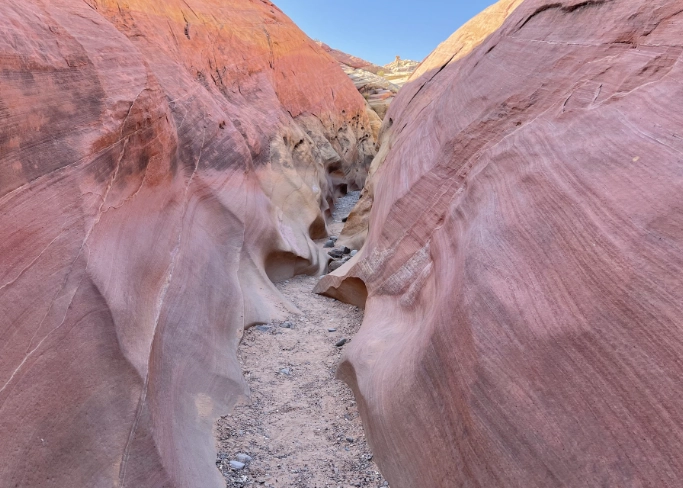
Common Questions (FAQs) People Have After Asking "Is Valley of Fire a Canyon?"
Absolutely, 100%. This is the biggest worry people have, and it's based on a false comparison. You don't judge a beach by how mountain-like it is. Valley of Fire is a world-class destination for its surreal red rock scenery, easy accessibility, photography, and unique geology. It's worth a full day, easily. Saying it's not a canyon isn't a criticism; it's just accurate categorization.
If you have your heart set on a canyon experience, you're in luck. About two hours northeast is the Virgin River Gorge in Arizona (along I-15). More famously, about 2.5 hours away is Zion National Park in Utah, which is essentially a massive, gorgeous canyon system. You could do a fantastic trip hitting both Valley of Fire and Zion to compare the "sandstone basin" vs. "monolithic canyon" experiences.
Oddly, yes. The wide-open nature means less shade, leading to faster dehydration and heatstroke risk. In a deep canyon, getting lost might mean going the wrong way up or down a river. Here, getting lost off-trail in the maze-like sandstone formations can be disorienting because a lot of it looks the same. Always stay on marked trails, carry a map/GPS, and tell someone your plans. The USGS has great general safety publications for desert hiking that apply perfectly here.
Yes, there are two great campgrounds. Camping here is different. Instead of being surrounded by towering walls, you're camping among the rock formations under a vast, starry sky. The night skies are incredible due to low light pollution. It's more exposed, so wind can be a factor, but the sunrises and sunsets from your campsite are unreal.
Final Verdict: So, What Is It Then?
Let's wrap this up. The question is Valley of Fire a canyon is a great starting point because it makes you think about landscape and form. The definitive answer is no. It is an eroded structural basin composed of ancient Aztec sandstone.
Think of it as a magnificent, open-air gallery of sandstone sculpture.
Calling it a canyon would actually sell it short. It would set up an expectation of deep, confined spaces that the park doesn't primarily deliver. Instead, it delivers vast, fiery vistas, playful slots to explore, historical connections, and some of the most photogenic rock patterns in the Southwest.
So, pack your wide-angle lens for the vistas and your close-up lens for the swirls in the rock. Bring twice as much water as you think you need. And go see for yourself why the question "is the Valley of Fire considered a canyon" is less important than the experience of simply being there.
Comments