Let's talk about the Great Salt Desert. Not the one in Utah, but the original – Iran's Dasht-e Kavir. It's a place that doesn't just sit on the map; it dominates the center of the country, a vast, silent, and frankly, intimidating expanse of salt and clay. Most pictures you see online are from the edges. The real heart of it is a different beast entirely. I've been guiding trips here for over a decade, and I still get a humbling thrill every time I point a vehicle towards that white horizon. This isn't a checklist destination. It's an experience that demands respect and preparation. Forget the Instagram clichés for a second. I'm going to walk you through what it really takes to visit, enjoy, and safely return from one of the planet's most extreme landscapes.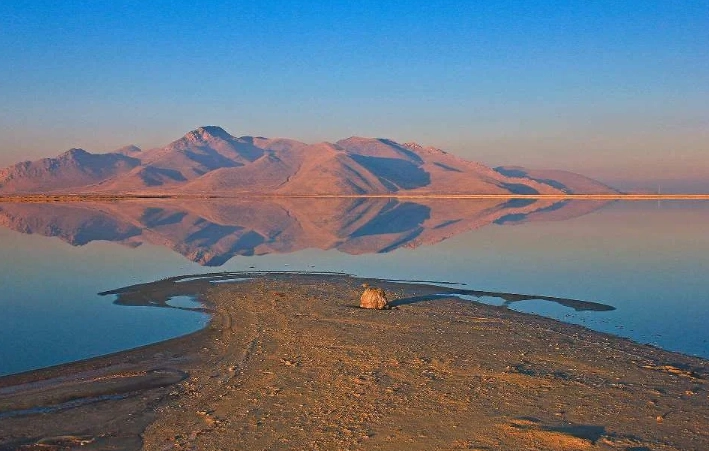
Quick Navigation: What's in This Guide
What Exactly is the Great Salt Desert?
Dasht-e Kavir, or the "Great Salt Desert," is Iran's largest desert, covering about 77,000 square kilometers. Think of an area the size of Scotland, but made of salt, mud, and sand. It was once part of an ancient ocean. When the water retreated, it left behind a thick crust of salt over a layer of treacherous, viscous mud. That's the key thing most visitors miss. The surface looks solid, even inviting to drive on, but underneath can be a bottomless bog. Local lore is filled with stories of disappearing trucks.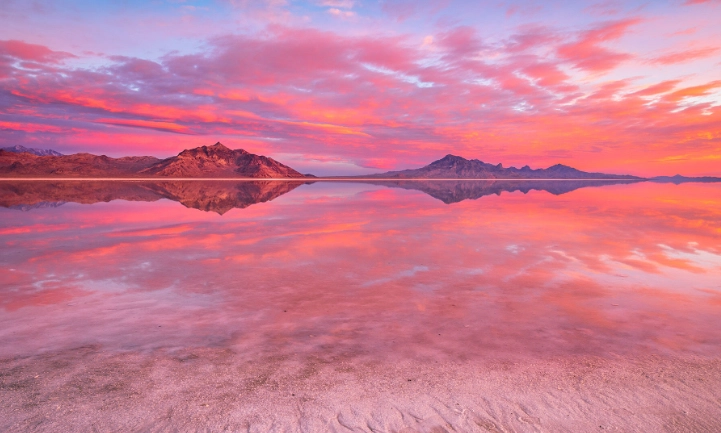
The landscape isn't monotonous. You have the iconic salt flats (kavir), cracked and patterned like a giant's mosaic. There are sand dunes pushing up against the salt, rocky massifs (kuh) rising like islands, and seasonal rivers that create fleeting marshes. The color palette shifts from blinding white and pale pink at midday to deep gold and fiery orange at sunset.
Best Time to Visit: The sweet spot is mid-March to May and late September to November. Spring brings wildflowers on the margins. Autumn offers crisp air. Summer (June-August) is brutal, with ground temperatures exceeding 60°C (140°F). Winter nights can plunge below freezing. I've seen seasoned travelers brought to tears by the summer heat because they underestimated it.
How to Plan Your Great Salt Desert Itinerary
You can't just "pop in" to the Great Salt Desert. Access requires planning. The main gateway towns are on its periphery: Kashan to the west, Ardestan to the north, and Yazd to the south. Most independent travelers access the desert via the villages of Garmeh or Mesr (Sand Sea), which are actually in the adjacent Dasht-e Lut desert but serve as perfect bases for forays into the southern Kavir edges.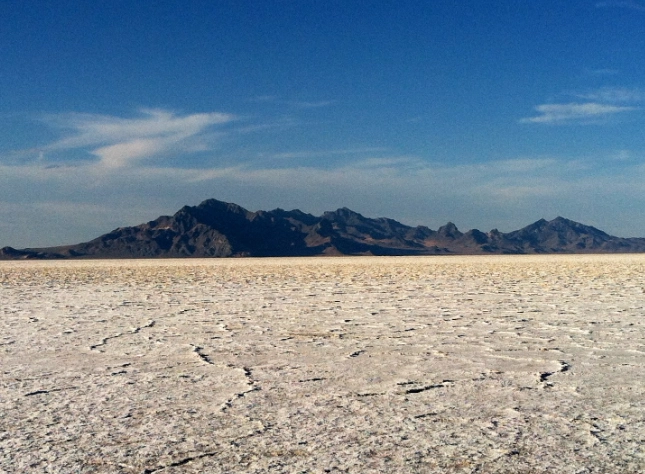
Here’s a realistic 3-day circuit that balances driving with exploration:
Day 1: Tehran to the Desert's Edge
Drive from Tehran to Kashan (approx. 2.5 hrs). Don't rush Kashan – the Tabatabaei House and Fin Garden are worth half a day. Then, continue to the oasis village of Garmeh (another 3-4 hrs drive). Stay in a traditional atehkhaneh (guesthouse) like Akhavan Hotel. This is your acclimatization night. The stars here are insane.
Day 2: Into the Kavir
This is the core day. From Garmeh, a 4x4 and guide will take you north into the fringes of Dasht-e Kavir. Key stops include the Kalut-e Siah Kuh (black mountains) and the expansive salt flats near Rig-e Jenn (the "Dune of Ghosts," an area with famously complex dunes). You'll visit nomadic camps if respectful arrangements are made. Return to Garmeh or push on to Mesr for the night.
Day 3: Mesr to Yazd
Explore the dunes around Mesr at sunrise – the light is magical. Then, begin the drive to Yazd (4-5 hrs). En route, stop at the magnificent Meybod citadel and the Zein-o-din caravanserai for a tea break. You'll reach Yazd by late afternoon.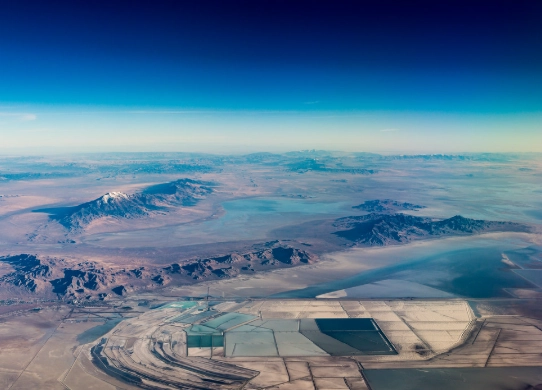
Honestly, trying to do it in less time turns it into a blur of car windows. The desert reveals itself slowly.
What to Pack for the Great Salt Desert?
Packing wrong can ruin your trip. This isn't a city park. Here’s the non-negotiable list, born from forgetting things myself over the years.
| Item | Why It's Essential | Pro Tip |
|---|---|---|
| Water Containers | Dehydration is the #1 risk. You need 5-6 liters per person, per active day. | Use a durable 10L reusable jug + personal bottles. Don't rely on flimsy shop-bought water bags. |
| High-Protection Sunglasses & Hat | The salt flat glare is intense, causing headaches and snow blindness. | Polarized lenses are a must. A wide-brimmed hat with a neck flap is better than a cap. |
| Sturdy, Closed-Toe Shoes | The salt crust is sharp and can cut skin. The mud is corrosive. | Ankle-supporting hiking shoes, not sandals. Bring gaiters to keep salt out. |
| Lip Balm & Heavy Moisturizer | The dry air will chap your skin and lips painfully fast. | SPF lip balm. A small tub of shea butter or Vaseline works wonders. |
| Power Bank & Satellite Communicator | Zero cell service in the core. You need a backup power and emergency SOS capability. | A Garmin inReach or similar. Tell someone your route and expected return time. |
| Warm Layers | Temperature swings are extreme. A sunny 25°C day can become a 5°C night in hours. | Pack a lightweight down jacket and thermal base layer, even in spring/autumn. |
Leave your fancy clothes at home. Everything will get a fine layer of salt dust.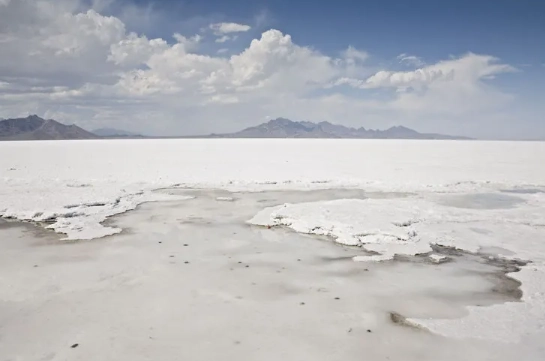
Critical Safety Tips Most Blogs Don't Mention
The Biggest Mistake: Attempting to drive across the central salt flats (playa) in a regular vehicle or without a guide. The crust looks solid but is often a thin shell over deep mud. Recovery is extremely difficult, expensive, and dangerous. I've helped pull out overconfident tourists who thought their SUV was invincible. It's not.
Other crucial tips:
- Never wander off alone. Landmarks look similar, and it's terrifyingly easy to get disoriented. Always stay within sight of your group or vehicle.
- Respect the silence and the space. This is a fragile ecosystem. Don't drive on vegetation, don't remove salt formations, and pack out ALL your trash.
- Fuel up constantly. Fill your tank in every major town (Kashan, Ardestan, Yazd). Distances between stations are long, and detours consume fuel.
- Check weather reports religiously. Rain is rare but catastrophic. A downpour turns the clay into impassable glue and can cause flash floods in dry riverbeds (wadis).
Getting the Shot: Photography Tips for the Salt Flats
You want those mirror-like reflections and crazy patterns, right? Here's how.
Timing is everything. Midday light is harsh and flat. The golden hours—just after sunrise and before sunset—are your best friends. The low angle creates long shadows that accentuate the salt polygonal patterns.
Find water, not just salt. The famous reflections happen when a thin layer of water covers the salt. This is often seasonal (spring) or after rare rains. Ask your guide to scout for wet areas. Sometimes you need to walk a bit to find them.
Protect your gear. Salt dust is a camera killer. Keep your equipment in a sealed bag when not in use. Use a lens cloth to gently wipe the front element frequently. Changing lenses in the open wind is a bad idea.
Bring a circular polarizer filter. It cuts the glare from the salt and can deepen the blues in the sky, making for a more dramatic contrast. Honestly, the first time I went without one, my shots looked washed out and boring.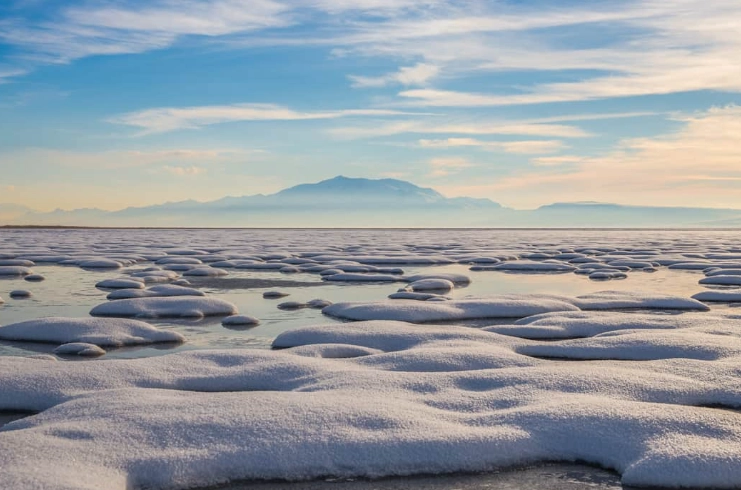
Your Great Salt Desert Questions Answered
The Great Salt Desert isn't for everyone. It challenges you. But if you come prepared, with respect and a sense of adventure, it offers a raw, profound beauty you won't find anywhere else. It's the silence that gets you. A deep, complete quiet that makes you feel very small, and in a strange way, very connected. Plan well, pack smart, and let the desert do the talking.
Comments