Let's be honest. You're probably here because you've seen a picture of the General Sherman Tree, the largest living thing on Earth by volume, and thought, "I need to stand next to that." I get it. I had the same thought a decade ago on my first visit. But here's the thing most first-timers miss: Sequoia National Park isn't just a single grove of big trees. It's a massive, rugged Sierra Nevada wilderness with deep canyons, granite domes, and alpine lakes, all connected to its sibling, Kings Canyon National Park. If you only go for the photo op with the giants, you're missing at least half the adventure. This guide will show you how to see the famous sequoias and discover the park's wild heart.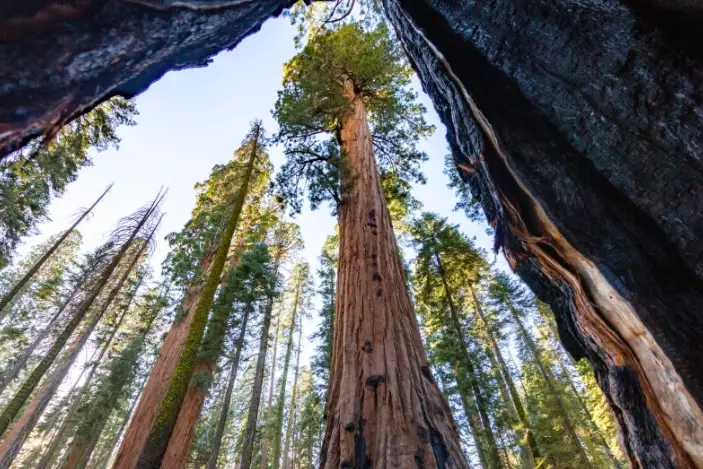
Your Sequoia Adventure Starts Here
Park Planning 101: Fees, Hours & Getting There
First, the logistics. Sequoia & Kings Canyon National Parks are jointly managed. Your entrance fee gets you into both.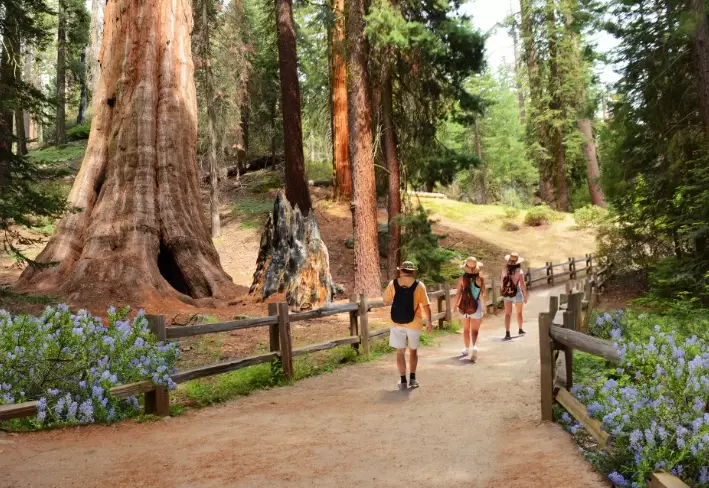
Key Info at a Glance
Entrance Fee: $35 per vehicle (valid 7 days for both parks). The America the Beautiful Pass ($80 annually) is a steal if you visit more than 2 national parks in a year.
Address: There's no single "address." Use "47050 Generals Hwy, Three Rivers, CA 93271" for GPS to the Ash Mountain Entrance (south). For the Big Stump Entrance near Kings Canyon, use "Hwy 180, Kings Canyon National Park, CA 93633."
Open: The parks are open 24/7, year-round. However, roads close seasonally. The Generals Highway connecting Sequoia and Kings Canyon is usually open, but the road into Kings Canyon's Cedar Grove and the Mineral King road in Sequoia close for winter (typically Nov-May). Always check the National Park Service website for current conditions.
Nearest Major Airports: Fresno Yosemite International (FAT) is about 1.5 hours to the Big Stump Entrance. Visalia (VIS) is smaller but closer to the Ash Mountain Entrance. Los Angeles (LAX) is a 4-5 hour drive.
You need a car. There's no real public transit into the core areas. The drive from Fresno is straightforward. From LA, you'll wind up steep, mountainous highways—fill your tank in a town like Three Rivers first. A common surprise? The park is at high elevation. The Giant Forest is around 6,400 feet. You might feel a bit winded. Take it easy, drink water.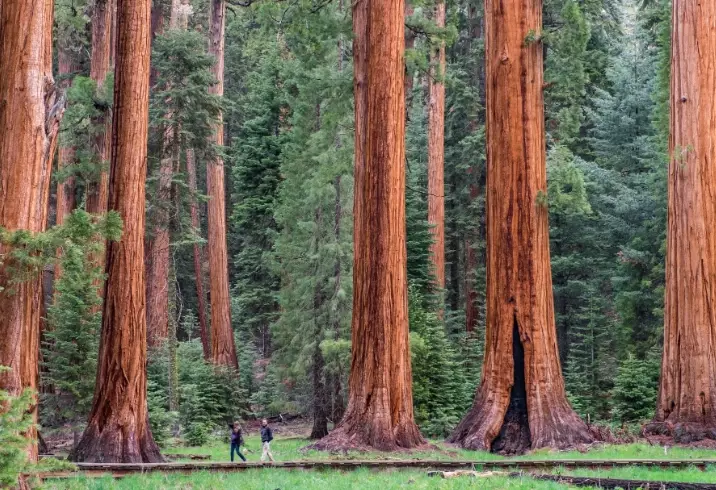
Top Attractions in Sequoia National Park
Beyond the famous tree, these spots define the park.
General Sherman Tree
It's the main event. The walk from the main parking lot is paved but has a significant incline on the way back up—take your time. The best light for photos is mid-morning. A huge mistake is going at midday in summer when the parking lot is a madhouse. Go early (before 9 AM) or late (after 4 PM). The tree itself is fenced off, but the scale is still incomprehensible until you're there.
Moro Rock
This granite dome offers a 360-degree view of the Great Western Divide. You climb about 400 steps carved into the rock. It's not for those with a severe fear of heights, but the handrails are solid. Sunset here is spectacular, but bring a headlamp for the walk down. The parking lot is tiny. If it's full, park at the Giant Forest Museum and take the free seasonal shuttle.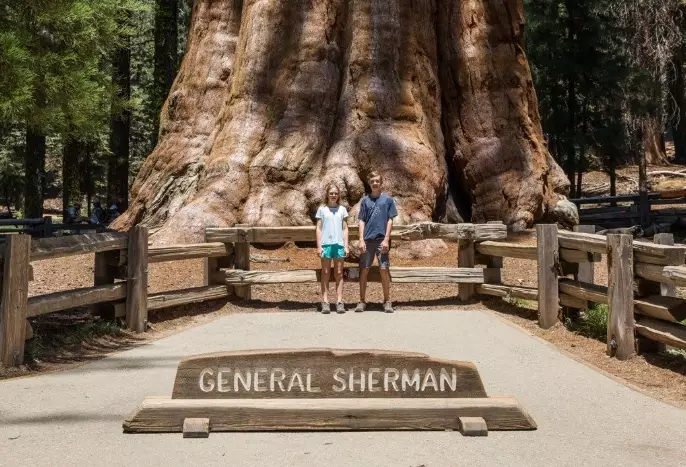
Tunnel Log
A fallen sequoia you can drive through. It's a classic photo op. It's on the Crescent Meadow Road. Lines form quickly. My advice? Have your passenger ready with the camera, and don't hold up the line trying to get the perfect shot. There's a pull-out just past it where you can park and walk back.
Giant Forest Museum
Don't skip this. It's small but brilliantly explains the ecology of the sequoias. It's the hub for the free shuttle in summer and has crucial park rangers to answer questions. The nearby Round Meadow loop is an easy, quiet walk among giants, often with fewer people than the Congress Trail.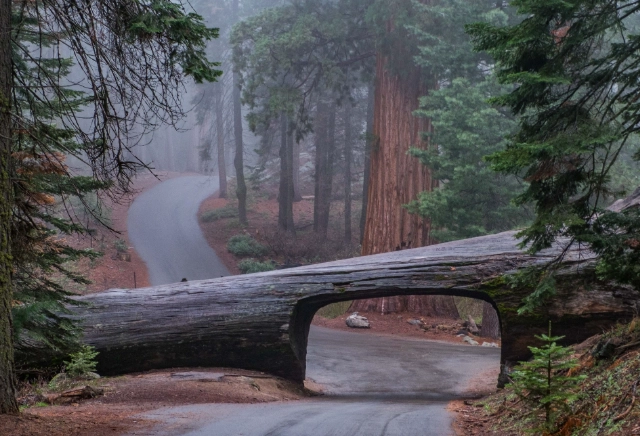
The Best Hikes for Every Ability
Hiking is where you leave the crowds behind.
Easy & Iconic: The Congress Trail (2.5 miles loop) starts at the General Sherman Tree. It's a paved path through the heart of the Giant Forest, passing the House and Senate groups of sequoias. It feels more immersive than the main Sherman area.
Moderate & Rewarding: The Tokopah Falls Trail (3.8 miles round-trip) from Lodgepole Campground follows a roaring river to a tall granite waterfall. It's a great alternative if the Giant Forest area feels too busy. For views, the Moro Rock to Crescent Meadow walk (roughly 2 miles one way on the High Sierra Trail) is flat and stunning, passing through quiet forests.
Challenging & Epic: Heather Lake, Emerald Lake, and Pear Lake via the Lakes Trail is a classic. It's a strenuous 12-mile round-trip day hike with over 2,000 feet of gain, but it catapults you into alpine scenery most visitors never see. Start very early.
A major oversight is ignoring the Mineral King area in the park's southern section. The road is narrow and winding (not for RVs), but it leads to trails like Monarch Lakes that offer supreme solitude and high alpine beauty. It's a commitment, but it's the park's best-kept secret.
Why You Must Visit Kings Canyon Too
If Sequoia is about the trees, Kings Canyon is about the depth. Driving down into the canyon on Highway 180 is an experience itself. The vista at Road's End is one of the most dramatic in the Sierra—a sheer, glacial-carved canyon walls soaring above the Kings River. It feels more like Yosemite Valley used to feel decades ago.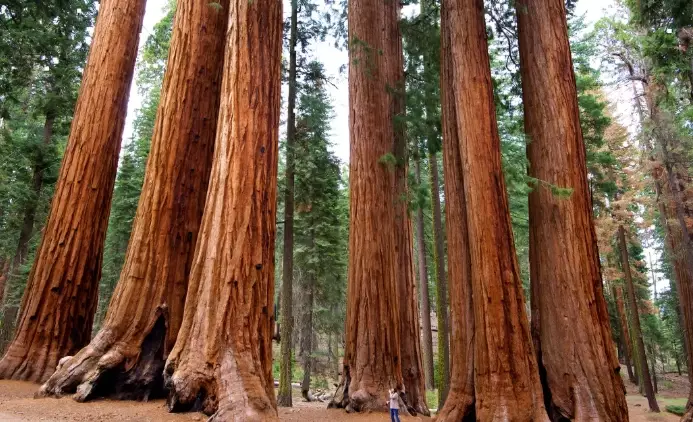
You can do a great loop: Enter at Big Stump (near Grant Grove, home of the General Grant Tree, the nation's Christmas Tree), drive the scenic highway down to Cedar Grove, then take the Generals Highway over to Sequoia's Giant Forest. This two-park loop is the definitive experience. Grant Grove has its own magnificent sequoia grove with far fewer people than the Giant Forest.
Where to Stay: Lodging & Camping
Book months in advance, especially for summer and weekends.
Inside the Parks:
- Wuksachi Lodge is the primary hotel in Sequoia. It's not luxurious, but the location near the Giant Forest is unbeatable. Rooms start around $250/night. The dining room is decent.
- John Muir Lodge & Grant Grove Cabins in Kings Canyon's Grant Grove area are more rustic but charming. Better availability sometimes.
- Camping: Lodgepole and Dorst Creek are the large, reservable campgrounds in Sequoia (some sites on Recreation.gov). They fill instantly. Potwisha and South Fork are smaller. In Kings Canyon, Sunset and Sentinel in Grant Grove are good bases.
Gateway Towns:
Three Rivers (south of Ash Mountain) has motels, vacation rentals, and B&Bs. It's a 30-45 minute drive to the Giant Forest. Visalia is a full-service city about an hour away, with chain hotels and restaurants. Staying outside means more driving but often more options and lower prices.
Building Your Perfect Itinerary
| Time Available | Recommended Focus | Sample Plan |
|---|---|---|
| 1 Day | The Highlights | Enter early at Ash Mountain. Head straight to General Sherman & Congress Trail. Visit the Giant Forest Museum. Drive to Moro Rock for afternoon views. Walk to Tunnel Log or Crescent Meadow. Exit via Generals Highway. |
| 2-3 Days | Classic Two-Park Experience | Day 1: Kings Canyon. See General Grant Tree, drive to Road's End, hike Zumwalt Meadow. Day 2: Sequoia. General Sherman, Congress Trail, Moro Rock. Day 3: Choose a longer hike (Tokopah Falls, Lakes Trail) or explore Mineral King if open. |
| 4-5 Days | Deep Exploration | All of the above, plus a backpacking overnight permit to Rae Lakes (Kings Canyon) or a dedicated day to hike deep into the Mineral King basin. Time for relaxation and ranger programs. |
Expert Tips & Common Mistakes to Avoid
After a decade of visits, here's what I wish I knew the first time.
Don't underestimate the altitude. You're at 6,000-7,000 feet in the main areas. Headaches and fatigue are common on day one. Hydrate aggressively, go slow, and skip the alcohol.
The "parking problem" is real. The lots at General Sherman and Moro Rock are comically small for the summer demand. The free park shuttles (summer only) are your best friend. Park at the Giant Forest Museum or Lodgepole and ride. It's less stressful.
Cell service is virtually non-existent in the parks. Download offline Google Maps, save this article, and get paper maps from the entrance station.
Weather is unpredictable. Sierra afternoons often see thunderstorms in summer. Be off high places like Moro Rock by early afternoon. Layers are key—mornings can be chilly even in July.
My personal non-consensus take? Everyone rushes to the trees. Spend equal time just sitting by the Kaweah or Kings River. The sound of that powerful water flowing through the canyon, with the scent of pine and cedar, is as much the soul of these parks as the silent giants.
Frequently Asked Questions
How many days do you need in Sequoia National Park?
One full day lets you see the major giants and a viewpoint. For a relaxed pace with a couple of good hikes and to include nearby Kings Canyon, plan for 2-3 days minimum. If you want to backpack or explore remote areas like Mineral King, you'll need 4-5 days.
What is the best time of year to visit Sequoia National Park?
Late spring (May-June) and early fall (September-October) are ideal. Crowds are thinner than peak summer, temperatures are pleasant, and most roads and trails are open. July-August is busy but all areas are accessible. Winter offers snowshoeing among the giants, but some roads close and tire chains are often required.
Can you see giant sequoias without hiking?
Absolutely. The General Sherman Tree has a paved, accessible path from the main parking lot (though it's a moderate incline back up). You can drive through the Tunnel Log. The Giant Forest Museum area is flat and informative. For panoramic views, you can drive to the Wuksachi Lodge area or up to the Beetle Rock area for short walks to viewpoints.
Is Sequoia National Park worth combining with Kings Canyon?
It's not just worth it; it's almost essential for the full experience. Your single park entrance fee covers both. Kings Canyon offers a stunning, deep canyon vista (from Road's End) that contrasts perfectly with Sequoia's giant forest groves. They are administratively one unit and geographically connected. Skipping Kings Canyon means missing half the story.
The magic of Sequoia and Kings Canyon isn't just in looking up at the ancient trees, but in feeling the scale of the landscape they inhabit. It's a place that demands you slow down, breathe the thin air, and appreciate the quiet enormity of nature. Plan well, but leave room for spontaneity—a bear sighting, an empty trail, a perfect moment of silence in the grove. That's what you'll remember.
Comments