Standing in the dust of Grafton's main street, with the massive red cliffs of Zion National Park as a backdrop, you can almost hear the echoes of a lost community. This isn't a movie set—though it has been one—but a genuinely preserved fragment of the American frontier. Founded by Mormon pioneers in 1859 along the Virgin River, Grafton's story is one of resilience against floods, conflicts with Native Americans, and ultimately, abandonment. Today, its handful of surviving structures, including a remarkably intact schoolhouse and church, stand as silent monuments to pioneer life. Visiting Grafton is less about checking a tourist box and more about a tangible, slightly haunting, connection to history.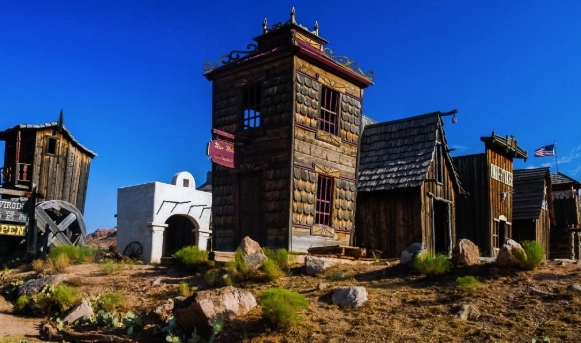
Here's the thing most generic guides miss: Grafton's magic is in its emptiness and authenticity. Unlike some reconstructed "ghost towns," it feels real because it is real. The fences are original, the gravestones tell genuine stories of hardship, and the silence is profound. Your experience hinges entirely on your preparation and timing. Go at high noon in July, and you'll bake. Go at sunset in October, and you'll feel like you've stepped into a living painting.
Quick Navigation: Your Guide to Grafton
- The Layered History (and Ghosts) of Grafton
- Planning Your Visit: Location, Access, and Essentials
- What to See and Explore: A Building-by-Building Guide
- Photography Tips for Capturing Grafton's Essence
- Beyond the Ghost Town: Connecting to Zion and Local History
- Your Grafton Ghost Town Questions Answered
The Layered History (and Ghosts) of Grafton
Grafton's story isn't a simple tale of a town that faded away. It's a cycle of struggle, resilience, and eventual surrender to the harsh Utah landscape. Settled in 1859 as part of the "Cotton Mission," its early years were defined by conflict with the local Paiute people and devastating floods from the Virgin River. The town was actually abandoned once in 1866 after threats during the Black Hawk War, only to be resettled later.
Life was hard. The 1880s census shows a small community of farmers and their families. The schoolhouse, built around 1886, became the heart of the community. But the river kept claiming farmland, and by the early 20th century, most families had given up and moved to the growing town of Rockville. The last residents left in the 1940s.
Then, Hollywood arrived. In 1968, the decaying town was chosen as a filming location for Butch Cassidy and the Sundance Kid. The iconic bicycle scene with Paul Newman and Katharine Ross was filmed right here on the main street. This cinematic immortality likely saved Grafton from complete collapse. Later preservation efforts by the Grafton Heritage Partnership Project have stabilized the buildings, ensuring they stand for future generations.
The "ghosts" here aren't (just) the supernatural kind. It's the ghost of community effort, of children in the schoolhouse, of Sunday sermons in the little church. Walking among the weathered wooden structures, you're walking through the very real, if silent, remnants of pioneer dreams.
Planning Your Visit: Location, Access, and Essentials
Grafton is located just south of Zion National Park, near the town of Rockville, Utah. It's an easy detour for anyone visiting the area, but it requires a bit of forethought. There's no ticket booth, no opening hours, and certainly no gift shop. It's always "open," but your access depends entirely on the condition of the dirt road leading to it.
Key Visitor Information at a Glance
Address & Location: Grafton Ghost Town is located off Bridge Road, south of Rockville, Utah. GPS coordinates are approximately 37.1631° N, 113.0806° W. The turnoff is well-marked from Highway 9.
Admission & Hours: The site is free to visit and accessible 24/7, year-round. However, accessing it requires driving a dirt road, which can become impassable in wet or snowy conditions.
Getting There: From the town of Rockville on Highway 9, turn south onto Bridge Road. Cross the Virgin River bridge and continue for about 1.5 miles on a maintained gravel/dirt road until you see the cluster of historic buildings on your left. Parking is available in a small, unmarked dirt lot near the schoolhouse.
A common mistake first-time visitors make is underestimating the road and the Utah climate. That 1.5-mile stretch of dirt road is usually fine for standard passenger cars when it's dry, but it's often washboarded and dusty. After a rainstorm or during spring melt, it turns into a slippery, muddy challenge that can strand low-clearance vehicles. An SUV or truck is ideal, but a careful driver in a sedan can usually make it in dry conditions. Just take it slow.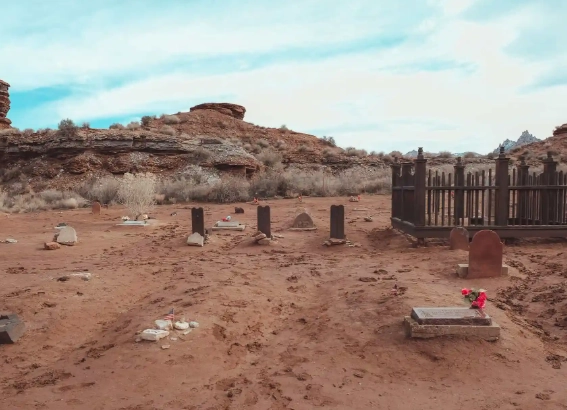
More importantly, there are zero facilities. No restrooms, no water fountains, no trash cans, no shade structures. You must bring everything you need and pack out everything you bring. A hat, sunscreen, and more water than you think you'll need are non-negotiable, especially in summer.
What to Bring: The Non-Negotiable Checklist
- Plenty of Water: Southern Utah is a desert. Dehydration sneaks up fast.
- Sturdy, Closed-Toe Shoes: The area is uneven, with rocks, sagebrush, and potential wildlife (snakes, though rarely seen).
- Sun Protection: Hat, sunglasses, and high-SPF sunscreen. Shade is scarce.
- Camera/Phone: You'll want photos, but also consider downloading an offline map. Cell service can be spotty.
- Snacks: A granola bar or some trail mix can be a lifesaver if you linger.
- Respectful Attitude: This is a historic site, not a playground. Do not climb on structures, remove artifacts, or deface anything.
What to See and Explore: A Building-by-Building Guide
Grafton isn't a sprawling metropolis. Its power lies in its few, perfectly preserved structures. Take your time with each one; read the interpretive signs placed by the Grafton Heritage Partnership Project. They provide crucial context you'd otherwise miss.
>Look for the historic photographs on the interpretive sign nearby. They show the church in use with townspeople gathered outside, which really brings the past to life.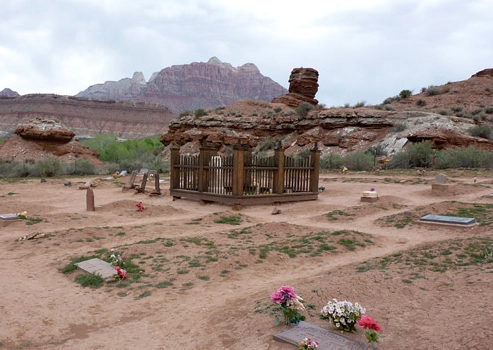
| Building | What You'll See & Historical Significance | Pro-Tip for Visitors |
|---|---|---|
| The Schoolhouse | The most iconic structure. Built around 1886, it served as both a school and a community gathering hall. Notice the bell tower and the sturdy construction. Inside (view through windows), you can sometimes see old desks and a chalkboard, remnants of its past life. | This is the building most featured in Butch Cassidy and the Sundance Kid. Frame your shot with the red cliffs in the background for that classic movie poster feel. |
| The Alonzo H. Russell Home | One of the best-preserved pioneer homes in the area. The Russell family were among the last to leave Grafton. The house gives you a real sense of the scale and simplicity of frontier living. | Look for the original woodwork and the small, separate kitchen building out back—a common feature to prevent house fires. |
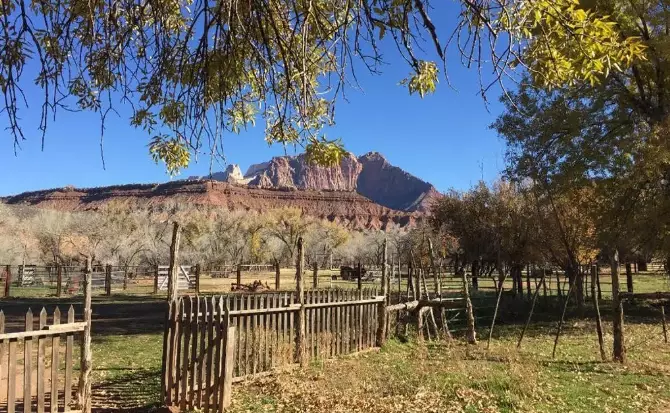
| The John & Ellen Wood Home | Another surviving home, showing a slightly different architectural style. It's more of a shell now but offers great framing opportunities for photographs against the dramatic landscape. | The fence surrounding this property is largely original. It's a perfect, often-overlooked detail that adds to the authenticity of the scene. |
| The Grafton Cemetery | A short walk south of the main cluster of buildings. This is where the history becomes deeply personal. Read the headstones of the Ballard brothers, who died young, and the many infant graves—a stark reminder of the hardships of pioneer life. | Visit respectfully. The cemetery is still maintained by descendants. It's a somber but essential part of understanding Grafton's story. The view of the cliffs from here is spectacular. |
| The Church | A simple, charming white building that served the community's religious needs. Its clean lines and setting make it one of the most photogenic structures in town. |
Beyond the buildings, just wander. Look at the texture of the wood, the way the light hits the cottonwood trees along the (often dry) riverbed, and the overwhelming presence of the cliffs. That's where you'll find the real Grafton.
Photography Tips for Capturing Grafton's Essence
Grafton is a photographer's dream, but capturing its lonely, timeless quality requires more than just pointing and shooting. The single biggest mistake? Visiting in the harsh midday sun. The light flattens everything, and the shadows are brutal. Your photos will look like every other tourist snapshot.
Don't just photograph the buildings head-on. Get creative. Use the old fences as leading lines. Frame the schoolhouse through the window of another building. Capture the textures up close—the rust on a hinge, the peeling paint, the gnarl of a century-old fence post. These details tell the story of time passing.
Include the landscape. The juxtaposition of the tiny, human-scale buildings against the monumental cliffs of Zion is what makes Grafton unique. Step back and use a wide-angle lens (or your phone's wide setting) to get it all in. For a truly iconic shot, position yourself so the schoolhouse is in the foreground with the towering red rock in the background.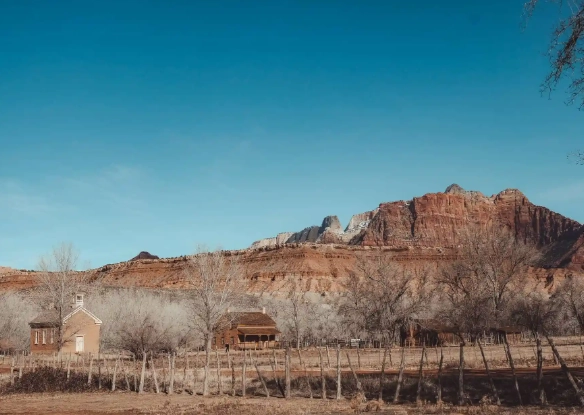
Beyond the Ghost Town: Connecting to Zion and Local History
Grafton doesn't exist in a vacuum. Its story is deeply intertwined with the settlement of the Virgin River valley and the creation of Zion National Park. A visit here is infinitely richer when you connect the dots.
Rockville and Springdale: The nearby towns of Rockville and Springdale (the gateway to Zion) are where many Grafton residents eventually moved. Take a slow drive through Rockville to see historic homes and farms that date from the same era. Springdale offers all the modern amenities—restaurants, lodging, and visitor centers—making it the perfect base camp.
Zion National Park: The breathtaking cliffs that form Grafton's backdrop are the same Navajo Sandstone formations you'll hike among in Zion, just a 15-minute drive north. Visiting Grafton first provides a profound sense of the human history that unfolded in the shadow of these giants before the park was established. It adds a layer of context that most park visitors miss entirely.
Other Historical Sites: The Dixie National Forest's Heritage Sites and the Rockville Pioneer Cemetery offer more glimpses into the lives of the early settlers of Washington County. A little research here turns a quick ghost town stop into a meaningful historical deep-dive.
Your Grafton Ghost Town Questions Answered
Grafton isn't a theme park attraction. There's no gift shop, no guided tour, no soundtrack. Its power lies in its stark, silent reality. You're standing in a place where real people built homes, raised families, and eventually moved on, leaving their story etched in weathered wood and crumbling adobe against an immortal landscape. That palpable connection to a raw, resilient past is what makes a visit to the Grafton Utah ghost town not just a side trip, but a profound and moving experience. Pack your water, respect the silence, and let the ghosts of the Old West tell their story.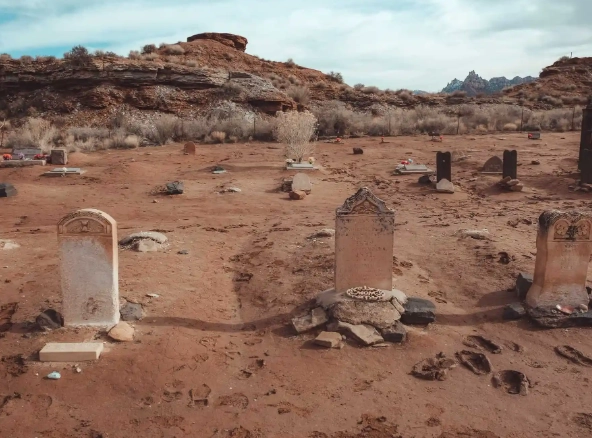
Comments