Your San Carlos Lake Quick Guide
- First Things First: Getting There and the Lay of the Land
- The Million-Dollar Question: What's the Water Level at San Carlos Lake?
- Fishing San Carlos Lake: The Main Event for Most Visitors
- Boating, Camping, and Other Things to Do
- The Challenges and Realities: What Nobody Likes to Talk About
- Answers to the Questions You're Probably Asking (FAQ)
- Making Your Decision: Is San Carlos Lake Right for You?
Let's be honest, when you first hear about San Carlos Lake, AZ, what comes to mind? If you're like me, you probably picture a generic desert reservoir. Maybe you heard it's a good fishing spot, or you saw a photo that looked promising. But there's so much more to it, and also, some things you really need to be prepared for. This isn't your typical, easily accessible recreational lake with a bustling marina and lakeside cafes. Visiting San Carlos Lake is a specific kind of adventure, one that requires a bit more planning and a different set of expectations.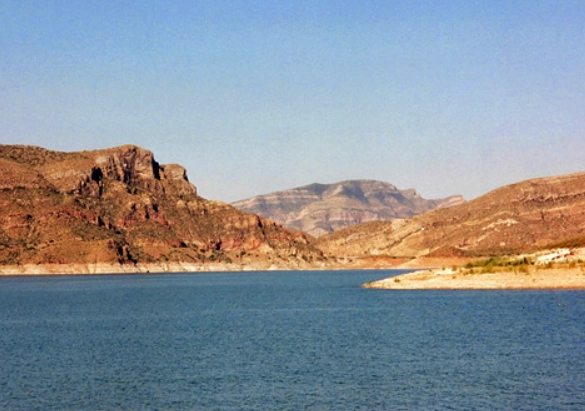
I've been out there a few times over the years, once with perfect conditions and once where the wind nearly blew my hat into the next county. The experience can be wildly different depending on when you go and what the Colorado River upstream has been doing. So, I wanted to put together a guide that goes beyond the basic facts. This is for anyone seriously considering a trip – the angler dreaming of a big catch, the boater looking for open water, or the curious traveler wanting to see a piece of Arizona that most people zoom right past on the highway.
In a nutshell: San Carlos Lake is a massive reservoir on the San Carlos Apache Reservation in southeastern Arizona. It's formed by the Coolidge Dam on the Gila River. Its size is its most famous feature – when full, it's one of the largest lakes in the state. But that "when full" part is the key to the whole story.
First Things First: Getting There and the Lay of the Land
San Carlos Lake isn't exactly on the way to anywhere. It's about 20 miles east of the town of Globe, Arizona, and sits entirely within the boundaries of the San Carlos Apache Reservation. This is crucial to understand because it means you're on tribal land, with its own set of rules and regulations. You can't just show up and do whatever you want.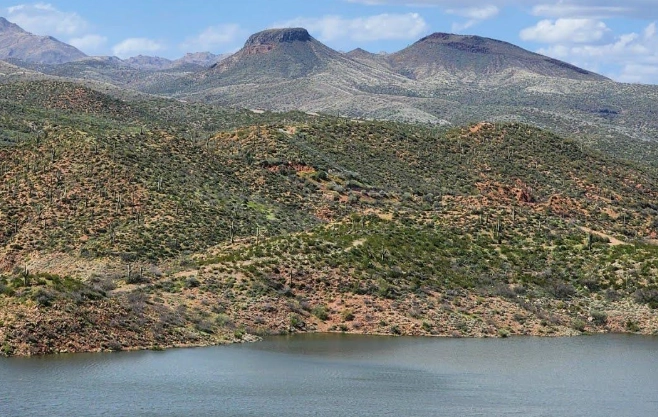
The drive in from Globe gives you a real sense of the landscape. It's classic Arizona high desert – scrub, mesas, and wide-open skies. The lake itself appears almost suddenly. One minute you're on a rolling road, the next, this huge expanse of blue (or brown, or green, depending on water levels) opens up below you. The main access points are at the west end, near the dam. The infrastructure is, let's say, minimal. Don't expect fancy boat ramps or a visitor center. What you'll find are more functional, concrete ramps and basic dirt parking areas.
The remoteness is part of the appeal, but it also means you need to be self-sufficient.
You absolutely must stop at the San Carlos Lake Apache Tribe's Game & Fish Department office, either in San Carlos or sometimes at a checkpoint near the lake, to get your permits. This isn't a suggestion; it's a requirement. You need a tribal fishing permit and a tribal recreation permit for any activity. The fees help support conservation and management on the reservation. Trying to skip this step is a surefire way to get turned around and have a very short, expensive trip.
Key Point: Your Arizona state fishing license does NOT work here. You must purchase the specific permits from the San Carlos Apache Tribe. Always check their official channels for the most current fee schedule and regulations before you go. A good starting point for understanding tribal regulations is the Inter Tribal Council of Arizona website, which links to member nations' resources.
The Million-Dollar Question: What's the Water Level at San Carlos Lake?
This is the single most important factor determining your experience. San Carlos Lake is notorious for its dramatic fluctuations. It's a storage reservoir, first and foremost. Water is released for irrigation, flood control, and other needs downstream. So the lake can look like a paradise one year and a sad, shrinking puddle the next.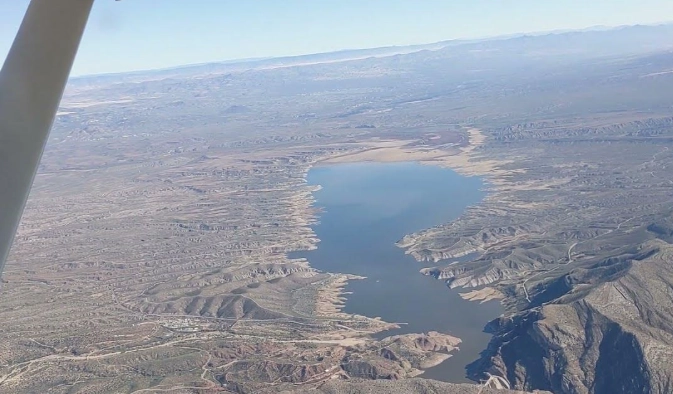
I remember pulling up one spring after a good snowmelt year. The water was high, the coves were full, and it was beautiful. A few years later, I went back, and the main boat ramp was a long, dry concrete slide ending far from the water's edge. It was a stark difference. It affects everything – boat launch accessibility, fish habitat, and even the aesthetics of the place.
So, how do you check? Don't rely on year-old blog posts or forum comments. You need near-real-time data. The best source is the U.S. Bureau of Reclamation, which manages the dam. They have data pages for reservoirs across the West. Look for the "Coolidge Dam" or "San Carlos Lake" page. It will show you the current elevation, storage capacity percentage, and sometimes historical data. A lake at 20% capacity is a very different beast than one at 80%.
What's a "good" level? For comfortable boating and launching, most regulars like to see it above 50% capacity. Below 30%, you might start having issues with ramp usability and water quality. Always call the local marinas or the Tribe's Game & Fish office for a ground-level report before making a long drive.
Why Does the Water Level Change So Much?
It boils down to its purpose and the climate. The Gila River watershed it sits on is highly variable. Years of drought mean less inflow. And when water is needed for agriculture in the valleys below, it gets released. There's not a big focus on keeping it full for recreation, which is something you have to accept when visiting a working reservoir like San Carlos Lake, AZ.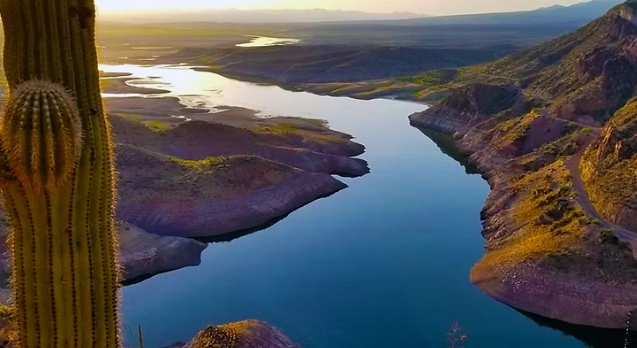
Fishing San Carlos Lake: The Main Event for Most Visitors
If people know one thing about San Carlos Lake, it's the fishing. And for good reason. When conditions are right, it can be phenomenal. The lake is known for its population of largemouth and smallmouth bass, crappie, catfish (channel and flathead), and sunfish. It's also been stocked with walleye over the years, which adds an exciting twist for Arizona anglers.
The fishing, however, is directly tied to the water level. High, stable water spreads the fish out into flooded brush and creates great habitat. Low, falling water concentrates them, which can make them easier to find but also more stressed and sometimes harder to catch. The clarity can also swing from relatively clear to stained or even muddy after rains.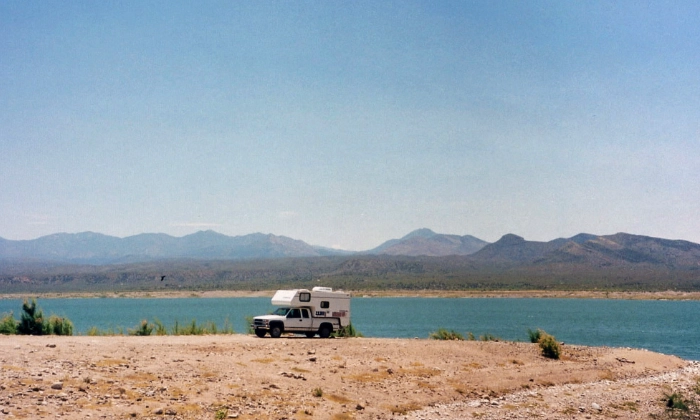
My best day out there was for crappie. We found a submerged stand of old trees in a back cove when the lake was high. It was non-stop action for a few hours. But I've also spent full days casting for bass without much to show for it. The locals who fish it regularly have a huge advantage because they know how the fish relocate with the changing water.
Here’s a quick breakdown of what you might target:
| Fish Species | Best Time of Year | Common Techniques & Locations | Notes |
|---|---|---|---|
| Largemouth Bass | Spring (pre-spawn/spawn) & Fall | Jigs, plastic worms, crankbaits around structure, points, and flooded vegetation. | The lake's premier gamefish. Size can be very good. |
| Smallmouth Bass | Spring & Fall | Tube jigs, jerkbaits, drop shots on rocky points and main lake structure. | Often found in deeper, rockier areas than largemouth. |
| Crappie | Spring (spawning) & early Summer | Small jigs or minnows around brush piles, submerged trees, and docks. | Can provide fast action when located. Excellent eating. |
| Channel & Flathead Catfish | Summer nights | Cut bait, stink bait, or live bait fished on the bottom in coves and river channels. | Night fishing can be very productive during hot summer months. |
| Walleye | Spring & Fall | Crawler harnesses, jigs, or crankbaits trolled or cast along points and drop-offs. | A prized catch. Less predictable than other species. |
Local knowledge is gold. If you're serious, consider hiring a guide for your first trip. They know the current patterns, the productive areas for the existing water level, and can navigate the lake safely. Also, the Arizona Game and Fish Department occasionally surveys the fishery, and their reports can give you a scientific snapshot of the population health.
Boating, Camping, and Other Things to Do
Fishing might be king, but it's not the only activity. Boating is popular, but again, with caveats. The lake is huge and can get very windy, especially in the afternoon. Those winds can whip up significant waves on the open water, making it rough for smaller boats. If you're bringing your own boat, make sure it's capable, and always check the weather. There are no full-service marinas, just basic launch ramps. You must bring all your own fuel, oil, and supplies.
What about camping? This is a big one. Primitive shoreline camping is typically allowed in designated areas. This isn't a campground with numbered sites, picnic tables, and fire rings. You find a spot, pull off, and set up. It's dispersed camping. This means you pack out EVERYTHING you bring in. There are no trash services, no restrooms, no water hookups. You need to be prepared for complete self-reliance. The upside? Incredible solitude and starry nights you won't forget.
The silence out there at night is almost profound.
Other activities are more limited. There's not much in the way of developed hiking trails around the immediate shoreline. Wildlife viewing, however, can be excellent. You might see deer, javelina, a variety of birds of prey, and all sorts of desert creatures. It's a photographer's dream at sunrise and sunset.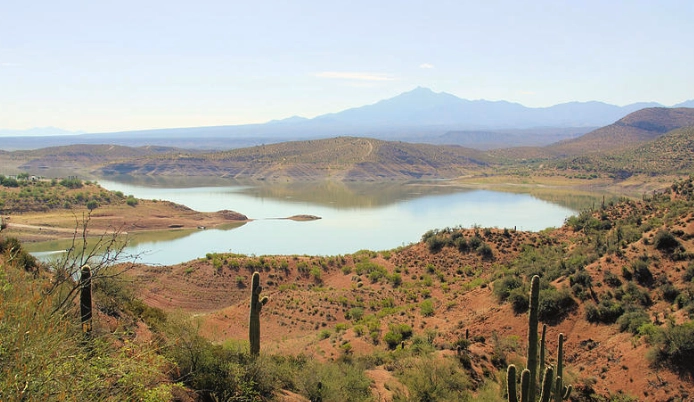
The Challenges and Realities: What Nobody Likes to Talk About
Okay, time for some real talk. To write a complete guide to San Carlos Lake, AZ, I have to mention the not-so-great parts. Ignoring them sets visitors up for disappointment.
First, the wind. I can't stress this enough. It often starts calm in the morning and howls by early afternoon. If you're in a small jon boat or a kayak, you need to have a plan and keep a very close eye on the sky and water.
Second, the litter. Sadly, like many remote recreation spots, some people don't clean up after themselves. You might find trash in popular shoreline areas. It's a shame. Always do your part and leave it cleaner than you found it.
Third, the water quality fluctuations. When the lake is low and warm, algae blooms can happen. The water might not always be that crystal-clear, inviting blue you see in promotional photos. It can be murky or have a green tint. It's generally safe for activities, but it's something to be aware of, especially if you have sensitive skin.
Finally, the sheer remoteness means services are far away. If you forget something, break down, or have an emergency, help is not around the corner. Cell service is spotty at best. A satellite communicator or PLB is not a bad idea for serious boaters or campers going deep into the coves.
The Takeaway: San Carlos Lake rewards the prepared and punishes the careless. Your enjoyment is directly proportional to the amount of research and planning you do beforehand, especially regarding permits, water levels, and weather.
Answers to the Questions You're Probably Asking (FAQ)
Let's tackle some of the specific things people type into Google about this place.
Do I need a permit to fish at San Carlos Lake?
Yes, 100%. You need both a San Carlos Apache Tribe fishing permit and a recreation permit. You can get these from the Tribe's Game & Fish Department. Your Arizona state license is invalid here.
Can I swim in San Carlos Lake?
Technically, yes, there's no law against it. But practically? I wouldn't make it a primary activity. There are no designated swim beaches or lifeguards. The shoreline can be rocky or muddy, the water depth changes abruptly, and water quality can vary. It's not like heading to a swimming hole. If you do swim, exercise extreme caution.
Are there any stores or gas stations at the lake?
No. The last place for supplies, gas, ice, and bait is in Globe or the community of San Carlos. Fill up your truck and your boat gas cans before you head out to the lake.
What's the best time of year to visit San Carlos Lake?
Spring (March-May) and Fall (September-October) are generally ideal. The weather is mild, the fishing is often good, and the winds can be less fierce than in summer. Summer is brutally hot, but early morning and night fishing for catfish can be productive. Winters are mild but can be chilly, especially on the water.
Is there a fee to launch my boat?
The launch fee is usually included in your tribal recreation permit. Always display your permit as instructed.
Can I rent a boat at San Carlos Lake?
As of my last knowledge update, there are no consistent, on-lake boat rental services. This can change, so a call to the local tribal office is your best bet. Most people bring their own.
Making Your Decision: Is San Carlos Lake Right for You?
So, after all this, should you go? It depends on what you're looking for.
Go to San Carlos Lake if: You're an experienced angler or boater who doesn't mind rustic conditions. You value solitude and wide-open spaces over amenities. You're willing to do the homework on permits and water levels. You're self-sufficient and follow leave-no-trace principles.
Maybe look elsewhere if: You want a family-friendly lake with playgrounds, sandy beaches, and a concession stand. You prefer guaranteed easy boat launching and calm waters. You're not comfortable with remote, self-reliant travel. You're looking for a hassle-free, plug-and-play weekend getaway.
For the right person, a trip to San Carlos Lake, Arizona, is an authentic Arizona adventure. It's raw, real, and unpolished. The fishing can be legendary, the scenery is starkly beautiful, and you'll feel a million miles from the crowds at more popular lakes. Just go in with your eyes open, your permits in hand, and a healthy respect for the desert and the water. That's the key to unlocking what makes this place special.
One last piece of advice? Talk to the folks at the tribal Game & Fish office. They're the true experts on the current conditions of San Carlos Lake, AZ. They see it every day and usually appreciate visitors who show respect by asking questions and following the rules. That human connection might just be the best tip you get.
Comments