Let's be honest. When you picture the Grand Canyon's South Rim, you think of Mather Point swarmed with people, or the historic Desert View Watchtower. Most itineraries send you there. But tucked away on Desert View Drive, just a stone's throw from the famous watchtower, is Navajo Point. It's the highest point on the South Rim at 7,498 feet, and in my two decades of exploring this park, it consistently delivers what many travelers secretly want: a profound, quiet moment with the canyon, without fighting for a spot at the railing.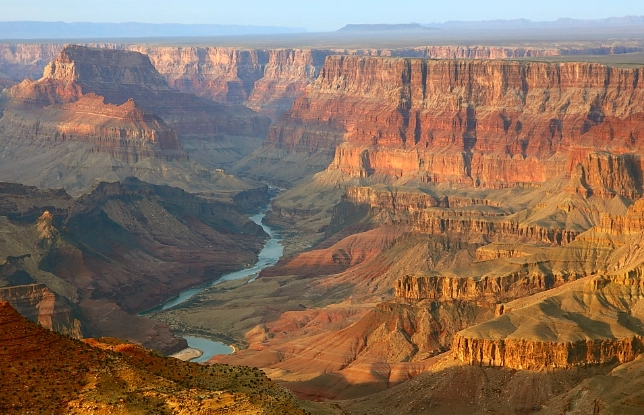
The first time I pulled over here on a whim, I was stunned. The parking lot had three cars. The wind was the loudest sound. And the view... it wasn't just a slice of the canyon. It was a sweeping, 270-degree panorama that made the Colorado River feel close enough to touch, winding through the depths below. This isn't a secondary viewpoint. It's a primary experience that most people drive right past.
What's Inside This Guide
Why Navajo Point Stands Out
You get two major things here that are harder to find at other South Rim stops: solitude and scope.
The solitude comes from its positioning. It's the last major viewpoint before you exit the park east toward Cameron, so many tour buses and rushed visitors skip it. The scope is geographic. From the main viewing area, you look almost directly east down the Colorado River as it makes a dramatic bend. You can see the Desert View Watchtower to your left (east), the Palisades of the Desert stretching forward, and a vast section of the inner canyon unfolding to the right (west).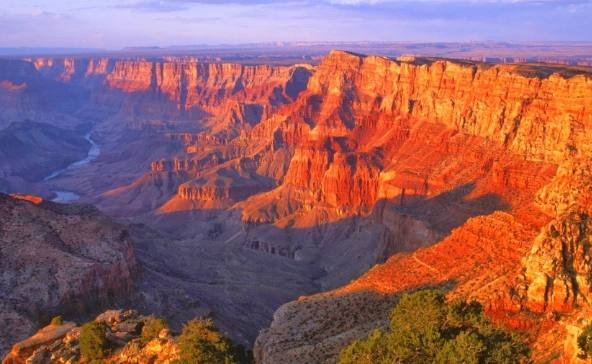
It offers a unique, top-down perspective on the river itself. At popular points like Mather, the river is a distant thread. Here, you feel perched directly above its course.
Planning Your Visit: The Nitty-Gritty Details
Navajo Point Fast Facts
Location: Grand Canyon National Park (South Rim), on Desert View Drive (AZ-64), approximately 1 mile west of the Desert View Watchtower and 30 miles east of Grand Canyon Village.
Admission: Access is included with your Grand Canyon National Park entrance fee. No additional ticket is required. (Park pass: $35/vehicle, valid 7 days).
Open Hours: 24/7, year-round, as it's an outdoor viewpoint along a park road. However, Desert View Drive is subject to weather-related closures in winter.
Facilities: There are no restrooms, water, or food vendors at Navajo Point itself. The nearest facilities are at the Desert View Visitor Center (1 mile east).
Best Time to Visit: Sunrise (for epic light and likely solitude) or late afternoon. Midday sun flattens the canyon's depth.
You don't need to budget extra money for Navajo Point, but you do need to budget extra time. The drive from Grand Canyon Village is about 45 minutes to an hour one-way. This is why many skip it. They're wrong. This eastern section of the park, with stops at Grandview Point and Desert View along the way, is arguably the most dramatic part of the South Rim.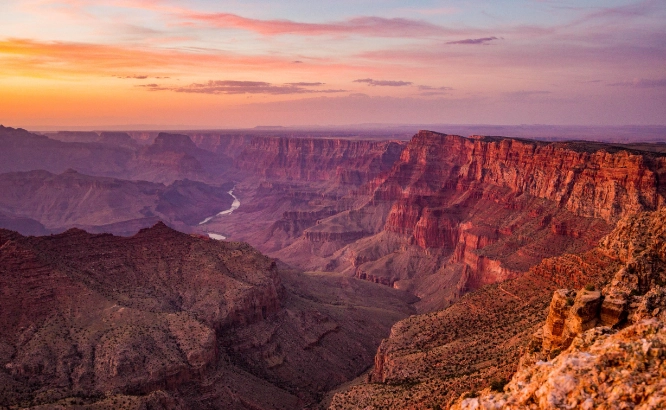
Pack like you're going on a short hike: water, sunscreen, a wide-brimmed hat, and layers. The wind here is no joke—it's often significantly stronger than in the village area. A jacket, even in summer, is a wise move.
How to Get to Navajo Point: Directions and Transportation
You have two main options: drive yourself or take the park shuttle.
By Car: This is the most flexible option. From Grand Canyon Village, follow the signs for Desert View Drive (East Rim Drive). It's a scenic 25-mile road. Navajo Point will be clearly signed on your right (south) as you approach Desert View. There's a decent-sized parking lot. Pro tip: If the main lot looks full, there's often overflow parking just a bit further west along the road.
By Park Shuttle: The Desert View (Purple) Route shuttle runs seasonally (typically May to September). It's a hop-on, hop-off service that includes stops at Yaki Point, Grandview Point, Moran Point, and Navajo Point before terminating at Desert View. Check the current year's National Park Service transportation page for exact schedules. The shuttle is free and eliminates parking hassle, but it locks you into a schedule and can be crowded.
The Navajo Point vs. Desert View Decision
Don't choose. Do both. They're less than 5 minutes apart by car. Park at the large Desert View lot, see the watchtower, use the facilities, then drive or even walk the Rim Trail segment (about 1 mile of easy, flat walking) over to Navajo Point for a quieter experience. This one-two punch gives you the iconic architecture and the pristine nature view.
Navajo Point Photography: Capturing the Perfect Shot
This place is a photographer's dream, but you have to know where to stand.
The Sunrise Shot: Arrive at least 30 minutes before official sunrise. Set up at the eastern edge of the viewpoint. The sun will crest over the horizon behind the Desert View Watchtower, bathing the canyon layers in red and gold. Use a wide-angle lens (16-35mm full-frame equivalent) to capture the sweep.
The River Detail Shot: Bring a telephoto lens (70-200mm or longer). From Navajo Point, you can get clear, compelling shots of the Colorado River's green water contrasting with the red rocks. Look for the little rapids.
The Panorama: The 270-degree view begs for a stitched panorama. Shoot in portrait orientation, overlap your shots by 30%, and use a tripod if possible (the wind is your enemy here).
My non-consensus tip? After sunrise, don't pack up. Turn around. The warm light will be hitting the buttes and temples to the west, like the iconic Comanche Point, with a beautiful sidelight you won't get later in the day.
Essential Safety and Etiquette Considerations
The number one rule: Stay on designated trails and behind railings. The rock is crumbly sandstone, and edges can be undercut. Every year, people get hurt or worse by going past barriers for a photo.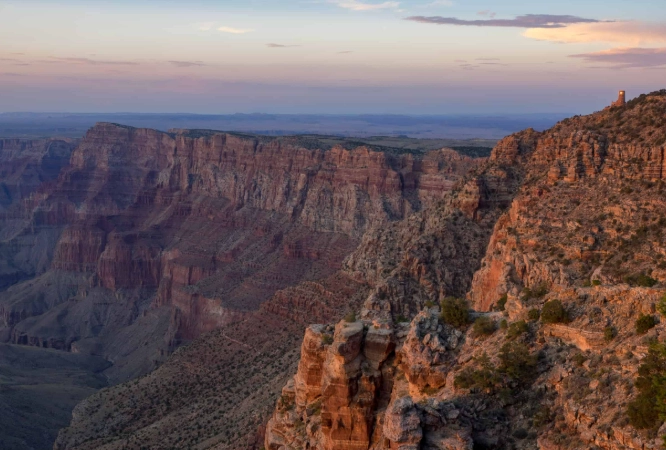
The wind is a constant factor. It can easily knock over a lightweight tripod or snatch a hat off your head. Secure your gear. Hold onto your kids' hands.
This is a place of quiet. Keep voices down. Let the natural soundscape dominate. If you're with a group, be mindful that others are here for the peace.
There are no trash cans. Pack out everything you pack in.
The Local's Edge: Tips You Won't Find on the Park Map
- The Secret Second View: Everyone clusters at the main paved overlook. Walk about 150 yards west along the Rim Trail toward Desert View. You'll find a smaller, unpaved pull-out with a different, more intimate angle on the river bend. Often completely empty.
- Beat the Tour Buses: Tour buses start arriving at Desert View between 10:30 AM and 2 PM. If you're at Navajo Point before 10 AM, you'll miss almost all of them.
- Combine with a Picnic: Bring a lunch. There are no picnic tables at Navajo Point, but there are plenty of flat, sandy spots just back from the rim under the pinyon pines. It's a far more memorable meal than anything in the village.
- Watch the Weather: Storms roll in fast. If you see dark clouds building, especially from the southwest, head back to your car. Lightning at the rim is no joke, and there's zero shelter.
Navajo Point isn't just another checkbox on the Grand Canyon list. It's a reminder of what the park is supposed to feel like. It requires a little more effort to reach, but that effort filters out the crowds and pays you back with a deeper, more personal connection to one of the world's great wonders. Skip the souvenir shop and spend that extra hour here. You won't regret it.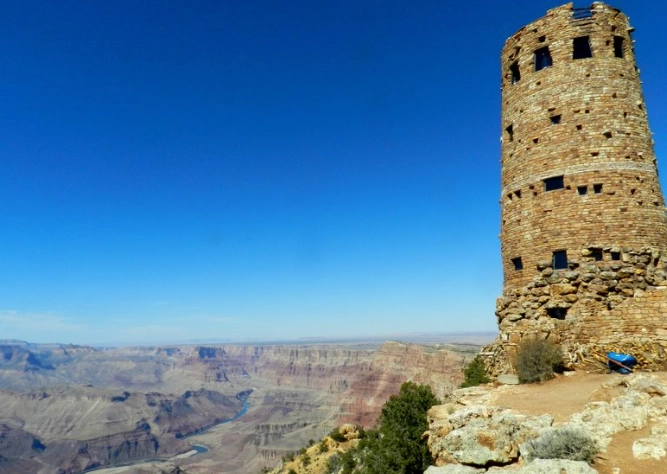
Comments