You hear the name, and a bunch of images probably pop into your head instantly. Sleek, low-slung houses with big windows against a mountain backdrop. Bright blue pools under an even brighter sun. Maybe a vintage convertible cruising down a palm-lined street. It's a place that feels both retro and timelessly cool. But if someone asked you to explain exactly why Palm Springs is so famous, could you give a full answer beyond "the vibe"? I wasn't sure I could, so I dug in. Turns out, its fame isn't an accident—it's a perfect, decades-long cocktail of geography, history, architecture, and pure star power.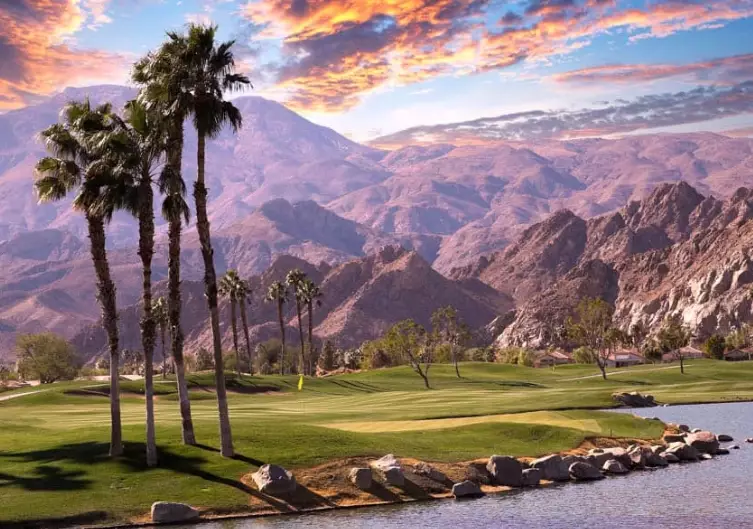
Let's get one thing straight from the start: Palm Springs isn't famous for just one thing. Trying to pin it down to a single reason is like saying pizza is only famous for the cheese. You're missing the crust, the sauce, the toppings—the whole delicious package. Its reputation is a layered cake, and each layer is pretty compelling on its own.
The Foundation: Sun, Sand, and a Hollywood Escape
Rewind the clock. Before the Instagram influencers and the festival crowds, there was a simple, powerful draw: the weather. The Coachella Valley, where Palm Springs sits, boasts over 350 days of sunshine a year. For folks in smoggy, rainy, or just plain busy cities (looking at you, Los Angeles), this was paradise found, and it was only about a two-hour drive away. That proximity to Hollywood was the magic ingredient.
In the 1920s and 30s, studio contracts often had strict "morality clauses" and required stars to stay within a two-hour radius of the studio in case of reshoots. Palm Springs fit the bill perfectly. It became the ultimate weekend bolt-hole for movie stars like Frank Sinatra, Bob Hope, and Lucille Ball. They built homes, played golf, and partied away from the prying eyes of the L.A. press. This cemented its first major claim to fame: the playground of the stars. You can still feel that old-Hollywood glamour in places like the Parker Palm Springs hotel or by taking one of the many celebrity home tours.
That starry legacy is the bedrock. But it's just chapter one.
The Architectural Masterstroke: Mid-Century Modern Mecca
This, for me, is the heart of the answer to "why are Palm Springs so famous." When those stars and wealthy industrialists started building vacation homes, they didn't want stuffy, traditional East Coast mansions. They wanted something new, fresh, and suited to the desert. Enter a group of visionary architects—Richard Neutra, Donald Wexler, and John Lautner, to name a few.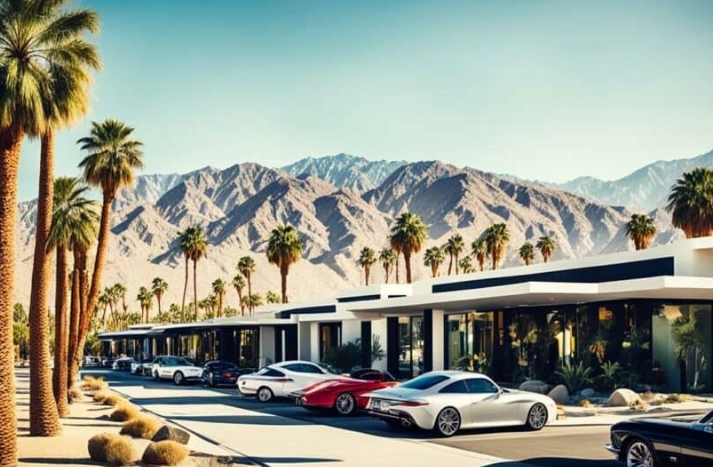
They pioneered what we now call Desert Modernism, a branch of mid-century modern architecture. Think clean lines, flat planes, massive walls of glass blurring the line between inside and out, and innovative use of materials like steel and local stone. The homes were functional art pieces designed for indoor-outdoor living, perfect for the climate. The style wasn't just for houses; it defined motels, banks, and even gas stations.
The city actively protects this heritage. Organizations like the Palm Springs Modern Committee work to preserve these landmarks. And every February, Modernism Week turns the entire city into a celebration of this design ethos with home tours, lectures, and parties. It's a major draw for design buffs worldwide. Honestly, even if you don't know a cantilever from a carport, you can't help but be impressed by the sheer coolness of it all. It’s a visual identity so strong it defines the place.
Iconic Pools and Backyard Culture
The architecture wasn't just about the house—it was about the lifestyle it enabled. And at the center of that lifestyle was the swimming pool. The backyard, with its kidney-shaped or geometric pool, became the focal point for entertaining. This cemented the image of Palm Springs as a place of leisure, sunbathing, and cocktail parties by the water. That iconic pool culture is still a huge part of its appeal. Many hotels are designed around stunning poolscapes, making a day spent poolside a quintessential Palm Springs activity.
| Feature | Why It Mattered Then | Why It's Still Famous Now |
|---|---|---|
| Wall-to-Wall Glass | Brought the stunning desert and mountain views inside, connected with nature. | Creates iconic, photogenic interiors flooded with natural light (perfect for Instagram). |
| Flat & Butterfly Roofs | Modern, sleek aesthetic; different from pitched roofs elsewhere. | Defines the iconic skyline and silhouette of Palm Springs homes. |
| Open Floor Plans | Facilitated the casual, indoor-outdoor entertaining lifestyle. | Feels spacious and modern, highly desirable for vacation rentals and living. |
| The Backyard Pool | Centerpiece of leisure and social life in the dry heat. | Symbol of the resort lifestyle; a must-have for many visitors and residents. |
Beyond the City Limits: The Natural Draw
You can't talk about why Palm Springs is famous without looking up. The San Jacinto Mountains tower over the city, creating a dramatic, picture-postcard backdrop. And you can get right up into them via the Palm Springs Aerial Tramway. In about ten minutes, the rotating tramcar whisks you from the desert floor up to over 8,500 feet. The temperature can drop 30-40 degrees. Suddenly, you're in a pine forest with hiking trails and snow in the winter. It's one of the most unique geographical transitions you can experience anywhere, and it’s a huge part of the area's allure.
Then there's the desert itself. Joshua Tree National Park is just an hour's drive away, offering a completely different, raw and rugged landscape of twisted trees and giant boulders. The proximity to both alpine and desert parks makes Palm Springs an incredible base for nature lovers. You can hike a mountain trail in the morning and be wandering a cactus garden in the afternoon.
The Vibe: Festivals, Food, and Endless Relaxation
Fame needs to be maintained, and Palm Springs has evolved its cultural offerings beautifully. It's not just resting on its mid-century laurels.
Let's talk events. Coachella Valley Music and Arts Festival and Stagecoach, while technically in Indio, have supercharged the region's international profile every spring. For two months, the desert is the epicenter of music and fashion. Palm Springs itself hosts its own brilliant events. Modernism Week, as mentioned, is a design pilgrimage. The Palm Springs International Film Festival attracts major stars and cinephiles. There's an LGBTQ+ pride celebration that is one of the largest in the nation, reflecting the city's long-standing status as a welcoming, inclusive haven. This calendar creates a constant buzz.
The dining and shopping scene has matured too. You're not just stuck with dated steakhouse fare. You'll find fantastic farm-to-table restaurants, trendy brunch spots with killer patios, and a revival of classic tiki bars. Shopping ranges from high-end vintage furniture stores (naturally) to chic boutiques on Palm Canyon Drive.
So, is it all perfect? Well, no.
Let's be real. That blazing sun I praised? In peak summer (July-August), it's brutal. Temperatures soar well above 100°F (38°C+). Many locals who can afford to leave do. Some shops and restaurants have shorter hours or close for seasonal maintenance. If you're not a heat-seeker, it's the wrong time to visit. Also, parts of the downtown area can feel a bit... curated. Some of the old, quirky charm has given way to polished trendiness, which isn't everyone's cup of tea. And during major events, prices skyrocket and everything gets crowded.
Answering Your Questions: The Palm Springs FAQ
When you're wondering why Palm Springs is so famous, a few specific questions always come up. Let's tackle them head-on.
Is Palm Springs just for older, retired people?
That's a classic, and frankly, outdated stereotype. While it's true the area has many retirees (the climate is kind to joints), the demographic has exploded. You've got design-loving millennials on bachelorette trips, LGBTQ+ travelers enjoying the welcoming atmosphere, families at the water parks, hikers using it as a base camp, and music fans in for festival season. The crowd entirely depends on when you go and what you're doing.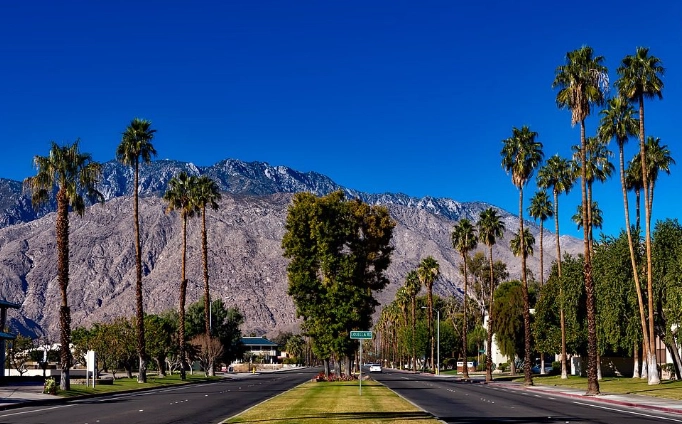
What's the best time of year to visit?
Most people agree the sweet spot is October to May. The weather is genuinely perfect—warm, sunny days and cool evenings. This is also when everything is open and most events happen. But be prepared for higher prices. Summer is the value season, but you must be strategic: plan for pool-and-AC-based activities, early morning hikes, and evening outings. I went once in late June. The heat was no joke, but having a resort pool to ourselves all afternoon was pretty fantastic.
Do I need to rent a car?
This is a practical one. While downtown is fairly walkable and there are ride-share services, to really experience why Palm Springs is famous—to see the iconic houses scattered across the neighborhoods, to get to the Tramway, to explore nearby areas—having a car is a huge advantage. The city is spread out in that classic Southern California way. A convertible, while cliché, is honestly a fun choice for the vibe.
Is it expensive?
It can be, but it doesn't have to break the bank. Luxury resorts and high-end design hotels are world-class and priced accordingly. However, there's also a fantastic array of renovated mid-century motels that offer style and a pool at a much more accessible price point. You can splurge on a famous restaurant one night and find amazing tacos or a great burger the next. It's about balance.
The Final Take: What's the Real Secret?
After all this, if I had to distill it down, I'd say Palm Springs is famous because it successfully sells a feeling—a feeling of relaxed, stylish escape. It took its natural gifts (sun, scenery, hot springs) and layered on a heavy dose of 20th-century glamour and design genius. Then, instead of becoming a time capsule, it kept evolving, adding great food, inclusive culture, and major events.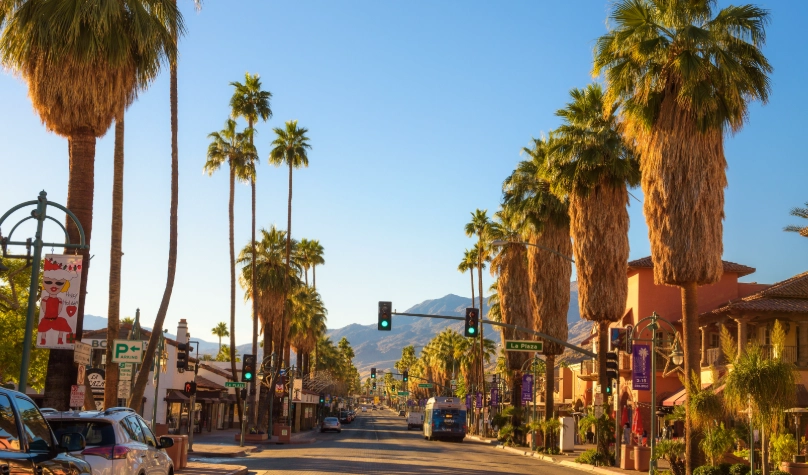
It answers a few basic human desires pretty perfectly: the desire for sunshine and vitamin D, the desire to be in a place that feels aesthetically pleasing and cool, the desire for both activity (hiking, shopping, festivals) and utter relaxation (by a pool, in a spa). It packages the retro and the contemporary in a way that feels cohesive.
So, why are Palm Springs so famous? Because it built a unique, multi-faceted identity and has managed to protect it while letting it grow. It's not just a beach, not just a mountain town, not just a design museum, not just a festival grounds. It's a little bit of all those things, blended into something that’s distinctly, iconically, Palm Springs. Whether you go for the architecture, the hiking, the poolside lounging, or the history, you end up understanding the hype. You might even find yourself, like so many before you, dreaming of a little place with a pool and a mountain view.
Comments