Quick Guide
Let's talk about hitting the open road with your home on wheels, heading into landscapes that look like they're from another planet. That's the pull of New Mexico. The idea of finding national parks in New Mexico with RV camping spots isn't just about a place to park for the night. It's your ticket to waking up to desert sunrises, hiking among ancient lava flows, and stargazing under some of the darkest skies in the country. But here's the thing—figuring out the where and the how can feel like a puzzle. Which parks actually accommodate RVs? What are the sites really like? Do you need to book a year in advance?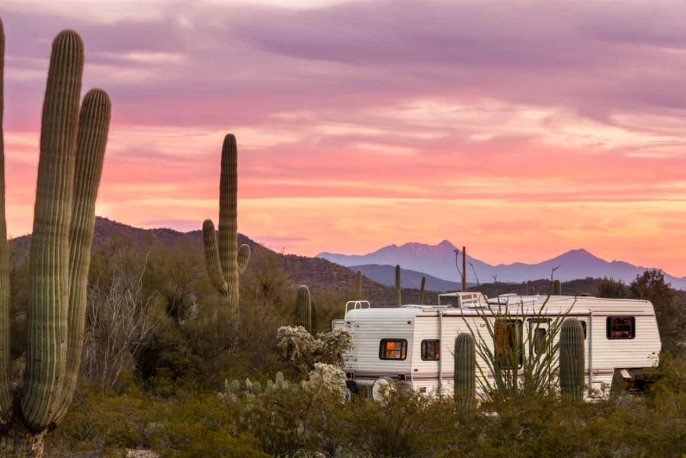
I've been there, scrolling through forum posts and vague park websites, trying to decode if my 32-footer would fit. It's frustrating. This guide is the result of that research, some trial and error, and conversations with other RVers who've navigated these parks. We're going to cut through the confusion. We'll look at the two main national parks that offer real RV camping options, explore some fantastic alternatives managed by other agencies that feel just as majestic, and arm you with the practical know-how to make your trip smooth. Because planning your RV camping in New Mexico's national parks should be exciting, not stressful.
The Main Event: RV Camping at New Mexico's National Parks
Alright, let's get into the specifics. If your heart is set on parking your RV within the boundaries of a classic, big-name National Park Service unit, these are your primary destinations. The experience at each is profoundly different—one is deep underground, the other is a sea of white sand.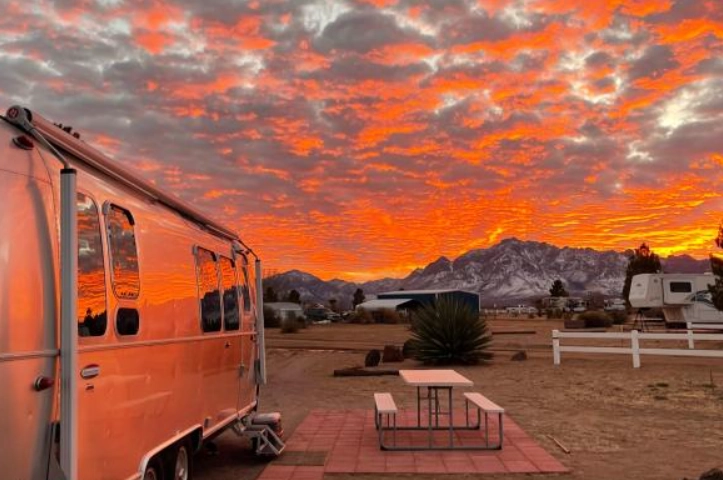
Carlsbad Caverns National Park: Underground Wonders & Surface Camping
Carlsbad Caverns is the heavyweight. You come for the mind-blowing caves, but you'll sleep on the surface in the Chihuahuan Desert. The park's sole campground, the Carlsbad Caverns Campground, is your basecamp. It's a no-frills, first-come, first-served situation that makes planning for RV camping in New Mexico's national parks an exercise in flexibility.
The sites are paved and reasonably level, which is a blessing. They can accommodate RVs up to about 62 feet in length, so even big rigs have a shot. But here's the catch everyone talks about: there are no hookups. No water, no sewer, no electrical connections. You're dry camping. The campground does have a dump station and potable water fill spigots, which is crucial. Restrooms are available, but no shower facilities.
Why choose it? The unbeatable proximity. You can walk to the visitor center and the cave entrance. Watching the bats swirl out of the natural entrance at dusk is an experience you can't get if you're staying 20 miles away. For self-contained RVs, it's the perfect, convenient base for exploring the caverns over a couple of days. It embodies the classic, rustic national park camping vibe.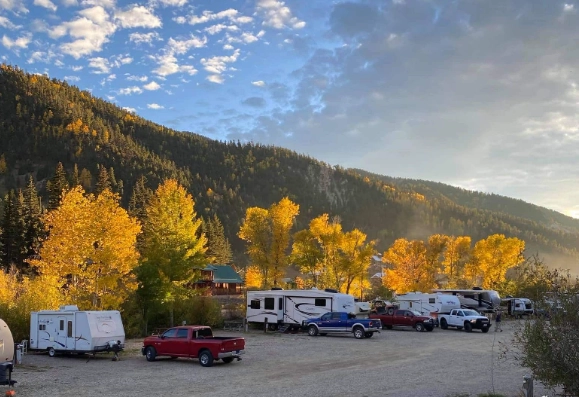
Pro tip: The National Park Service website for Carlsbad Caverns camping is your best friend for current status (like if the dump station is operational) and exact fees.
White Sands National Park: Gypsum Dunes and Limited RV Stays
White Sands is a surreal, beautiful place. Driving into the endless white dunes feels like landing on the moon. For RV camping, the option here is even more basic than Carlsbad. The park has a small, primitive campground called Backcountry Camping.
Let's be clear: this is not a traditional RV park. You cannot drive your RV to a numbered site. The campground is a hike-in area. However, they do have a small, designated RV parking area near the campground trailhead where you can leave your vehicle overnight if you have a backcountry permit. This means you can use your RV as a base, but you'll be sleeping either in a tent out in the dunes (which is incredible) or, if your RV is small enough and you're clever, perhaps in a camper van or very small Class B that you don't mind leaving in the lot.
So why consider it? For the unique adventure. Spending a night in the heart of the dunes is magical. The sunset and sunrise are unforgettable. You can park your RV securely, pack a backpack, and hike a mile to your assigned dune site. It's a hybrid RV/tenting experience that's truly unique to White Sands.
You must reserve a backcountry permit in advance via Recreation.gov. They sell out fast, especially for weekends.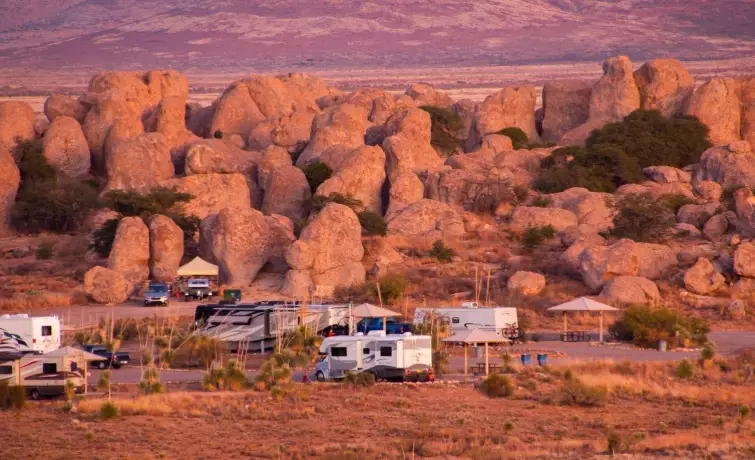
Beyond the "Parks": Premier RV Camping in National Preserves & Monuments
This is where the magic really happens for RVers in New Mexico. Some of the most stunning landscapes and best-managed campgrounds fall under different NPS designations or other federal agencies. Ignoring these means missing out on the best of the state.
Valles Caldera National Preserve: A Mountain Gem
Formerly a private ranch, Valles Caldera is a massive volcanic crater with sprawling meadows, elk herds, and trout streams. It's jaw-dropping. For RVers, the Jemez Falls Campground is the key access point. Technically, it's in the adjacent Santa Fe National Forest, but it's the primary gateway for exploring the Preserve.
The campground is wooded, cool (a relief in summer), and sits near a beautiful waterfall. Sites can accommodate larger RVs (check specific site length on Recreation.gov). Again, no hookups, but there is potable water and vault toilets. The experience is classic forest camping with direct access to one of New Mexico's most unique geological wonders. You're not *in* the caldera, but you're at its doorstep, with endless hiking and fishing opportunities.
Bandelier National Monument: Cliff Dwellings and Canyon Views
Bandelier protects ancient Pueblo cliff dwellings carved into soft canyon walls. The main Juniper Campground is excellent for RVs. While also dry camping (noticing a theme?), the sites are spacious, some with fantastic canyon views. The maximum RV length is around 45 feet for certain sites.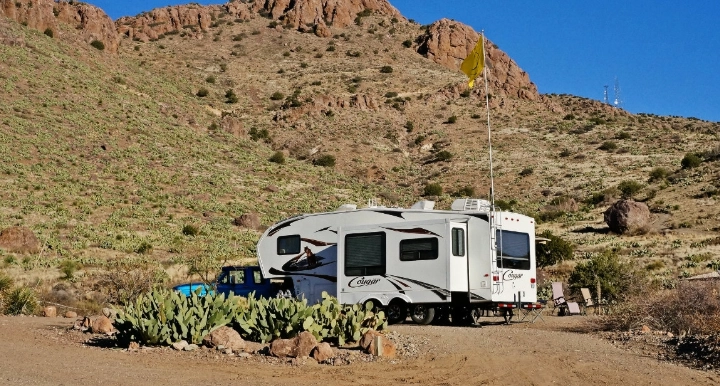
The huge advantage here is location. You're a short shuttle bus ride from the main visitor center and the start of the cliff dwelling trails. The campground often has availability when more famous parks are booked solid. It's a serene, beautiful place to stay while immersing yourself in human history.
El Malpais & El Morro National Monuments: The Free Alternative
These two monuments, managed jointly, offer a fantastic and often overlooked option: free, dispersed RV camping on adjacent Bureau of Land Management (BLM) and National Forest land. The Joe Skeen Campground at El Malpais is a developed, no-fee site with gravel pads and vault toilets—no hookups, of course. It's first-come, first-served.
This area is for the self-sufficient RVer who values solitude and rugged beauty (ancient lava flows, sandstone bluffs) over amenities. You won't find a more budget-friendly way to experience a national monument. Check details on the NPS page for El Malpais camping.
So, you've got options. But how do they stack up side-by-side? Let's break it down in a way that makes choosing easier.
| Park/Unit | Campground Name | Max RV Size (Approx.) | Hookups? | Reservations | Best For |
|---|---|---|---|---|---|
| Carlsbad Caverns NP | Carlsbad Caverns Campground | 62 ft | No (Dry) | First-Come, First-Served | Cave explorers, self-contained rigs, proximity seekers. |
| White Sands NP | Backcountry Camping (RV Parking) | N/A (Parking Lot) | No | Yes (Recreation.gov) | Adventurers willing to tent camp in dunes after parking RV. |
| Valles Caldera NP (via Santa Fe NF) | Jemez Falls Campground | Varies by site (check) | No (Dry) | Yes (Recreation.gov) | Mountain scenery, cool temps, fishing, and hiking. |
| Bandelier NM | Juniper Campground | 45 ft (some sites) | No (Dry) | Yes (Recreation.gov) | History buffs, family-friendly hiking, scenic canyon stays. |
| El Malpais NM | Joe Skeen Campground | Medium-sized RVs | No (Dry) | First-Come, First-Served | Budget travelers, solitude, lava field exploration. |
See the pattern?
Finding national parks in New Mexico with RV camping largely means embracing the dry camping lifestyle. It's not for everyone, but it's the price of admission for these incredible locations.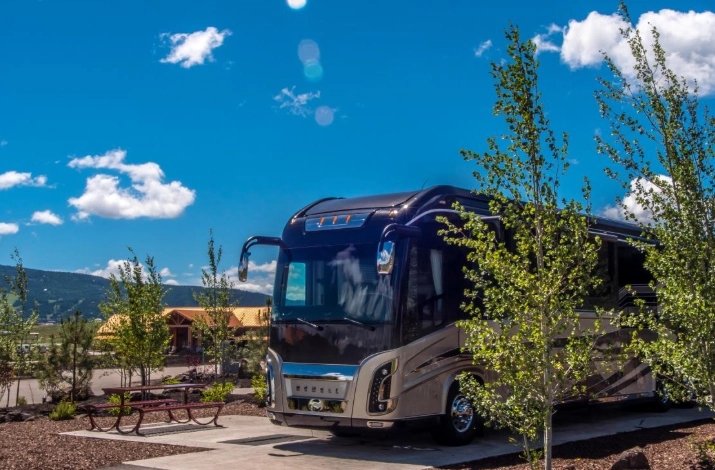
Making It Work: The Essential RV Guide for New Mexico Parks
Okay, you're convinced on the "where." Now for the crucial "how." Dry camping in the desert and mountains isn't hard, but you need to be prepared. Overlooking these details can turn a dream trip into a stressful ordeal.
Water, Power, and Waste: The Trifecta of Dry Camping
This is your primary focus. You are your own utility company.
- Water: Fill your fresh tank completely before entering the park. Calculate 5-10 gallons per person per day for drinking, cooking, and minimal washing. The potable water spigots at campgrounds are for filling containers or your tank when you arrive, not for daily top-ups. I bring two collapsible 5-gallon jugs as a backup.
- Power: Shore power is a fantasy here. Solar panels are the gold standard—quiet and sustainable. A good inverter generator is a must-have backup, especially for air conditioning in the fierce summer heat. Know your generator's run times and fuel needs. Most parks have strict quiet hours (e.g., 8 pm to 8 am), so plan your charging and cooling accordingly.
- Waste: Your gray and black tanks are finite. Use campground restrooms when possible to conserve tank space. Use biodegradable soap and take "navy showers." Know the location of the dump station (Carlsbad has one, others may not). Plan your route so you can dump after your park stay. Nothing sours the end of a trip like a full black tank with miles to go.
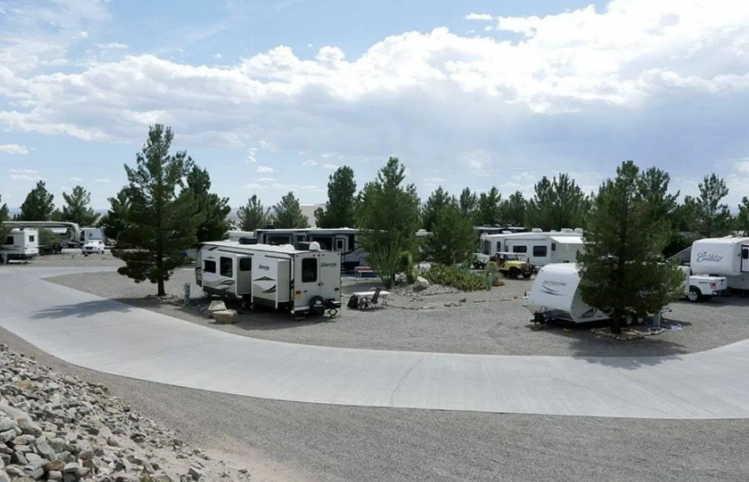
Booking and Timing Your Visit
The rules are different everywhere, and missing them means no spot.
- Reservation Parks (Bandelier, Jemez Falls): Book on Recreation.gov the moment your window opens (usually 6 months in advance). Summer weekends disappear in minutes.
- First-Come, First-Served (Carlsbad, El Malpais): Your strategy is key. Aim to arrive early in the week (Sunday-Wednesday) and before check-out time (usually 11 am-2 pm). Have a backup plan—know the nearest private RV park or BLM land. Calling the park's visitor center the morning of your travel can give you a sense of availability.
- Season Matters: Spring and Fall are ideal—mild temps, fewer crowds. Summer is scorching in the desert (Carlsbad, White Sands) but pleasant in the mountains (Valles Caldera). Winter can be cold anywhere, and some mountain roads/ campgrounds close.
The Non-Negotiable Packing List for Park RV Camping
Beyond your standard gear, pack these:
- Leveling Blocks: More than you think you need. Paved sites can still be uneven.
- Wheel Chocks: Essential for safety on any slope.
- Surge Protector & 50-amp to 30-amp Adapter: Even without hookups, you'll use these elsewhere on your trip.
- Extra Drinking Water Jugs: See above. A case of bottled water is also smart.
- Window Shades/Reflectix: To keep the desert sun from turning your RV into an oven.
- Hiking Gear & Day Pack: That's why you're here!
- Binoculars: For wildlife (elk, birds) and scenic overlooks.
- Paper Maps & Guidebooks: Cell service is unreliable in these remote areas.
Answering Your Big Questions (FAQs)
Can I really fit a large Class A motorhome in these parks?
Yes, but with careful planning. Carlsbad's campground officially lists a 62-foot limit. Bandelier and Jemez Falls have specific longer sites (45-50 ft ranges). The limiting factor is often not the campground pad, but the roads leading to it. Mountain roads to Valles Caldera can be winding. Always check the official NPS or Forest Service website for the specific park's "Directions" and "Operating Hours & Seasons" pages—they often note RV-friendly routes or restrictions. When in doubt, call the park.
What's the #1 mistake people make when planning RV camping in New Mexico's national parks?
Assuming it's like camping elsewhere with full hookups. The #1 mistake is underestimating the self-sufficiency required. People show up with half-full water tanks, no power plan, and tanks already partially full, expecting to "figure it out." You can't. The desert doesn't care. The most successful trips are run like a military logistics operation for water, power, and waste.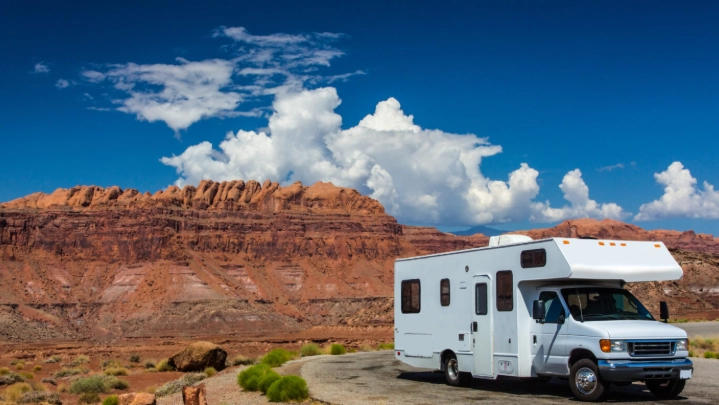
Are there any parks with full hookups (water, sewer, electric)?
No. Not within the National Park Service units we've discussed. Zero. If you require full hookups, your strategy changes. You'll need to stay at a private RV park in a nearby gateway town (like Carlsbad, NM for the caverns, or Alamogordo for White Sands) and drive your tow vehicle or dinghy into the park for the day. This is a perfectly valid and comfortable approach, especially for those new to RVing or in very hot/cold weather.
Is boondocking (free camping) available near these parks?
Absolutely, and it's a fantastic option. The Bureau of Land Management (BLM) and US Forest Service (USFS) manage millions of acres in New Mexico where dispersed camping is allowed, usually for free for up to 14 days. Areas around El Malpais, Gila National Forest, and near Carson National Forest (north of Taos) are popular. Resources like BLM.gov and apps like Campendium are essential for finding these spots. Practice Leave No Trace principles religiously.
Look, the search for perfect national parks in New Mexico with RV camping leads you to a simple truth: you trade convenience for connection. You won't be plugging in your air fryer and watching satellite TV. You'll be managing your resources, feeling the desert chill at night, and waking up to silence so deep it rings in your ears.
But what you get in return is the real thing. It's drinking coffee as the sun lights up the gypsum dunes at White Sands. It's the awe of standing in the Big Room at Carlsbad after a short walk from your RV. It's the smell of pine trees at your campsite in the mountains near Valles Caldera. That's the pull. That's why you bother with the tanks and the solar panels and the advance planning.
Start with one park. Maybe Bandelier for its easy reservations and stunning history, or Carlsbad for its iconic status. Get your systems dialed in. You'll learn what your rig—and you—can really do. Then you'll understand why so many of us keep coming back to these high, dry, and utterly magnificent places, searching for the next perfect spot to park our wheels and call home for a night.
Reader Comments