Explore the Oregon High Desert
So, you're asking, what is the name of the desert in Oregon? It's a question that pops up a lot, especially when people picture Oregon as just rainy forests and rugged coastlines. I get it. The idea of a desert there sounds almost like a myth. But let me tell you, it's very real, and it covers a huge chunk of the state. The most straightforward answer is that it's called the High Desert, or sometimes more broadly, it's part of the Great Basin Desert. But that's just the label on the map. The real story is so much cooler.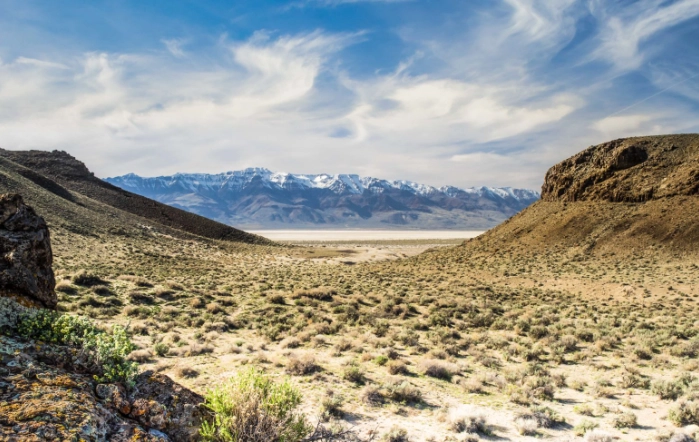
Think about it. You drive east from Portland, through the Cascades, and suddenly the world changes. The dense green gives way to wide-open spaces, sagebrush stretching for miles, and skies that feel ten times bigger. It's not the sandy, dune-filled Sahara type of desert. This is a cold desert, high in elevation, with its own unique, stark beauty. It's a place of solitude and extremes.
If you only remember one thing, let it be this: Oregon's desert isn't one single spot with a single name. It's a vast region, often called the High Desert, encompassing different basins and playas. The most famous named section is probably the Alvord Desert, a stunning dry lake bed that looks like another planet.
Okay, But Why Is It Called the "High" Desert?
This isn't just a fancy name. The "High" part is the key to understanding everything about this place. Most of this desert region sits at an elevation between 4,000 and 5,000 feet above sea level. That altitude does a few things. First, it makes the temperatures swing wildly. Summer days can be hot, sure, but nights get cold. I've been there in July and needed a jacket once the sun went down. Winter? Bitterly cold and often snowy, which is something you don't always associate with the word "desert."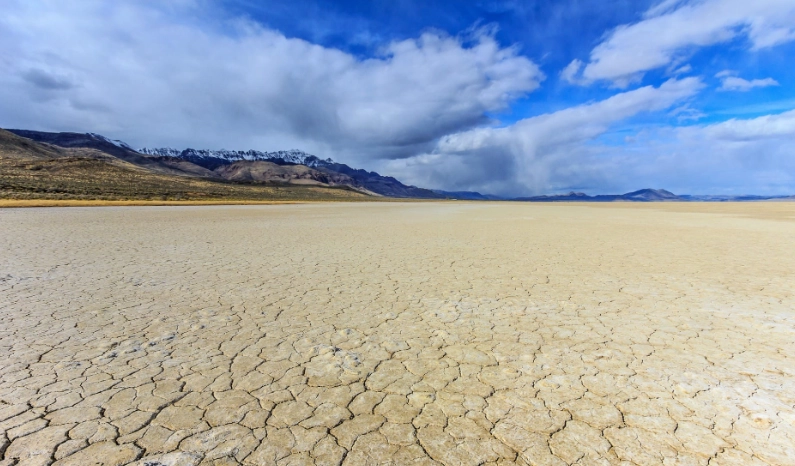
Second, the high elevation and the rain shadow effect from the Cascade Mountain Range are what create the desert in the first place. Moist air from the Pacific Ocean hits the Cascades, rises, cools, and drops all its rain and snow on the western slopes. By the time the air masses cross over to the east, they're dry. That's why places like Bend, on the eastern side of the mountains, get about 12 inches of rain a year, while the western valleys get over 40.
The Main Players: Breaking Down the Desert Regions
When someone digs deeper and asks what is the name of the desert in Oregon, they're often surprised to find there are several distinct areas within the High Desert. It's not a monolith. Here’s a quick breakdown of the major zones that give this landscape its character.
The Alvord Desert: The Poster Child
This is the one you see in all the Instagram photos. A vast, flat, cracked dry lake bed (a "playa") about 12 miles long and 7 miles wide, sitting at the foot of the majestic Steens Mountain. It's incredibly remote. The silence out there is profound—you can literally hear your own heartbeat. People go to drive on the playa (where allowed), stargaze, and feel utterly insignificant in the best way possible. Is the Alvord Desert the desert in Oregon? It's the most iconic piece of it, for sure.
The Great Basin: The Big Picture
Oregon's High Desert is the northwestern tip of the larger Great Basin Desert, which covers most of Nevada and parts of Utah, California, and Idaho. This context is important. It explains the ecology—the sagebrush-steppe ecosystem, the plants and animals adapted to scarce water. When you're standing out there, you're standing in a small piece of a massive inland drainage system where water never reaches the sea; it just evaporates or sinks into the ground. The Bureau of Land Management (BLM) manages a huge portion of this land, and their site is a goldmine for planning a responsible visit.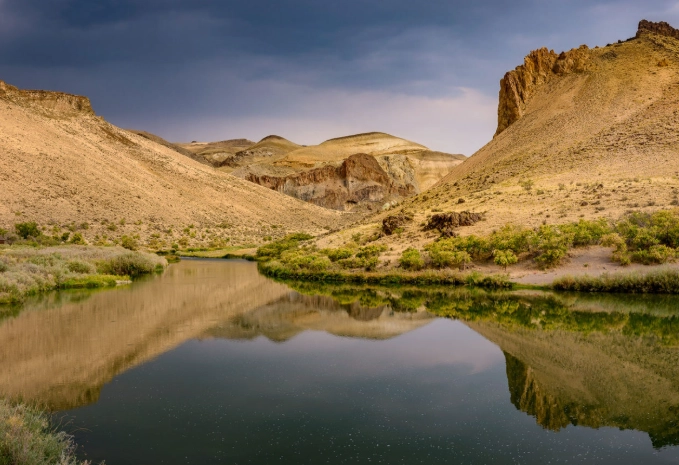
Other notable spots include the Christmas Valley area with its sand dunes and fossil beds, and the high lava plains around Brothers and Millican. Each has a different feel.
A Practical Guide to the Oregon Desert
Knowing the name is one thing. Knowing how to experience it is another. This isn't a park with a gift shop at the entrance. You need to be prepared.
Key Fact: Much of Oregon's High Desert is public land managed by the BLM or the U.S. Forest Service. This means open access, but also means you are responsible for your own safety and for leaving no trace.
Best Time to Visit
Late spring (May-June) and early fall (September-October) are the sweet spots. Wildflowers can be spectacular in spring. Summer is doable, but plan for intense sun and do all your activities in the early morning or late evening. Winter visits are for the very well-prepared and experienced, as roads can be impassable and conditions brutal.
How to Get There & What to Drive
This is crucial. For places like the Alvord Desert, you are on remote, unpaved roads for long stretches. A high-clearance vehicle is strongly recommended, and four-wheel drive is a very good idea, especially if there's been any recent moisture. Don't rely on cell service. Download offline maps (Google Maps allows this) and carry a physical map. The Oregon Department of Transportation has road condition info, but for these backcountry routes, local BLM offices are your best bet for current info.
What to See and Do
It's not just about staring at emptiness (though that's a valid activity).
- Steens Mountain: A fault-block mountain rising nearly 10,000 feet right next to the Alvord Desert. The loop road offers insane views.
- Malheur National Wildlife Refuge: A huge oasis in the desert, critical for migratory birds. It's a lush, green contrast to the surrounding sagebrush.
- John Day Fossil Beds: While slightly outside the core High Desert, this area showcases the ancient history of this climate. The Painted Hills unit is mind-blowing.
- Stargazing: With minimal light pollution, the night sky is unreal. The Milky Way looks like a painted stripe across the sky.
Frequently Asked Questions (The Stuff You're Actually Wondering)
This is a common point of confusion. Think of it this way: The Alvord Desert is a specific, famous location *within* the larger Oregon High Desert region. The High Desert is the whole area; the Alvord is a star player on the team. So, when pondering what is the name of the desert in Oregon, "High Desert" is the regional answer, and "Alvord Desert" is a specific, must-see destination within it.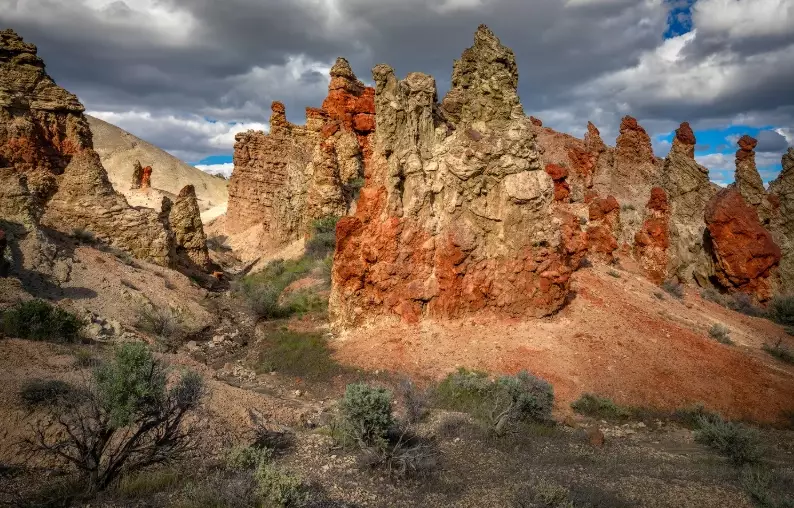
Sometimes, but not always. It depends entirely on conditions. If the playa is wet or muddy, driving on it is prohibited and incredibly destructive (you'll get stuck and ruin the surface). It's also private property in sections. Always, always check current conditions with the BLM's Burns District Office or local sources before even thinking about it. When it's dry and open, it's an experience, but drive responsibly and stay on established tracks.
You'd be surprised at the life here. It's adapted and tough. Look for pronghorn antelope (the fastest land mammal in North America!), mule deer, coyotes, and a huge variety of birds like sage grouse, golden eagles, and burrowing owls. There are also rattlesnakes, so watch your step, especially in warmer months.
Water, or the lack of it. Sustaining large populations is incredibly difficult without reliable water sources. The climate is harsh, the soil is often poor for traditional agriculture, and the remoteness made settlement historically challenging. That emptiness is precisely what draws people today—a chance to experience true solitude and wide-open spaces that are vanishing elsewhere.
My Personal Take and Things to Watch Out For
I love the Oregon High Desert, but I'm not here to just sell you on it. It has its downsides. The remoteness can be intimidating. Services are few and far between—gas stations, food, water, repairs. You need to be self-sufficient. The wind can be relentless, whipping up dust and making camping less than peaceful. And honestly, the sheer scale and sameness of the sagebrush landscape can feel monotonous to some people. It's not for everyone.
But if you go in prepared, with the right expectations, it gets under your skin. There's a raw, unmanicured quality to it that feels authentic. You're not being guided through a curated experience. You're just... out there. Figuring out what is the name of the desert in Oregon is the first step to discovering a side of the state that most visitors never see.
Essential Checklist for Your Trip
- Water: Way more than you think. A gallon per person per day, minimum.
- Fuel: Top off your tank at every opportunity. The distance between gas stations is no joke.
- Navigation: Offline maps, GPS, and a paper map as backup.
- Communication: Tell someone your route and expected return. Consider a satellite messenger.
- Spare Tire & Tools: And know how to use them.
- Sun & Wind Protection: Hat, sunglasses, sunscreen, lip balm, and a bandana or buff.
- Warm Layers: Even in summer. Temperature drops are dramatic.
- Trash Bags: Pack out everything you pack in. Leave no trace is a mandate, not a suggestion.
The Bottom Line
So, what is the name of the desert in Oregon? It's the High Desert. It's the Alvord. It's a vast, complex, and breathtaking region that defies the typical Oregon stereotype. It's a place that demands respect and preparation but rewards you with silence, space, and stars like you've never seen. Don't just search for the name—go see the thing itself. Just make sure you bring your common sense and a full tank of gas.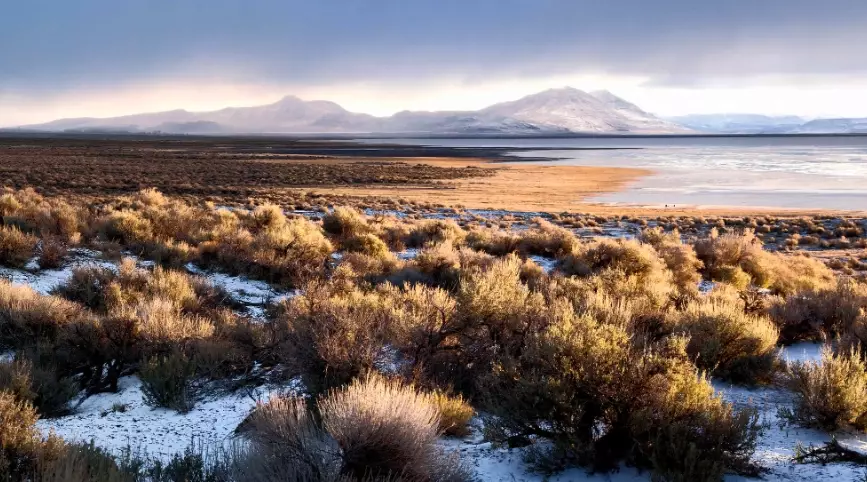
Reader Comments