That thin strip of land where solid ground meets the water's embrace – the lake edge. It's not just a line on a map. For a decade, I've watched people get this wrong. They see a price tag and a sunset photo, but miss the pulse of the place entirely. The lake edge is a living, breathing ecosystem, a value multiplier for property, and a state of mind. It's where herons stalk fish in the shallows at dawn, where property values can swing wildly based on unseen factors, and where a weekend can feel like a month-long retreat. Let's move past the postcard and talk about what really happens at the water's edge.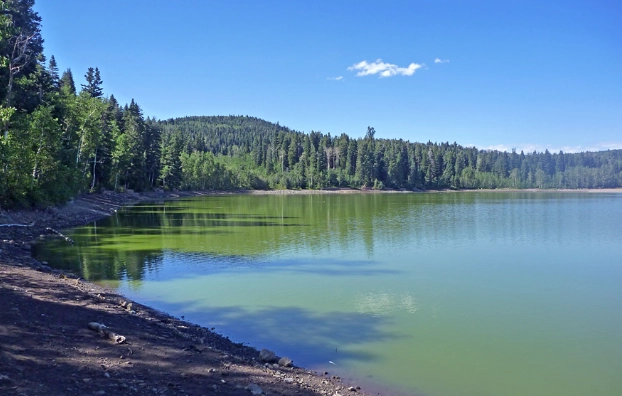
What You'll Find in This Guide
The Hidden Engine: Why the Lake Edge Ecosystem Matters
Forget calling it the "shoreline" for a second. Think of it as the lake's kitchen, nursery, and filter, all rolled into one. This littoral zone is where most of the biological action happens. Sunlight penetrates to the bottom, allowing aquatic plants to grow. These plants oxygenate the water, provide shelter for young fish, and their roots hold the sediment in place.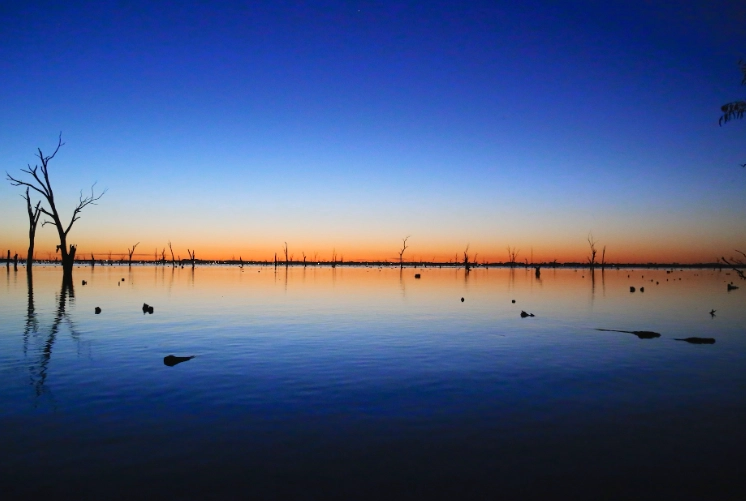
When this zone is healthy, you see clear water, thriving fish populations, and less algae. When it's degraded – often by removing native plants, building seawalls, or excessive runoff – the whole lake suffers. I've seen lakes where manicured lawns run right into the water turn murky and lifeless within a few years. The edge is the first line of defense.
Key Players at the Water's Edge
Who lives here? It's a crowded neighborhood.
- Birds: This is prime real estate for herons, kingfishers, ospreys, and countless songbirds. The edge offers perches, nesting sites, and a buffet of insects and small fish.
- Amphibians: Frogs and salamanders lay eggs in the calm, vegetated shallows. Their tadpoles are a crucial food source.
- Beneficial Insects: Dragonflies, whose nymphs are voracious mosquito-eaters, spend most of their lives in these shallow waters.
- Mammals: From muskrats and mink to deer coming for a drink at dusk.
Disrupt this community, and you don't just lose the charm of wildlife – you disrupt the ecological balance that keeps the lake clean and functional.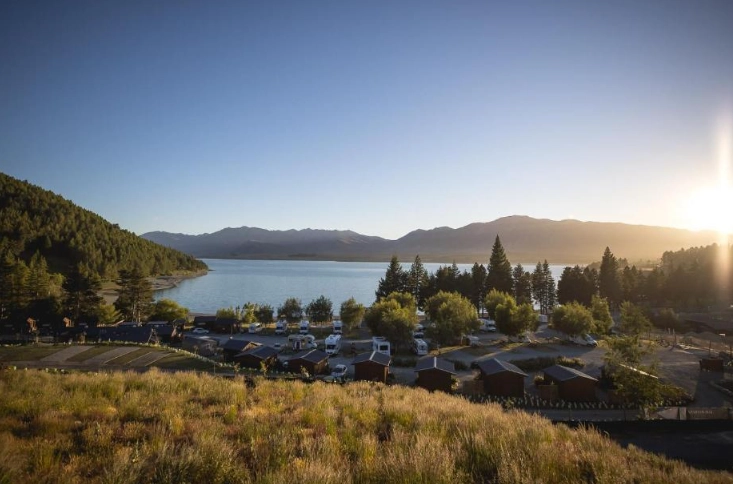
Lake Edge Property Value: The Unspoken Rules
Yes, waterfront commands a premium. But not all lakefront is equal. The difference between a good investment and a problematic one often hinges on the specifics of the edge itself. As a consultant, I've seen two identical-looking cabins sell for a 30% difference because of one critical, overlooked factor.
The #1 Rule: A stable, natural, and vegetated lake edge is worth more than a failing, eroded, or heavily armored one. Full stop. A seawall might look "neat," but it's often a red flag for long-term erosion issues and ecological damage, which can scare off savvy buyers and even lead to legal headaches with environmental agencies.
Here’s what smart buyers (and appraisers) actually look at:
| Feature | Adds Value (The Green Flag) | Hurts Value (The Red Flag) |
|---|---|---|
| Shoreline Condition | Gentle, natural slope with native plants. Stable, no signs of active erosion. | Steep, bare bank. Visible erosion gullies or undercut trees. A brand-new, un-vegetated seawall. |
| Water Access | Easy, safe entry (sandy beach, gradual depth). A permitted dock in good repair. | Rocky, mucky, or dangerous entry. An old, rickety, or unpermitted dock structure. |
| Views & Privacy | Open water views combined with vegetative screening for privacy from neighbors. | Views completely blocked by overgrowth, or zero privacy from adjacent homes. |
| Regulatory Status | All structures (dock, deck, boathouse) have clear permits. No ongoing violations. | History of violations with the state DNR or environmental agency. A cease-and-desist order is the ultimate value-killer. |
I once advised a client who passed on a "perfect" cabin because the neighbor's massive, unpermitted seawall was causing erosion that was slowly creeping onto the property they wanted to buy. That's a future lawsuit waiting to happen. Always get a survey and check with the local Department of Natural Resources (DNR) for permit history. It's boring, but it saves fortunes.
Living the Lake Edge Lifestyle: A Practical Planner
Okay, you own it or you're visiting a prime spot. How do you actually use it without harming it? This is where the dream meets reality.
Your Lake Edge Activity Calendar
Timing is everything. A lake is not a static pool; it has seasons and moods.
- Spring (Ice-out to Early Summer): The water is cold, but the wildlife is explosive. This is the absolute best time for birdwatching. Warblers migrate through the lakeside trees, and waterfowl are nesting. Fish are in the shallows to spawn – be extra careful if you're moving boats or wading.
- Summer: The classic season. Swimming, kayaking, paddleboarding. Pro tip: Keep motorized boat traffic away from the shallow edges to prevent propeller damage to plants and sediment stir-up. Designate a clear, deep-water corridor for boats.
- Fall: My personal favorite. The water is still warm from summer, the mosquitoes are gone, and the foliage reflection is stunning. Perfect for fishing and late-season kayaking. It's also the ideal time to do any gentle shoreline maintenance, like planting native plugs, before the ground freezes.
- Winter: Ice fishing, snowshoeing along the edge. A frozen lake offers a completely new perspective. You can see the structure of the bottom contours you paddle over in summer.
Beyond the Dock: Engaging with the Edge
Don't just look at it from your deck. Get into it.
- Shallow-Water Exploration: Get a pair of old sneakers and slowly walk the edge. Look for crayfish, freshwater mussels, and insect nymphs under rocks. It's a revelation.
- Citizen Science: Report frog calls to a local herpetology society. Monitor water clarity with a simple Secchi disk. Your observations have real value. Organizations like the National Audubon Society often have backyard bird count programs.
- Photography: The changing light on water, the dew on spiderwebs in the reeds at dawn… you'll never run out of subjects.
Planning and Protection: Your Lake Edge Action Plan
If you're lucky enough to steward a piece of this, you have a responsibility. Here’s a non-negotiable to-do list.
First, Assess. Take honest photos of your shoreline from the water. Is it eroding? Is it just lawn? Identify problems.
Second, Buffer. Create a "lakescaping" buffer zone. This means letting or planting native grasses, wildflowers, and shrubs for at least 10-20 feet back from the water's edge. This buffer filters runoff, prevents erosion, and provides habitat. Stop fertilizing your lawn anywhere near the lake. The U.S. Environmental Protection Agency (EPA) has excellent resources on managing stormwater runoff.
Third, Stabilize Gently. If you have serious erosion, don't default to a concrete seawall. Look into "bioengineering" solutions like live stakes (willow, dogwood), coconut fiber logs, and stone rip-rap with soil and plants in the gaps. These work with nature, not against it.
Fourth, Maintain Thoughtfully. If you must have a beach, make it small. Never use chemical herbicides or algaecides near the water. Inspect your septic system regularly – a failing system is a disaster for lake health.
Lake Edge Expert FAQ: Your Questions, Answered
What's the single biggest mistake new lake edge property owners make?
Clearing all the vegetation down to the water for an "unobstructed view." It's an ecological and financial own-goal. You trade a dynamic, living edge that filters water and supports wildlife for a sterile, erosion-prone mudslide that will cost thousands to fix in a few years. Start by just clearing selective sightlines, not the whole bank.
How can I tell if my lake edge is unhealthy or eroding?
Look for exposed tree roots along the bank, a steep drop-off into the water, cloudy water after rain (sediment runoff), or a lack of aquatic plants in the shallows. Compare current photos to older ones from past owners or satellite images on Google Earth. A shrinking shoreline is a clear sign.
Are docks bad for the lake edge ecosystem?
They can be, but don't have to be. A massive, permanent crib dock that shades out the entire bottom beneath it is harmful. Better options are pipe or post docks that minimize footprint and allow light penetration. Always get a permit – the process ensures the placement and design minimize environmental impact.
I want to attract more wildlife to my lake edge. What's one thing I can do this weekend?
Leave a fallen tree trunk (a "snag") partly in the water. It provides basking spots for turtles, perches for birds, and hiding places for fish. It's instant habitat. If you need it neater, just anchor a few large, clean branches in the shallows. You'll be amazed at the life it attracts within weeks.
Is lake edge property a good long-term investment with climate change?
This is the new critical question. It depends heavily on location and the specific lake's resilience. Properties on spring-fed, deep lakes with stable water levels are likely more resilient than those on shallow, runoff-dependent ponds. Research long-term water level trends for the lake. Factor in increased risks of extreme storms and potential flooding. The premium for a resilient, well-buffered, high-elevation lake edge will likely grow, while properties on vulnerable low-lying edges may face higher insurance costs or even depreciation.
Reader Comments