When you picture a US desert, you might imagine a relentless, barren sea of sand. That's only a fraction of the story. America's deserts are complex, vibrant ecosystems bursting with life, color, and staggering geology. They're places of profound silence and dramatic extremes, offering adventures from serene stargazing to challenging hikes through otherworldly landscapes. This guide cuts through the clichés to give you the practical, detailed knowledge you need to explore them safely and meaningfully.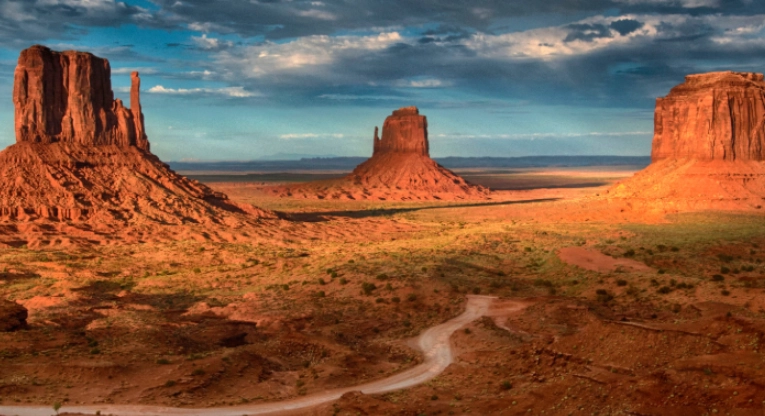
Your Desert Explorer's Map
The Four Major Deserts of the US
First, let's get oriented. The contiguous US is home to four primary desert regions, each with a distinct personality. Getting this right is the first step to planning a good trip.
| Desert Region | Key States | Signature Feature | Iconic Destination |
|---|---|---|---|
| The Mojave Desert | California, Nevada, Utah, Arizona | Joshua Trees, extreme temperature swings, stark basins & ranges. | Death Valley National Park |
| The Sonoran Desert | Arizona, California (part), Mexico | Lush, biodiverse; home to the giant saguaro cactus. Two rainy seasons. | Saguaro National Park |
| The Chihuahuan Desert | Texas, New Mexico, Arizona, Mexico | High-elevation desert, grasslands, dramatic limestone mountains. | Big Bend National Park |
| The Great Basin Desert | Nevada, Utah, Oregon, Idaho | Cold desert. Defined by basin-and-range topography and sagebrush. | Great Basin National Park |
Most people think "hot and dry" applies equally to all. It doesn't. The Great Basin Desert sees regular snowfall. The Sonoran can feel almost subtropical after summer rains. This table is your cheat sheet to set expectations.
Planning Your Desert Trip: Seasons & Logistics
Timing is everything. Go in July and you're in for a battle with the sun. Go in January and some roads might be closed by snow in higher deserts.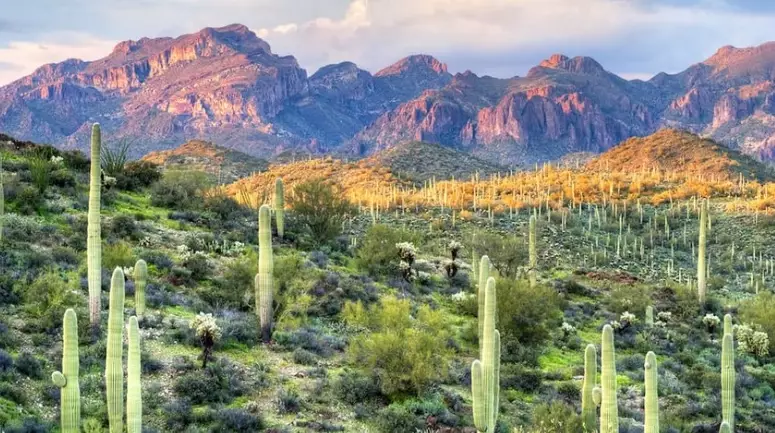
The Ideal Visiting Windows
Mojave & Sonoran Deserts: Prime time is October to April. Daytime temperatures are pleasant (60s-80s°F), nights are cool. This is hiking season. Spring (Feb-April) offers wildflowers if rains were good. Summer is for masochists or very short, dawn excursions.
Chihuahuan Desert: Similar fall-to-spring window. Summers are hot but often slightly cooler than the Sonoran due to elevation. Big Bend is fantastic in November.
Great Basin Desert: Summer is the main season (June-Sept) for access to high trails. Spring and fall are shorter and can be unpredictable. Winter visits are for snow-based activities at lower elevations.
Logistics get real out here. I learned this the hard way on my first solo trip to Death Valley. I pulled into a remote gas station on "E," only to find it had been closed for years. My phone had no signal. I had to drive 20 miles in sheer anxiety mode.
Always, always:
- Download offline maps for the entire region on Google Maps or Gaia GPS.
- Fill your tank at half. When the gauge hits halfway, start looking for the next station.
- Carry physical maps. The National Park Service provides excellent ones at entrance stations. Get them.
- Check road conditions before heading out, especially for unpaved roads. A sudden rain can turn a washboard road into an impassable mud pit.
Must-See Destinations: A Breakdown
Let's get specific. Here’s where to go and what you need to know to make it happen.
Mojave Desert: Death Valley National Park
It's the hottest, driest, lowest national park. The hype is real. Furnace Creek is the main hub. The Death Valley National Park website is your bible for current alerts.
- Must-Sees: Badwater Basin (lowest point in North America at -282 ft), Zabriskie Point (sunrise Mecca), Mesquite Flat Sand Dunes (classic dunes), Artist's Palette (vibrant mineral-stained hills).
- Logistics: Entry fee is $30 per vehicle (valid 7 days). The park is massive—plan drive times. Gas is available at Furnace Creek, Stovepipe Wells, and Panamint Springs, at premium prices. Lodging/camping books up months in advance for the season.
- My Take: Dante's View is better at sunset than sunrise for photography—the low-angle light hits the valley floor perfectly, and the crowds are thinner.
Sonoran Desert: Saguaro National Park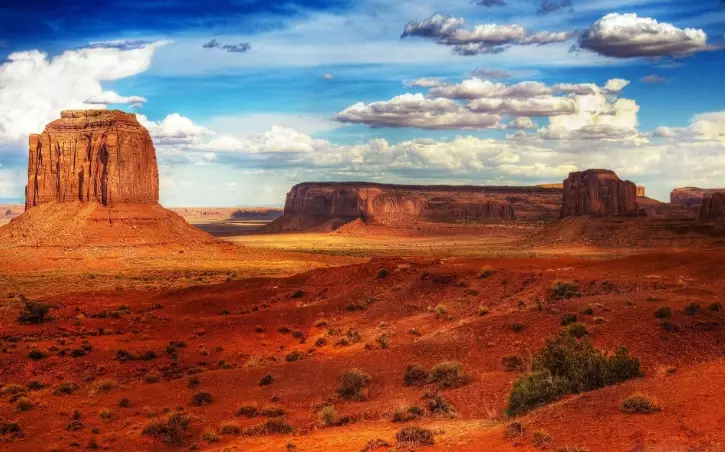
This park is split into two districts east and west of Tucson, AZ. They offer different experiences.
- Tucson Mountain District (West): More iconic, dense saguaro forests against mountainous backdrops. The Valley View Overlook Trail is an easy, rewarding hike. The Red Hills Visitor Center is excellent.
- Rincon Mountain District (East): Higher elevation, more hiking trails, less of the "classic" dense saguaro vista. The Cactus Forest Loop Drive is a great scenic tour.
- Combine With: The Arizona-Sonora Desert Museum (part zoo, part garden, all amazing) right next to the west district. It's worth the separate admission.
Chihuahuan Desert: Big Bend National Park, Texas
Remote doesn't begin to describe it. The nearest major airport is 4-5 hours away. That's the point. You go here to feel disconnected.
- The Triple Threat: Desert, river (the Rio Grande), and mountains (the Chisos) all in one park. The Chisos Basin is the cool, mountainous heart, with a lodge and campground.
- Don't Miss: The Ross Maxwell Scenic Drive to Santa Elena Canyon. Boquillas Canyon is another stunning river canyon. For a unique experience, cross the border (passport required) to the tiny Mexican village of Boquillas via a rowboat ferry.
- Real Talk: Services are extremely limited. Fuel up in Alpine or Marathon before entering. Cell service is virtually non-existent. The night sky is some of the darkest in the lower 48.
Desert Travel Safety: The Non-Negotiables
This isn't scare-mongering. People get into serious trouble every year by ignoring these basics.
Hydration is a Math Problem. You need at least one gallon (4 liters) of water per person, per day, just for drinking. Double that if you're doing any significant hiking. In your car, carry a separate emergency supply of another 2-3 gallons. I use reusable jugs, not just plastic bottles.
Heat is a Silent Attack. Heat illness creeps up. Headache, dizziness, nausea, cramps—these are red flags. Stop. Get in the shade. Drink water with electrolytes. The ground temperature can be 30°F hotter than the air temperature. A shaded rock is better than a sunny picnic table.
Tell Someone. Before any hike, even a short one, fill out the trailhead register if there is one. Text a friend your plan: trail name, start time, expected return. "Hiking Lost Palms Oasis, starting 7 AM, back by noon. Will text when out."
Respect the Wildlife. This isn't a petting zoo. Give rattlesnakes a wide berance—they want to avoid you. Don't put your hands or feet where you can't see. Javelinas (wild pig-like creatures) can be aggressive, especially with young. Admire from a distance.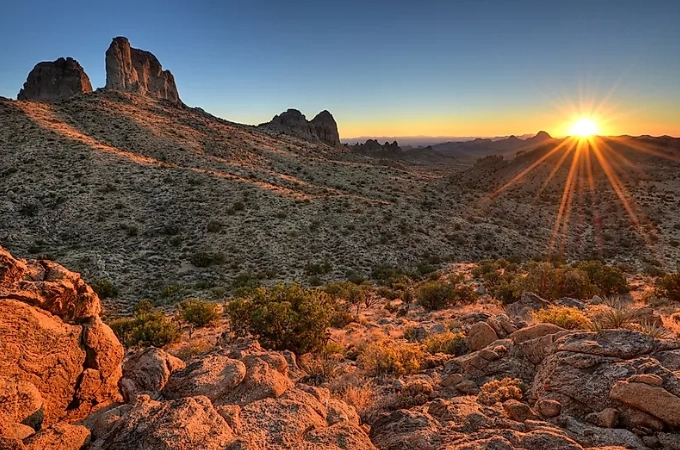
Expert FAQs on Desert Travel
The American deserts aren't just empty spaces on a map to be crossed quickly. They are destinations in themselves, demanding respect and rewarding it with profound beauty and solitude. With the right preparation—focusing on timing, logistics, and safety fundamentals—you can swap anxiety for awe. Start planning for the cooler months, study your maps, pack those extra gallons of water, and go see what thrives in the stark, beautiful margins.
Reader Comments