Let's cut to the chase. Yes, you can absolutely still drive through Monument Valley on your own. The iconic 17-mile dirt loop road that winds between the mittens, merrick butte, and elephant butte is open to private vehicles. But here's the catch most generic travel blogs miss: the experience is nothing like driving a smooth highway, and access is controlled entirely by the Navajo Nation, not the National Park Service. This means different rules, different fees, and a responsibility to respect a living culture. I've driven this loop half a dozen times over the past decade, and the last time was just a few months ago. Things have changed.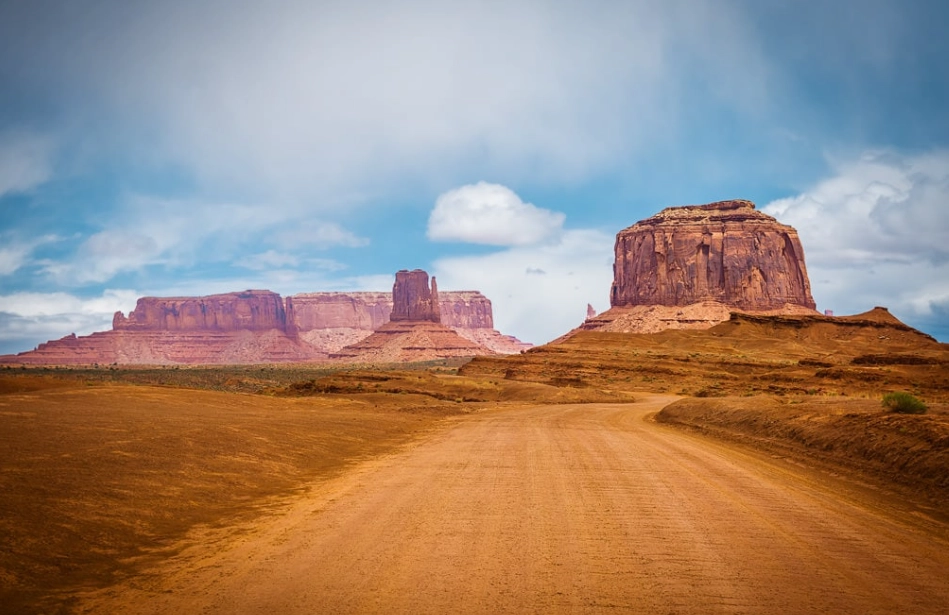
Your Monument Valley Driving Guide at a Glance
The Current Driving Policy & What's Changed
Monument Valley Navajo Tribal Park is sovereign land. You enter under Navajo law. The self-driving policy has been stable for a few years now, but there are nuances first-timers often bungle.
Address & Entry Point: The park entrance is on US-163, right on the Arizona-Utah border. There's no other way in. GPS coordinates are roughly 36.9831° N, 110.1047° W. You'll see the visitor center complex.
Hours & Best Time to Drive: Park hours shift seasonally. Summer (May-Sept) it's usually 6:00 AM to 8:30 PM. Winter (Oct-Apr) it's 8:00 AM to 5:00 PM. Last entry is typically one hour before closing. My strongest recommendation? Get there at opening. By 10 AM, the sun is high, the light is flat for photos, and tour jeeps kick up dust clouds that hang in the air. An 8 AM start means cooler temps, dramatic morning shadows, and having key spots almost to yourself.
Cost & Tickets: The fee is per vehicle, not per person. It's $8 per car (up to 4 people). Each additional passenger is $2. Cash and credit cards are accepted. This fee only grants access to the scenic loop. It does not include access to the backcountry areas like Mystery Valley or Hunt's Mesa—those require a Navajo guide, period.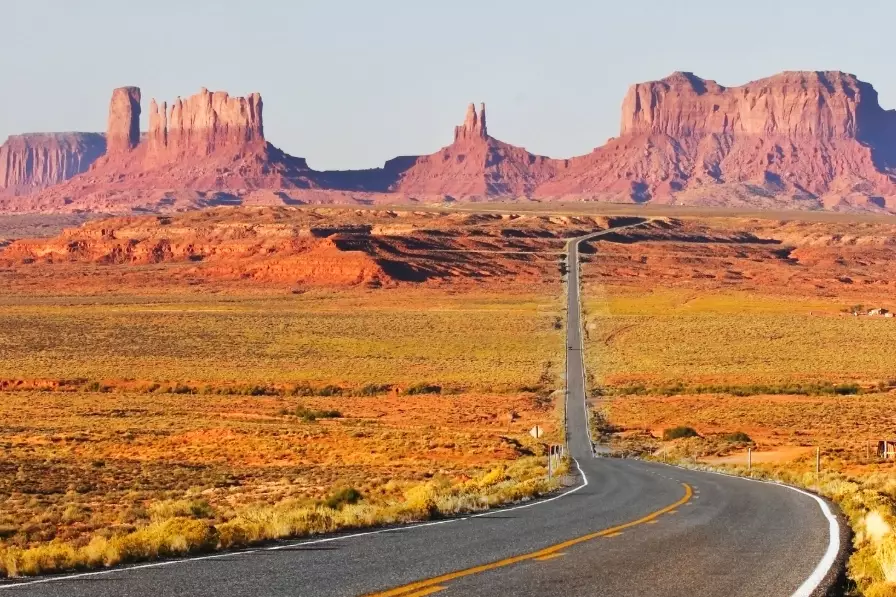
A Critical Detail Everyone Overlooks: Your National Park Pass (America the Beautiful) is not valid here. This isn't a U.S. National Park. Don't bother flashing it. The $8 fee goes directly to the Navajo Parks & Recreation Department, which funds maintenance and services on tribal land.
How to Drive the Monument Valley Scenic Loop: A Step-by-Step Guide
Driving the loop is straightforward but requires a bit of preparation. Here's exactly what to expect, mile by mile.
Step 1: Pay at the Visitor Center
Stop at the main building. Pay your fee, get a map, and use the restrooms—there are none on the loop itself. The map is crude but essential. It numbers the main formations. Ask the ranger about current road conditions. After heavy rain, the road can be temporarily closed. It's a clay-based dirt that turns to slick gumbo.
Step 2: Navigate the Initial Descent
Just past the gate, you'll descend a steep, paved hill with a stunning panoramic view. This is the postcard shot. There's a small pullout at the bottom. Stop here. Look back. That's your classic "road stretching to the mittens" photo. Get it now because you can't stop on the hill itself.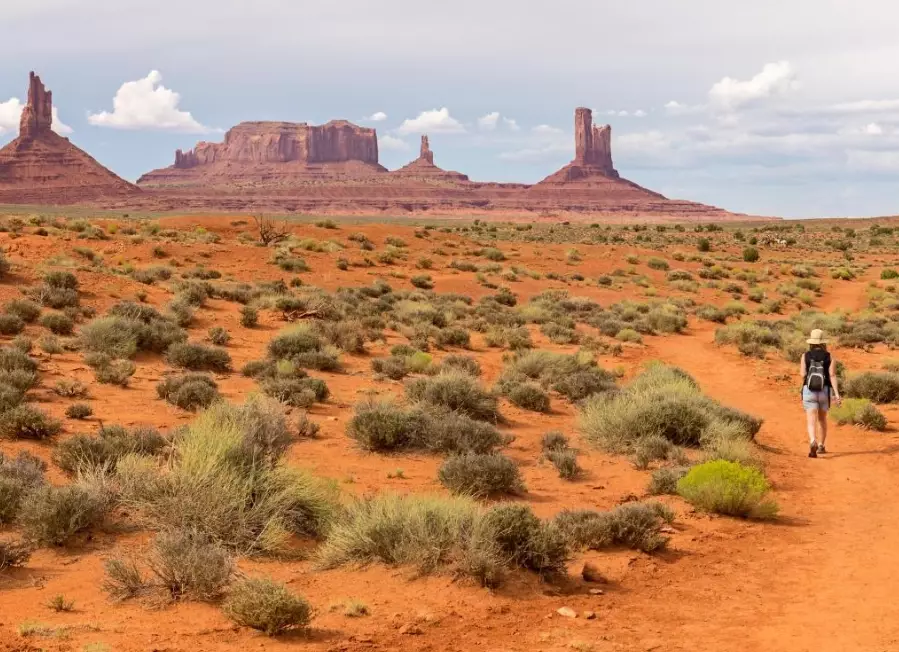
Step 3: Tackle the 17-Mile Dirt Road
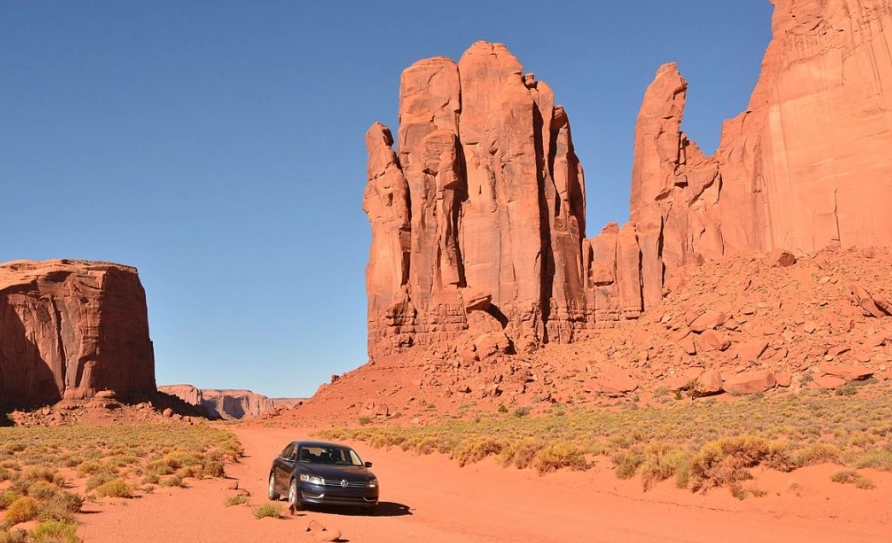
The road is unpaved, reddish-brown dirt and sand. It's washboarded, rocky, and has potholes. I've done it in a standard sedan (a Toyota Camry) multiple times. You don't need 4WD, but you do need high ground clearance. A low-slung sports car is a terrible idea. Go slow, 10-15 mph max. This isn't a race; it's part of the experience. The dust is pervasive. Keep windows up and use recirculated air.
Step 4: Key Stops on the Loop
The loop is one-way. You can't get lost. Major stops are marked. Don't miss these:
- John Ford's Point: Named for the director who filmed Westerns here. A Navajo guide often offers horseback photos for a tip. The view of the mittens is unparalleled.
- The Three Sisters: A delicate rock pinnacle.
- Elephant Butte: It looks exactly like an elephant.
- The Thumb: A clear, standalone spire.
At each stop, you can pull over, get out, and walk around designated areas. Do not wander off-trail or climb on formations. It's disrespectful and dangerous.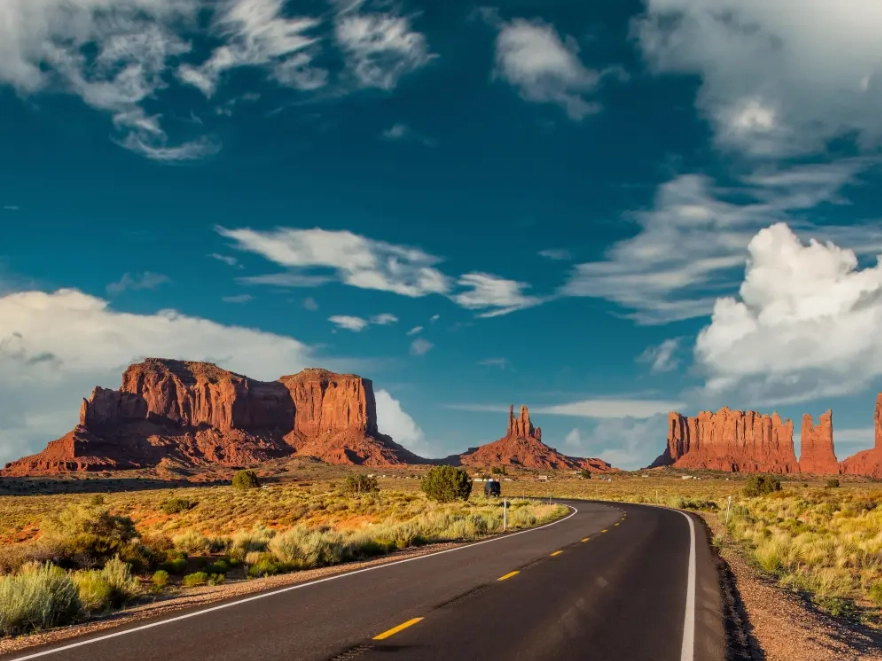
Step 5: Allow Ample Time
The loop takes a minimum of 2 hours if you just drive. For a decent visit with photos, budget 3-4 hours. If you're a photographer waiting for light, you could spend all day.
Self-Drive vs. Guided Tour: Which is Actually Better?
This is the real dilemma. Most articles present the options but don't give a decisive opinion. Having done both, here's my blunt take.
| Option | Pros | Cons | Best For |
|---|---|---|---|
| Self-Drive | Freedom to set your own pace. Much cheaper ($8 vs. $80+ per person). Privacy in your own car. You control the photo stops. | You're stuck on the main loop. No access to restricted sacred areas. No cultural or geological context from a guide. The rough road can be stressful. | Budget travelers, independent spirits, photographers who need flexibility with light, families who want to move at their kids' pace. |
| Guided Tour (e.g., from Goulding's Lodge or the Visitor Center) | Access to backcountry areas like Mystery Valley or Sun's Eye. Expert Navajo guides share stories and history you'd never hear otherwise. They know the best light and angles. Safer on rough terrain. | Significantly more expensive. Fixed schedule (typically 2-3 hours). You're in an open-air truck, exposed to dust, sun, and cold. | First-time visitors who want the full cultural experience. Those with low-clearance vehicles. Travelers short on time who want the highlights curated. Anyone wanting to go beyond the public loop. |
My non-consensus advice? If it's your first and possibly only visit, do both. Drive the loop yourself one evening for the golden hour photos and solitude. Then book a 3-hour guided tour the next morning to see the hidden parts and learn the stories. The combined cost is worth it for a complete understanding. The most common mistake is treating Monument Valley as just a pretty drive—it's a homeland.
The Best Photo Spots You Can Reach by Car
You don't need a guide for incredible photos. Here are the prime locations accessible from the scenic drive.
1. The View Hotel Panorama: Even if you're not staying at The View Hotel, you can access its viewing patio. It faces east, making it the undisputed best spot for sunrise over the mittens. Arrive at least 30 minutes before official sunrise.
2. John Ford's Point at Mid-Morning: The sun illuminates the side of the West Mitten beautifully around 9-10 AM. The long shadows create depth.
3. The Roadside Pullout after the Initial Descent: For the classic "lone road" shot looking back toward the visitor center. Best light is late afternoon when the sun is behind you.
4. Elephant Butte in Late Afternoon: The setting sun warms the red sandstone to a glowing orange.
A pro tip most miss: the dust kicked up by other cars isn't always a nuisance. Position yourself with the sun behind you, and those dust clouds can create incredible, ethereal light rays in your photos, especially in the hour before sunset.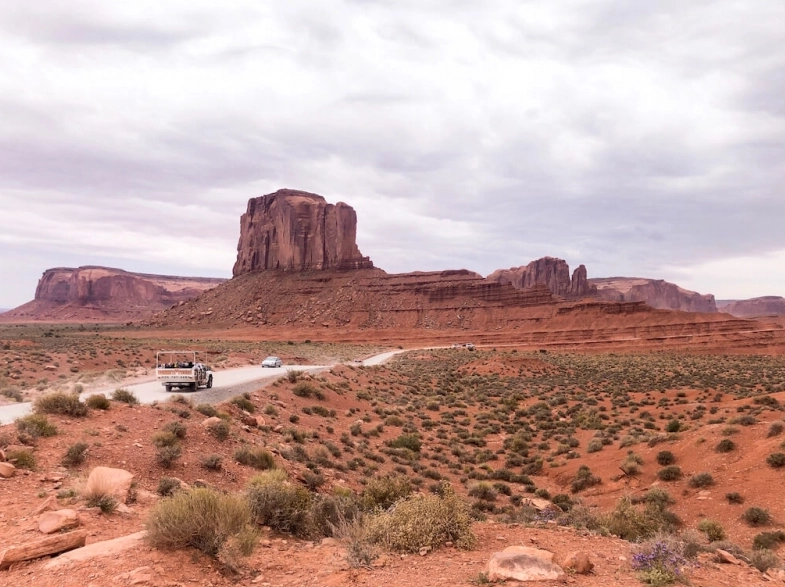
Planning Your Trip: Timing, Logistics & Nearby Stops
Monument Valley is remote. A successful trip hinges on logistics.
When to Go: Spring (April-May) and Fall (Sept-Oct) are ideal. Summer is scorching (over 100°F/38°C) with frequent afternoon thunderstorms that can close the dirt road. Winter is cold but crowd-free, with a chance of snow dusting the buttes—magical, but check for closures.
Where to Stay:
- The View Hotel: Inside the park. The only hotel with a room-facing-the-mittens view. It's pricey and books up months in advance. Worth it for one night if you can swing it.
- Goulding's Lodge: 5 miles away in Utah. A historic trading post with a museum, restaurant, and tour company. More amenities and often better availability.
- Kayenta, AZ: 25 miles south. Has chain hotels (Holiday Inn, Hampton Inn) and more dining options. A practical base if the closer places are full.
The Itinerary I Always Recommend: Day 1: Arrive from Page, AZ (2-hour drive) or Moab, UT (2.5-hour drive). Check into lodging. Do the self-drive loop for late afternoon/sunset photos. Day 2: Sunrise at The View Hotel patio. Take a 3-hour guided backcountry tour in the morning. Depart after lunch for your next destination.
Pair It With: This is often part of a Grand Circle trip. Natural next stops are:
- Valley of the Gods: A free, BLM-managed dirt road with similar scenery 45 minutes north. Great for boondocking/camping.
- Goosenecks State Park: 45 minutes west. A stunning geologic overlook of the San Juan River's entrenched meanders.
- Antelope Canyon & Horseshoe Bend: 2 hours southwest in Page, AZ.
Monument Valley Driving FAQs
Is the Monument Valley scenic drive road too rough for a regular sedan?
It's rough but usually passable for sedans, SUVs, and minivans if driven cautiously and slowly. The real issue is ground clearance, not drivetrain. Avoid it immediately after heavy rain. If you're renting a car, opt for an SUV for peace of mind, but I've seen everything from Priuses to Cadillacs on the loop.
Do I need a 4x4 vehicle to drive through Monument Valley?
No, a 4x4 is not required for the main 17-mile scenic loop. The road is graded regularly. However, if you book a guided tour that goes into the backcountry, those roads are much rougher, but you'll be in the tour company's 4x4 vehicle.
 Can you drive through Monument Valley in winter?
Yes, but with caution. The park remains open unless severe weather (snow, ice) forces a closure. The dirt road can become muddy and slippery. Always call the park directly (+1 435-727-5870) on the morning of your visit to check conditions. Sunrise is later, so you don't have to wake up as early!
Are Navajo-guided tours worth the extra money compared to self-driving?
If your goal is simply to see the famous mittens from the loop, then no. If you want to understand what you're looking at—the Navajo names, the stories, the geology, and to visit arches and petroglyph sites inaccessible by car—then absolutely yes. It transforms the experience from sightseeing to cultural immersion. For a once-in-a-lifetime trip, the tour is the single best upgrade you can make.
What is the single best place to watch sunrise if I'm not staying at The View Hotel?
The viewing patio at The View Hotel is open to the public. Just drive to the hotel parking lot and walk up. It's the perfect, unobstructed east-facing view. The alternative is to find a spot along US-163 north of the park, but you'll be much farther away. Pay the park entry fee at the visitor center when it opens after you've shot sunrise.
Reader Comments