Let's cut right to the chase. The iconic red sandstone buttes of Monument Valley that you've seen in countless Western movies and Instagram photos sit directly on the border between the states of Arizona and Utah. It's not an either/or situation. The valley and its famous formations are located within the Navajo Nation Reservation, and the political boundary between the two states runs right through it.
But here's the practical detail every traveler needs to know: the main entrance, visitor center, park headquarters, and the start of the famous scenic drive are all located in the state of Utah. If you're driving to the Monument Valley Navajo Tribal Park (its official name), your GPS will likely lead you to a Utah address. This is the core of the geographical confusion.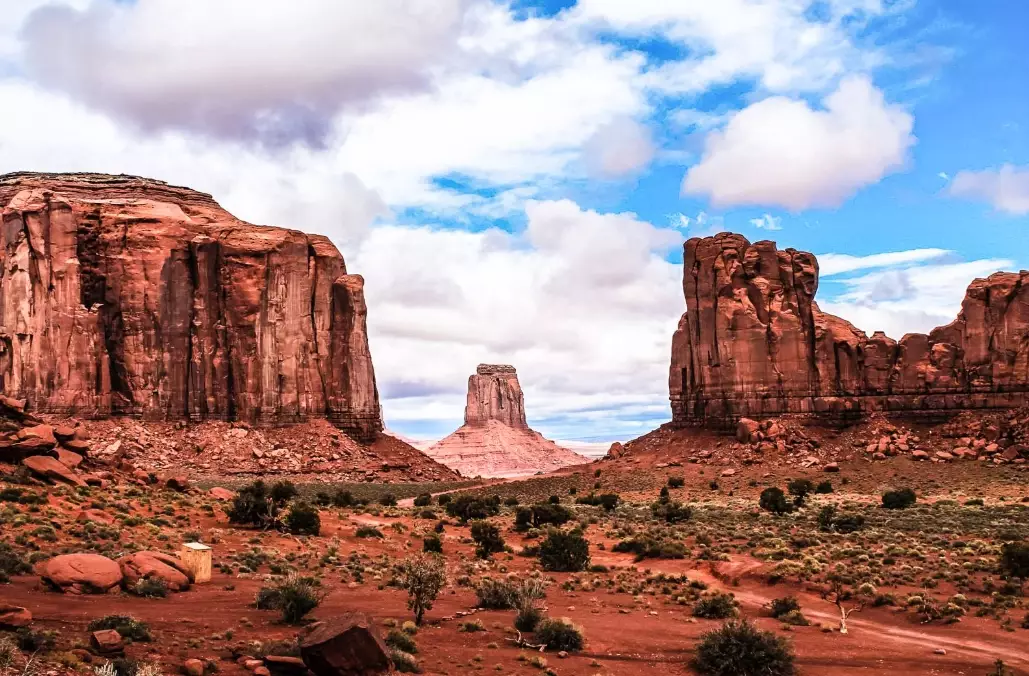
What You'll Discover in This Guide
The Straight Answer: Monument Valley's State Location
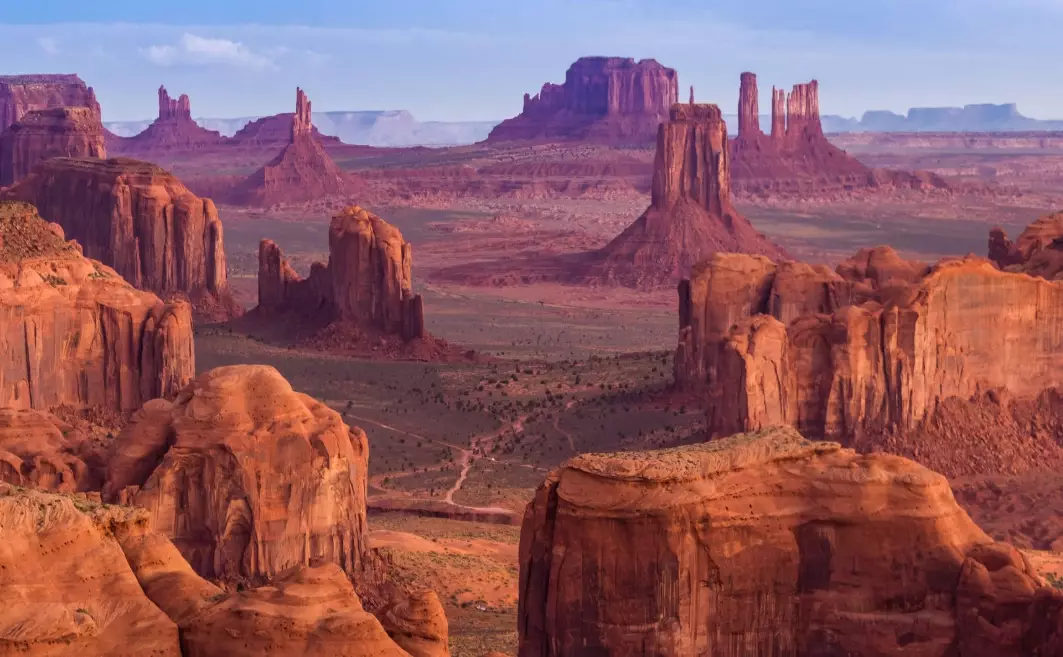
Think of the Arizona-Utah border here not as a wall, but as an invisible line drawn across a vast, open landscape. The buttes themselves, like the world-famous pair known as the East and West Mitten Buttes and Merrick Butte, are primarily situated in Arizona. However, the primary viewing areas and access points for tourists are in Utah.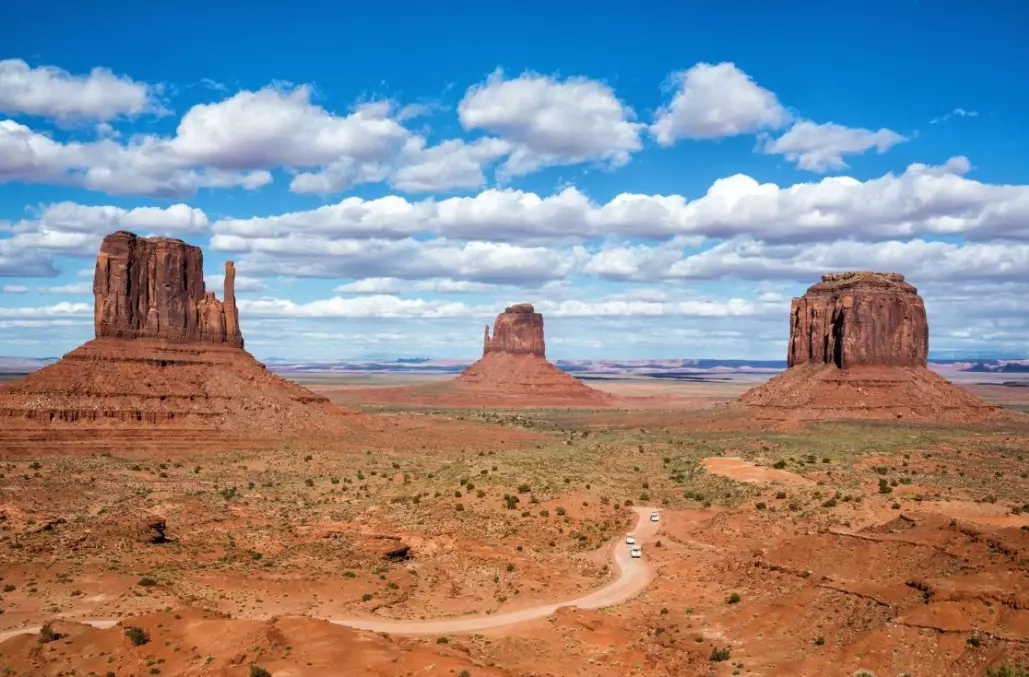
This border-straddling reality has interesting implications. For instance, if you're coming from the south (like Page, Arizona), you'll cross into Utah briefly before arriving at the park entrance. It's a nuance that most maps gloss over but becomes very real when you're planning a road trip through the Four Corners region.
How to Visit Monument Valley Tribal Park
First, reset your expectations. This is not a U.S. National Park. It's a Tribal Park, managed by the Navajo Nation Parks and Recreation Department. That distinction affects everything from fees to rules. Respect for the land and the local culture isn't just a suggestion; it's a requirement.
Address, Hours, and Entry Fee
The official mailing address is in Utah: Monument Valley Navajo Tribal Park, Oljato-Monument Valley, UT 84536.
Park hours change with the seasons. Generally, the visitor center opens at 6:00 AM or 8:00 AM and closes between 4:30 PM and 8:00 PM. Always check the official Navajo Nation Parks website for current hours before your trip, as they are not always synced with third-party sites like Google.
The entry fee is straightforward:
- Per Vehicle (1-4 adults): $20
- Per Motorcycle: $15
- Per Person (walk-in, bicycle, extra passenger): $10
Cash or credit cards are accepted. This fee grants you access to the visitor center, the overlook at the rim, and the 17-mile self-guided Valley Drive (more on that below).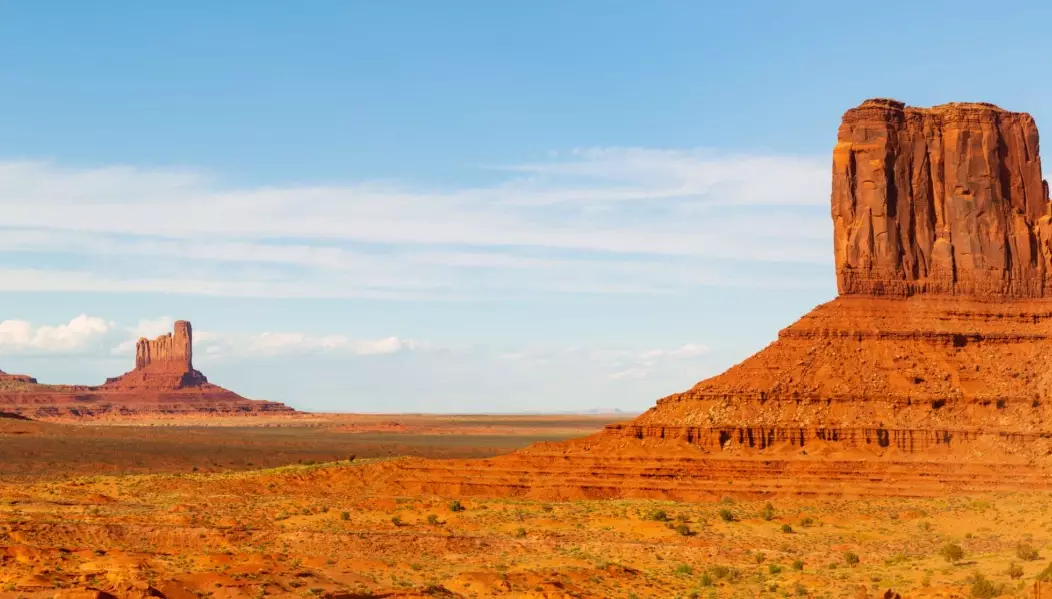
Getting There: The Major Routes
You're driving. There's no other way. From Page, Arizona / Antelope Canyon: Head north on US-98, then take US-163 north. The drive takes about 2 hours. You'll see the mittens appear on the horizon long before you arrive—it's magical.
From Moab, Utah / Arches National Park: Take US-191 south to US-163 south. This is a longer haul, roughly 2.5 to 3 hours, but it's a stunning drive through canyon country.
Pro tip: Fill your gas tank in Page, Kayenta, or Mexican Hat. Gas stations within the Navajo Nation can be few, far between, and more expensive.
Monument Valley Scenic Drive and Tours
This is where most first-timers get tripped up. Paying the entry fee lets you drive the Valley Drive, a 17-mile unpaved, dusty, and rough loop road. You need a high-clearance vehicle, and even then, it's slow going. The views are incredible, but you are restricted to the road. You cannot hike or wander off-trail.
Now, here's the non-consensus advice from someone who's been multiple times: For a truly immersive experience, book a guided tour. The Valley Drive shows you the postcard views from a distance. A Navajo guide in an open-air vehicle will take you down into the valleys, close to arches and ancient rock art, and share stories you'd never hear otherwise.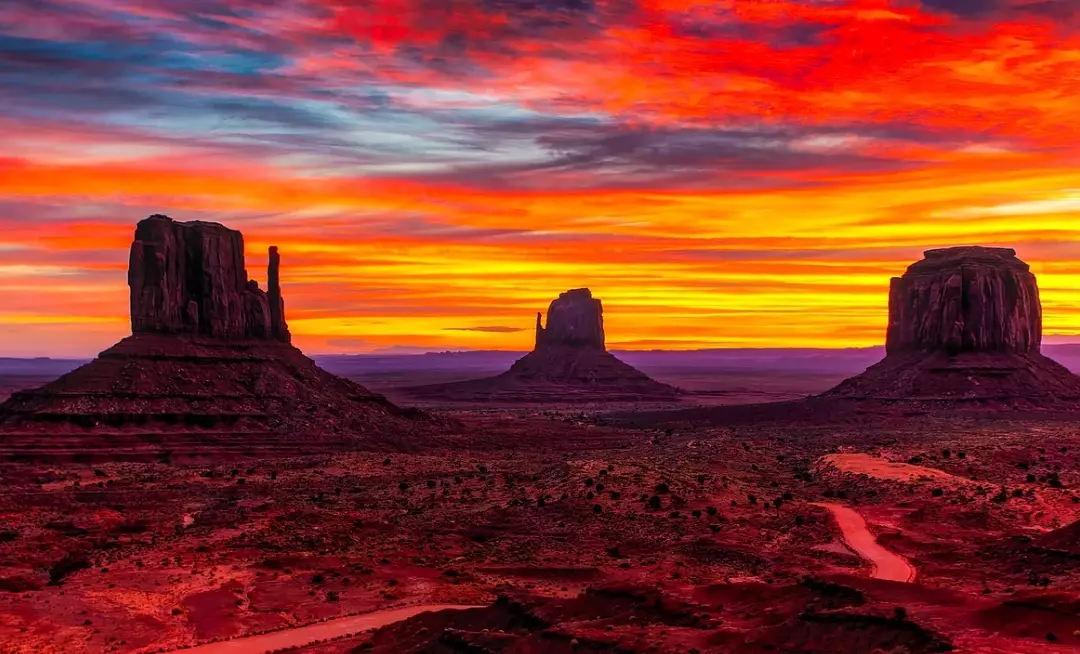
| Tour Type | What You Get | Approx. Duration | Best For |
|---|---|---|---|
| Self-Guided Valley Drive | Access to the main loop road, 11 numbered stops (like John Ford's Point). | 2-3 hours | Budget travelers, photographers wanting flexibility, those with limited time. |
| Standard Guided Tour (Group) | Off-road access, guide commentary, visits to areas like Ear of the Wind and Big Hogan. | 2.5-3 hours | Most visitors. Great balance of access and value. |
| Sunrise/Sunset Tour | Dramatic lighting, smaller crowds, incredible photo ops as the buttes glow red. | 2-2.5 hours | Photographers and romantics. Book well in advance. |
| Private Custom Tour | Tailored itinerary, deeper cultural insights, ability to focus on specific interests. | 4+ hours | Serious enthusiasts, families, those seeking a unique, in-depth experience. |
I took a sunset tour on my last visit, and our guide pointed out a petroglyph panel completely invisible from the main road. That alone was worth the extra cost.
Practical Information for Your Visit
Where to Stay
You have two main options: stay inside the park at the iconic The View Hotel (yes, every room has a balcony facing the mittens) or in the nearby gateway community. Goulding's Lodge, just outside the park, is a historic option with a museum and trading post. Book rooms months in advance, especially for spring and fall.
Weather and When to Go
Summer (June-August) is scorching hot, with frequent afternoon thunderstorms. Spring (April-May) and Fall (September-October) offer the best balance of pleasant temperatures and manageable crowds. Winter can be cold and windy, but you'll have the place nearly to yourself, and snow on the red rocks is breathtaking.
Pack for everything: wide-brimmed hat, sunglasses, sunscreen, layers, and sturdy, closed-toe shoes full of red dust by the end of the day.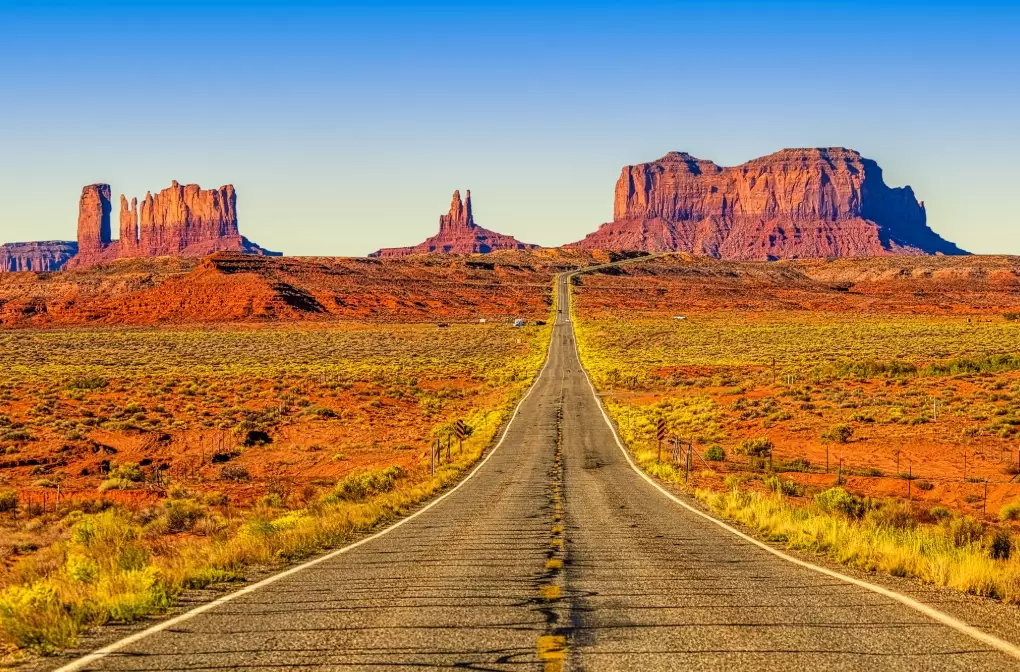
Photography Tips and Best Vantage Points
Everyone wants that shot. Here’s how to get a great one beyond the cliché.
The Classic Shot: Drive north from the park on US-163 toward Mexican Hat. You'll see the spot—it's the one where the road stretches straight toward the mittens. Go for sunrise or sunset when the light is low and golden.
John Ford's Point: Inside the park on the Valley Drive. It's famous for a reason, but it's also crowded with vendors and tourists waiting to get on the horse for a photo. Go early.
The View Hotel Overlook: Accessible even if you're not a guest. Perfect for twilight shots after the sun has set but the sky is still blue.
A common mistake? Using a polarizing filter too aggressively. It can make the deep blue sky look fantastic but can also turn the rich red sandstone into a dull, muddy brown. Bracket your shots and check your histogram.
Your Monument Valley Questions Answered
 Is Monument Valley part of the National Park System? Do I need an America the Beautiful Pass?
So, is Monument Valley in Arizona or Utah? The land is in both, but your journey to its heart begins in Utah. Understanding this simple geographic fact is the first step in planning a respectful and awe-inspiring visit to one of the most definitive landscapes of the American Southwest.
Reader Comments