You've seen the pictures. Cliffside villages painted in sunset hues, turquoise water lapping at pebble beaches, linen shirts drying in a Ligurian breeze. Italy's coastal towns are the stuff of travel dreams. But here's the thing most blogs won't tell you: picking the wrong one can turn that dream into a crowded, expensive, logistically frustrating slog. The Amalfi Coast isn't Cinque Terre, and Puglia feels a world away from both. After a decade of exploring these coasts, I've learned that the magic isn't just in showing up—it's in matching the place to your travel personality.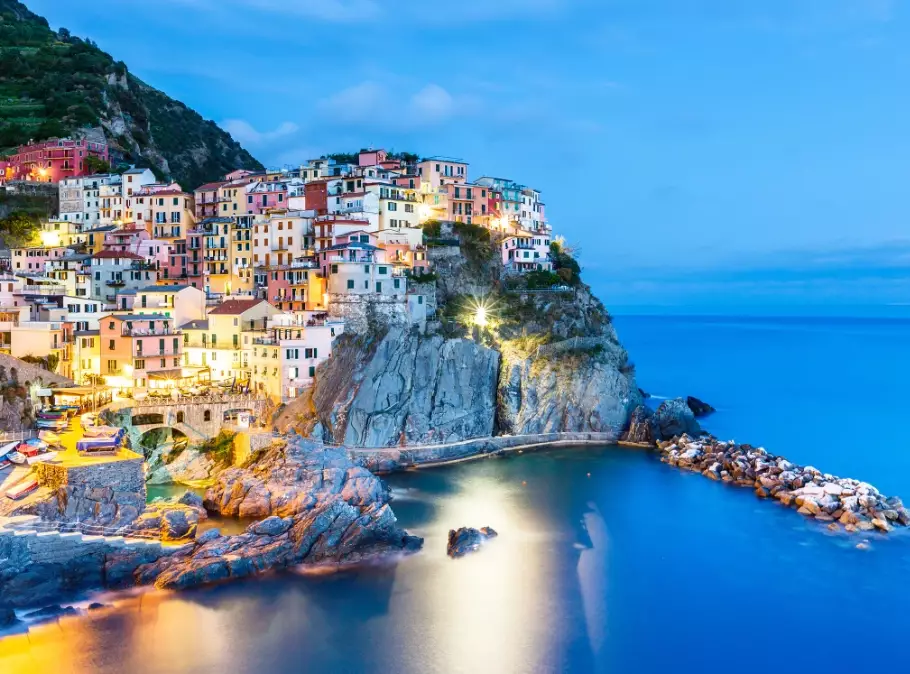
Let's cut through the Instagram filter. This guide isn't just a list of pretty places. It's a blueprint for planning a trip you'll actually love, covering how to choose, how to get around, where to splurge, where to save, and how to sidestep the mistakes almost every first-timer makes.
Your Quick Guide to Italy's Coastal Gems
How to Choose Your Ideal Italian Coastal Town: A Regional Breakdown
Think of Italy's coastline like a menu. You wouldn't order everything. You pick the dish that suits your current craving. Here’s the real flavor profile of each major region.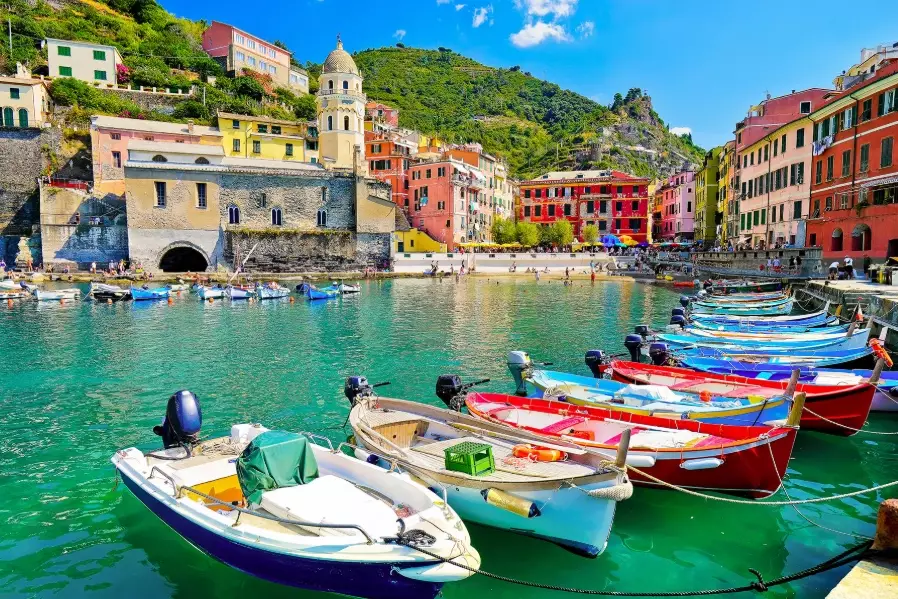
| Region & Star Towns | The Vibe & Who It's For | Best Time to Visit (To Avoid Hell) | Budget Feel (€ = Low, €€€ = High) |
|---|---|---|---|
| Amalfi Coast (Positano, Amalfi, Ravello, Atrani) | Dramatic, glamorous, steep. For honeymooners, luxury seekers, and those who don't mind stairs. It's busy. Really busy. | Late April-May or September-October. July/August is a hot, expensive, packed marathon. | €€€ |
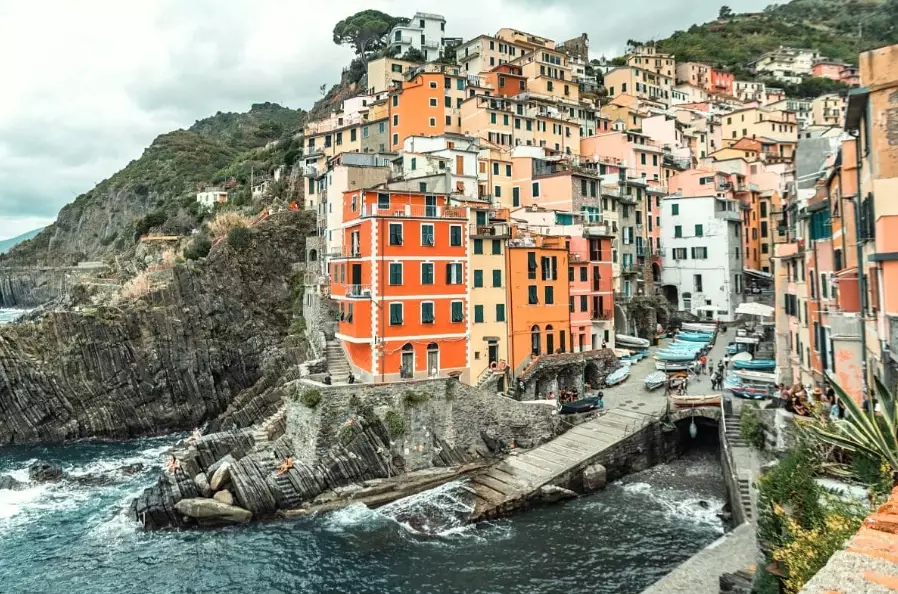
| Cinque Terre (Monterosso, Vernazza, Corniglia, Manarola, Riomaggiore) | Rustic-charm, hiking-focused, car-free. For active travelers, photographers, and wine lovers. Can feel like a theme park midday. | Shoulder seasons (Apr-May, Sep-Oct). Summer sees cruise ship crowds that overwhelm the villages. | €€ |
| Puglia's Salento & Valle d'Itria (Polignano a Mare, Monopoli, Ostuni, Alberobello) | Sun-bleached, laid-back, unique architecture (trulli!). For foodies, beach loungers, and road-trippers wanting more space. | June or September. July/August is hot but vibrant with local festivals. | €-€€ |
| Italian Riviera (Beyond Cinque Terre) (Portofino, Santa Margherita Ligure, Camogli) | Elegant, polished, yachty. For a more refined, less chaotic Ligurian experience with great seafood. | May-June, September. A good summer alternative if you base in Santa Margherita, not Portofino. | €€-€€€ |
| Sicily's Coast (Cefalù, Taormina, Syracuse/Ortigia, Aeolian Islands) | Wild, historical, fiercely authentic. For adventurers, culture vultures, and those who want coast plus ancient ruins. | April-June, September-October. August is fiercely hot and packed with Italians on holiday. | €-€€ |
The Amalfi Coast Deep Dive: More Than Just Positano
Everyone targets Positano. It's stunning. It's also a gravity well for tourists and your wallet. A one-night stay in a mid-range hotel in peak season can easily hit €400. The secret? Use it as a day trip.
Base yourself in Atrani or Minori. Atrani, just a 10-minute walk east of Amalfi town, is arguably Italy's smallest commune. It has a dark-sand beach, a charming square, and family-run trattorias where a plate of spaghetti alle vongole costs €14 instead of €28. You get the same views, the same sea, but you're living like a local who knows better than to fight for space on the main drag.
Ravello, high above the coast, isn't a beach town. It's a garden town. The views from Villa Cimbrone's Terrazza dell'Infinito are unparalleled. Come for the afternoon, have a coffee at Piazza Duomo, and escape the coastal humidity. The bus ride up is an adventure in itself.
Getting around? The SITA buses are the lifeline, but from Sorrento to Positano in July, you might wait over an hour for a bus with space. My rule: travel before 9 AM or after 5 PM. The ferries are a more scenic, often faster, and absolutely more pleasant alternative. The timetable is your bible.
Cinque Terre: Hiking the Crowds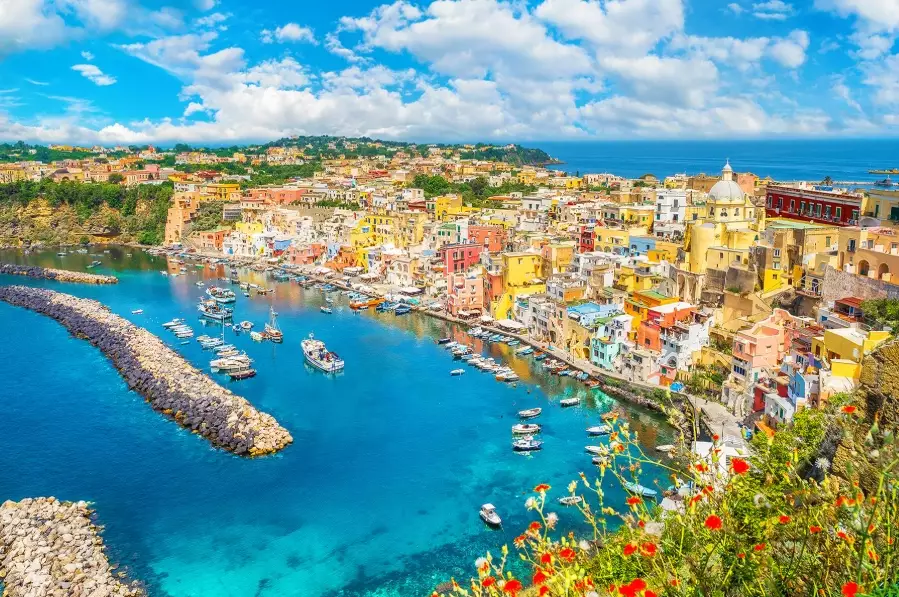
The iconic sentiero azzurro (Blue Trail) connecting the five villages is often partially closed for maintenance. Check the Cinque Terre National Park website before you plan your hiking day. The most reliable and stunning hike is between Monterosso and Vernazza (about 90 minutes). It's challenging but worth every step.
Most people day-trip from La Spezia, flooding the villages between 11 AM and 4 PM. Stay overnight. After the last train chugs away, Vernazza's harbor becomes peaceful. You'll hear Italian being spoken at dinner. Consider basing in Levanto or Bonassola, the lovely towns just north of the park. They have great beaches, normal prices, and are a quick train ride into the heart of the Cinque Terre.
Don't just train-hop. Take the ferry at least one way. The perspective from the water is the one you see in photographs.
A Non-Consensus Tip: Everyone says "buy the Cinque Terre Card." Do the math. If you're only taking one or two train rides between villages and doing one paid hike, buying individual train tickets and the hiking pass separately might be cheaper. The card is great for unlimited train travel, but if you're hiking most of the day, you won't use it enough.
Planning Your Italian Coastal Town Itinerary: A 7-Day Sample & Key Considerations
Trying to do the Amalfi Coast and Cinque Terre in one week is a classic mistake. You'll spend more time on trains and ferries than enjoying anywhere. Pick one region and explore it deeply.
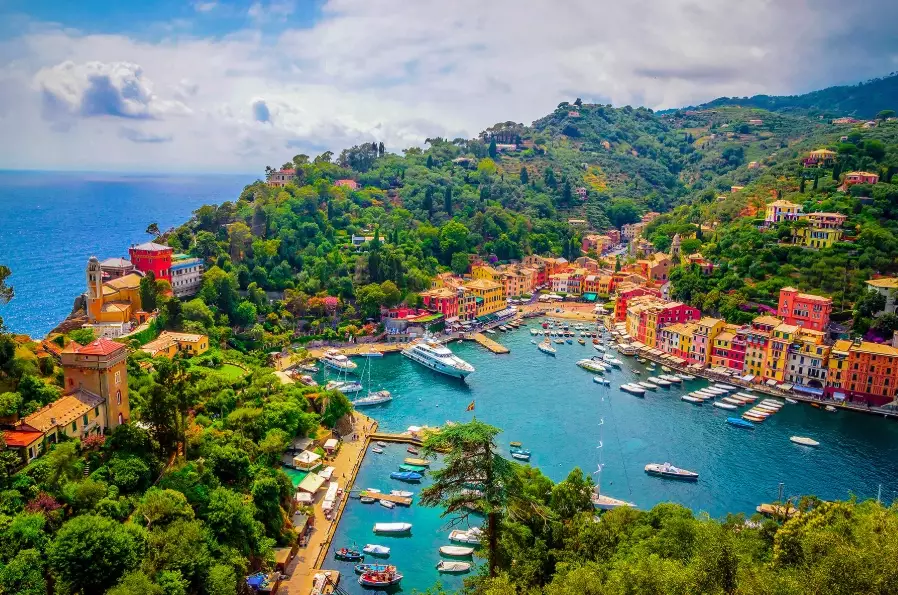
Here’s a realistic 7-day Puglia itinerary for a first-timer who wants variety:
- Days 1-3: The Valle d'Itria. Fly into Bari. Rent a car (non-negotiable for Puglia). Stay in a trullo masseria near Alberobello. Day 1: Explore Alberobello's Rione Monti (go early or late to avoid tour groups). Day 2: Drive to the white city of Ostuni for lunch and wander, then hit the beach at Torre Guaceto nature reserve. Day 3: Visit Locorotondo (the prettiest circular town) for wine tasting at a local cantina.
- Days 4-5: The Adriatic Coast. Drive to Polignano a Mare. Walk the old town, see the famous Lama Monachile cove, but swim at the more relaxed Cala Paura beach. Next day, explore Monopoli—its historic port and castle are less curated, more authentically lived-in.
- Days 6-7: Lecce & Departure. Drive south to Lecce, the "Florence of the South." Use it as a cultural base. On your last day, hit the stunning beaches south of Otranto like Baia dei Turchi before your evening flight out of Brindisi.
Budget? For a mid-range couple in shoulder season, excluding flights:
| Category | Estimated Cost (7 Days) | Notes |
|---|---|---|
| Accommodation (Trullo/Masseria) | €700-€1000 | A unique splurge that defines the trip. |
| Rental Car & Gas | €250-€350 | Book months in advance for best rates. |
| Food & Drink (Daily) | €80-€120 | Puglia is a food paradise. Orecchiette, burrata, seafood. |
| Activities & Entries | €100 | Most costs are for food, gas, and lodging. |
| Total Per Couple | €1150-€1570 | Significantly cheaper than a similar Amalfi trip. |
Essential Logistics: Getting Around, Staying & Eating in Italy's Coastal Towns
Where to Stay: A Few Concrete Picks
Forget vague "charming B&B" descriptions. Here are specific places that offer real value.
- Amalfi Coast (Atrani): A Scalinatella (Via dei Dogi). A simple, clean B&B run by a wonderful family. Rooms from €120/night in shoulder season. The rooftop terrace has the classic view. You're 50 meters from Atrani's beach.
- Cinque Terre (Levanto): Albergo Primavera (Piazza Staglieno). A 2-minute walk from the train station and beach. Rooms from €90. Levanto is your calm, affordable gateway.
- Puglia (Valle d'Itria): Trulli Antichi (countryside near Alberobello). A restored trullo complex with pool. Self-catering option saves money on meals. From €140/night. Booking direct via their website often nets a 10% discount.
Eating Like a Local (Without the Show)
Look for places where the menu is short, handwritten, and in Italian only. Osterias and trattorias beat ristorantes for value and authenticity.
In Cinque Terre, skip the harborside restaurants in Vernazza. Walk two streets back to Il Pirata delle 5 Terre (Via Gavino). It's known for its granite and pastries, but their savory lunch focaccias are incredible and half the price of a sit-down meal.
In Puglia, go to a forno (bakery) for lunch. In Polignano, Il Panificio di Vito de Luca (Via Mulini 15) sells stuffed focaccia (try the potato and mozzarella) for €4. That's your beach picnic, sorted.
A negative? The famous L'Antica Trattoria in the center of a certain Amalfi town. It's become a tour bus stop. The food is fine, but it's an assembly line. You're paying for the location, not the experience.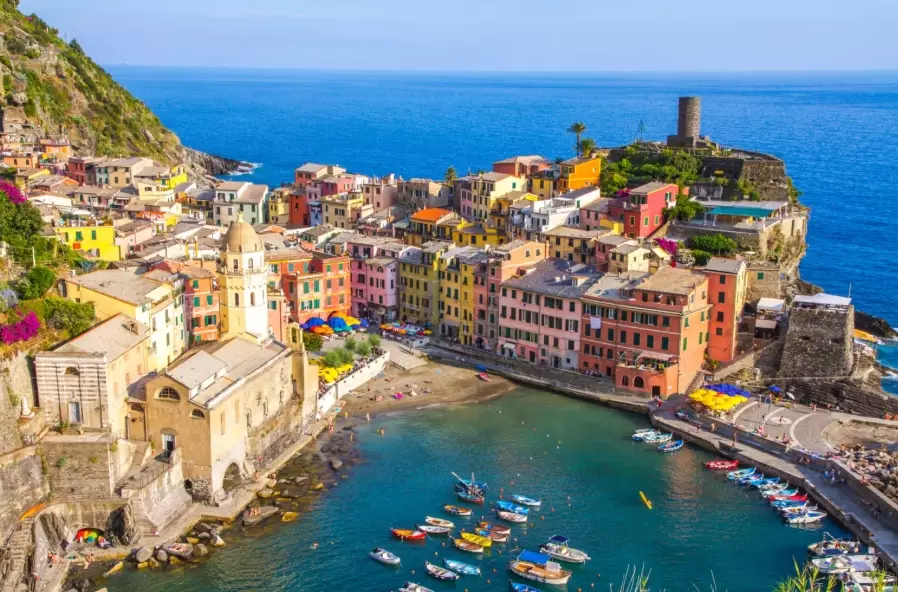
Italy Coastal Towns: Your Questions, Answered (Without the Fluff)
 We're on a tight budget. Which coastal area is most affordable?
Reader Comments