Quick Navigation
- Where Exactly is Northern California? The Great Boundary Debate
- What is Northern California Considered Culturally? Beyond the "Tech Bro" Stereotype
- The Economic Engines: It's Not Just Apps and VCs
- The Practical Side: What You Need to Know If You're Considering NorCal
- Your Northern California Checklist: Beyond the Obvious
- Common Questions (The Stuff You're Actually Searching For)
- The Final Word: A Place of Contrasts
So you're wondering, what is Northern California considered? If you're like most people, you probably have a few images flash through your mind. Maybe it's the Golden Gate Bridge shrouded in fog, or rows of grapevines in Napa Valley, or those giant redwood trees you've seen in pictures. Maybe you think of Silicon Valley and tech billionaires. Honestly, that's where most online articles stop. They give you the tourist brochure version. But if you're thinking about moving there, planning a trip that's more than just hitting the hotspots, or just trying to understand the place beyond the clichés, you need the real story.
I've lived here for over a decade, and let me tell you, the gap between what Northern California is considered and what it actually is can be pretty wide. It's not one thing. It's a collection of wildly different worlds stitched together by geography and a certain independent spirit. Asking "what is Northern California considered?" is like asking what a complex person is like—you'll get a different answer depending on who you ask and which part of their life you're looking at.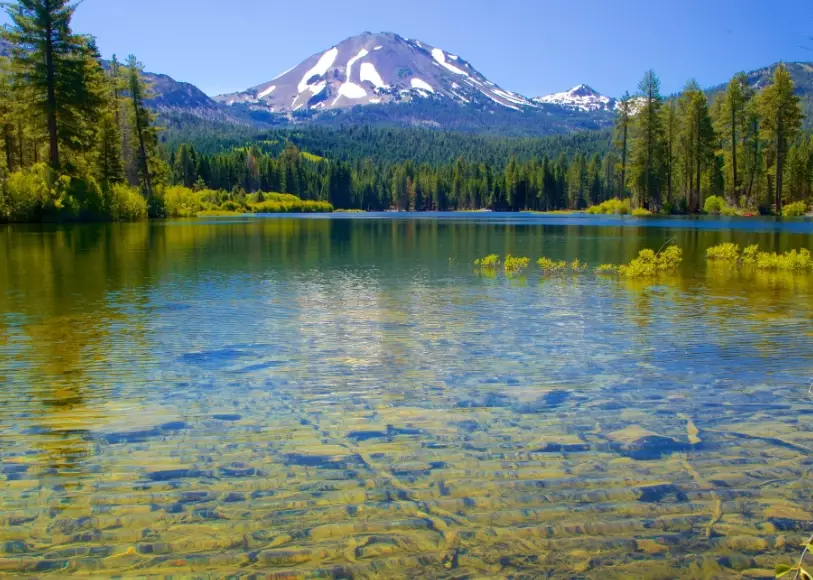
Where Exactly is Northern California? The Great Boundary Debate
This is the first big question, and it's trickier than you'd think. You won't find a "Welcome to Northern California" sign at a precise latitude. Different organizations and even different people draw the line in different places. For some, it's a straight line across the map. For others, it's about vibe and geography.
If you go by the most common state government planning divisions, Northern California often starts north of the Monterey-Kings county line. The California Department of Water Resources, for instance, uses hydrologic regions, and their "North Coast" and "San Francisco Bay" regions give you a technical, water-based definition. But let's be real, nobody on the street thinks in hydrologic regions.
For most folks, the mental dividing line between north and south is somewhere around the Tehachapi Mountains or maybe the city of Fresno. But ask someone from Sacramento and they'll definitely consider themselves Northern California. Ask someone from San Luis Obispo? They might say they're in Central California. It's fuzzy.
Personally, I think the most useful way to understand what is Northern California considered geographically is to break it into spheres of influence, not lines.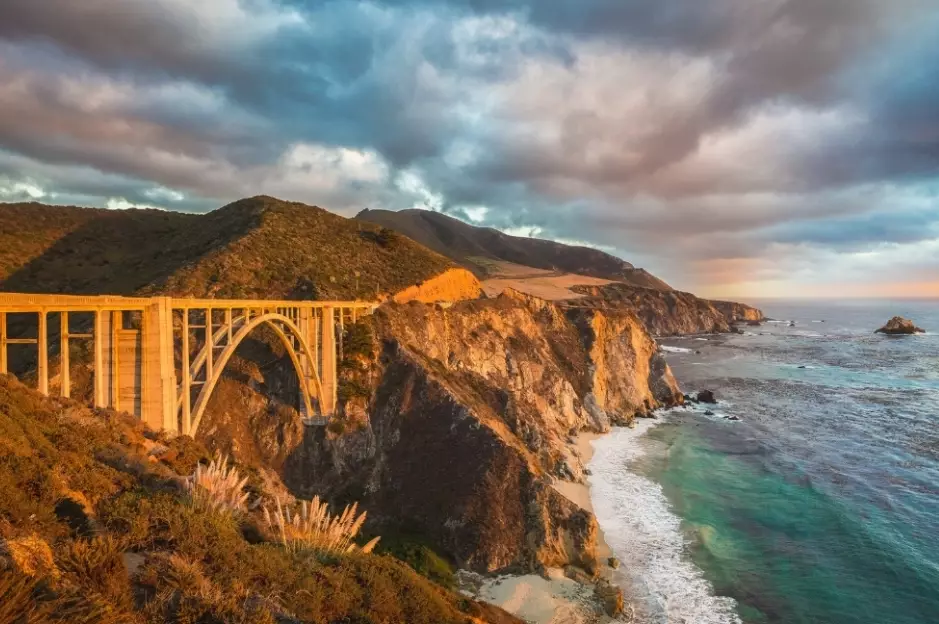
The Core Regions That Define NorCal
- The San Francisco Bay Area: The economic and cultural engine. This includes the city of San Francisco, Silicon Valley (San Jose, Palo Alto, etc.), the East Bay (Oakland, Berkeley), and the North Bay (Marin, Sonoma). This is the region that often dominates the national conversation.
- The Sacramento Valley: The state capital region. More government, more affordable living (relatively), and surrounded by farmland. It's a different pace than the coast.
- The North Coast: This is where you find the iconic redwoods. We're talking Humboldt County, Mendocino County. It's rugged, remote, and stunningly beautiful, with a strong legacy of logging and now, cannabis agriculture.
- The Wine Country: Napa Valley and Sonoma County. World-class vineyards, tourist-driven economies, and unfortunately, increasing threat from wildfires.
- The Sierra Nevada: This is Lake Tahoe, Yosemite National Park, and the gateway to the mountains. It's the outdoor playground for the whole state, but especially for Northern Californians.
When people ask "what is Northern California considered," they're usually picturing a blend of these areas, even if they don't know the names. The techy Bay Area, the woodsy North Coast, the vineyard-dotted hills—it's all part of the package.
What is Northern California Considered Culturally? Beyond the "Tech Bro" Stereotype
Okay, let's talk about the elephant in the room: Silicon Valley. Yes, the tech industry has reshaped the Bay Area's economy and demographics in massive ways. The wealth is insane, the housing prices are even more insane, and the influence is global. For many outsiders, Northern California is considered the land of startups, venture capital, and hoodie-wearing CEOs.
But that's a painfully incomplete picture. It's like defining the entire American South by Wall Street. If you only focus on tech, you miss the soul of the place.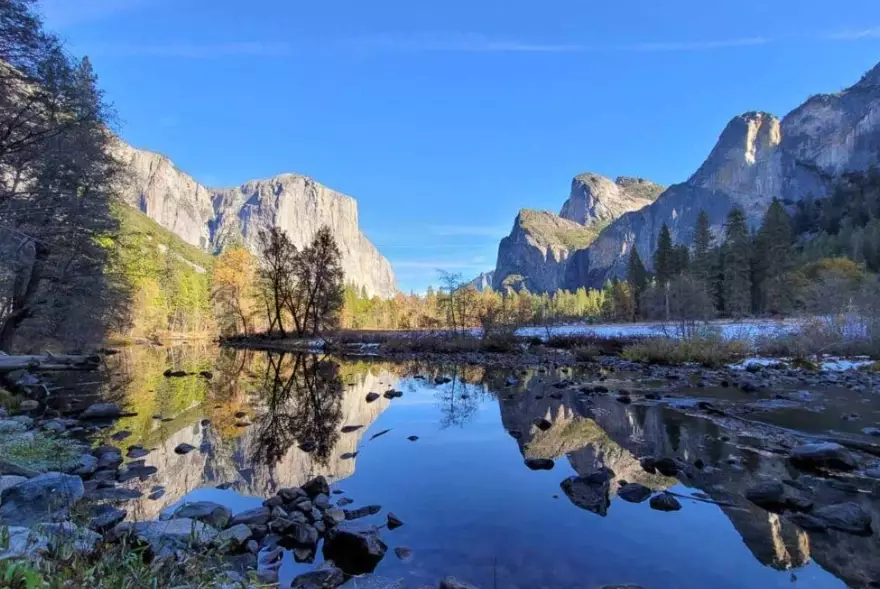
The cultural identity is a deep tapestry. There's a fierce environmental consciousness here that predates the tech boom. The legacy of the 60s counterculture in Berkeley and San Francisco is still palpable. There's a strong focus on local, organic food—farmers' markets aren't a trend here, they're an institution. There's a pronounced political progressive streak, though it gets much more libertarian and conservative once you leave the urban coastal zones.
What is Northern California considered in terms of lifestyle? It's often considered more relaxed, more outdoorsy, and more informally dressed than Southern California. The "Northern California uniform" might be Patagonia, jeans, and Blundstones, not the curated glamour you might associate with LA. The pace in San Francisco feels more hurried than in Humboldt, but still less image-obsessed than down south. It's a place where your hike over the weekend is a common Monday morning topic.
The Economic Engines: It's Not Just Apps and VCs
Sure, tech is the headline. Companies like Apple, Google, and Meta have campuses here that are like small cities. The wealth they generate is staggering. But to think that's all that's going on is a mistake. When you dig into what Northern California is considered economically, you have to look at these other pillars.
- Agriculture: California's Central Valley (the northern part of it) is one of the most productive agricultural regions on the planet. We're talking almonds, tomatoes, walnuts, dairy. According to the California Department of Food and Agriculture, the state's farms and ranches received over $50 billion for their output in a recent year, and a huge chunk of that comes from the northern part of the state.
- Wine: Napa and Sonoma are global brands. The wine industry drives tourism, hospitality, and of course, agriculture. It's a huge economic and cultural force.
- Green Energy & Sustainability: This is a growing sector. From solar power to electric vehicles (Tesla was born here), there's a whole economy built around environmental tech.
- Government & Education: Sacramento is the state capital. UC Berkeley, Stanford, UC Davis—these are world-class research universities that spin off innovation and employ thousands.
So, while tech money might set the cost of living, the region's economic foundation is surprisingly diverse. A lot of people make a good living here who have never written a line of code.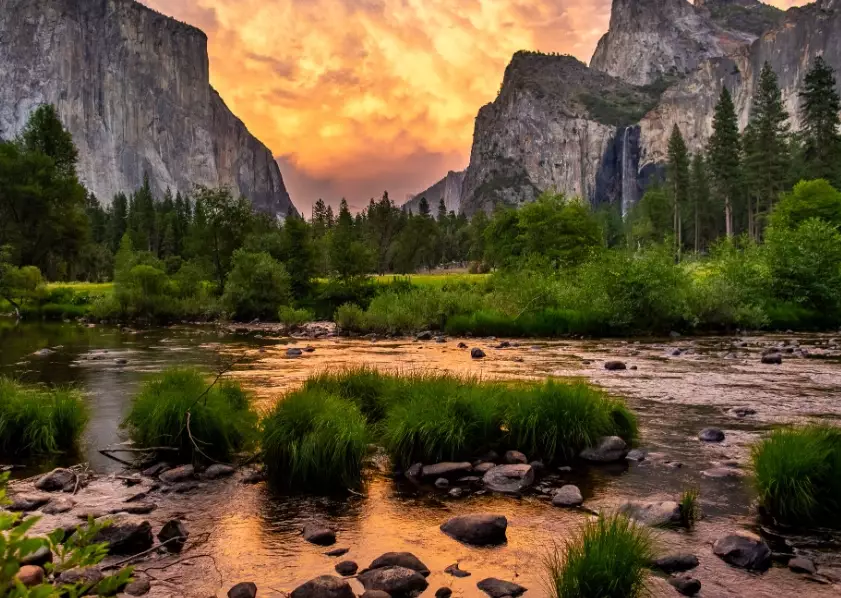
| Feature | Northern California (Generalized) | Southern California (Generalized) |
|---|---|---|
| Cultural Vibe | Tech-influenced, outdoorsy, environmentally conscious, more informal. | Entertainment-influenced, image-conscious, car-centric, diverse subcultures. |
| Climate Archetype | Mediterranean with cooler summers, foggy coastlines (SF), distinct seasons inland. | Classic Mediterranean: warmer, sunnier, drier year-round on the coast. |
| Key Industries | Technology, Wine, Agriculture, Green Energy. | Entertainment, Aerospace, International Trade, Tourism. |
| Urban Core Examples | San Francisco (dense, transit-oriented), Sacramento (government center). | Los Angeles (sprawling, car-dependent), San Diego (military/tourism). |
| Natural Icon | Redwood Forests, Sierra Nevada Mountains. | Beaches, Deserts (Joshua Tree), Palm Trees. |
That table simplifies things, of course. There's huge variation within each region. But it helps answer the common follow-up question: how is what Northern California is considered different from the south?
The Practical Side: What You Need to Know If You're Considering NorCal
Let's get down to brass tacks. If you're reading this, you might be planning a move or a long visit. Here's the unvarnished truth they don't put in the travel guides.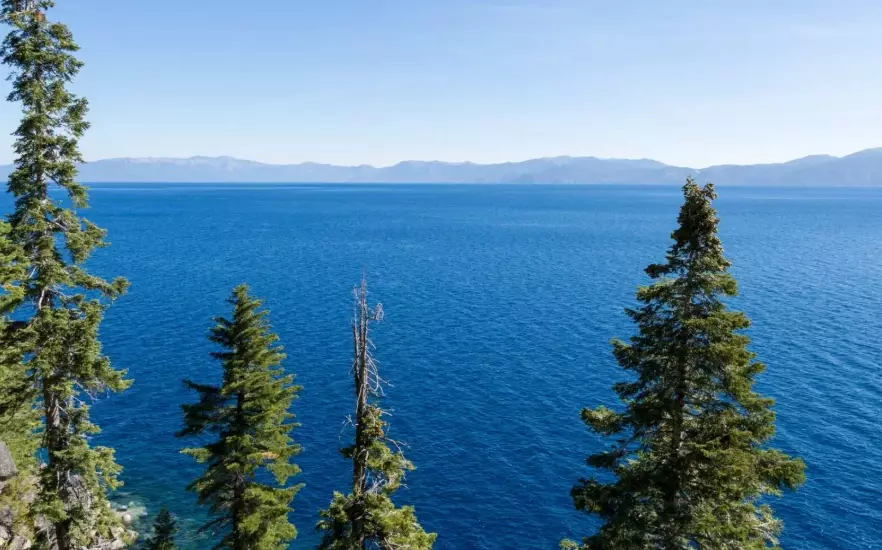
The Not-So-Great Parts (Let's Be Honest)
Cost of Living: It's brutal, especially in the Bay Area. Housing is the big one. Buying a home feels like a fantasy for many. Renting is painfully expensive. Everything from gas to groceries costs more.
Homelessness and Inequality: The wealth disparity is visible and jarring, particularly in San Francisco and Oakland. It's a complex, tragic issue that every resident grapples with.
Traffic: Highway 101 and I-80 during rush hour are nightmares. Public transit is good in parts of the Bay Area (BART, Muni) but virtually non-existent in other regions.
Fire Season: This is the new reality. Late summer and fall bring anxiety about wildfires. The air quality can become dangerous, even far from the fires themselves. It's a serious environmental and health concern.
The "Cool" Factor: Sometimes the relentless focus on being innovative, sustainable, and progressive can feel a bit... performative. There's a pressure to have the right opinions, shop at the right stores, eat the right food.
Now, why do people put up with all that? Because the good parts are really, really good.
The Undeniable Draws
Natural Beauty & Access: This is the number one reason for me. In under two hours from San Francisco, you can be in a giant redwood forest, on a dramatic Pacific beach, or hiking in a world-class national park. The variety is unreal. The National Park Service manages incredible sites here like Point Reyes National Seashore and Muir Woods.
Food and Drink Culture: It's not pretentious (well, not always). It's born from incredible local ingredients. The farm-to-table thing started here for a reason. The wine, the cheese, the sourdough bread, the seafood—it's all phenomenal.
Intellectual Energy: Whether it's a university town or a tech hub, there's a sense that things are being invented, discussed, and debated. It can be exhausting but also stimulating.
Generally Progressive Social Policies: This matters to a lot of people. Strong environmental protections, LGBTQ+ rights, and a (theoretically) robust social safety net are part of the fabric.
So, when someone asks what is Northern California considered by those who live here, it's a mix of deep frustration and deep love. It's a complicated relationship.
Your Northern California Checklist: Beyond the Obvious
If you visit, skip just doing Fisherman's Wharf and the Golden Gate Bridge. Here’s what to do to get the real feel.
- Drive Highway 1 north from San Francisco. Stop at Point Reyes Station for oysters, hike at the National Seashore, keep going to Mendocino.
- Spend a day in a non-tech town. Go to Sacramento's Midtown for great food and a more relaxed capital city vibe. Wander around downtown Petaluma or Nevada City.
- Visit a redwood grove, but not just any. Muir Woods is famous but packed. Try Armstrong Redwoods State Natural Reserve or, better yet, get a permit to see the towering giants in Humboldt Redwoods State Park.
- Go to a farmers' market. The Ferry Building in SF on a Saturday is an experience, but even the small town ones are fantastic. Talk to the farmers.
- Experience the Sierra. In winter, go skiing near Tahoe. In summer, hike in Yosemite (book way in advance) or backpack in the Desolation Wilderness.
That last point is crucial. The mountains are as much a part of the Northern California identity as the coast. The answer to "what is Northern California considered" isn't complete without the Sierras.
Common Questions (The Stuff You're Actually Searching For)
Let me guess, some of these are bouncing around in your head.
Is Northern California considered a good place to live?
It depends entirely on your priorities and budget. If you value outdoor access, a progressive culture, and career opportunities in tech/green energy, and you can handle the cost, yes. If you're on a modest income or crave a more affordable, slower-paced life, specific towns outside the Bay Area might work, but the big cities will be a struggle.
What is Northern California considered weather-wise?
Forget the "sunny California" stereotype for the coast. San Francisco is famously cool and foggy, especially in summer. Mark Twain supposedly never said that "coldest winter I ever spent was a summer in San Francisco," but the sentiment sticks because it feels true. Inland, in the valleys and the Sierras, you get hot, dry summers and cooler, sometimes rainy winters. It has seasons.
What is the most Northern California considered city?
This is a fun debate. San Francisco is the historic heart. Berkeley has the counterculture cred. Arcata in Humboldt feels like its own eco-conscious republic. Sacramento feels the most like a "normal" American city but with California perks. There's no single answer.
Is it more expensive than Southern California?
Generally, the Bay Area is more expensive than even Los Angeles, especially for housing. But SoCal has its own brutally expensive pockets (Orange County, parts of LA). Once you get outside the Bay Area in NorCal, prices drop significantly.
What is Northern California considered in terms of safety from natural disasters?
Earthquakes are a risk everywhere. Wildfires are a major and growing threat, particularly in wooded and grassy areas. Droughts are a recurring issue. Flooding can happen in the valleys. It's a geologically active place—you trade risk for breathtaking scenery.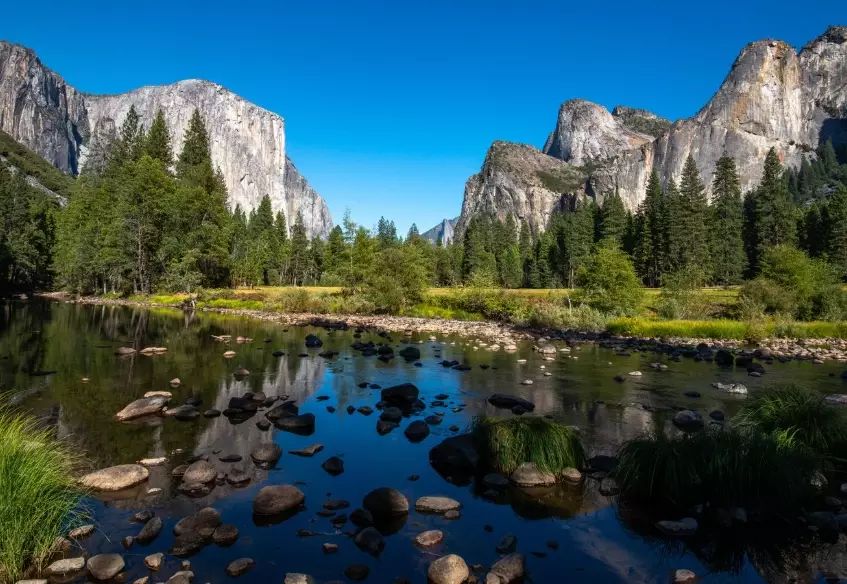
The Final Word: A Place of Contrasts
So, what is Northern California considered? It's considered a tech hub, but also a farming powerhouse. It's considered politically blue, but has vast red counties. It's considered unbearably expensive, yet people flock here for the quality of life. It's considered the home of cutting-edge innovation and ancient, timeless forests.
The real answer is that it's all of these things, often in tension with each other. It's a region defined by its contrasts—between incredible wealth and visible poverty, between hyper-modernity and primal nature, between a global outlook and a fiercely local sensibility.
Understanding what Northern California is considered means embracing that complexity. It's not a simple postcard. It's a messy, beautiful, frustrating, and inspiring place that defies easy labels. And that, perhaps, is the most Northern California thing about it.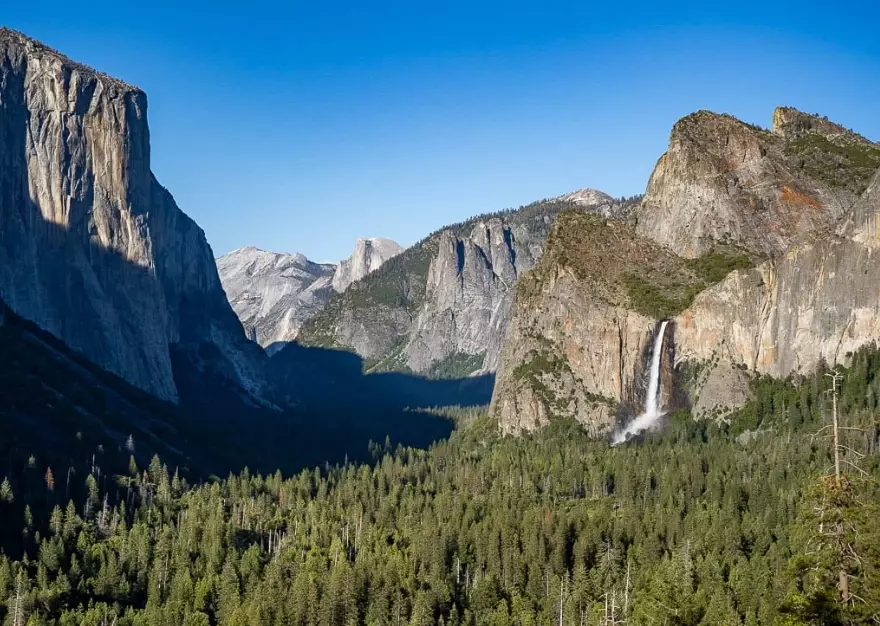
Maybe you'll visit and fall in love with the fog rolling over the coastal hills. Maybe you'll get a job here and grumble about the rent while planning your next weekend in the mountains. Or maybe you'll decide it's not for you. But at least now, you'll have a sense of the real place, not just the stereotype. And you can answer the question for yourself.
Reader Comments