Ask ten travelers about the best time to visit islands, and you might get ten different answers. The "perfect" month doesn't exist. It's a moving target that depends entirely on what you want from your trip. Is it flawless weather you're after, or empty beaches? A vibrant social scene, or the deepest discounts? The secret isn't finding a universal calendar date, but understanding the trade-offs between seasons and matching them to your personal priorities. Let's cut through the generic advice and build a framework for your perfect island timing.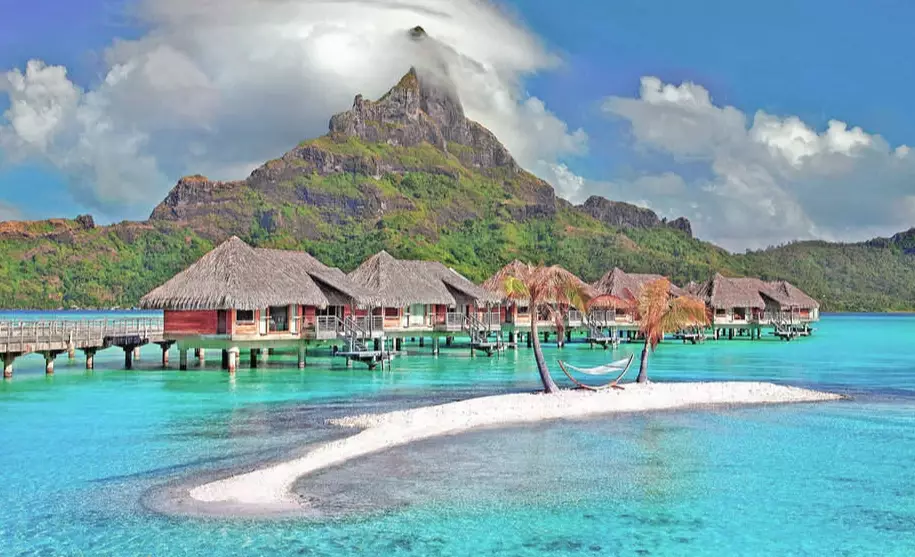
Your Island Timing Cheat Sheet
Why There's No One-Size-Fits-All "Best Time"
Most guides point to the "shoulder season"—the weeks between peak and off-peak—and call it a day. It's not bad advice, but it's incomplete. I once followed it blindly to the Greek Islands in late September, expecting mild weather and thinning crowds. The weather was great, but half the restaurants in Mykonos I wanted to visit had already closed for the season, and ferry schedules were reduced. I saved money, but missed part of the experience.
The real calculation involves three constantly shifting variables: climate, cost, and crowds. Optimizing for one usually means compromising on another. Chasing perfect weather often leads you straight into peak season prices and packed beaches. Prioritizing a tight budget might land you in the rainy season. Your job is to decide which variable is non-negotiable, which one you can tolerate, and which one you're willing to sacrifice.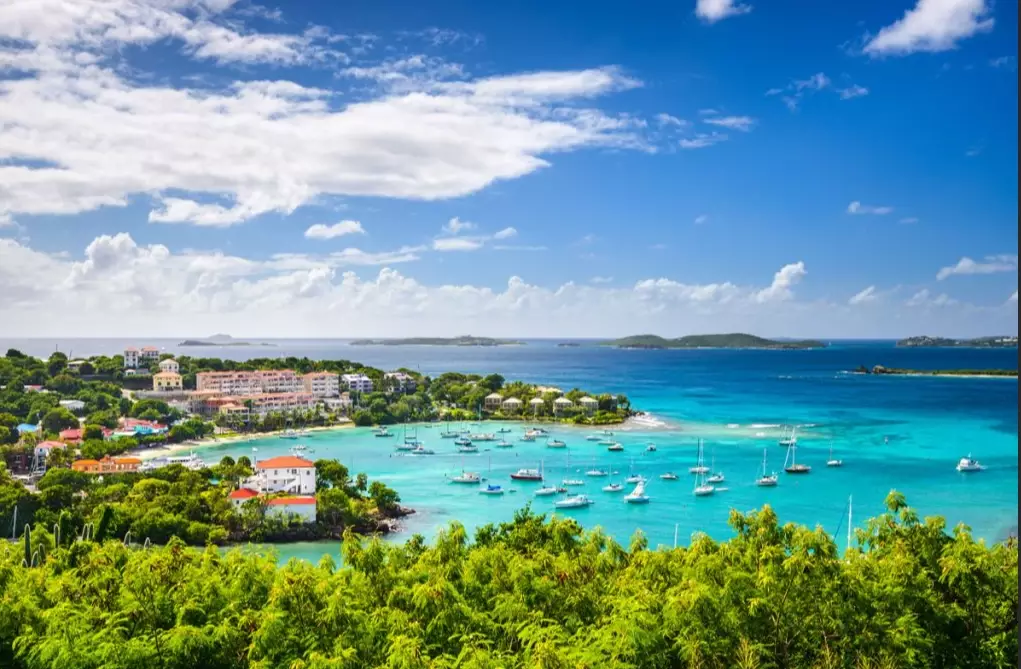
Decoding Island Seasons: Weather, Crowds & Costs Compared
Let's break down what each season truly means on the ground. This table isn't just about labels; it's about the actual experience and practical implications for your trip.
| Season | Typical Months | Weather Vibe | Crowd Level & Vibe | Price Tag | Best For... |
|---|---|---|---|---|---|
| Peak / High Season | Dec-Mar (Caribbean), Jun-Aug (Med), Dec-Jan (SE Asia beaches) | Guaranteed sunshine, minimal rain, ideal beach weather. Sometimes very hot. | Maximum. Beaches are busy, restaurants need reservations, attractions have lines. Vibe is lively, social. | Highest. Flights and hotels can be 50-100% more than off-peak. Book months ahead. | Sun-seekers who prioritize guaranteed weather, families tied to school holidays, and social travelers. |
| Shoulder Season | Apr-May, Sep-Oct/Nov (varies greatly) | Generally good, warm. Chance of brief showers. Sea is warm. "Almost perfect" conditions. | Moderate. Noticeably quieter than peak but most services are open. A comfortable balance. | Moderate. Good deals appear, especially on lodging. More flight availability than peak. | Value-conscious travelers who want good weather without extreme crowds. Great for photography and relaxation. |
| Off-Peak / Low / Green Season | Jun-Nov (Caribbean hurricane season), Nov-Mar (SE Asia monsoon side) | Unpredictable. Can range from sunny days to heavy rainstorms. Higher humidity. Risk of hurricanes/cyclones in some regions. | Minimal. You might have a beach to yourself. Some hotels/restaurants close for renovation or holiday. | Lowest. Exceptional deals on luxury resorts. Last-minute bargains are common. | Budget adventurers, solo travelers, those who don't mind rain and seek cultural immersion over sunbathing. |
The shoulder season gets its reputation for a reason—it often hits the sweet spot. But look closer at the "Off-Peak" row. This is where the biggest misconceptions lie. The Caribbean "hurricane season" (June-November) statistically has a higher risk of storms, but the peak of that risk is typically a narrow window (late August to October). Visiting in early June or late November often means you get near-perfect weather, empty beaches, and half-price villas. You're trading a very small statistical risk for massive rewards. It's a calculated gamble I take often.
Best Time to Visit Islands by Region
Island geography is everything. A calendar month means completely different things in the Maldives versus the Canary Islands.
The Caribbean & Bahamas
The dry, sunny peak runs from mid-December to April. This is when everyone from the Northeast flees the cold. Prices are astronomical, especially around Christmas. The true sweet spot is late April to early June. The winter crowds have left, the rainy season hasn't fully settled in, and water temperatures are sublime for diving. Hurricane season anxiety starts to build by August. If you go then, prioritize islands like Aruba, Bonaire, and Curacao which sit outside the main hurricane belt.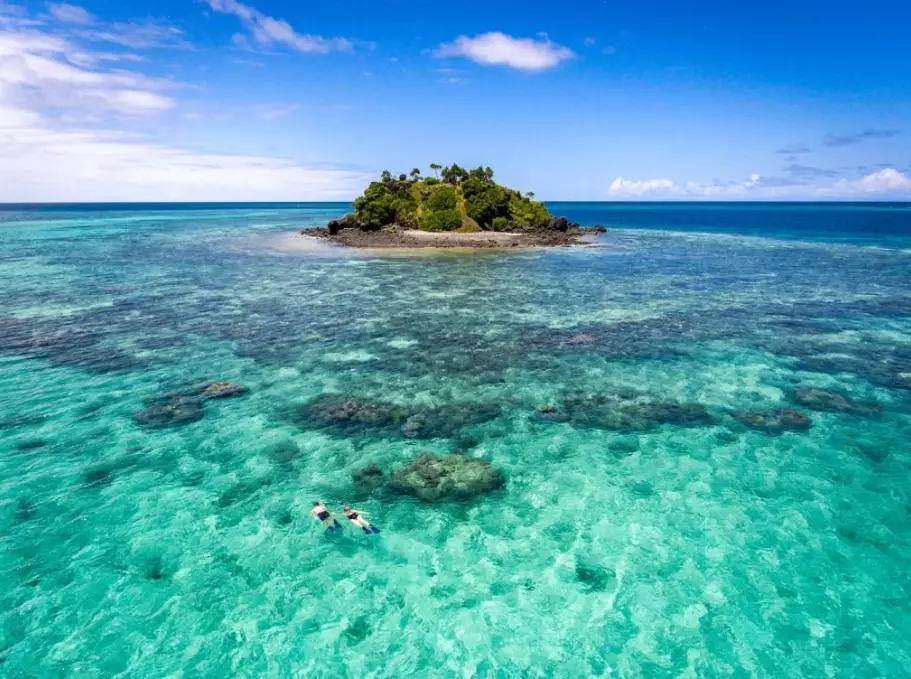
Southeast Asia & Pacific (Thailand, Philippines, Bali, Fiji)
This is trickier due to monsoon winds. There are two key seasons: the wet and the dry, and they flip sides of the islands. For Thailand's west coast (Phuket, Krabi), the dry season is Nov-Apr. For the east coast (Koh Samui), it's Jun-Oct. Bali's dry season is April-October. The shoulder months (May & October in Bali, for example) are lush, green, less crowded, and still see plenty of sun. The deep wet season (Jan-Feb in Bali) can mean daily downpours that disrupt travel plans.
The Mediterranean (Greek Isles, Balearics, Cyprus)
Peak summer (Jul-Aug) is fiercely hot and crowded. The best swimming weather actually extends into September and even early October, when the sea has been warmed all summer. May and June are brilliant for hiking and sightseeing before the scorching heat. Many smaller islands essentially shut down from November to March.
Hawaii
Hawaii's weather is great year-round, but its "seasons" are defined by crowds and surf. Peak times are winter (Dec-Mar) for whale watching and big wave surfing on north shores, and summer (Jun-Aug) for family vacations. The April-May and September-October periods offer a reprieve in crowds and prices while maintaining excellent weather.
Beyond Weather: Other Factors That Define the "Best" Time
Weather is just the opening act. These other elements can make or break your perception of the perfect time.
Special Events & Wildlife: Do you want to witness the synchronous spawning of coral on the Great Barrier Reef (a few nights after the full moon in November)? Or see humpback whales in Maui (December to April)? Maybe experiencing the full moon parties in Koh Phangan or the Carnival in Trinidad is your goal. These events lock you into specific times and will override general weather advice.
Budget Reality: Your budget might dictate your season. The price difference between a peak-season and off-peak-season villa in the Maldives can easily exceed $1000 per night. If a luxury overwater bungalow is the dream, going in the shoulder/off-peak might be the only way to afford it. Be honest about what you're willing to spend.
Your Travel Personality: Are you a planner who needs everything booked and perfect, or a spontaneous traveler who thrives on last-minute deals? Peak season requires military-level planning. Off-peak seasons reward flexibility. If you hate crowds more than you hate rain, the equation shifts dramatically.
Local Insight: A tip you won't find in most guides: In many tropical destinations, the "rainy season" often means a predictable pattern of short, intense afternoon showers followed by clear skies. Your mornings are almost always sunny. You can plan your beach time for the morning, take a nap or long lunch during the rain, and enjoy a cool, fresh evening. It's a rhythm, not a ruinous event.
How to Choose Your Best Island Travel Time: A Practical Framework
Stop searching for the perfect month. Instead, work through these steps.
Step 1: Lock in your non-negotiable. Is it a specific event (a friend's wedding, a festival)? A strict budget ceiling? A requirement for guaranteed sunshine for a once-in-a-lifetime honeymoon? Start there.
Step 2: Research the micro-climate of your specific target island(s). Don't just Google "best time for Thailand." Search "weather patterns Koh Lanta May" or "hurricane history Turks and Caicos October." Use resources like the World Meteorological Organization (WMO) for climate data.
Step 3: Cross-reference with crowd calendars. Look at historical flight and hotel price charts on travel sites. Check when local school holidays are—European summer break will flood Mediterranean islands in August regardless of weather.
Step 4: Embrace flexibility if you can. If your dates are flexible, use a flight search tool with a "whole month" view to see the cheapest times to fly to your desired region, then check the weather for those specific weeks.
For example, if your non-negotiable is budget and you dream of the Caribbean, your process leads you to the fringe months of hurricane season. You then research and might choose early December, just before peak prices hit, or late November, right after the hurricane risk drops significantly. You've just defined your personal "best time."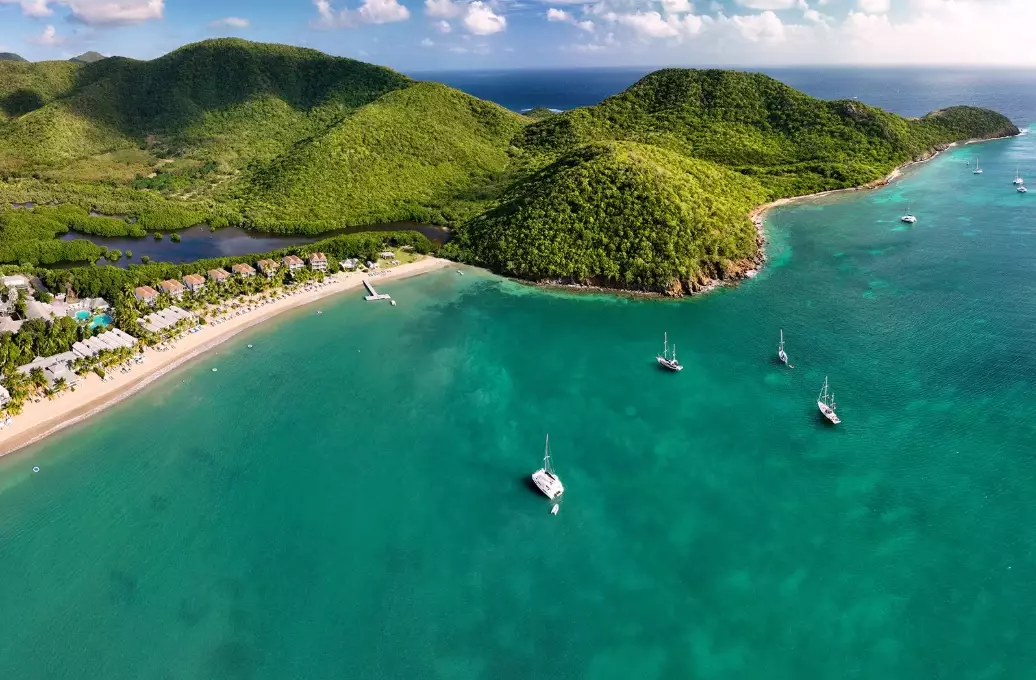
Your Island Timing Questions Answered
Is the shoulder season really the best time to visit all islands?
Not universally. In some places, the shoulder season is very short or not distinct. In the Seychelles, for instance, the trade winds shift in April-May and October-November, which can make seas rougher on certain sides of the islands—great for windsurfing, not so great for calm snorkeling. Always research the specific shoulder months for your destination.
How reliable are weather forecasts for tropical islands?
Short-term forecasts (3-5 days) are fairly reliable. Long-range forecasts (months out) are almost useless for predicting daily weather. They show climate averages. Instead of looking at a forecast for "rain," look at historical averages for rainfall in millimeters and the number of rainy days. A month with 200mm of rain spread over 15 short showers is very different from 200mm falling in two days of non-stop storms.
We want to avoid crowds but are worried things will be closed in the off-season. How do we check?
This is a smart concern. Direct research is key. Look at the social media pages of hotels and restaurants you're interested in from the previous year. Did they post in September? Did they announce a seasonal closure? Travel forums like TripAdvisor are gold for this—search "[Island Name] closed September" and read recent traveler reviews from that month. Often, only the most tourist-trappy places close; local favorites stay open.
What's the single biggest mistake people make when picking island travel dates?
Assuming their home hemisphere's seasons apply. Traveling from a European winter to "escape the cold" to a tropical island is logical. But traveling from a European summer to a tropical island might land you in the heart of its humid, rainy season. Remember: tropical regions have wet/dry cycles, not the four-season model. And the Southern Hemisphere's seasons are flipped (their summer is Dec-Feb). Always think in terms of the destination's climate calendar, not your own.
T he best time to visit an island is a personal equation, not a public fact. It's the intersection of your budget, your tolerance for risk and crowds, and the specific experiences you crave. Ditch the generic calendar. Do the work to understand the trade-offs for your dream destination. Sometimes the "wrong" time on paper—a slightly cloudier week, a fringe month with a passing shower risk—becomes the right time for you, offering a more authentic, affordable, and peaceful slice of paradise. That's the real secret.
Reader Comments