Let's clear something up first. You'll often see it called "Horseshoe Bend National Park," but that's not its official name. It's simply Horseshoe Bend, a stunning geological feature managed by the City of Page and part of the larger Glen Canyon National Recreation Area overseen by the National Park Service. This tiny detail trips up a lot of planners. The name confusion doesn't matter once you're standing there, though. That first glimpse of the Colorado River carving a perfect 270-degree turn 1,000 feet below is something you don't forget.
I've been multiple times, in different seasons and at different hours. I've seen people arrive unprepared, miserable in the midday heat, and I've watched photographers miss the shot because they didn't know where to stand. This guide is everything I wish I'd known before my first visit, packed with the nitty-gritty details that turn a good trip into a great one.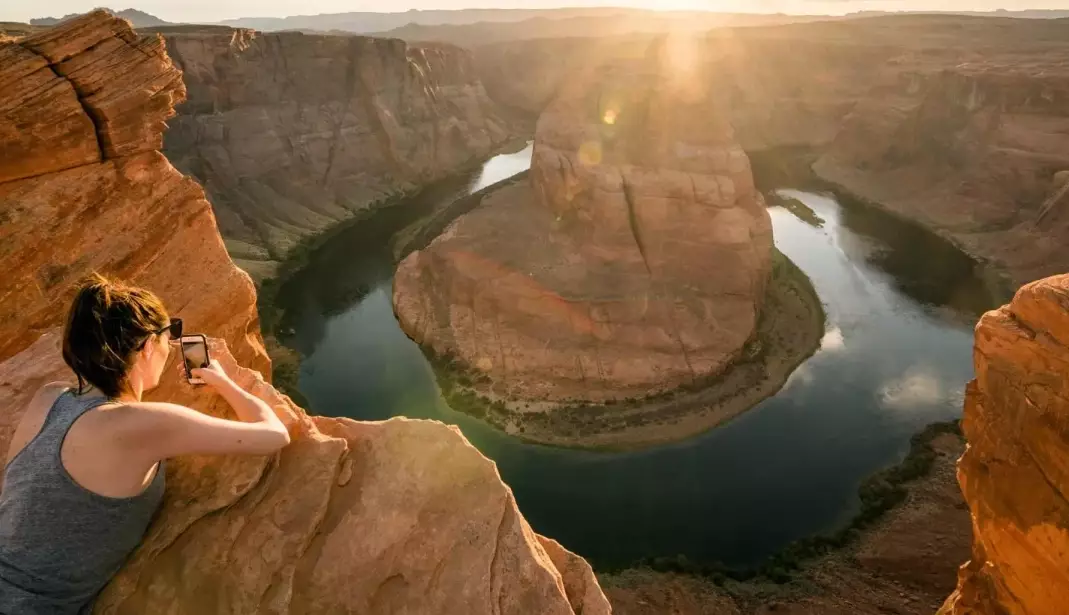
Your Quick Guide to Horseshoe Bend
- What Exactly Is Horseshoe Bend?
- How to Get to Horseshoe Bend: Parking & Fees
- The Hike: What to Really Expect on the Trail
- The Best Time for Photography & Avoiding Crowds
- Essential Safety Tips (More Than Just "Don't Fall")
- What to Pair With Your Visit: Nearby Attractions
- Your Horseshoe Bend Questions Answered
What Exactly Is Horseshoe Bend?
Horseshoe Bend is where the Colorado River decides to take a dramatic, almost perfectly circular detour through the Navajo sandstone. The overlook sits on the edge of a sheer cliff. There are no guardrails along most of the rim (a fact that surprises many first-timers), offering an unobstructed, dizzying view straight down.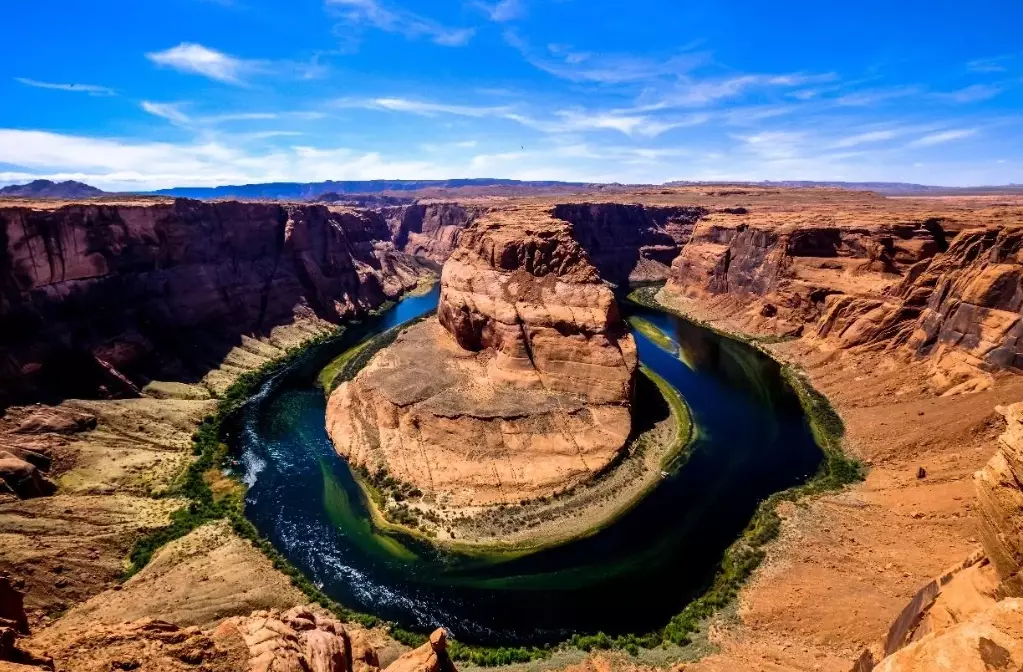
Key Facts at a Glance
Location: Just south of Page, Arizona, along US Highway 89.
Management: City of Page, within Glen Canyon NRA.
Elevation at Overlook: ~4,200 feet (1,280 meters).
River Elevation: ~3,200 feet. That's a 1,000-foot drop.
Formation: Navajo Sandstone, carved over millions of years by the Colorado River.
The scale is hard to grasp from photos. The river looks like a tiny green ribbon, but down there, those are full-sized rafts. The silence at the rim, broken only by the wind, amplifies the grandeur. It's a stark, powerful landscape that feels ancient.
How to Get to Horseshoe Bend: Parking & Fees
This isn't a remote wilderness trek. The turn-off is right off the highway, 5 miles south of Page. The biggest change in recent years is the formal parking lot. You can't just pull over on the dirt anymore.
| Fee Type | Cost | Details |
|---|---|---|
| Car / Motorcycle | $10 | Flat fee. Covers all occupants. |
| Commercial Van (6-14 seats) | $35 | Tour group pricing. |
| Bus (15+ seats) | $140 | Large tour bus fee. |
| Annual Pass | $40 | For locals or frequent visitors. |
The parking lot is huge, but it fills up between 10 AM and 2 PM. Payment is by credit/debit card at machines; have cash as a backup. From the lot, it's a straightforward 0.6-mile (1 km) walk each way to the overlook on a sandy, uphill path. They've paved the first section and added ramps, making it more accessible than the old dirt scramble.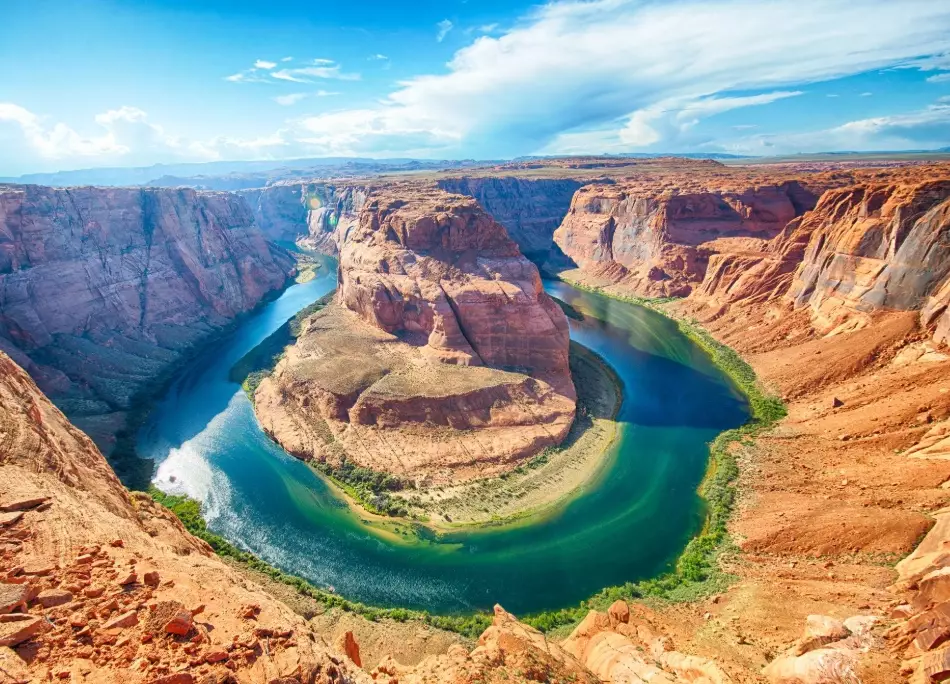
The Hike: What to Really Expect on the Trail
Everyone calls it a "short hike," which is technically true. But calling it "easy" is where people get misled, especially if visiting in summer.
The 0.6-mile distance is one-way. You're walking 1.2 miles round-trip. The path is a steady, gentle incline on the way there. It's exposed, with zero shade. In July, the ground radiates heat and the sun is relentless. I watched a family with young kids turn back halfway because they only had one small water bottle between them.
What to Bring: A full liter of water per person, minimum. Sturdy shoes (sand can be hot and slippery). A wide-brimmed hat and sunglasses. The walk takes about 15-20 minutes each way if you're steady. Allow more time if it's hot or you're stopping for photos.
The Best Time for Photography & Avoiding Crowds
This is the most common question, and most blogs just say "golden hour." Let's be more specific.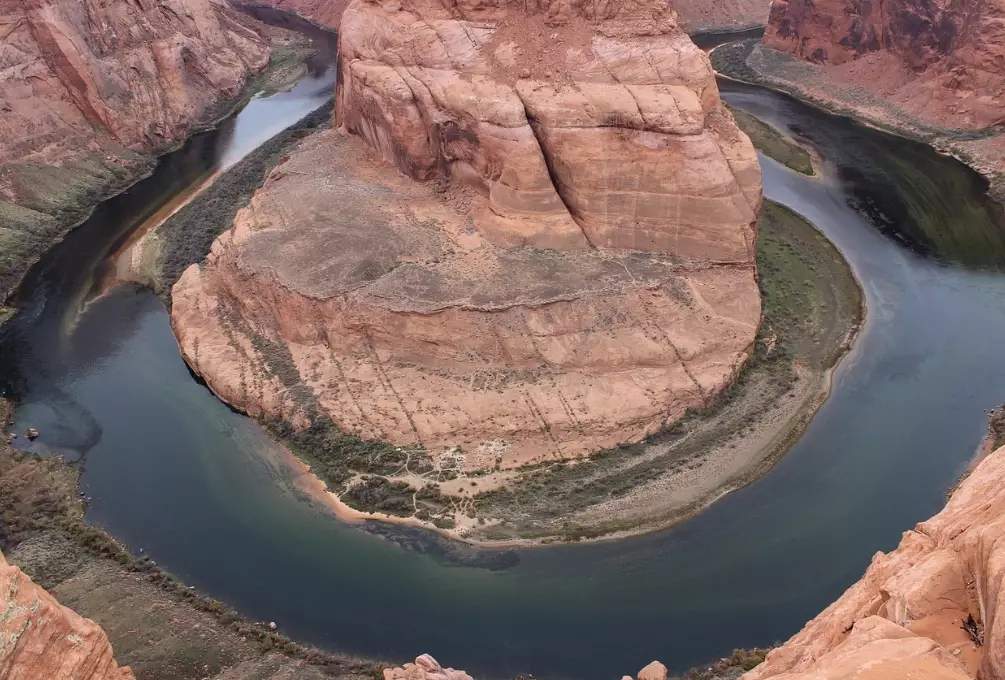
The worst time for photos: Midday, from about 11 AM to 1 PM. The sun is directly overhead, casting harsh shadows and washing out the deep colors of the canyon. The river can look flat and dull.
The best times, ranked:
- Late Morning (9-11 AM): The sun lights up the eastern cliff face (the one you stand on) and starts to illuminate the river bend. Crowds are building, but light is good.
- Afternoon (3 PM to Sunset): This is the winner. The entire horseshoe becomes bathed in warm, side-lit sunlight. The shadows define the cliffs, and the river glows. Sunset itself is spectacular, but you'll be hiking back in twilight or dark (bring a headlamp).
- Sunrise: The bend is in shadow, creating a moody, cooler-toned image. Far fewer people. A unique, serene experience.
A non-consensus tip: If you want the classic "river glowing in the sun" shot, you need the sun to be positioned to hit the water. From roughly March to September, the afternoon sun angles into the bend. In deep winter, the sun stays lower and may not fully light the inner curve by late afternoon. Check a sun position app like PhotoPills if you're serious about the shot.
Essential Safety Tips (More Than Just "Don't Fall")
Yes, the cliffs have no rails. Use common sense: don't go near the edge if it's windy, don't run, and watch your footing. But there are other, less obvious risks.
Heat & Hydration Are Your Real Enemies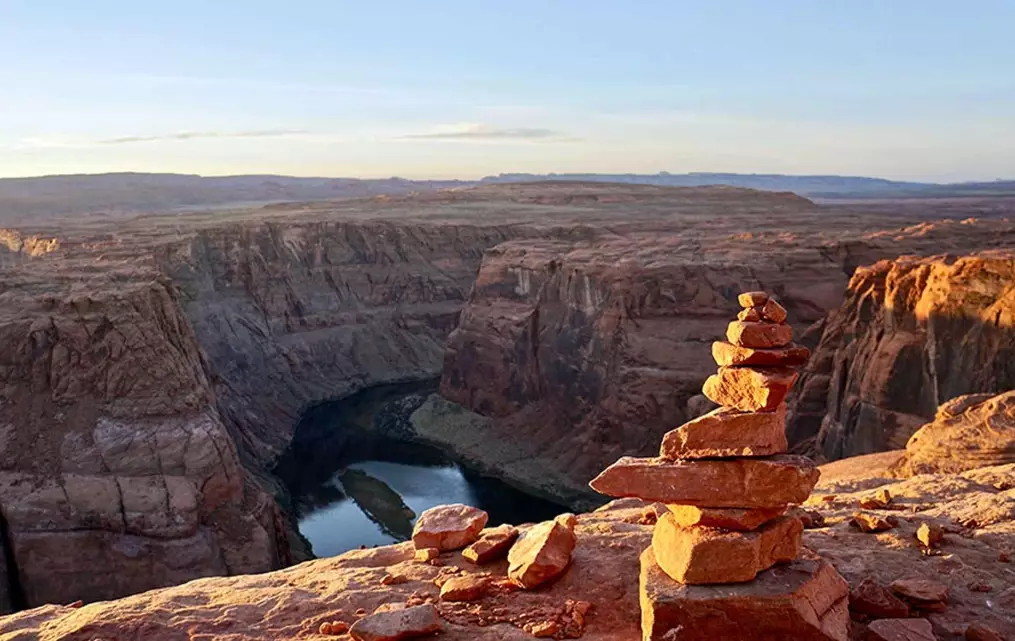
Dehydration and heat exhaustion are the most common issues. The dry air tricks you—you might not feel sweaty, but you're losing fluids fast. Drink water before you feel thirsty. If you feel lightheaded or nauseous, find one of the few shaded benches or sit in the covered pavilion at the trailhead.
Footing and Photography
People backing up for a selfie cause more anxiety than anything. Set your shot, plant your feet, then take the photo. Don't walk backward while looking through your viewfinder. The sandstone can have loose gravel patches.
For families, this isn't a playground. Keep a very close hand on young children. The National Park Service has warnings about cliff edges for a reason—they are unstable and can crumble.
What to Pair With Your Visit: Nearby Attractions
You're in one of the most scenic corners of the Southwest. Horseshoe Bend alone is worth the trip, but combining it makes for an epic day.
The Classic Combo: Antelope Canyon
Upper or Lower Antelope Canyon, the famous slot canyons, are in Page. You must book a guided tour in advance—they sell out days or weeks ahead, especially for midday light beam times. A morning Antelope Canyon tour followed by a late afternoon at Horseshoe Bend is the perfect one-day itinerary.
Lake Powell & Glen Canyon Dam
Take a boat tour on Lake Powell or visit the Glen Canyon Dam overlook for a different perspective on the Colorado River's power. The Carl Hayden Visitor Center has informative displays.
For the Ambitious: A Grand Circle Day
It's a long but doable day trip from the South Rim of the Grand Canyon (about 2.5 hours drive one way). Leave at dawn, hit Horseshoe Bend by 9 AM, do an Antelope Canyon tour, and return to the Grand Canyon for sunset. It's a marathon, but you'll see two iconic landscapes.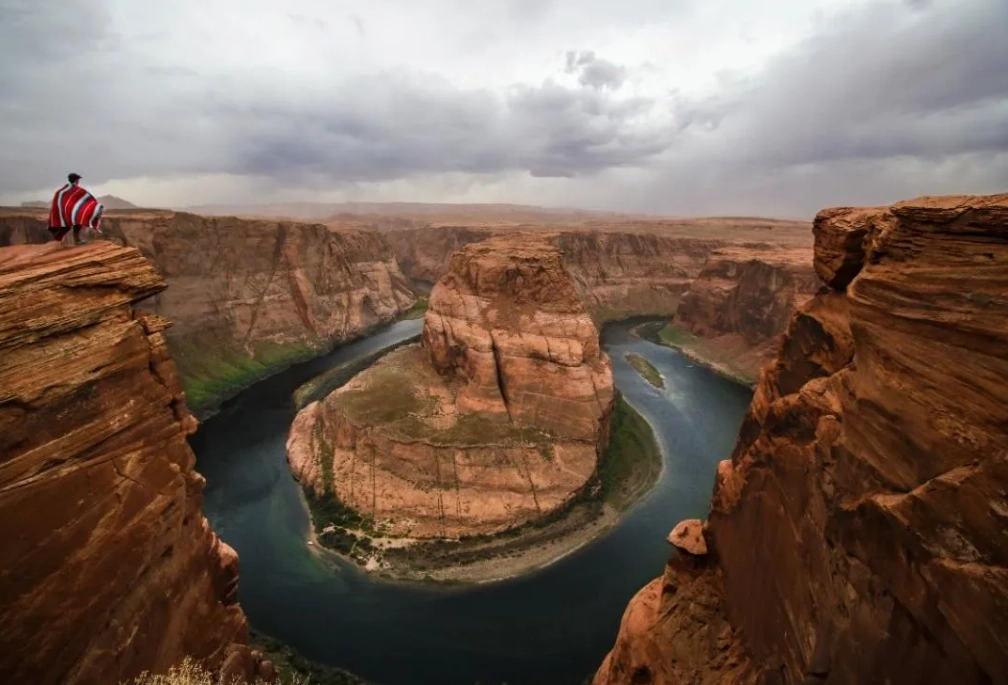
Your Horseshoe Bend Questions Answered
Is Horseshoe Bend safe to visit with young kids?
It can be, with extreme vigilance. The total lack of barriers is a major concern. I'd recommend a sturdy child carrier/backpack for toddlers rather than a stroller (the path is sandy). Hold hands constantly at the overlook. For very active or unpredictable young children, the stress might outweigh the view. Consider if the experience is right for your family's comfort level.
Can I visit Horseshoe Bend and Antelope Canyon in the same day without a car?
Yes, but you'll need to join a tour. Several companies in Page offer combined tours that handle all transportation. This is often easier than coordinating separate bookings and parking. Look for tours that schedule Antelope Canyon first (often requiring very early pick-ups) and Horseshoe Bend for late afternoon light.
 What's the biggest mistake first-time visitors make?
Underestimating the sun and heat, and overestimating their hydration. I've seen too many people start the walk with a small plastic bottle of water on a 95°F (35°C) day. They're struggling by the time they reach the overlook. Your priority should be water, then sunscreen, then your camera. Also, not checking the tour situation for Antelope Canyon before arriving—disappointment is guaranteed if you just show up.
Are drones allowed at Horseshoe Bend?
No. The entire area is managed by the National Park Service (Glen Canyon NRA) and falls under their regulations, which prohibit launching, landing, or operating drones without a permit. This is strictly enforced to protect visitor safety, privacy, and the natural soundscape. You'll see signs at the parking lot.
What should I do if I arrive and the parking lot is full?
This happens regularly during peak season (spring break, summer, holiday weekends). Staff will temporarily close the entrance. Your options are to wait in a queue (which can be 30+ minutes), or come back later. The best strategy is to arrive early (before 9 AM) or later in the afternoon (after 3 PM). There is no alternative parking along the highway; you will be ticketed or towed.
Horseshoe Bend is more than a photo op. It's a direct encounter with geological time. A little planning—for the heat, the light, the crowds—transforms it from a checkbox stop into a profound experience. Bring water, wear a hat, give yourself time, and let that view sink in.
Reader Comments