Let's get this straight. The San Francisco Peaks aren't just a pretty backdrop for Flagstaff. They're a massive, ancient volcanic field and Arizona's highest mountain range. If you're searching for "San Francisco Peaks things to do," you're probably imagining epic hikes and crisp mountain air. You're right, but you're also missing about half the picture. Most guides just tell you to climb Humphreys Peak. I've been exploring these mountains for over a decade, and the real magic often happens off the state's highest trail.
Your Adventure Starts Here
Getting to Know the San Francisco Peaks
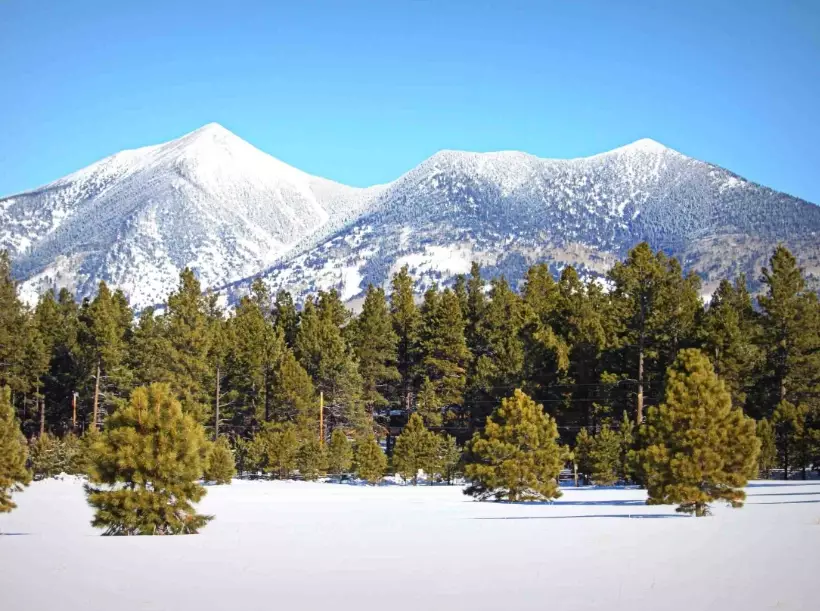
The San Francisco Peaks are about 10 miles north of downtown Flagstaff. The range includes several summits, with Humphreys Peak (12,633 ft) being the tallest. The entire area is part of the Coconino National Forest. The main hub for activities is the Arizona Snowbowl ski area, which operates a scenic chairlift in the summer. A common mistake? Thinking it's a quick trip from Phoenix. It's a 2.5-hour drive minimum, and the altitude jump is serious—you go from 1,000 feet to over 7,000 feet. Your first afternoon might feel sluggish. Plan for it.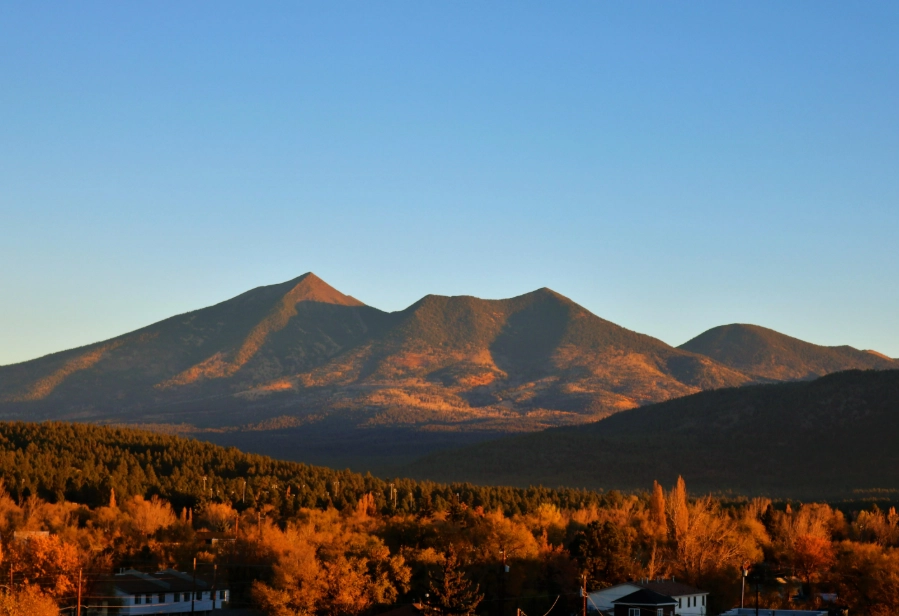
Key Location Info: The main access is via US-180 N from Flagstaff. Turn onto Snowbowl Road (FR 516) for the ski area and most trailheads. There's a $10 day-use fee per vehicle if you park at the Snowbowl lot (America the Beautiful passes accepted). No entrance fee if you use other Forest Service trailheads, but always check current conditions with the Coconino National Forest website.
Hiking the San Francisco Peaks: Trails for Every Level
Everyone talks about Humphreys. It's a right of passage. But it's also a grueling, all-day affair that chews up unprepared hikers. Let's break down your options.
The Big One: Humphreys Peak Trail
Trailhead: Arizona Snowbowl upper parking lot (end of Snowbowl Rd). Distance: 10.5 miles out & back. Elevation Gain: 3,300 ft. Time: 6-9 hours for most.
It's not technically hard, but the altitude and exposure are. The summit is above the tree line, and afternoon thunderstorms are a real, dangerous threat from July to September. Start by 6 AM. No joke. I've seen too many people turned around by lightning at 11 AM. The view? Unmatched. You can see the Grand Canyon on a clear day.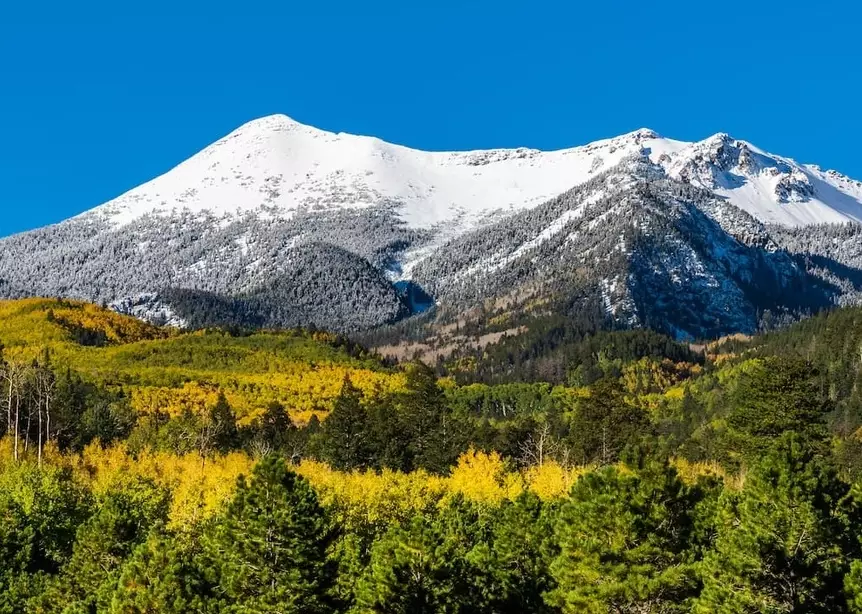
My Favorite Hidden Gems
If you're not up for the summit grind, these trails offer better scenery per mile of effort.
| Trail Name | Trailhead Location | Difficulty | Length (RT) | Why It's Great |
|---|---|---|---|---|
| Kachina Trail | Snowbowl Rd, just before the ski area. | Moderate | 10 miles (can be shorter) | Winds through massive aspen groves. Less crowded, perfect for fall colors. |
| Inner Basin Trail | Lockett Meadow Campground (access road is rough). | Moderate | 4 miles | Hikes into the heart of the ancient volcano. Stunning wildflower meadow in summer. |
| Weatherford Trail | Off Schultz Pass Rd (FS 420). | Strenuous | Varies (up to 18 miles) | A longer, more gradual approach to the peaks. Solitude and history (old road). |
Lockett Meadow road is a pain—narrow, dirt, and often crowded. Get there early or consider hiking in from another trailhead.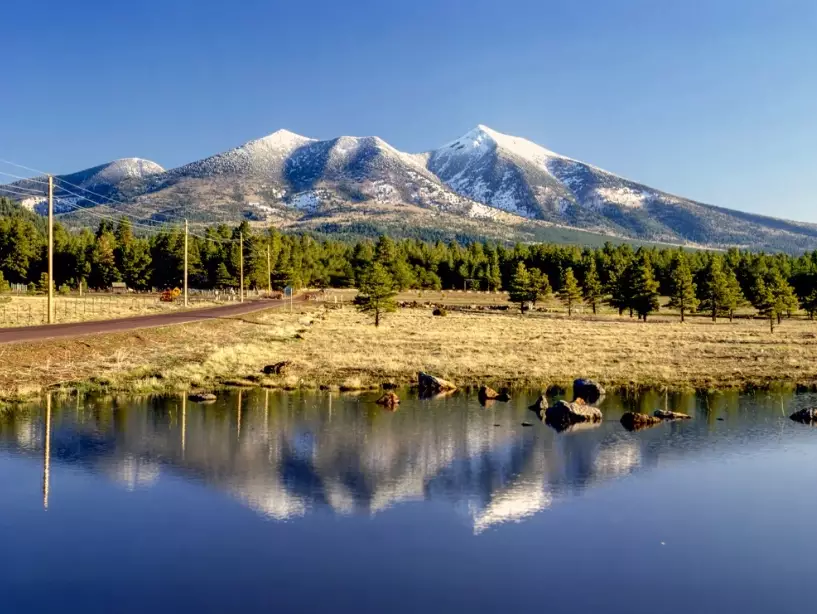
Winter on the Peaks: More Than Just Skiing
Arizona Snowbowl is the center of winter action. Address: 9300 N Snow Bowl Rd, Flagstaff, AZ 86001. Their season typically runs from late November to early April, but it's totally snow-dependent. Check their website for live cams and lift status.
Skiing/Snowboarding: It's a local mountain. Don't expect Vail. It has 777 acres, a few high-speed quads, and terrain for all levels. Lift tickets are around $100-$120 for adults on peak days. Rentals are available on-site. The vibe is relaxed.
The Scenic Chairlift: This is a year-round winner. In winter, you can ride the Hart Prairie Lift (#4) for stunning snowy vistas without strapping on skis. It's cheaper than a ski ticket and utterly peaceful. They often have fire pits at the top.
Snowshoeing & Cross-Country Skiing: The trails around the base and the wider Hart Prairie Preserve are perfect for this. You can rent gear in Flagstaff at places like Peace Surplus. No lift ticket needed for the forest trails.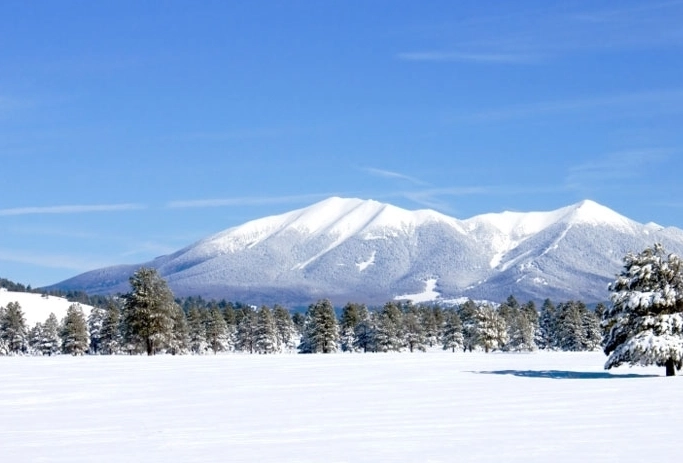
Beyond Hiking: Stargazing, Culture & Nearby Gems
The Peaks are a gateway.
World-Class Stargazing: Flagstaff is the world's first International Dark Sky City. The mountains block city glow. For an easy, epic spot, drive to the Lower Lake Mary pull-offs or the Meteor Crater area (further east). Want a guided experience? The Lowell Observatory in town is a must. Pro tip: A red-light headlamp preserves your night vision. White light ruins it for everyone.
Cultural Touchpoints: The Peaks are sacred to over 13 Native American tribes. Respect the land. Learn about this significance at the Museum of Northern Arizona in Flagstaff before you go.
Pair Your Trip With:
- Sunset Crater Volcano & Wupatki National Monuments: 30 minutes east. See a cinder cone and ancient pueblos.
- Downtown Flagstaff: Historic Route 66 vibe, great breweries (Mother Road, Historic), and restaurants.
- Walnut Canyon National Monument: Cliff dwellings just 10 minutes from I-40.
How to Plan Your Visit: A Practical Guide
Best Time to Go
Summer (June-Sept): Best for high-elevation hiking. Beware of monsoon storms (July-Aug). Fall (Late Sept-Oct): Prime time. Aspens turn gold, weather is perfect. Winter (Dec-Mar): For snow sports. Spring (Apr-May): Unpredictable. Lower trails are muddy or snowy at the top.
Getting There & Around
You need a car. From Flagstaff, take US-180 N for 7 miles, turn left on Snowbowl Rd (FR 516) for 7 more miles to the Snowbowl base. The road is paved all the way. In winter, carry chains or have 4WD/AWD—it's law during storms.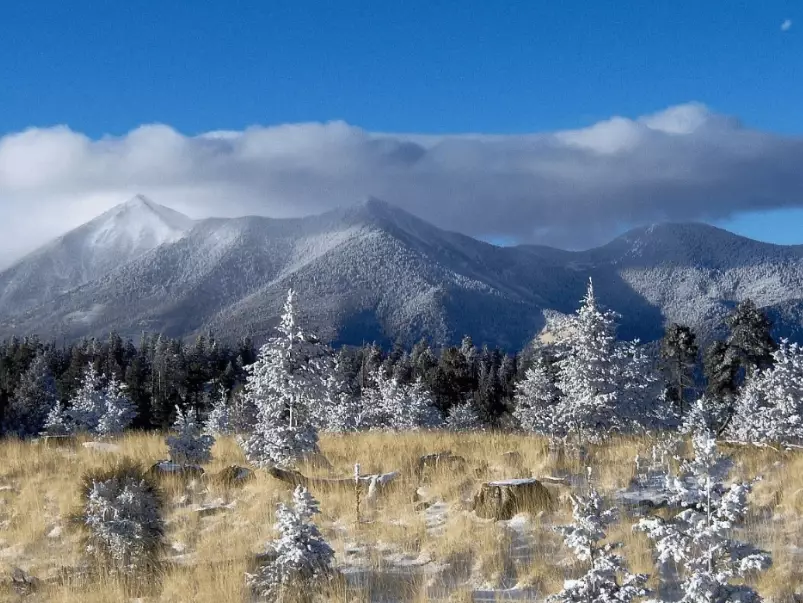
Where to Stay & Eat
Camping: Official USFS campgrounds like Bonito (near Sunset Crater) or Dairy Springs fill fast. Dispersed camping is allowed in much of the national forest—follow Leave No Trace principles.
Flagstaff Hotels: Everything from budget chains to the cool Drury Inn & Suites downtown. Book far ahead for fall weekends.
Food: Pack a lunch. In Flagstaff, grab a post-hike burger at Diablo Burger or a massive salad at Tourist Home All Day Cafe.
What to Pack (The Often-Forgotten Stuff)
Beyond the ten essentials: Layers. The summit can be 30°F colder than the base. A windbreaker is non-negotiable. Sunscreen and a hat. The sun is intense at altitude. Twice as much water as you think. I aim for 3-4 liters for Humphreys. Cash for the parking fee.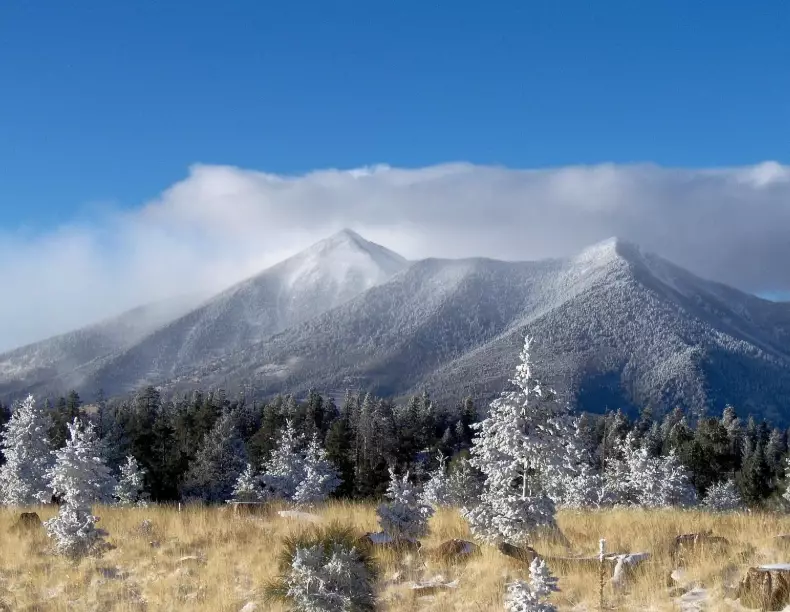
Reader Comments