You've seen the photos—a shock of milky blue-green water cutting through a deep, rust-colored canyon in the middle of the Arizona desert. It looks almost unreal. That's the Little Colorado River Gorge, and one of the most accessible spots to see it is from the Little Colorado River Gorge Overlook on the Navajo Nation. But here's the thing most blog posts glaze over: getting there involves more than just following GPS. You're entering sovereign tribal land with its own rules, and the raw beauty comes with real, unfenced edges.
I’ve driven the road from Cameron to the Grand Canyon more times than I can count, and I’ve seen the same mistakes happen. People showing up without the right permit, expecting facilities that aren't there, or underestimating the exposure at the cliff's edge. This guide cuts through the fluff. We’ll cover exactly what you need to know—the permit process, the real driving time, what the short hike is actually like, and how to stay safe while getting those unforgettable views.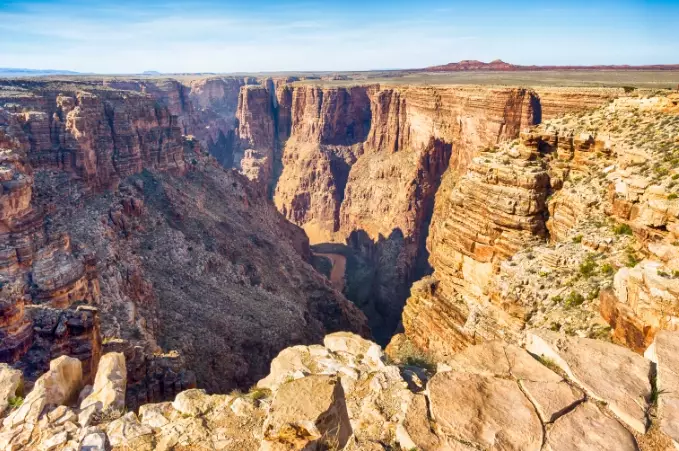
Quick Guide
The Hike Basics: Distance, Difficulty & What to Really Expect
Let's be clear from the start. This isn't a wilderness trek. The walk from the parking area to the primary overlook viewpoint is short—maybe a 5 to 10-minute stroll on a wide, packed dirt path. Round trip, you're looking at under half a mile with minimal elevation change.
The physical difficulty is easy. I've seen people do it in sandals (though I don't recommend it).
The challenge, and the entire point of the visit, is psychological.
You crest a small rise, and the ground simply falls away. There are no guardrails, no fences, no safety nets. The canyon walls plunge hundreds of feet straight down to the river. The scale is jarring. The first time I went, I instinctively took a step back. The wind can whip up unexpectedly. The path leads you right to the very edge of the abyss. It’s breathtaking in the most literal sense, and it demands respect.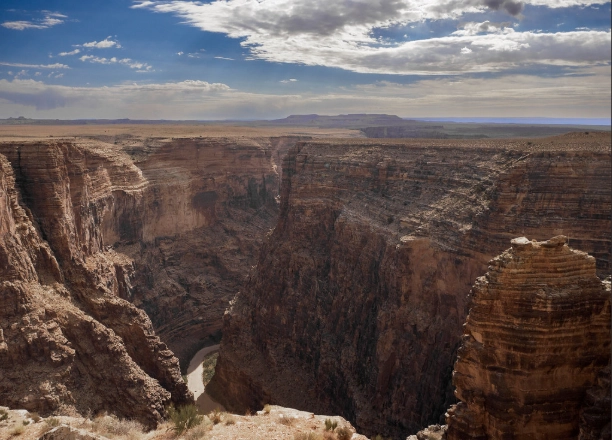
Little Colorado River Gorge Overlook At a Glance
Location: Navajo Nation, Arizona. Approximately 15 miles northwest of Cameron, AZ, and about 50 miles east of Grand Canyon Village.
Hike Length: ~0.4 miles round trip.
Elevation Gain: Negligible.
Estimated Time: 30-60 minutes for viewing and photos.
Facilities: A gravel parking lot and a basic pit toilet. No water, no shade, no visitor center.
Fee: Access requires a Navajo Nation Recreation Land Use Permit (purchased separately). No additional fee at the overlook itself.
Open: Typically daylight hours. It's an undeveloped site, so access is generally 24/7 but not advised at night.
The Viewpoint Itself: More Than One Spot
Most people stop at the first obvious overlook. That's fine, but if you're steady on your feet and cautious, explore a bit along the rim to the west (to your right when facing the canyon). The main path continues, offering slightly different perspectives and angles of the river's bend. You might find a slightly more sheltered spot away from others. Every step requires total attention to where your feet are.
What are you looking at? That brilliant water gets its color from dissolved calcium carbonate and other minerals leaching from the limestone upstream. The color is most intense when the flow is high. During dry periods or in winter, don't be surprised if it looks more like chocolate milk. It’s a lottery of nature.
Getting There & The Non-Negotiable Navajo Permit
This is the part that trips up most first-timers. The overlook is not managed by the National Park Service. It's on the Navajo Nation. You are a guest on their land, and they require a permit for recreation.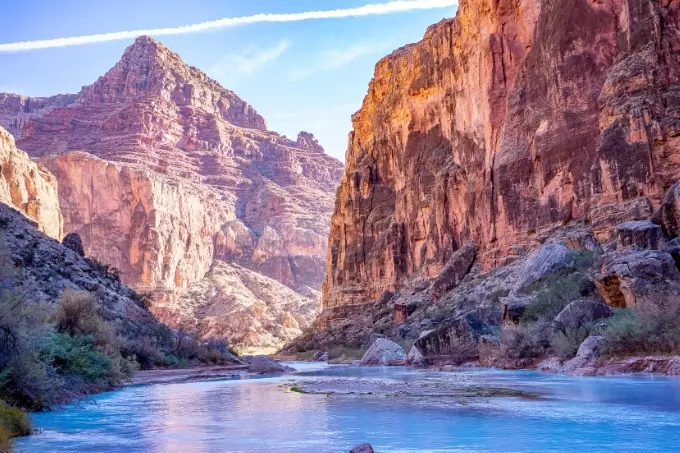
The Permits Are Checked. I've watched Navajo Nation rangers patrol the parking lot. If you don't have a permit displayed on your dashboard, you will be asked to leave and potentially fined. Buying one supports the local community and is the right thing to do.
So, where do you get it? You have two main options:
1. The Cameron Gateway & Service Station: This is your most reliable bet. It's at the junction of Highway 89 and Highway 64, just as you enter the Navajo Nation from the south if coming from Flagstaff. Look for the signs for "Navajo Nation Permits." They sell them inside. Stop here for gas, snacks, and your permit all in one go.
2. Roadside Vendors along Highway 64: As you drive north from Cameron towards the Grand Canyon's East Entrance, you'll often see small stalls or stands with signs selling permits. These are also legitimate vendors. Supporting them directly benefits local families.
| Starting Point | Route | Approx. Drive Time | Key Landmark |
|---|---|---|---|
| Cameron, AZ | Head NW on Hwy 64 for ~14 miles | 20-25 minutes | Look for the sign & gravel turn-off on your LEFT |
| Grand Canyon East Entrance | Head E on Hwy 64 for ~35 miles | 45-50 minutes | Pass Desert View Watchtower, overlook is on your RIGHT |
| Flagstaff, AZ | US-89 N to Cameron, then Hwy 64 NW | 1 hour 40 min | Stop in Cameron for permit |
Finding the Turn-off: The sign is modest and can be easy to miss if you're distracted by the scenery. Coming from Cameron, it's a left turn onto a well-maintained gravel road (Navajo Route 70). You'll drive about 3 miles on this road—it's graded but can be dusty or washboardy. Go slow. The parking lot appears suddenly at the canyon's edge.
Critical Safety & Viewing Tips for the Overlook
This isn't a curated park experience. Your safety is your responsibility. Here’s what a decade of desert hiking has taught me about places like this.
The Edge is the Hazard. The rock can be crumbly. Don't trust it to hold your weight if you're right on the lip. Never turn your back to the canyon, especially when taking photos or backing up for a shot. Designate a "spotter" if you're in a group—someone whose sole job is to watch the people near the edge.
Wind and Weather. The canyon acts as a wind tunnel. Hats can blow off in an instant. If you chase one, you're risking a fall. Hold onto loose items. Afternoon thunderstorms in summer can pop up fast. Lightning on an exposed rim is extremely dangerous. If you hear thunder, it's time to leave.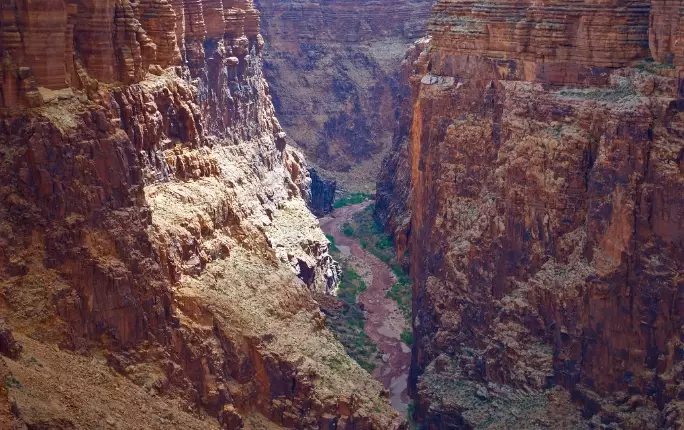
What to Bring (The Short List): - Water. More than you think. The desert sun is intense, and there's no shade. - Sturdy Shoes. Not flip-flops. The path is easy, but a turned ankle is no fun out here. - Sun Protection. Hat, sunglasses, sunscreen. The reflection off the light-colored rock is fierce. - Your Permit. Place it clearly on your dashboard. - Camera & Wide Lens. A phone is fine, but a wide-angle helps capture the vastness.
Pro Tip for Families with Kids: Have a serious talk before you get out of the car. Hold hands as a non-negotiable rule the moment you're on the trail. Consider a child safety harness for toddlers or energetic young kids. The view isn't worth a lifetime of regret. If your kids are too young to understand sheer drops, consider viewing from the very beginning of the path where it's safer.
Getting the Best Photos: Timing, Light & Angles
You want that iconic shot. Here’s how the light works at this specific overlook.
The canyon runs roughly north-south, and the overlook faces east. This means morning light is king. The sun rises behind you, illuminating the entire canyon wall and making the water glow. The colors are warm and vibrant.
By late morning, the sun is high, creating harsh shadows. In the afternoon, the main canyon floor and much of the opposite wall fall into deep shadow. The river might still catch some light, but the contrast is high, and photos can look dark and less colorful.
Best Seasons for Color: Late spring (May-June) after snowmelt and during the summer monsoon season (July-August) usually mean higher, more brilliantly colored water. Winter often means lower, muddier flows.
For angles, everyone gets the straight-on shot from the main point. Try kneeling down low to include some of the foreground desert brush in the frame for scale and context. If you have a telephoto lens, zoom in on the intricate patterns and colors of the opposite canyon wall.
One last piece of advice I rarely see: put the camera down. For at least five minutes, just sit well back from the edge and watch. See the shadows move. Listen to the wind. The memory will last longer than any photo.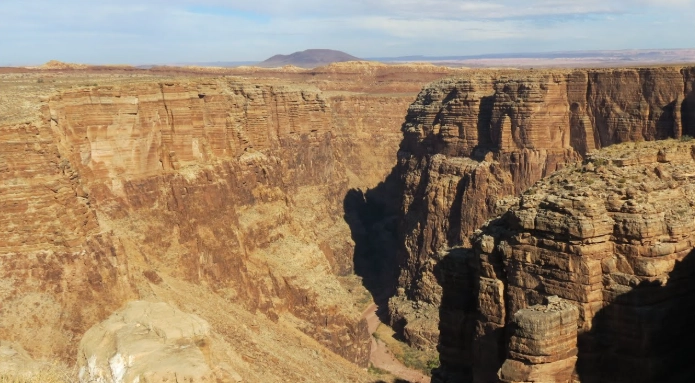
Your Top Questions Answered (The Nitty-Gritty)
The Little Colorado River Gorge Overlook is a raw, powerful place. It doesn't cater to you. There’s no gift shop, no paved trail, no railing between you and the drop. That’s precisely what makes it special. With the right preparation—that permit, plenty of water, and a heavy dose of caution—it offers one of the most stunning and memorable viewpoints in all of Northern Arizona. Just respect the land, respect the edge, and you'll walk away with more than just a photo.
Reader Comments