If you're picturing endless sand dunes when you ask "What is the largest desert in the Southwest?", you might be surprised. The answer is the Mojave Desert. It sprawls across approximately 47,877 square miles, touching four states: California, Nevada, Utah, and Arizona. But here's the twist many travelers miss: its size isn't its only defining feature. The Mojave is a desert of extremes and startling variety, home to the hottest, driest, and lowest places in North America, yet it's also dotted with life and landscapes that defy the harsh environment.
I've spent over a decade exploring the Southwest's arid corners, and the Mojave consistently challenges first-timers' expectations. It's not a monolithic sea of sand; it's a complex ecosystem with mountain ranges, volcanic cinder cones, vast salt flats, and forests of the iconic, twisted Joshua trees. Getting this right matters because planning a trip to a "desert" without knowing which one you're in can lead to poor preparation, missed highlights, or even safety issues. Let's clear that up right now.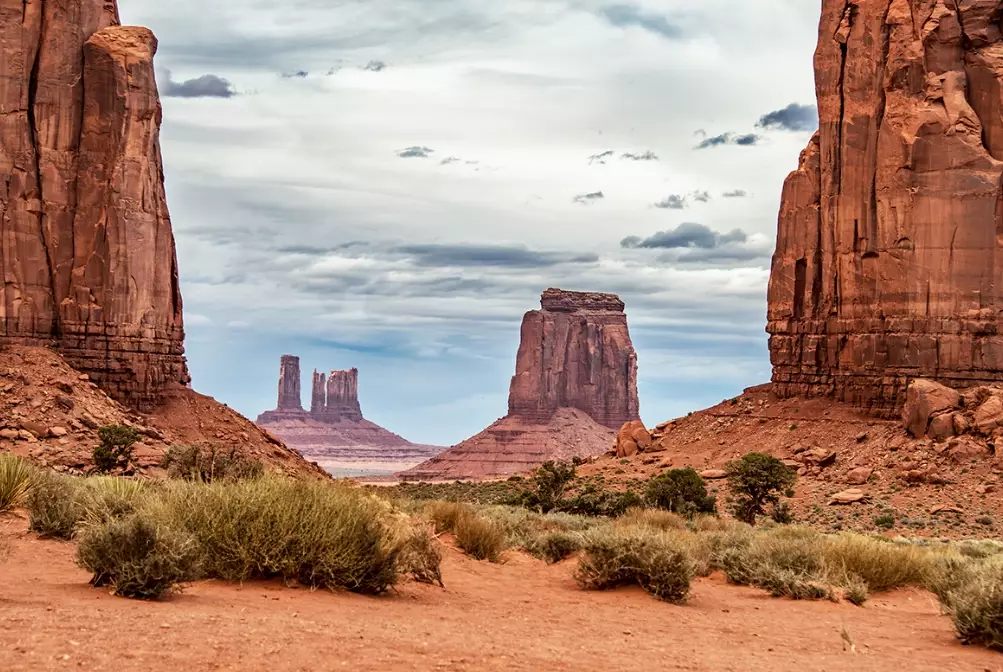
What You'll Find in This Guide
Key Facts About the Mojave Desert: More Than Just Size
While its status as the largest desert in the Southwest is the headline, understanding a few core facts changes how you see it.
The "High Desert" Identity: A significant portion of the Mojave sits at elevations between 2,000 and 4,000 feet. This altitude contributes to its characteristic temperature swings—scorching days and surprisingly cool nights. It's a crucial packing consideration everyone overlooks.
Boundaries and Confusion: The Mojave is bordered by two other great deserts: the hotter, lower Sonoran Desert to the south (think Phoenix and Saguaro cacti) and the colder, higher Great Basin Desert to the north. The transition zones can be subtle. Many people driving from Las Vegas to Los Angeles pass through the Mojave without realizing it, confusing it with the Sonoran.
Rain Shadow Effect: Its aridity is primarily due to the rain shadow of California's Sierra Nevada and other mountain ranges. Pacific storms dump their moisture on the western slopes, leaving the lands to the east in a dry rain shadow. Annual precipitation varies wildly, from less than 2 inches in Death Valley to up to 10 inches on higher mountain peaks.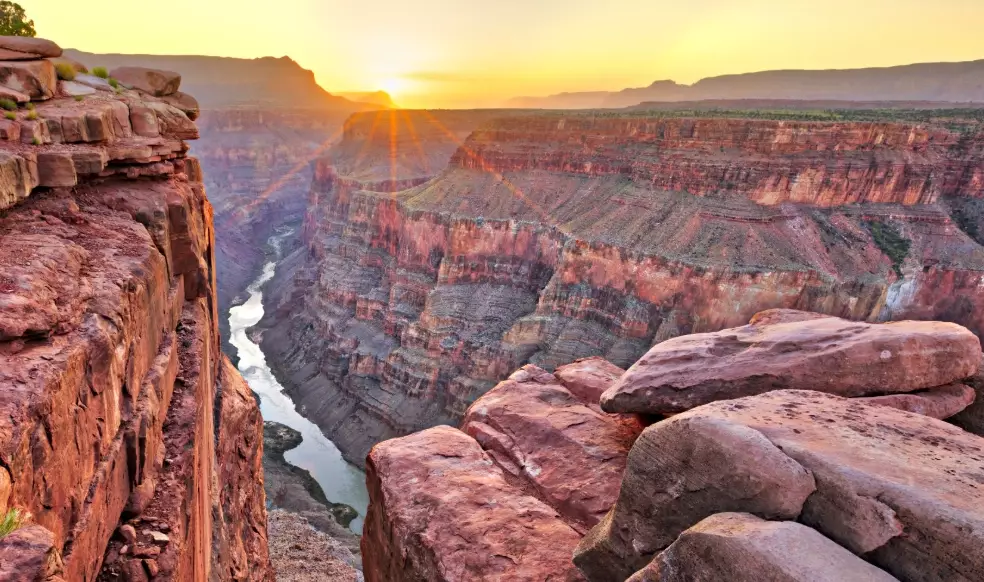
The Joshua Tree: A Misunderstood Icon
The Joshua tree (Yucca brevifolia) is the Mojave's most famous resident, but its range precisely defines the desert's boundaries. If you see Joshua trees, you're in the Mojave. A common error is assuming all yucca plants are Joshua trees. True Joshua trees have a distinct, chaotic, branching form. Their survival is intricately linked to a specific moth for pollination, a symbiotic relationship highlighting the desert's fragile interconnectedness.
Top Attractions & How to Visit Them
Thinking of the Mojave as a single destination is a mistake. It's a region best explored through its crown jewels. Here’s a practical breakdown of where to go and what you need to know.
| Attraction | Location (Nearest Gateway) | Key Feature & Why Visit | Practical Info (Fees, Hours) |
|---|---|---|---|
| Death Valley National Park | California, near Las Vegas, NV or Lone Pine, CA | Hottest, driest, lowest national park. See Badwater Basin (-282 ft), Mesquite Flat Dunes, Artist's Palette. | $30/vehicle (7-day pass). Park is open 24/7, but visitor centers have hours. Fall-Spring is the season. |
| Joshua Tree National Park | Southern California, near Twentynine Palms or Joshua Tree, CA | Otherworldly rock formations and dense Joshua tree forests. Premier for rock climbing and stargazing. | $30/vehicle (7-day pass). Open 24/7. Campgrounds fill fast. Spring for wildflowers. |
| Mojave National Preserve | Between I-15 & I-40, CA | The "heart" of the Mojave. Less crowded. Features Kelso Dunes, Cima Dome, and the historic Kelso Depot. | Free entry. Open 24/7. Minimal services—bring all supplies. |
| Valley of Fire State Park | Nevada, 1 hr from Las Vegas | Brilliant red Aztec sandstone formations, petroglyphs. Easily accessible and stunning for photography. | $10/vehicle (NV residents), $15 (non-residents). Park hours vary seasonally. |
| Red Rock Canyon NCA | Nevada, 30 min from Las Vegas | Dramatic red rock cliffs and canyon scenery. A 13-mile scenic drive, hiking, and climbing. | $20/vehicle. Timed entry reservation required for scenic drive (Oct-May). |
My personal take? Mojave National Preserve is the hidden gem. Everyone flocks to the national parks, but the Preserve offers a more solitary, raw experience of the desert. Walking on the silent, booming Kelso Dunes with no one else in sight feels like discovering a secret. The downside is the absolute lack of services—you are on your own, which is part of the appeal but also the risk.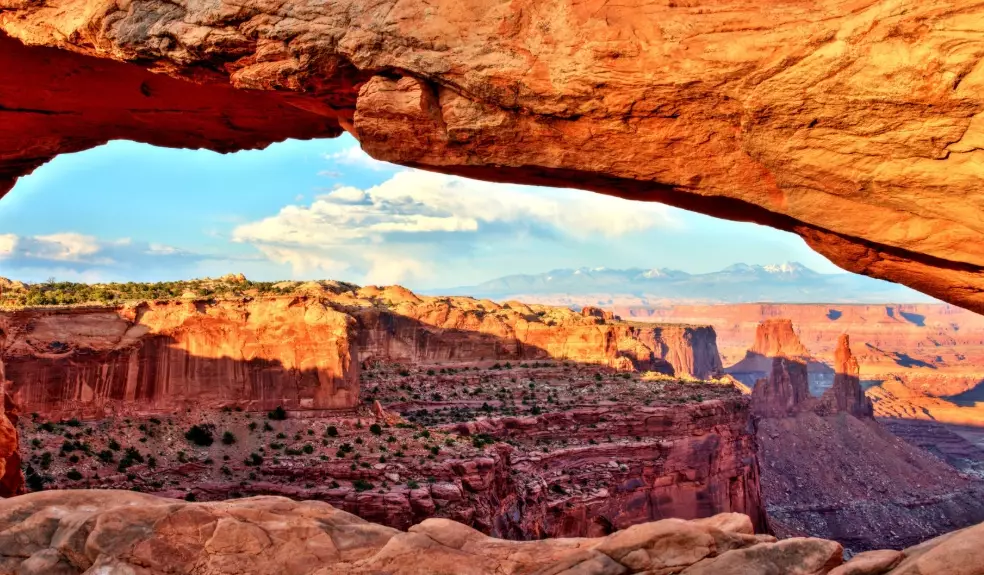
Planning Your Mojave Desert Trip: The Non-Negotiables
Desert travel punishes the unprepared. This isn't a tropical beach vacation. Based on my own misadventures (like a near-overheating car on a remote preserve road), here’s what truly matters.
When to Go: The sweet spot is October through April. Summer, especially in low-elevation areas like Death Valley, is brutally hot and dangerous for most activities. I made the mistake of a June hike in Death Valley once—it was a lesson in humility and hydration I won't repeat. Spring (March-May) can bring ephemeral wildflowers, a spectacular but unpredictable event.
Transportation: You need a reliable vehicle. Distances are vast, gas stations are sparse. A high-clearance vehicle isn't usually required for main attractions, but if you venture onto unpaved roads (like many in Mojave National Preserve), it becomes essential. Always check road conditions with the National Park Service or Bureau of Land Management before heading out.
The Desert Survival Kit: Beyond Water
Everyone says "bring water." You need at least one gallon per person per day, plus extra in your car. But that's just the start.
Your car should have: a full spare tire, jack, tools, extra coolant, a sunshade, and heavy-duty jumper cables. I also pack a satellite messenger (like a Garmin inReach) for areas with no cell service—it’s a game-changer for safety peace of mind.
Your daypack needs: a wide-brimmed hat, sunglasses, high-SPF sunscreen, salty snacks, a basic first-aid kit, a physical map (GPS fails), and a headlamp. Cotton clothing is a bad idea; it retains sweat and cools you poorly. Opt for moisture-wicking, light-colored fabrics.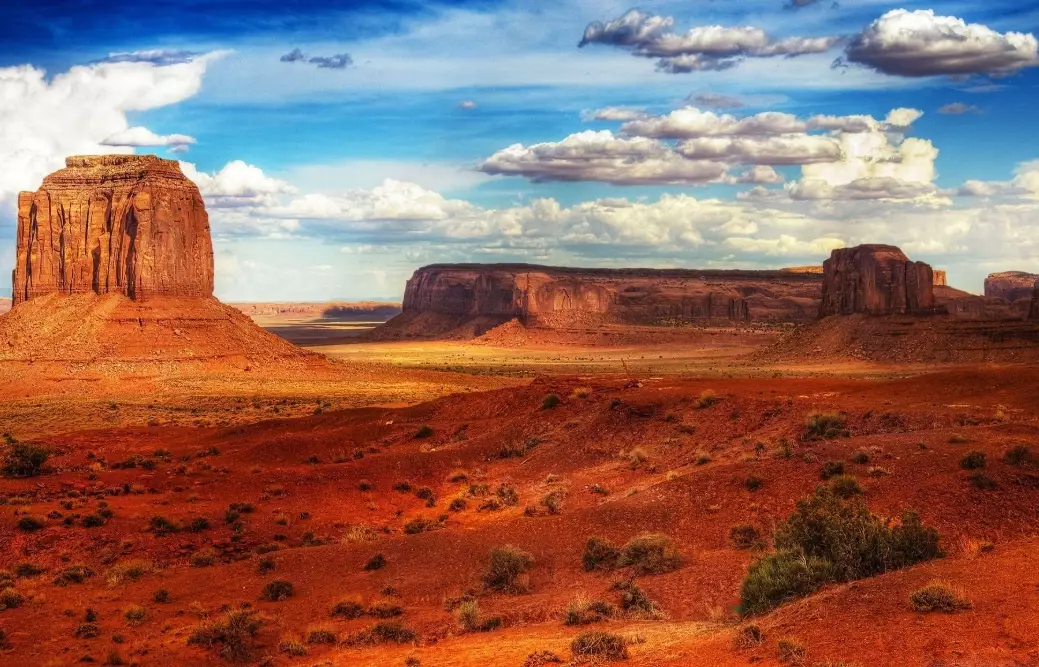
Avoiding Common Desert Travel Mistakes
Here’s where experience talks. I’ve seen these errors too often.
Underestimating Distance: On a map, two points look close. On the ground, with 45 mph winding roads and photo stops, it takes twice as long. A "short drive" from Baker to Kelso Dunes can eat up a big part of your day.
Chasing the "Perfect" Sunrise/Sunset Spot: Everyone goes to Zabriskie Point in Death Valley. It's crowded. For a more unique experience, try Dante's View or simply pull over on a safe turnout along Badwater Road. The light on the Panamint Range is often just as stunning with fewer people.
Ignoring the Ground Temperature: That dark volcanic rock or pale sand can be 30-50°F hotter than the air temperature at foot level. It cooks your boots and radiates heat upward. Wear appropriate footwear and be mindful where you sit or place gear.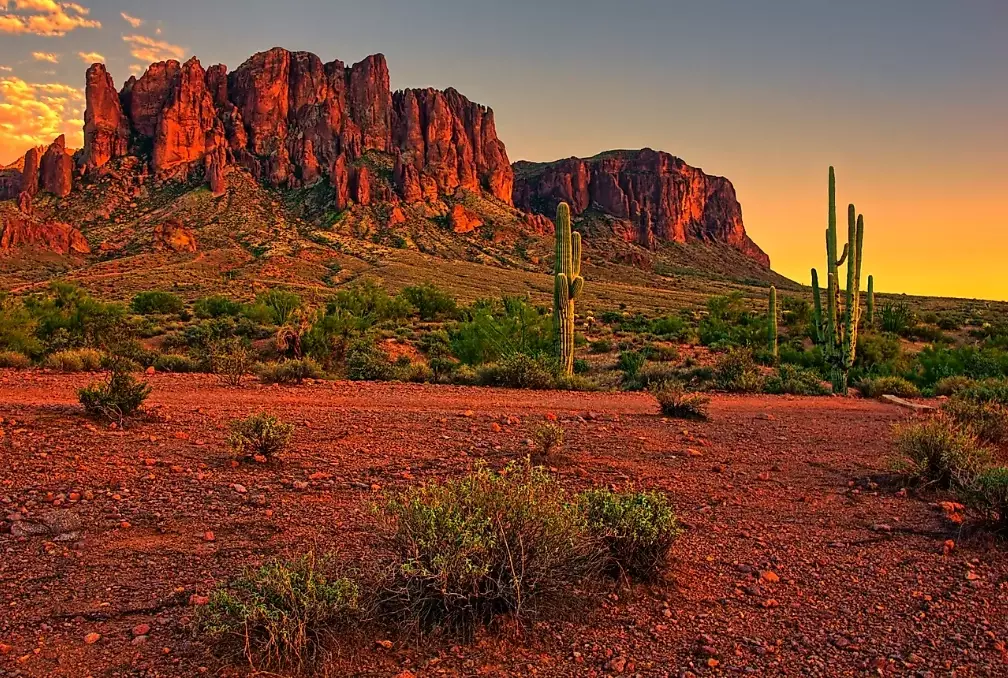
Your Mojave Desert Questions Answered
No, this is a common mix-up. The Sonoran Desert, famous for the Saguaro cactus around Tucson and Phoenix, is the second-largest desert in the Southwest USA. The Mojave Desert is larger. The Sonoran is hotter at lower elevations and receives slightly more bimodal rainfall (summer and winter), which supports its lusher, more diverse cactus forests.
It's a tie between dehydration and vehicle failure. People focus on hiking dangers but forget that a flat tire on a remote road with no cell service in 100°F heat escalates into a life-threatening crisis fast. Always tell someone your route, carry more water than you think you need, and ensure your vehicle is desert-ready. Running out of gas is a distressingly frequent cause for rescue calls.
 Can you visit the Mojave Desert as a day trip from Las Vegas?
Absolutely, but you must choose your target. Red Rock Canyon (30 mins) and Valley of Fire (1 hour) are perfect, manageable day trips. Death Valley's main sights are a 2-hour drive one-way, making for a very long, but possible, dawn-to-dusk day. Joshua Tree or Mojave National Preserve are too far for a meaningful day trip from Vegas—they require an overnight stay.
Death Valley and Joshua Tree are both designated International Dark Sky Parks, offering phenomenal views. However, my off-the-radar pick is the area around the Cima Dome in Mojave National Preserve. The lack of any major light pollution for miles, combined with its high, dry air, creates a celestial spectacle. The key is to go during a new moon and allow your eyes 20-30 minutes to fully adjust to the darkness.
Reader Comments