In This Guide
- The Heart of the Matter: Guided Tour vs. Self-Guided Hike
- Breaking Down the Factors: A Side-by-Side Look
- The Unspoken Stuff: What Nobody Tells You About Waterhole Canyon
- Who Absolutely SHOULD Get a Tour (And Who Might Risk It Alone)
- Your Practical Planning Checklist
- Answering Your Burning Questions (The FAQ Section)
You've seen the pictures. Those narrow, undulating sandstone walls glowing with filtered light, the quiet pools of water reflecting a sliver of sky far above. Waterhole Canyon, a slot canyon near Page, Arizona, often lives in the shadow of its famous neighbor, Antelope Canyon. But that's part of its appeal—or so they say. The question that bounces around every travel forum and planning session is this: Do you need a tour for Waterhole Canyon? Is it something you can tackle on your own with a bit of adventurous spirit, or is hiring a guide non-negotiable?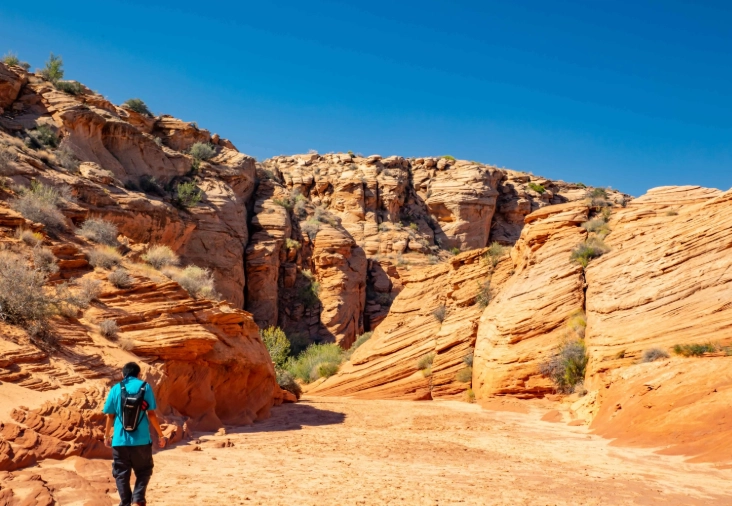
I've been there. I stood at that trailhead (or what I thought was the trailhead) years ago, looking at a confusing mix of online advice and official warnings, utterly torn. I love the independence of a solo hike, but I also don't have a death wish. After multiple visits, talking to guides, rangers, and folks who've done it both ways, I'm going to lay out everything you need to know. Not just the official line, but the practical, on-the-ground reality. Because the answer to "Do you need a tour for Waterhole Canyon?" isn't a simple yes or no. It's a it depends, and what it depends on is more important than you might think.
Let's get the most critical point out of the way first: Waterhole Canyon is located on the Navajo Nation. Unlike land managed by the U.S. National Park Service or Bureau of Land Management, access is governed by the Navajo Parks and Recreation Department. This isn't a bureaucratic footnote—it's the single most important factor in your decision. Trespassing isn't just rude; it's illegal and can result in hefty fines. All access, whether guided or self-guided, requires a permit from the Navajo Nation.
The Heart of the Matter: Guided Tour vs. Self-Guided Hike
This is the core of your dilemma. To break it down, let's look at what each option actually entails. Forget the marketing fluff; here's what you're really signing up for.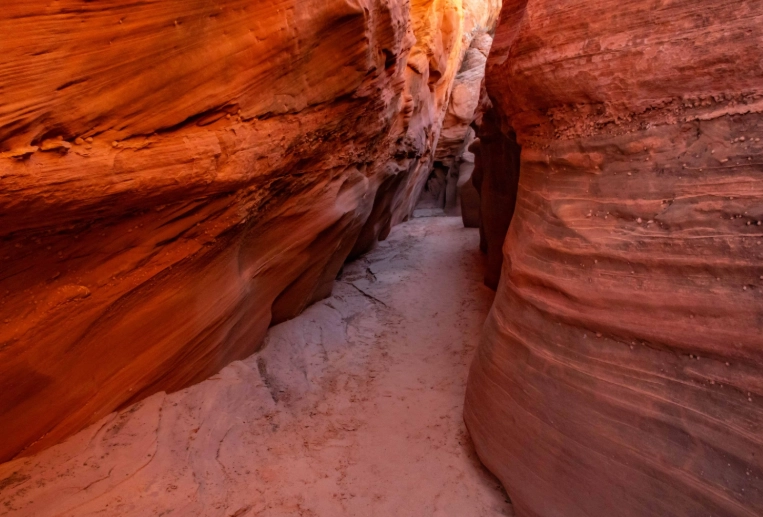
Going with a Guided Tour
When you book a guided Waterhole Canyon tour, you're paying for a package deal. A local guide meets you at a designated spot, provides transportation to the canyon (often over rough roads you wouldn't want to take your rental car on), has the necessary permits sorted, leads you through the canyon, and shares knowledge about the geology, history, and cultural significance. It's a turnkey experience.
The big thing the guides sell—and it's not just a sales pitch—is safety and access. They know where the tricky spots are, how deep the water is at any given time, and the safest way to navigate obstacles. After a heavy rain, they're the first to know if the canyon is flash-flood prone that day. They also handle the logistics of getting the permit, which for many visitors is the biggest hurdle.
But it's not all perfect. On a busy day, it can feel a bit herded. You're on their schedule, not yours. If you want to spend an extra twenty minutes photographing a particular beam of light, you might be out of luck. And of course, it costs more. You're paying for their expertise, their vehicle, and their permit management.
Going the Self-Guided Route
The self-guided option is what many experienced hikers dream of: solitude, silence, and setting your own pace. You obtain a permit yourself from the Navajo Nation, drive to the trailhead (which requires a vehicle with decent clearance), and navigate the canyon independently.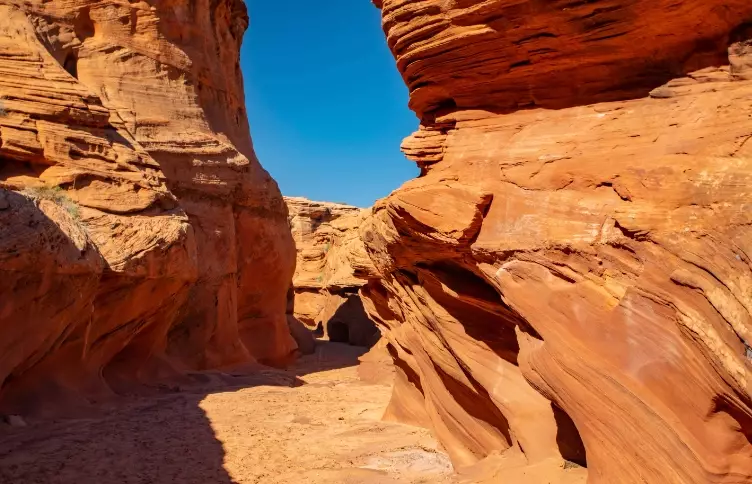
The appeal is obvious. It's cheaper per person, especially for a group. It's more private. The sense of accomplishment is different when you've navigated it yourself. You can spend all afternoon in there if you want.
Here's the rub, though. The "self-guided" permit from the Navajo Nation often has specific requirements that blur the line between true independence and a de-facto tour. As of my last check, the official policy strongly recommends, and sometimes requires, that you check in with a local authorized representative or guide service even with a self-guided permit. This is for safety and monitoring. Furthermore, navigating the canyon isn't like walking a marked park trail. Route-finding is necessary, there are sections that require scrambling over rocks or wading through cold, murky water of uncertain depth, and the risk of getting stuck or injured is real and present.
So, when you ask, "Do you need a tour for Waterhole Canyon?" from a purely legal access standpoint, the answer is: you need a permit, and that permit process often involves engaging with a local guide service in some capacity. A truly 100% solo, no-local-contact adventure is usually not the way it works here.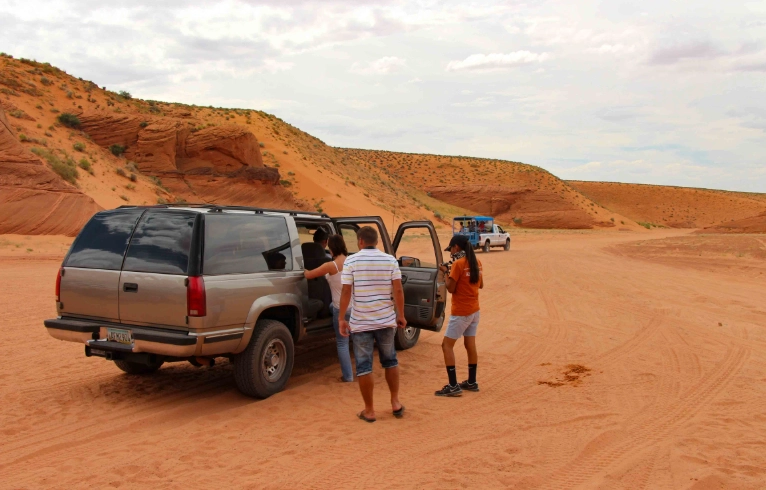
Breaking Down the Factors: A Side-by-Side Look
Let's get practical. I made this table to cut through the confusion. It compares the two paths not in theory, but in the gritty details you'll actually face.
| Factor | Guided Tour | Self-Guided (with Permit) |
|---|---|---|
| Permit & Legal Access | Included and handled by the tour company. Zero hassle for you. | YOU must obtain it in advance from Navajo Parks. Process can be opaque and may require coordination with a local liaison. |
| Cost | Higher per person ($80-$150+). Covers guide, permit, sometimes transportation. | Lower permit fee ($5-$20 per person), but you bear all other costs (transport, gear). |
| Logistics & Transportation | They pick you up or meet you. They drive the rough road. You relax. | You need a suitable vehicle (high-clearance recommended) and must find the often-unmarked trailhead yourself. |
| Safety & Navigation | Guide knows the route, water depths, weather hazards. Major safety net. | You are solely responsible. Route-finding, assessing obstacles, and self-rescue are on you. |
| Knowledge & Experience | Learn about geology, Navajo culture, and canyon history from a local. | You bring your own knowledge. The canyon is silent unless you do your homework. |
| Pace & Flexibility | Set group pace. May feel rushed for photographers or slow walkers. | Complete control over your schedule. Stay as long as you like. |
| Crowds & Solitude | You'll be with a group (size varies). Can feel social or crowded. | Potential for true solitude, especially on weekdays or off-season. |
| Best For... | First-timers, safety-conscious travelers, those without 4x4, people who value learning. | Experienced canyoners, confident navigators, photographers seeking time, budget travelers in groups. |
Looking at that table, your own situation probably starts to come into focus. For my first time, as a solo traveler with no slot canyon experience, the guided tour was a no-brainer. I learned so much I would have missed. But I get the itch for the other way.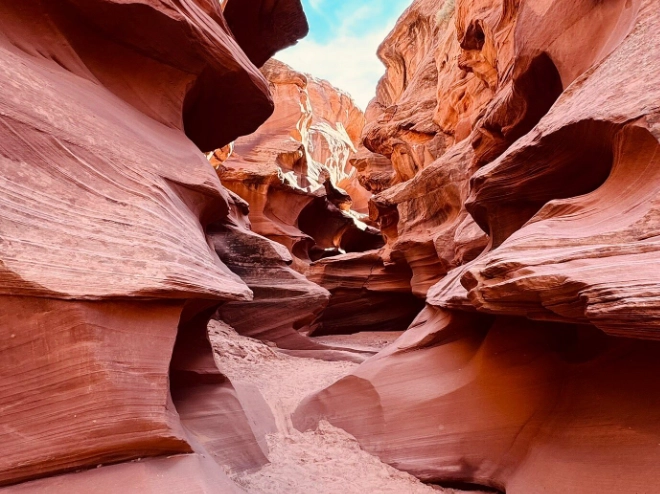
The Unspoken Stuff: What Nobody Tells You About Waterhole Canyon
Okay, beyond the brochures and permit websites, here's the real talk. The stuff that answers the deeper version of "Do you need a tour for Waterhole Canyon?"
The Water is Cold. And Murky.
It's called Waterhole Canyon for a reason. You will get wet. Depending on the season and recent weather, you might be wading through shin-deep, knee-deep, or even waist-deep water. It's not crystal clear spring water; it's often silty and cold. That shock on a cool morning is real. Guides often wear wetsuit boots or quick-dry pants. In my cheap sneakers, my feet were numb for a good hour. A tour might provide advice or even gear for this; on your own, you have to figure it out.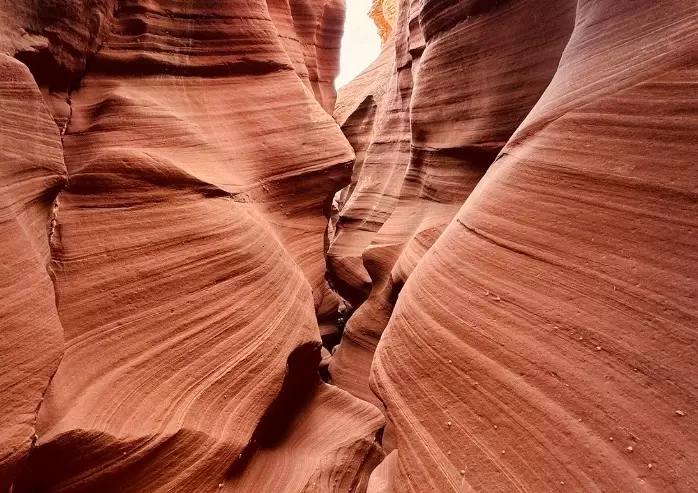
The "Trail" is the Canyon Floor
There's no maintained path. You're walking, scrambling, and wading down the canyon bottom. You'll be squeezing through narrow sections, climbing over log jams and boulders. It's not technical climbing, but it's absolutely physical. If you have bad knees or a fear of confined spaces, think hard. A guide can point out the best handholds and footing.
This is the paramount danger in any slot canyon, period. Rain miles away can send a wall of water through a narrow canyon like this with terrifying speed. The National Weather Service has extensive resources on flash flood danger. A reputable guide service will cancel tours if there's any risk. They monitor weather radar in ways you probably don't. Going alone, the entire risk assessment and decision is yours. That's a heavy responsibility. I've been in the area when skies were blue overhead but guides canceled because of storms 50 miles upstream. It felt over-cautious until I read the accounts of what a flash flood does. Now, I never question it.
Finding the Start is Half the Battle
The access point isn't in Page. It's out along a dusty, bumpy road off Highway 98. The turn-off isn't always well-marked. I've seen people drive right past it. Then you need to find the specific wash that leads into the canyon. It's not impossible with good directions and GPS coordinates, but it's an added layer of stress. A tour eliminates this completely—you just show up at the meeting point.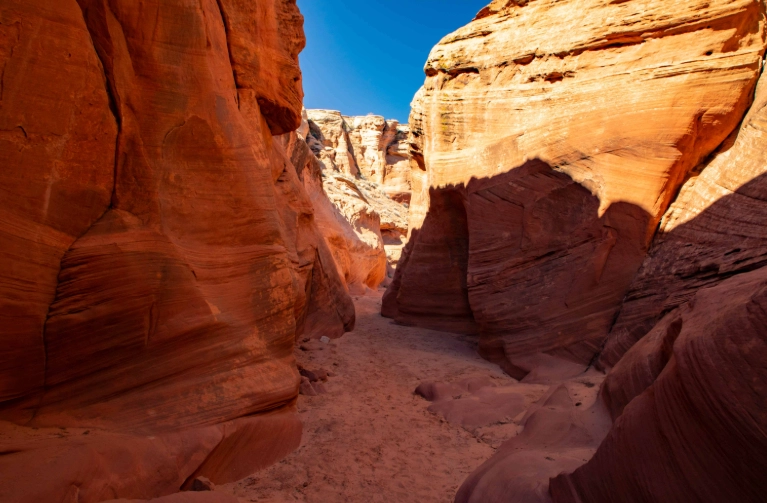
Who Absolutely SHOULD Get a Tour (And Who Might Risk It Alone)
Let's make some direct calls.
You should seriously book a guided Waterhole Canyon tour if:
- It's your first slot canyon experience.
- You're traveling alone or with kids.
- You don't have a high-clearance vehicle or hate driving on rough roads.
- The thought of navigating solely with GPS coordinates and vague directions gives you anxiety.
- You want to understand what you're seeing—the rock layers, the history, the cultural context.
- You're visiting during the monsoon season (July-Sept) when flash flood risk is higher.
- You simply don't want the hassle of permits and logistics.
You might be a candidate for the self-guided permit if:
- You have significant hiking and canyoneering experience, especially in desert environments.
- You're an avid photographer and need hours of uninterrupted time to set up shots.
- You're in a small, capable group where you can split costs and share navigation duties.
- You've done your research, contacted the Navajo Parks permit office, and fully understand their current requirements for self-guided access.
- You have a suitable vehicle and are confident in your off-pavement driving skills.
- You accept full responsibility for your safety and are proficient at reading weather forecasts for flash flood potential.
See the difference? It's not just about bravery or budget. It's about competence, preparation, and what kind of experience you're after. Asking "do you need a tour for Waterhole Canyon?" is really asking yourself which of those two lists you belong to.
Your Practical Planning Checklist
Whatever you decide, here's what you need to have squared away. Don't skip this.
If Booking a Tour:
- Book Early: Good tours sell out, especially in spring and fall.
- Verify Credentials: Ensure they are an authorized Navajo Nation guide service. Ask if permits are included.
- Ask Questions: Group size? Transportation provided? What's the fitness level? What should you wear/bring?
- Read Cancellation Policies: Weather cancels tours. Know your options.
If Going the Self-Guided Route:
- Permit First: Contact Navajo Parks and Recreation WELL in advance. Do not assume you can get one on the spot.
- Vehicle Check: You'll want an SUV or truck. Sedans will struggle and risk damage.
- Gear Up: Sturdy, water-friendly shoes you can hike in. Neoprene socks are a game-changer in cold water. Trekking poles for balance. Dry bags for electronics.
- Navigation Prep: Download offline maps (cell service is spotty). Have precise GPS coordinates and written directions.
- Weather Obsession: Check the forecast relentlessly. Not just for Page, but for the entire watershed upstream. If there's any chance of rain within 50 miles, postpone.
- Tell Someone: Always file a trip plan with a friend. Tell them where you're going and when you'll be back.
Answering Your Burning Questions (The FAQ Section)
Answering Your Burning Questions (The FAQ Section)
I've scoured forums and remembered my own pre-trip panic. Here are the real questions people have.
Is Waterhole Canyon as crowded as Antelope Canyon?
Not even close. That's one of its biggest draws. Antelope Canyon can feel like a conveyor belt of people. Waterhole, due to its permit system and more challenging access, sees a fraction of the visitors. On a guided tour, you might share the space with 6-10 others. Self-guided, you could have it to yourself. This is a major point in its favor.
Can I just show up and hike it without a permit?
No. A hard no. This is disrespectful to the Navajo Nation, illegal, and risks permanent closure of access for everyone. Rangers do patrol and check permits. The fines are substantial. Always secure proper permission.
I'm a good hiker. How hard is it really?
It's moderately strenuous. The distance isn't long, but the terrain is the challenge. It's uneven, slippery in places, and involves constant minor obstacles. It's more about agility and comfort with scrambling than endurance. If you're fit and sure-footed, you'll be fine. If you have mobility issues, it will be very difficult.
What's the best time of year to go?
Spring (April-June) and Fall (September-October) are ideal. Temperatures are pleasant, and water levels are typically lower. Summer can be brutally hot in the canyon, and monsoon flash flood risk is highest. Winter is possible but the water is painfully cold, and ice can make the rocks treacherous.
So, bottom line, do you need a tour for Waterhole Canyon?
For the vast majority of people, the answer is yes. Not just a guided bus tour, but some form of authorized access that provides a safety net and handles the permit logistics. The pure, totally-independent self-guided option is a niche choice for a very prepared and experienced few. For your first time, the peace of mind, knowledge, and convenience of a guided tour are almost always worth the cost. It transforms the experience from a potentially stressful navigation challenge into a pure enjoyment of an incredible natural wonder.
Look, I love doing things myself. But there are places where local knowledge isn't a luxury; it's a key part of the experience and a critical component of safety. Waterhole Canyon, with its unique legal status and physical demands, is one of those places. You can spend your mental energy worrying about permits, road conditions, route-finding, and flood risks, or you can spend it being awestruck by the light dancing on a billion-year-old wall. For me, the choice is clear. Get the guide, get the permit through them, and just enjoy the walk.
That's the honest take. Now you have the info. The decision, happily, is all yours.
Reader Comments