I still remember the first time I saw a humpback whale breach. It wasn't on a fancy cruise, but from a small, rigid inflatable boat off the coast of Kaikoura, New Zealand. The sound—a colossal slap that echoed across the water—and the sheer scale of it left me speechless. That's the magic of a well-executed coastal wildlife tour. It's not just sightseeing; it's a connection. But I've also been on trips that felt like a crowded zoo on water, with boats jostling for position and stressed animals. The difference between a transformative experience and a disappointing one often comes down to how you plan.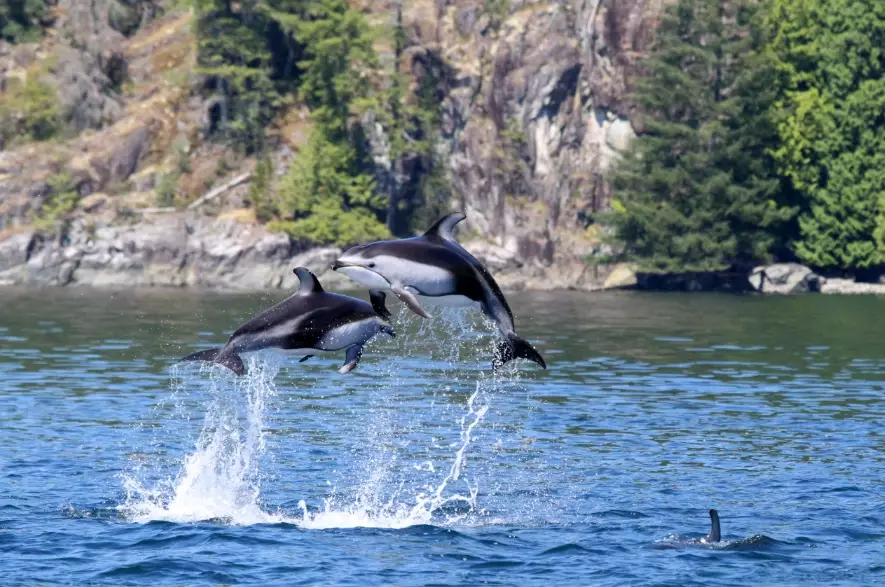
Your Quick Guide to Coastal Wildlife Adventures
Top Coastal Wildlife Destinations Around the World
Forget generic lists. These are spots where wildlife encounters are reliable, operators are typically professional, and the ecosystems are worth supporting through tourism. Here’s a breakdown of my top picks based on species, seasonality, and tour style.
| Destination & Region | Prime Wildlife & Best Time to Visit | Signature Tour Type & What Makes It Special |
|---|---|---|
| Kenai Fjords, Alaska, USA | Marine Life: Humpback whales, orcas, sea otters, puffins, Steller sea lions. Best Time: May to September (peak July-August). |
Full-day glacier & wildlife cruises. Combines staggering calving glaciers with dense marine mammal sightings. Operators like Kenai Fjords Tours have onboard park rangers. Departures from Seward Small Boat Harbor. Tours range from 6-9 hours and cost $150-$250 per adult. |
| Hermanus, Western Cape, South Africa | Marine Life: Southern right whales (land-based viewing is exceptional), great white sharks (cage diving), African penguins. Best Time: Whale season is June to November, peaking Sept-Oct. |
Land-based whale watching & boat-based combo tours. Unique for its cliff-top walking path where you can often see whales from shore. Boat-based tours from the new harbour get you closer. The South African National Parks authority manages nearby De Hoop Nature Reserve, a key whale nursery. |
| Monterey Bay, California, USA | Marine Life: Year-round: sea otters, sea lions, harbor seals. Seasonal: gray whales (Dec-Apr, Jul-Nov), humpbacks (Apr-Nov), blue whales (May-Nov). Best Time: Spring to Fall (April-October) for diversity. |
Small-group whale watching on zodiacs. The bay is a protected marine sanctuary with incredibly rich nutrients. Companies like Monterey Bay Whale Watch employ marine biologists as guides. You'll learn about upwelling and conservation alongside sightings. Tickets ~$60-$80. |
| Great Ocean Road, Victoria, Australia | Marine Life: Southern right whales (June-Sept), fur seals, little penguins (Phillip Island). Best Time: June to September for whales, penguin parades year-round at dusk. |
Scenic coastal drive with wildlife stop-offs. This is a self-drive tour paradise. Key stops: Logan's Beach Whale Nursery (land-based viewing platform in Warrnambool), Cape Otway for koalas in the treetops, and the Phillip Island Penguin Parade for a managed but spectacular view of hundreds of penguins coming ashore. |
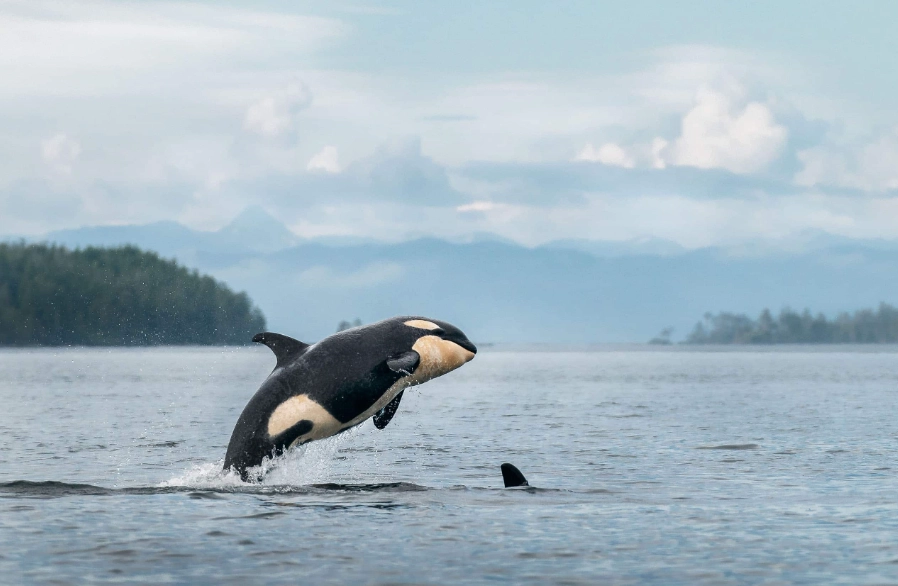
| Tofino & Ucluelet, Vancouver Island, Canada | Marine Life: Gray whales (March-October), humpbacks, orcas, sea lions, bald eagles, black bears (on shorelines). Best Time: March to October. Storm watching tours in winter are a unique twist. |
One destination that often gets overhyped for first-timers is Iceland for puffins. Yes, they're there, but the viewing is often from steep, crowded cliffs, and the boat tours are more about dramatic landscapes. If your heart is set on puffins, consider Scotland's Isle of May or Newfoundland, Canada, for a more intimate and bird-focused experience.
How to Choose the Best Coastal Wildlife Tour for You
Picking the right tour operator is 80% of the battle. Here’s what I look for, beyond the shiny website photos.
1. Decode the Boat and Group Size
A massive double-decker catamaran holds 150 people. It's stable and has bathrooms, but only people on the rail get a good view. A 12-passenger zodiac is bumpy and exposed (you will get wet), but everyone has a front-row seat and the boat can maneuver quickly. Think about your priorities: comfort and amenities vs. intimacy and photography angles. For families with very young kids or those with mobility issues, the big boat is the pragmatic choice. For everyone else, I almost always recommend the smaller vessel.
2. Interrogate Their Sustainability Credentials (Really)
"Eco-friendly" is a meaningless term if not backed up. Don't be shy—ask specific questions. Are they certified by a body like Blue Flag or a local marine park authority? What is their whale approach policy? Reputable operators will proudly explain they follow guidelines like staying 100 yards from whales. Do they contribute to local research? Some collect data on whale flukes for identification catalogs. This stuff matters. A tour that chases animals stresses them and ruins the encounter for everyone.
A quick tip most people miss: Look at the guide's role. If they are also the boat captain, their attention is divided. The best tours have a dedicated captain and a dedicated naturalist guide. That guide should be pointing out not just the whale, but the seabirds, the plankton bloom, and explaining the ecosystem connections. That depth of knowledge is what you're paying for.
3. Match the Tour to Your Interests
"Wildlife" is broad. Be specific.
- Birders: Seek out tours specifically labeled "pelagic birding." These will go farther offshore to target albatross, shearwaters, and petrels that casual tours miss.
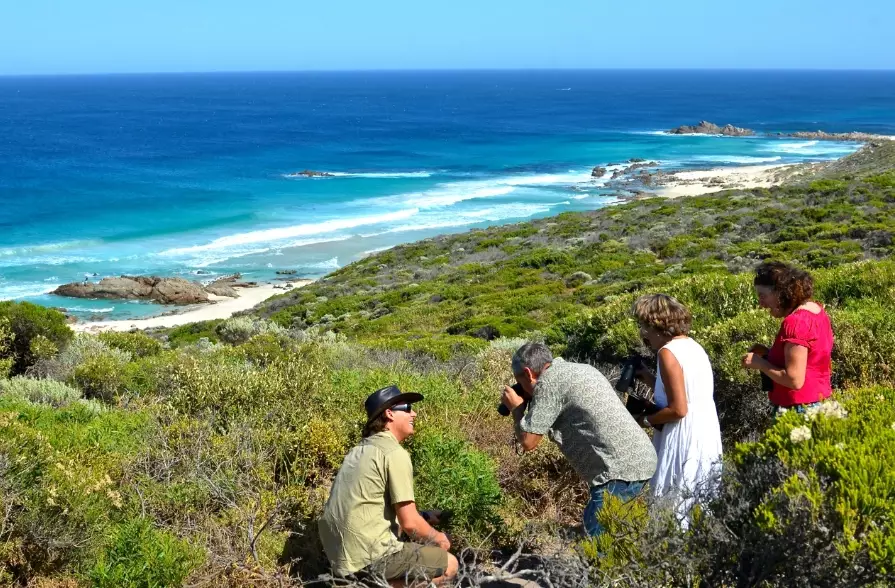
- Photographers: Look for "photo-centric" tours. They guarantee a spot on the rail, prioritize positioning for light, and the guides understand animal behavior for anticipating shots.
- Families: Opt for shorter tours (2-3 hours), on boats with indoor space and a guaranteed return policy if no whales are seen (many offer a free second trip). The excitement wears off for kids after a while.
Planning Your Coastal Wildlife Itinerary: A 7-Day Sample
Let's make this concrete. Here’s a realistic one-week itinerary for a first-time coastal wildlife trip to Monterey Bay, California, blending tours, self-exploration, and downtime.
Day 1-2: Arrival & Immersion. Fly into San Jose (SJC) and drive ~1.5 hours to Monterey. Stay in Pacific Grove for easy coastal access. Day 1: Settle in, walk the Coastal Trail from Lovers Point. You'll see sea otters in the kelp beds right away. Visit the Monterey Bay Aquarium (book ahead)—it’s the best classroom for understanding what you'll see on the water. Day 2: Morning whale watching tour (zodiac recommended). Afternoon recovery: explore Cannery Row, early dinner.
Day 3: Kayak Perspective. Book a morning sea kayak tour from Monterey Bay Kayaks. Paddling silently among sea otters and harbor seals is a completely different, more immersive experience. Keep the afternoon light for a drive down 17-Mile Drive.
Day 4: Head South to Big Sur. Drive Highway 1 south. Stop at Point Lobos State Natural Reserve (arrive early, parking fills up). This is arguably the best land-based wildlife watching in the state—sea lions, otters, migrating whales from the cliffs. Hike the Cypress Grove trail. Continue to Julia Pfeiffer Burns State Park to see McWay Falls.
Day 5: A Different Bay - Elkhorn Slough. Drive 30 minutes north to Moss Landing. Take a 2-hour guided kayak or pontoon boat tour into Elkhorn Slough, a tidal estuary. This is the place for guaranteed, up-close views of hundreds of sea otters, plus harbor seals and vast birdlife. It's calmer and more protected than the open bay.
Day 6: Free Day or Deep Dive. Options: A second, longer whale watch focusing on pelagic birds if the weather's good. Or, a relaxed day exploring the town of Carmel-by-the-Sea, visiting the Carmel Mission, or walking at Asilomar State Beach.
Day 7: Departure. Last morning walk along the coast before driving back to the airport.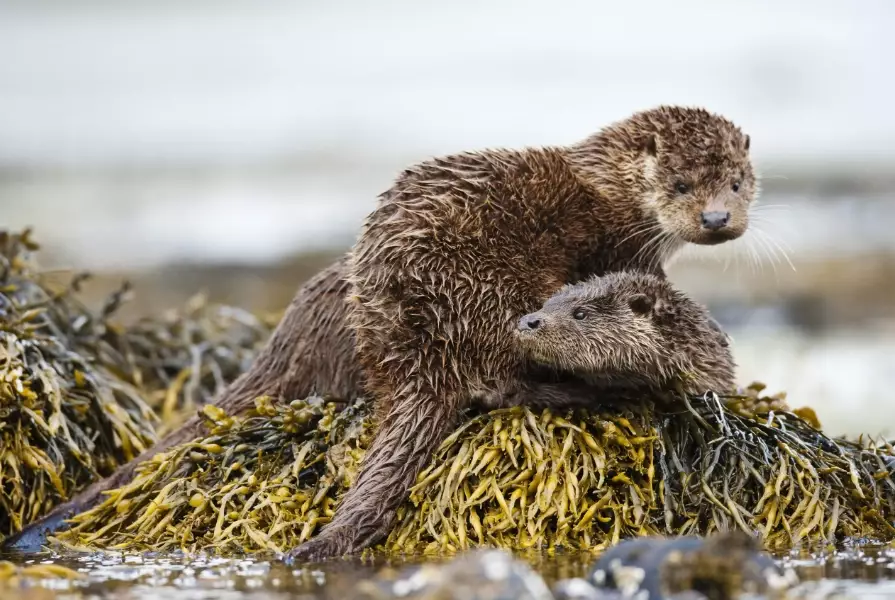
Booking Tips and Common Mistakes to Avoid
I've seen people make these errors time and again.
Book Early, Especially for Peak Seasons. The best small-boat tours with top guides sell out weeks, sometimes months, in advance for July, August, and holiday periods. Don't wait until you arrive.
Read Reviews for "No Sighting" Stories. Don't just read the 5-star reviews. Read the 3-star ones. See what happened when the tour didn't see the flagship animal. Did the company offer a partial refund or a free rebooking? How did the guide handle it? A good guide will pivot to talk about seabirds, oceanography, and conservation, making the trip worthwhile regardless.
Pack for the Microclimate, Not the Postcard. The ocean is cold, even in sunny California. The wind chill on a moving boat is significant. My packing non-negotiables: a waterproof windbreaker (not just water-resistant), a warm fleece or puffy layer underneath, a beanie hat, sunglasses with a strap, sunscreen, and motion sickness medication taken before you feel queasy. Wear dark colors—they reduce glare and are less disruptive to wildlife.
The Biggest Mistake: Chasing a Checklist. People get so fixated on seeing a whale breach that they ignore the sea otter mother cuddling her pup, the soaring brown pelican, or the playful dolphins riding the bow wave. The joy is in observing behaviors and understanding the ecosystem, not just ticking off species.
Your Coastal Wildlife Tour Questions Answered
Reader Comments