Let's be clear: White Canyon in Utah isn't a single, neatly packaged state park with a visitor center and paved trails. It's a sprawling, complex network of deep canyons, hidden slots, and stark white sandstone cliffs carved by the Colorado River system, sitting right in the heart of some of the most remote public land in the American Southwest. Most online guides give you the basic coordinates and call it a day, leaving you to figure out the messy, crucial details on your own. That's a recipe for getting lost or, worse, in trouble. I've spent over a decade exploring the canyons of the Colorado Plateau, and I'm here to cut through the vague descriptions and give you the exact, actionable information you need to safely experience White Canyon's magic.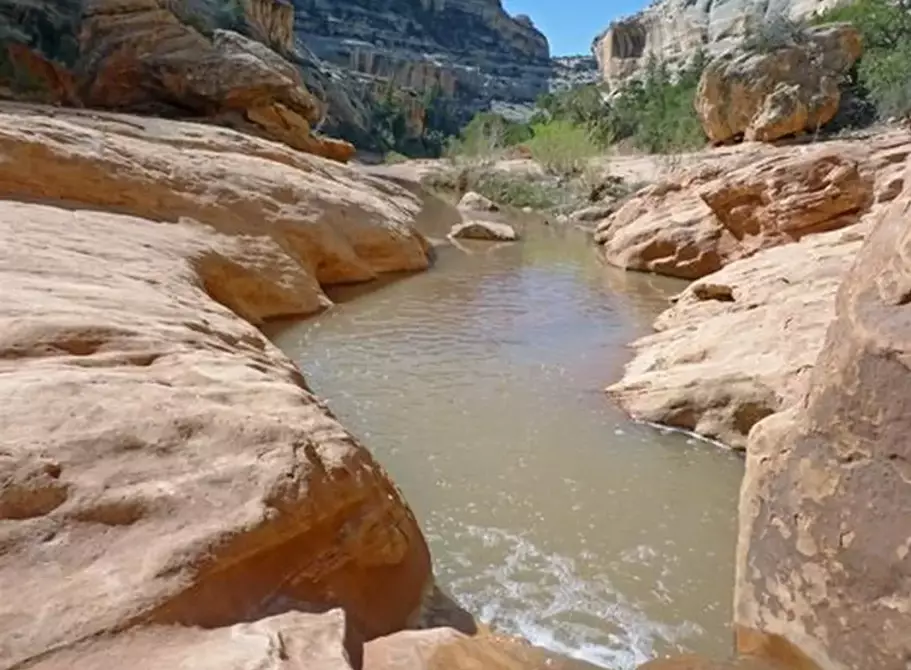
What's Inside This Guide
What is White Canyon Utah and Where is It Located?
Think of White Canyon as the less-famous, more rugged cousin to nearby Canyonlands National Park. It's defined by its namesake pale Navajo Sandstone, which creates a stunning visual contrast against the blue sky and red dirt. The canyon system is massive, primarily managed by the Bureau of Land Management (BLM), and is part of the larger Cedar Mesa region. Its most famous section lies downstream from the now-submerged town of White Canyon, near Lake Powell, but the most accessible and hikeable parts are further north.
The main access points for day hikers and backpackers are along Utah State Route 95, between the towns of Blanding and Hanksville. There's no official "White Canyon Utah address." You navigate to trailheads. The most popular starting point is near the Comb Ridge area. For precise navigation, a key landmark is the "River House" ruin trailhead, located roughly at coordinates 37.6142° N, 110.1497° W. The nearest services are in Blanding (about 45-60 minutes east) or Hanksville (about 60-90 minutes west). You're on your own out here.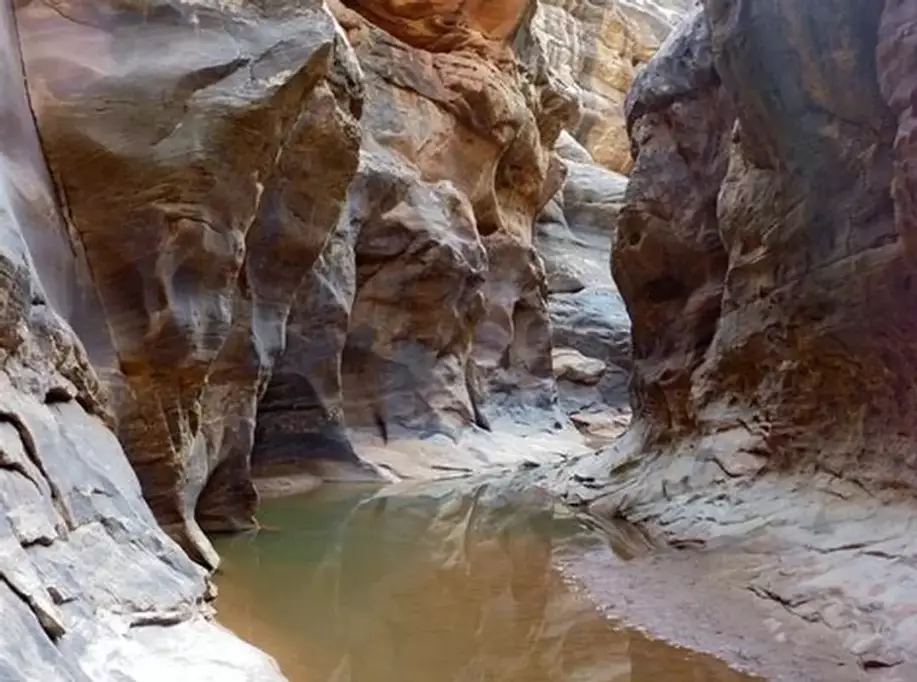
Key Takeaway: White Canyon is a remote BLM wilderness area, not a developed park. There are no entrance gates, fees, or set operating hours. Your access is 24/7, but your safety is 100% your responsibility. Always check road conditions with the BLM's Monticello Field Office before you go, especially after rain.
How to Plan Your White Canyon Utah Hike: A Step-by-Step Guide
This isn't a "show up and stroll" kind of place. A successful trip requires methodical planning. Here’s my field-tested process.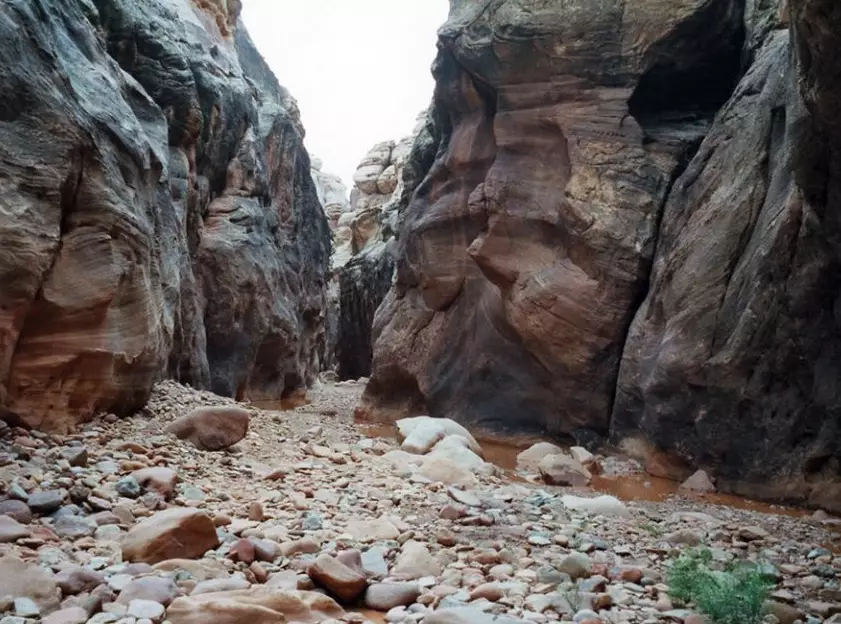
Step 1: Choose Your Season and Weather Window
Spring (April-May) and Fall (September-October) are ideal. Summer temperatures regularly exceed 100°F (38°C) in the canyon bottom—it's an oven, and heatstroke is a real danger. Winter can be beautiful but days are short, and ice can make slickrock treacherous. Check the forecast for Hanksville, UT, but know it can be 10-15 degrees hotter in the canyon. Never enter a slot canyon if there's any rain in the forecast, even miles away. Flash floods are deadly and move faster than you can run.
Step 2: Secure Permits and Navigation Tools
For standard day hiking, no permit is required. However, if you plan to camp overnight within the Grand Gulch Primitive Area (which borders and connects to parts of the White Canyon system), you need a permit from the BLM. These can be competitive in peak seasons; book online in advance.
Your navigation stack is non-negotiable:
- Primary: A dedicated GPS device (like a Garmin) or a smartphone with a premium offline mapping app (Gaia GPS or CalTopo). Download the area maps at home. Cell service is zero.
- Backup: A detailed paper map. The National Geographic Trails Illustrated #710 (Cedar Mesa / Comb Ridge) is excellent. I never go without it.
- Common Mistake: Relying solely on a phone screenshot or a free app without verified offline topo maps. I've guided groups who were saved by my paper map after their phone died.
Step 3: Vehicle and Road Logistics
The access roads are dirt and can vary from well-graded to deeply rutted. After rain, they turn to impassable clay. A high-clearance vehicle (like an SUV or truck) is strongly recommended. Four-wheel-drive (4WD) is a big plus for confidence, especially on roads like the one to the River House. If you're in a low-clearance rental car, you'll be severely limited in your access points. Park considerately at trailheads; don't block gates.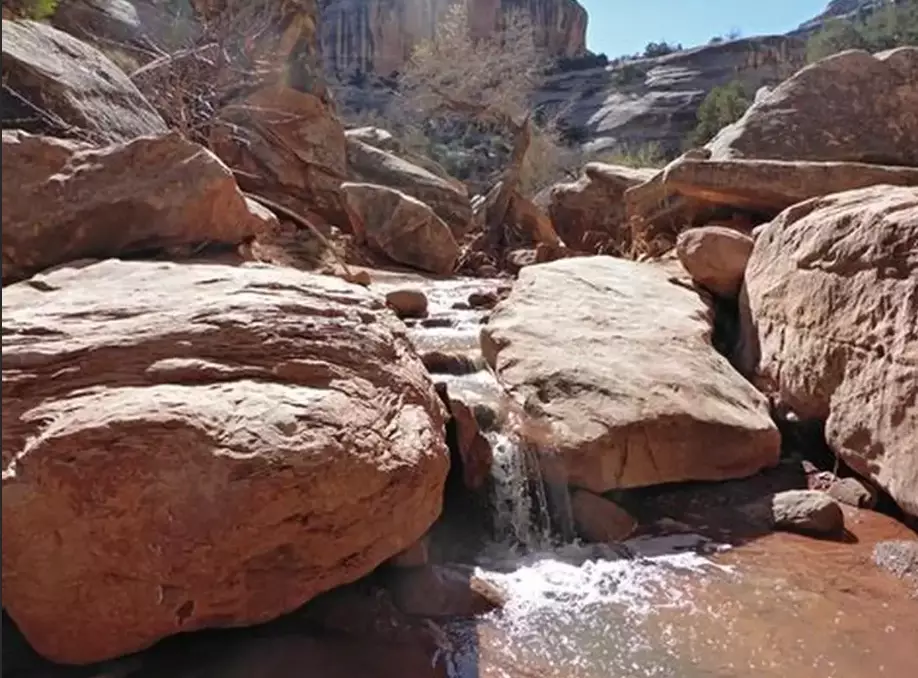
The Best Hikes and Routes in White Canyon
Here’s a breakdown of the most rewarding ways to experience the White Canyon area, from short jaunts to multi-day treks.
| Route Name | Type & Distance | Difficulty | Key Highlights & Notes |
|---|---|---|---|
| River House to White Canyon | Day Hike / 4-8 miles round trip | Moderate | Starts at a well-preserved Ancestral Puebloan cliff dwelling (River House). Descends into White Canyon proper. Flexible—you can explore upstream or down. The initial descent is steep but obvious. |
| The "Big Pour" Loop | Day Hike / 6-10 mile loop | Strenuous | A more adventurous route connecting canyons. Involves some mild scrambling and route-finding. Offers incredible views from the rim and intimate time in the canyon bottom. Not for beginners. |
| White Canyon / Armstrong Canyon Backpack | Overnight / 15-25 miles | Strenuous | A classic multi-day loop. Requires navigating pour-offs (dry waterfalls), possibly using a handline, and excellent route-finding. Connects beautiful, deep sections of both canyons. Permits required for camping. |
| Comb Ridge East Slots | Day Hike / 2-5 miles exploration | Easy to Moderate | Less about deep canyon hiking, more about exploring the narrow, twisting slot canyons that cut into the eastern side of Comb Ridge, adjacent to White Canyon. Fantastic for photography. |
My personal favorite is the River House start. You get archaeology and geology in one punch. After admiring the ruin—please don't touch or climb on it—the trail drops you right into the belly of White Canyon. Heading downstream, the walls close in, and you'll find yourself weaving between house-sized boulders. There's no defined turnaround point; you hike until you feel like turning back. That freedom is the essence of the place.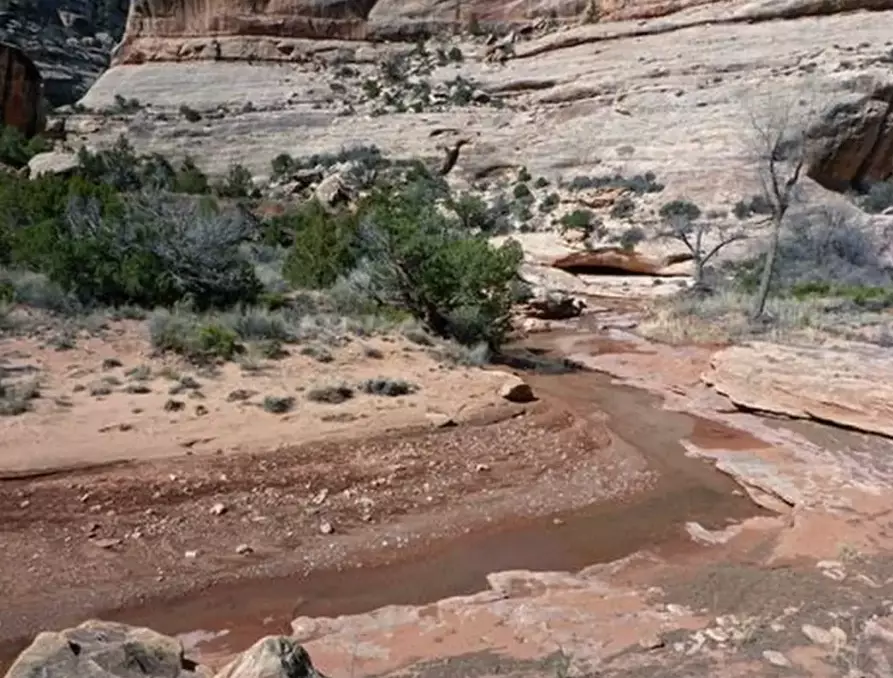
Heads Up: Many of these routes involve "downclimbing" short rocky sections. If you're not comfortable scrambling 5-10 feet down a rock face, some routes will be impassable without technical gear. Always scout ahead from the top before committing to a descent.
Essential Gear and Safety Tips for White Canyon
Packing wrong for White Canyon isn't just uncomfortable; it's dangerous. Here’s my non-negotiable list, born from hard lessons.
The Absolute Must-Haves
- Water: A minimum of 1 gallon (4 liters) per person, per day. In summer, you need more. I carry a 3-liter hydration bladder and two extra 1-liter bottles. There are no reliable water sources in the main canyons.
- Footwear: Sturdy hiking boots with aggressive tread. The terrain is sandy, rocky, and uneven. Trail runners can work for some, but ankle support is valuable.
- Sun Protection: Wide-brimmed hat, sunglasses, and mineral-based sunscreen. The white sandstone reflects sunlight intensely.
- Navigation: As outlined above: GPS/phone with offline maps AND a paper map/compass.
- First Aid Kit: Include supplies for blisters, cuts, and sprains. Add an emergency whistle and a space blanket.
The "Wish I'd Brought That" Items
These separate the prepared from the merely packed:
- Lightweight gloves: For scrambling and gripping rough sandstone.
- A 20-foot length of 6mm cord: Not for serious climbing, but for lowering packs over short obstacles or rigging a handline for group safety on a tricky step. It's saved me hours of hassle.
- Headlamp: Even on a day hike. If you get delayed, canyon bottoms get dark fast.
- Electrolyte tablets: Just drinking water isn't enough when you're sweating profusely.
The biggest safety error I see? People starting too late. Hit the trail at sunrise. It's cooler, the light is magical on the white rock, and you give yourself a huge buffer for unexpected delays.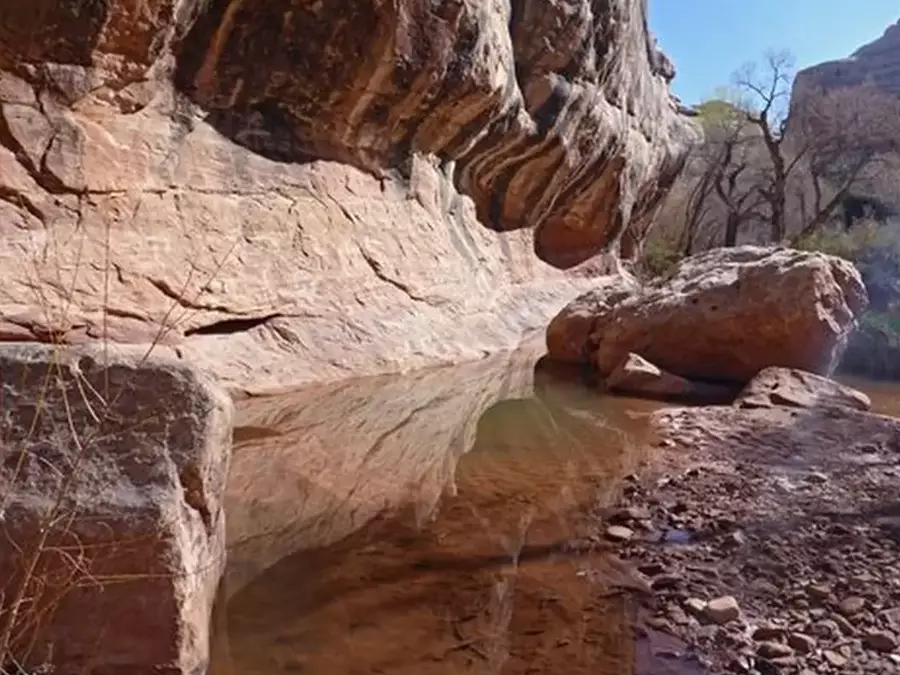
Beyond Hiking: Other Adventures Near White Canyon
This region is a playground. If you have extra time, base yourself in Blanding or camp on nearby BLM land (dispersed camping is allowed; follow Leave No Trace principles) and explore.
Photography: The play of light and shadow in the slots, especially in the hours after dawn and before dusk, is unreal. Comb Ridge itself is a monumental photographic subject.
River Trips: The lower sections of White Canyon eventually meet the Colorado River/Lake Powell. Multi-day canoe or kayak trips that include hiking up White Canyon from the river are an epic, advanced adventure.
Cultural History: The area is rich with Ancestral Puebloan sites beyond River House. Sites like Procession Panel and Butler Wash are easily accessible. Remember: look, photograph, but do not touch or remove anything. It's protected by law and sacred.
FAQs About Visiting White Canyon Utah
White Canyon Utah demands respect and preparation, but it pays you back with a sense of raw, unfiltered discovery you won't find in a national park campground. It's the silence, the scale, and the feeling of tracing routes used for millennia. Do your homework, pack meticulously, and go see it for yourself.
Reader Comments