Forget cookie-cutter resorts. A lighthouse stay is a travel experience that sticks with you. It's the sound of waves crashing against rocks where your bedroom used to be, the thrill of climbing a spiral staircase to a 360-degree view, and the deep quiet that settles in after the last tourist ferry leaves. It's not just a place to sleep; it's a night inside a piece of maritime history. But booking and enjoying one isn't as straightforward as clicking "reserve" on a hotel site. After spending a decade chasing these unique stays from Maine to Oregon, I've learned the quirks, the secrets, and the realities that most glossy travel blogs leave out. Let's cut through the romance and get to the practical magic.
Your Lighthouse Journey Starts Here
What is a Lighthouse Stay Experience?
At its core, a lighthouse stay means overnighting in a structure that was originally built to guide ships. This usually falls into three categories:
- The Keeper's Quarters: This is the most common. You stay in the historic house where the lighthouse keeper and their family lived. It's often attached or adjacent to the tower itself.
- The Tower Stay: The holy grail for hardcore enthusiasts. You actually sleep inside the lighthouse tower, often in a room that once held the lantern or machinery. These are incredibly rare.
- Modern Conversion: A newer building on the light station grounds, like a converted fog signal building or oil house, designed for guest comfort while preserving the historic feel.
The experience is defined by isolation, history, and raw nature. You're not just near the coast; you're on it. The National Park Service and organizations like the U.S. Coast Guard have transferred many decommissioned lighthouses to non-profits or local governments, which now maintain them as unique rentals. This keeps them preserved and accessible.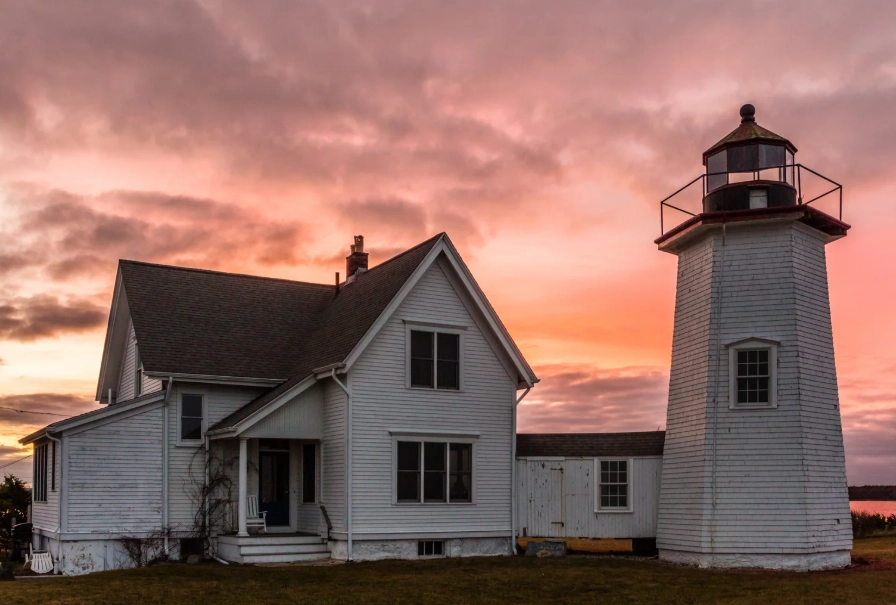
The Reality Check: Don't expect a luxury spa. Expect character. Expect wind. Expect plumbing that might be a little… thoughtful. The charm is in the authenticity. If you need 24-hour room service and blackout curtains, this might not be your jam. But if you want a story you'll tell for years, you're in the right place.
How to Book a Lighthouse Stay: A Step-by-Step Guide
You won't find most of these on Airbnb or Booking.com. The booking process is half the adventure and requires a bit of old-school effort.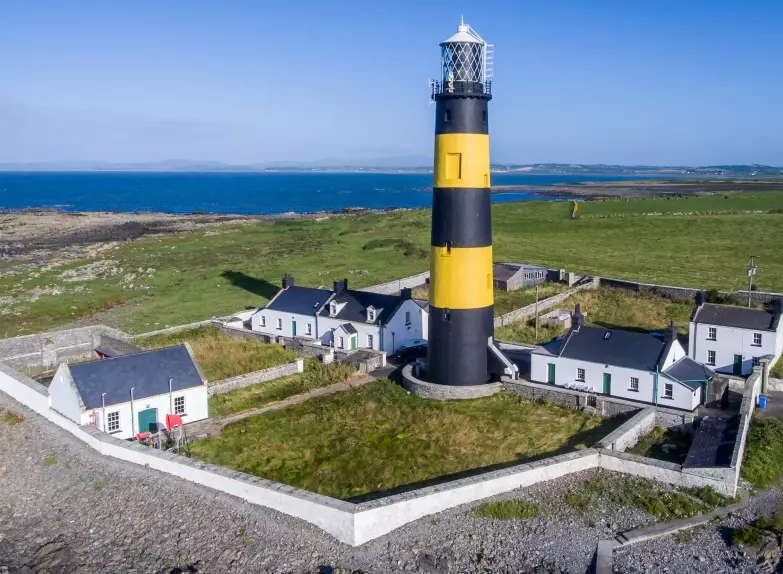
Step 1: Start Your Search Early (Like, a Year Early)
Popular lighthouses book up faster than you can say "nor'easter." For peak summer dates, people book the moment reservations open, often 11-12 months in advance. I missed out on the Heceta Head Lighthouse in Oregon because I thought six months was enough lead time. It wasn't.
Step 2: Know Where to Look
Forget generic search engines. Go straight to the source.
- State Park Websites: Many iconic lighthouse stays are managed by state parks (e.g., Big Sable Point in Michigan, Pigeon Point in California).
- Non-Profit & Historical Society Sites: Organizations like the American Lighthouse Foundation or local historical societies often manage bookings.
- Federal Recreation.gov: Some, like the Point Reyes Lighthouse hostel in California, are booked through this portal.
- Word of Mouth & Niche Blogs: Sometimes the best finds are buried in forum posts or local news articles.
Step 3: Read the Fine Print (Especially the Logistics)
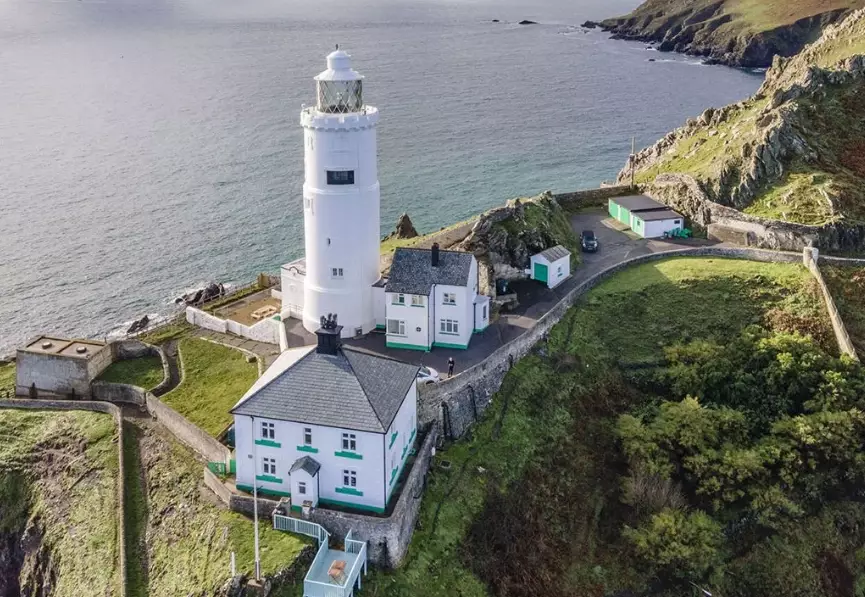
This is where most first-timers trip up. The listing might say "waterfront cottage." It won't scream "ACCESSIBLE ONLY BY 3-MILE SAND HIKE OR PRIVATE BOAT." You must check:
- Access Method: Hike-in? Boat? 4x4 vehicle across a beach? This dictates your packing list.
- What's Provided: Bedding? Kitchen gear? Firewood? Drinking water? Many are bring-your-own-everything.
- Minimum Stay: Often 2-3 nights, especially in remote locations.
- Cancellation Policy: Usually strict, given the limited inventory.

Top Lighthouse Stays in North America: A Curated List
Based on accessibility, uniqueness, and sheer wow factor, here are five standouts that deliver on the promise. Prices are approximate per night and vary by season.
| Lighthouse & Location | Managed By | The Experience & Key Features | Price Range & Booking Tip |
|---|---|---|---|
| Big Sable Point Lighthouse Ludington, Michigan |
Michigan DNR (State Parks) | Stay in the 1905 Keeper's Dwelling on a remote sand dune. Access is a scenic 1.8-mile hike along Lake Michigan. Fully restored, sleeps 8-10. Epic sunsets and star-gazing. No electricity (propane lights/fridge), but has running water. | $400 - $550 Bookings open Jan 2 each year for the full season. Be online at 8 AM EST. |
| East Brother Light Station San Francisco Bay, California |
East Brother Light Station, Inc. (Non-profit) | A pristine Victorian on its own tiny island. Arrive by boat. Includes a multi-course gourmet dinner and breakfast. More of a boutique B&B experience. The foghorn still operates automatically. | $450 - $550 (per couple, all-inclusive) Extremely limited (5 rooms). Book 3-6 months out. |
| Pigeon Point Hostel (Point Reyes) Pescadero, California |
Hostelling International / Recreation.gov | The most affordable way to do this. Stay in the former keeper's house right next to one of the tallest lighthouses in the US. Dorm rooms and private rooms available. Shared kitchen, great for solo travelers or groups on a budget. | $30 - $160 Book on Recreation.gov. Private rooms go fast. |
| Heceta Head Lighthouse B&B Florence, Oregon |
Private (Historic B&B) | Often called the most photographed lighthouse in the US. Stay in the 1893 Head Light Keeper's House, now a luxurious B&B with seven-course breakfast. The tower is a short walk away. Less about isolation, more about refined historic charm. | $300 - $500 Peak season books a year in advance. Consider a weekday in spring/fall. |
| Rose Island Lighthouse Newport, Rhode Island |
The Rose Island Lighthouse Foundation | For the purist. You don't just stay here; you become the "keeper for a week." Duties include raising the flag, recording weather, and giving tours. A truly immersive, working historical experience. Bring all your food and supplies. | $225 - $275 (for up to 6 people) Book directly through their foundation website. They prioritize week-long stays. |
My personal favorite? Big Sable Point. Hiking your gear in feels like a pilgrimage, and the moment you have that stretch of Lake Michigan shoreline all to yourself at dusk, every step is worth it. Just pack light.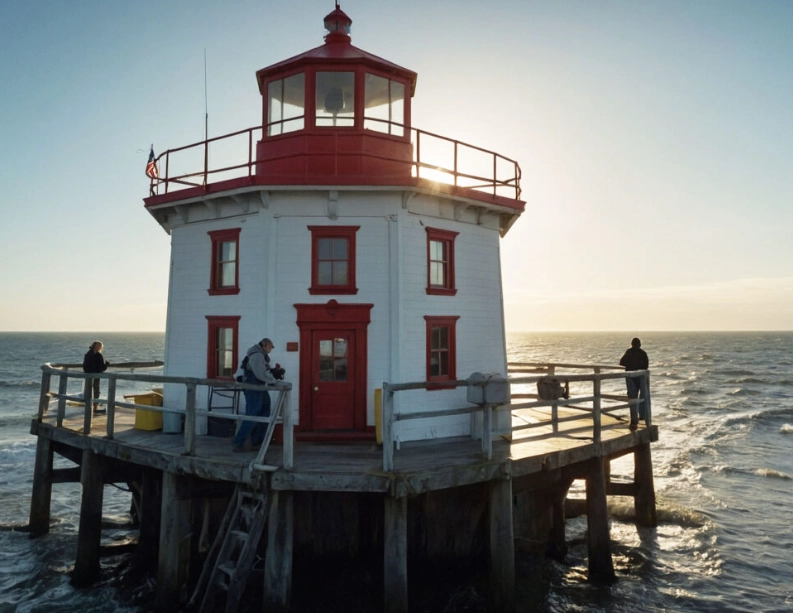
What to Expect During Your Lighthouse Stay
Let's set the scene for a typical night in a keeper's quarters.
The Arrival: However you get there—hiking, boating, driving—it feels like an accomplishment. You'll get a key code or meet a caretaker. There's always an orientation packet. Read it. It tells you where the emergency radio is and how to work the quirky stove.
The Ambiance: The light. It's the star of the show. If the tower is active, you'll see the beam sweep across your windows every night. It's mesmerizing, not disruptive. The soundscape is all wind, waves, and birds. At Rose Island, you'll hear the bell buoys in the harbor. It's the opposite of city noise.
The Practicalities: You'll likely be cooking for yourself. Kitchens are usually stocked with basics but check. Cell service is spotty to non-existent. Many have landlines for emergencies. Heating might be via space heaters or a wood stove—part of the fun (and the chore). Bathrooms are modernized but can feel rustic.
The biggest shift is mental. You're forced to slow down. There's no TV, no traffic, no option to run out for ice cream. You talk, you read, you play games, you walk, you just… be. It's a digital detox by design.
Insider Tips for the Best Lighthouse Stay Experience
Here's the advice you won't find in the official brochure, learned from a decade of minor mishaps and glorious successes.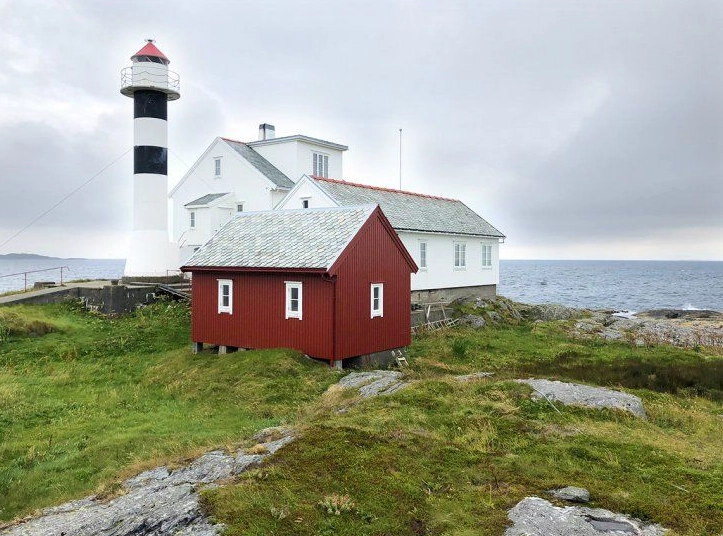
- Pack a "Comfort Kit": Beyond the obvious, include: a headlamp (for those midnight bathroom trips in a dark house), earplugs (the wind can howl), a favorite spice blend (kitchen spices are often old), a paperback (no screens), and a warm hat—even in summer. Stone buildings get cold.
- Embrace the Keeper's Mindset: You're a temporary steward. Conserve water if it's tank-based. Respect the wildlife. Close gates. This isn't a hotel; it's a historic site you're helping preserve.
- The Secret to a Great View Isn't the Tower: Everyone clamors for the tower tour (which is great). But the best light for photography is often from the shoreline below the lighthouse, looking up at it against the sky. Scout that spot at golden hour.
- Beware the "Vintage" Mattress: Some stays have beautifully preserved iron bedframes… with 20-year-old, saggy mattresses. If you have a bad back, research this specifically or be prepared to layer the mattress topper you hopefully packed.
- Connect with the Volunteers: If you meet a caretaker or volunteer, ask questions. They have the best stories—ghosts, shipwrecks, crazy weather. It adds layers to your experience no guidebook can.
My biggest mistake? At a remote Maine lighthouse, I assumed "fully equipped kitchen" included a can opener. It did not. We ate beans with a pocket knife and a rock. Now a multi-tool is always in my kit.
Reader Comments