Let's cut straight to the point. You've seen the epic photos of the Colorado River carving a perfect 270-degree curve through the Arizona desert, and your main question is a practical one: Is Horseshoe Bend free to visit? The simple, one-word answer is yes. There is no admission fee or ticket to stand at the overlook and witness one of the most photographed landscapes in the American Southwest.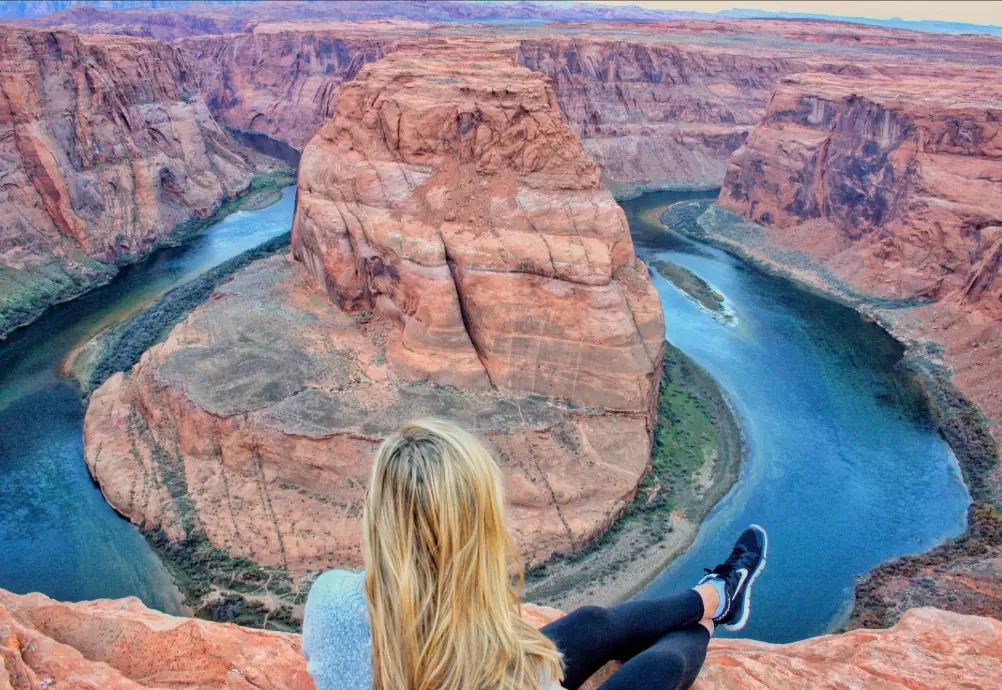
But if you stop reading there, you're setting yourself up for a frustrating surprise. The complete answer is more nuanced. While the vista itself is free on public land managed by the Glen Canyon National Recreation Area, accessing it reliably involves a mandatory cost that catches many first-time visitors off guard. This guide isn't just about a yes or no; it's about giving you the full, transparent picture of what a trip to Horseshoe Bend actually costs, how to plan for it, and how to avoid the common pitfalls that can turn a dream visit into a stressful ordeal.
What's Inside This Guide?
Is Horseshoe Bend Actually Free to Visit? The Parking Fee Reality
Here's the critical detail everyone needs to know. The land is free, but the parking is not. The City of Page manages the primary parking lot for Horseshoe Bend, and they charge a fee for all vehicles. This is the non-negotiable cost of your visit.
Thinking of parking on the highway shoulder to avoid the fee? Don't. It's prohibited, actively enforced, and you will likely be ticketed or towed. The area is not designed for roadside parking, and it's a safety hazard.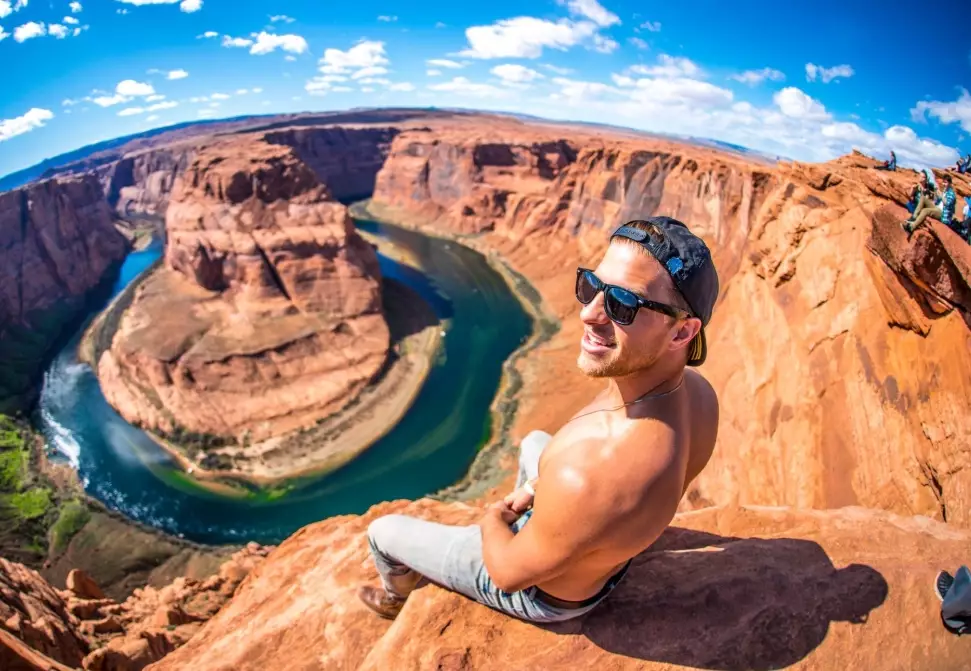
As of 2024, the parking fees are as follows:
| Vehicle Type | Fee | Notes |
|---|---|---|
| Passenger Car / Motorcycle | $10 | Flat fee. Covers all occupants. |
| Commercial Van / RV | $35 - $140 | Fees scale with vehicle capacity. Check signs on-site. |
| Oversized Vehicle (Bus, Large RV) | $140+ | Must use the designated oversized lot. |
The lot accepts both credit/debit cards and cash. It's a well-run operation with plenty of space, restrooms, and a small gift shop. You pay on your way out. This fee is your primary "cost of admission."
Pro Tip from a Local: The parking lot can fill up, especially between 10 AM and 2 PM. If you're visiting in peak season (March-October), aim to arrive before 9 AM or after 3 PM. You'll get a better parking spot, avoid the biggest crowds, and experience better light for photography.
Planning Your Visit: Location, Hours & The Hike
Address: The parking lot is located at 1001 Page Parkway, Page, AZ 86040. Don't just search "Horseshoe Bend"—it might lead you to a distant viewpoint. Use this specific address or the coordinates (36.8806° N, 111.5106° W) for your GPS.
Operating Hours: The parking lot and trail are open from sunrise to sunset, 365 days a year. You cannot enter the parking lot outside of these hours. The exact sunrise/sunset times change, so check a weather app for the day of your visit.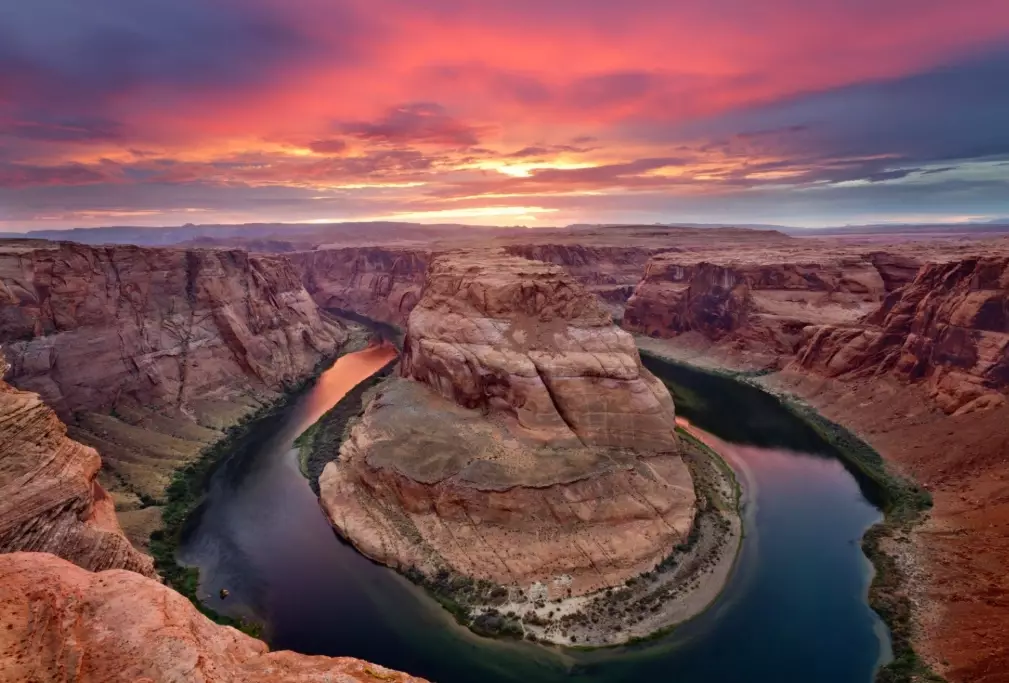
The Hike to the Overlook: What to Expect
From the parking lot, it's a 1.5-mile round-trip walk (0.75 miles each way) on a wide, sandy path. It's not a technical hike, but it's not a casual stroll either.
- Terrain: Packed sand and rock. It's steadily uphill on the way back to the lot.
- Difficulty: Moderate. The Arizona sun is the real challenge. There is zero shade on the entire trail.
- Time: Allow 45-60 minutes round-trip, plus however long you want to spend at the rim. If you're taking photos, give yourself at least 30 minutes at the overlook.
I've seen people in flip-flops struggling. I've also seen folks underestimate the return trek and be completely exhausted. Wear sturdy shoes, not sandals.
Best Time to Visit Horseshoe Bend for Photos & Comfort
Lighting and heat are everything here. Midday sun creates harsh shadows and washes out the colors of the canyon.
For the Best Photos: Visit in the morning (before 10 AM) or late afternoon (2 hours before sunset). The sun will be at an angle, illuminating the canyon walls and creating depth. The river will be a vibrant blue-green instead of a reflective silver.
For Comfort: Avoid June through August between 11 AM and 4 PM if possible. Temperatures regularly exceed 100°F (38°C). The trail becomes a hot plate. If you must go then, carry at least one liter of water per person. I bring two.
Spring (March-May) and Fall (September-October) offer the best balance of pleasant temperatures and good light. Winter is cold and can be windy, but the light is beautiful and crowds are minimal.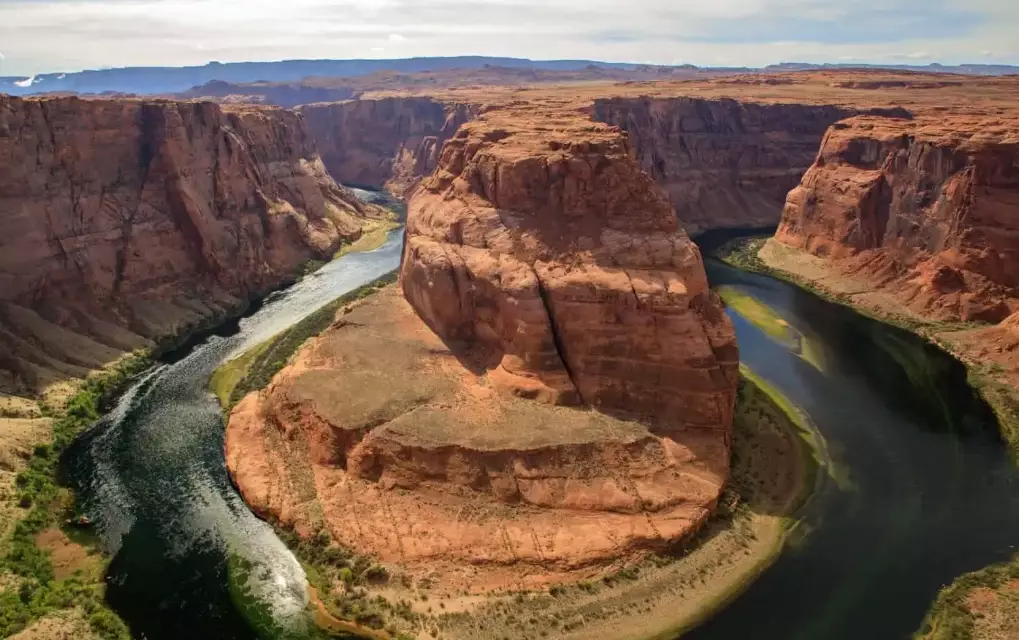
Getting to Horseshoe Bend: Driving & Shuttle Options
By Car: This is the most common and flexible way. Page, Arizona is the gateway.
- From Las Vegas: ~4.5-hour drive (275 miles) via I-15 and US-89.
- From Phoenix/Flagstaff: ~2-hour drive from Flagstaff (130 miles) via US-89.
- From Grand Canyon South Rim: ~2.5-hour drive (135 miles) via AZ-64 and US-89.
Parking in Page Without a Car: If you're staying in a Page hotel and don't have a vehicle, you have two main options:
- Ride a Bike or E-bike: The trail from Page is relatively flat. Several local shops rent bikes. It's a great way to go.
- Use a Rideshare/Taxi: Services like Uber and Lyft operate in Page. The ride is short, but confirm your driver can pick you up for the return trip, as cell service at the parking lot can be spotty.
There is no public transit shuttle from Page to the Bend itself.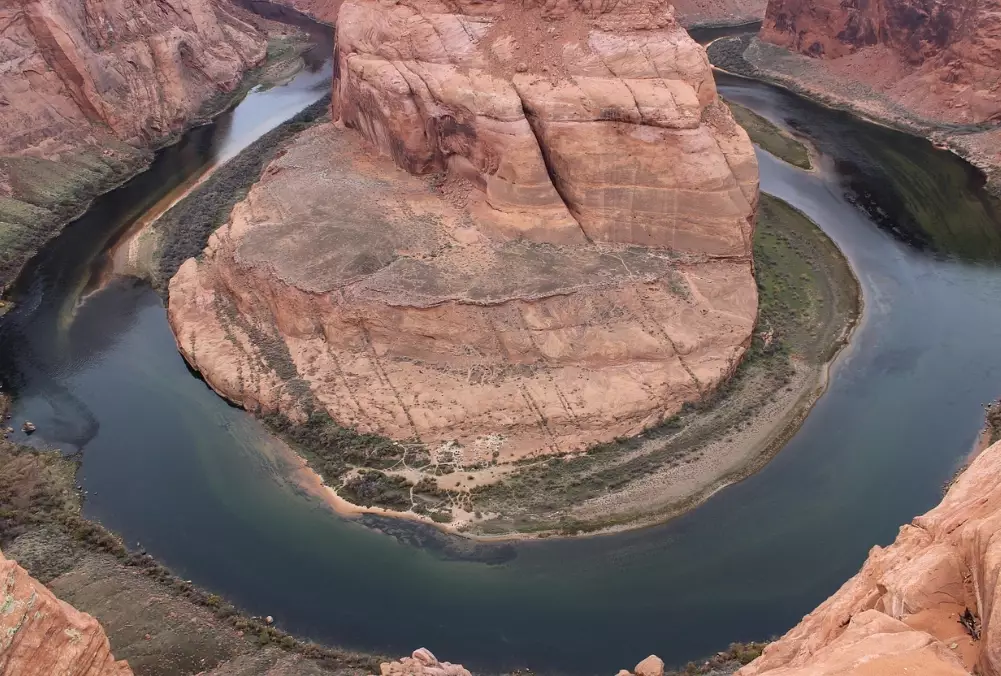
Essential Safety Tips at the Horseshoe Bend Overlook
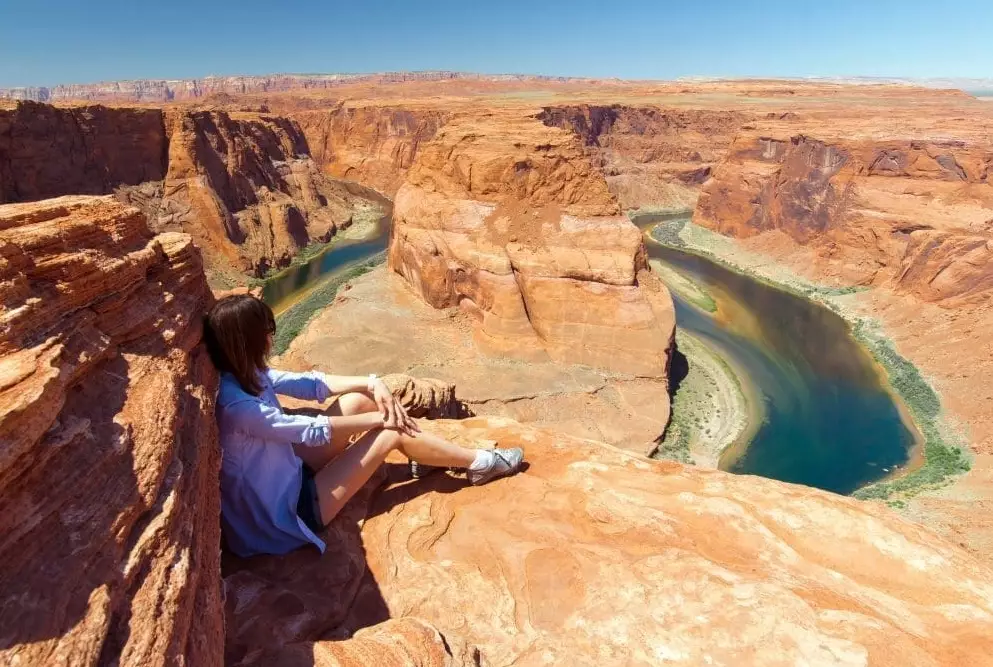
The overlook has no guardrails. The drop is about 1,000 feet straight down. A misstep is fatal.
- Stay Back: Keep a safe distance from the edge, especially in windy conditions. The rock can be sandy and unstable.
- Watch Children & Pets: Hold hands with small kids. Keep pets on a very short leash. This is not a place for distractions.
- No Drones: The use of drones is prohibited within the Glen Canyon National Recreation Area without a permit.
- Heat & Hydration: I can't stress this enough. Bring more water than you think you need. Wear a hat, sunglasses, and sunscreen.
Every year, rescues happen here due to heat exhaustion. Don't be that person.
Your Horseshoe Bend Questions Answered
 What's the one thing most visitors forget to bring?
 So, is Horseshoe Bend free to visit? The land is. The experience of getting there safely and comfortably costs about $10 for a car. When you frame it that way—less than the price of a movie ticket for one of the planet's most iconic views—it's an undeniable bargain. Plan for the fee, respect the heat, prioritize safety, and you're set for an unforgettable encounter with the power of the Colorado River.
Reader Comments