Let's get straight to the point. Croatia's Dalmatian coast, with its necklace of over a thousand islands, is one of Europe's most stunning destinations. But planning a Croatia islands travel itinerary can feel overwhelming. Which islands are worth it? How do the ferries really work? Where should you stay without blowing your budget? I've spent summers exploring these islands, making every mistake in the book so you don't have to. This guide cuts through the noise and gives you the actionable, local-tested advice you need.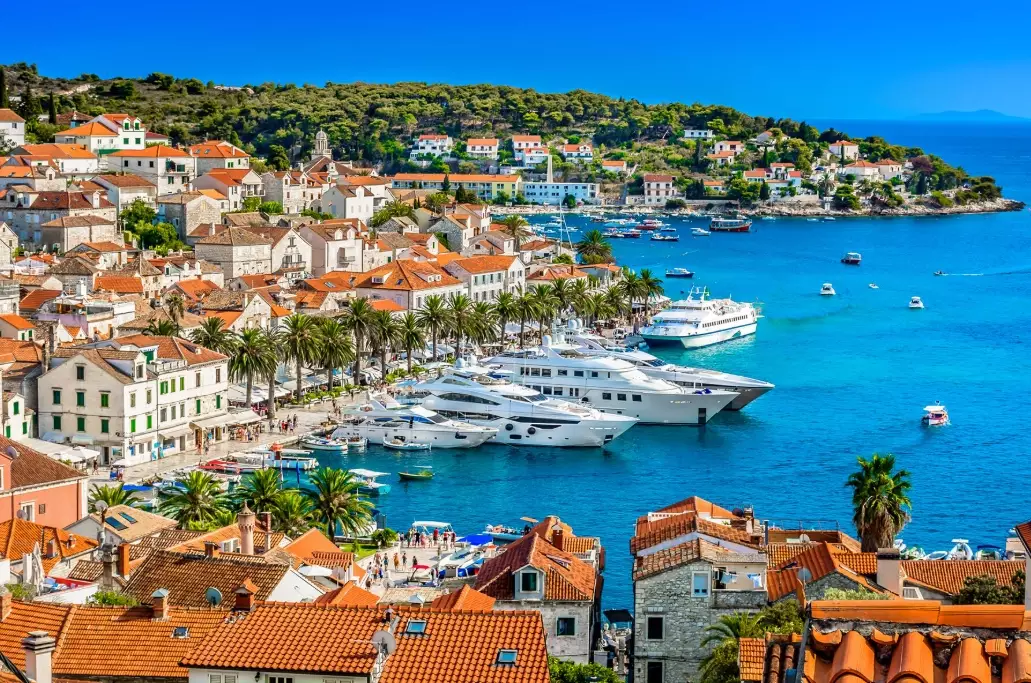
Your Island Hopping Roadmap
- Why Croatia's Islands Should Be Your Next Destination
- How to Plan Your Croatia Island Hopping Route
- Top Croatian Islands to Visit (and What Makes Each Unique)
- Getting Around: A Realistic Guide to Ferries, Catamarans & Boats
- Where to Stay: Island Accommodation for Every Budget
- Eating & Drinking Like a Local on the Islands
- Essential Croatia Islands Travel Tips from a Local Insider
- Frequently Asked Questions About Croatia Island Travel
Why Croatia's Islands Should Be Your Next Destination
It's not just the photos. The reality is better. You get a unique blend of deep Mediterranean history (think Roman palaces and Venetian fortresses), absurdly clear water that stays warm into October, and a laid-back fjaka (the Dalmatian art of doing nothing) vibe that's hard to find elsewhere in crowded Europe. Unlike the Greek Islands, distances here are short. You can have breakfast in a historic mainland city like Split, lunch on a car-free island, and dinner watching the sunset from a 15th-century walled town. The infrastructure for travelers is excellent, but it's still easy to find a secluded cove all to yourself if you know where to look.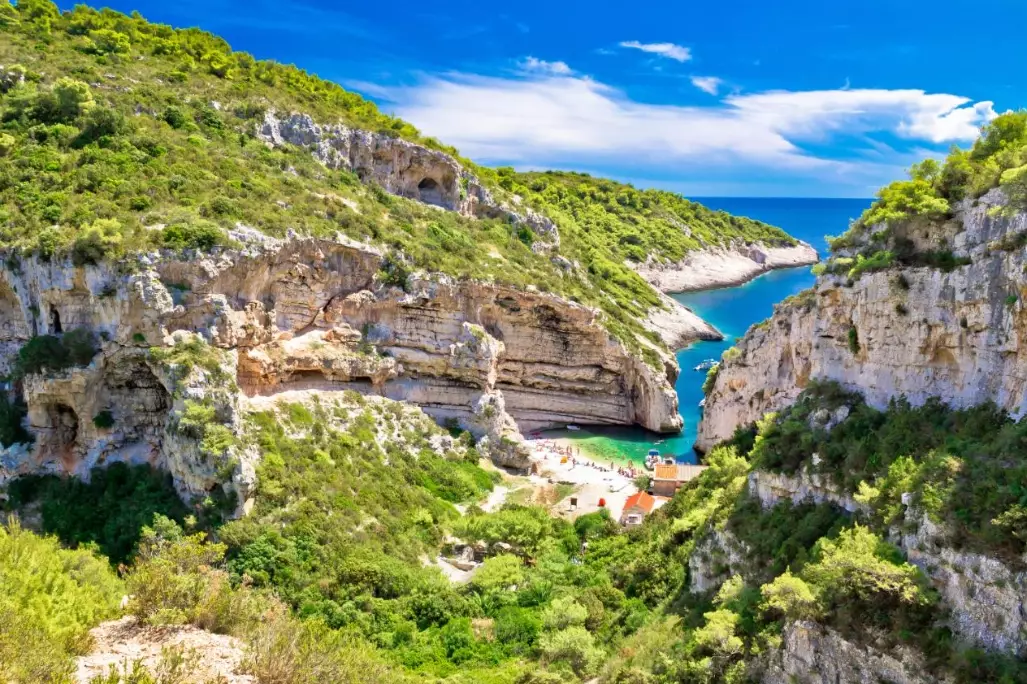
How to Plan Your Croatia Island Hopping Route
The biggest mistake first-timers make? Trying to see too much. The ferry schedules dictate your life, and less is more.
Option 1: The Classic Split Hub. Base yourself in Split for 4-5 nights. Use it to take day trips to nearby islands like Brač (for Zlatni Rat beach), Šolta (for quiet fishing villages), and Hvar (the town, not the whole island). This is low-stress and great for families or those who hate packing/unpacking. Book ferries a day or two in advance.
Option 2: The True Island Hopper. For a 7-10 day trip, I recommend this route: Split → Hvar Island (2 nights) → Korčula Island (2 nights) → Dubrovnik (with a possible day trip to Mljet or the Elaphiti Islands). You move with your luggage, but you get to experience island evenings after the day-trippers leave. This requires more planning, especially for summer accommodation.
Option 3: The Slow Traveler. Pick one island and stay for a week. Vis, Lastovo, or Mljet are perfect for this. Rent a bike or a scooter, explore every village, and become a regular at a single konoba (tavern). You'll save money and leave feeling genuinely rested.
Top Croatian Islands to Visit (and What Makes Each Unique)
Not all islands are created equal. Here’s the real breakdown beyond the brochures.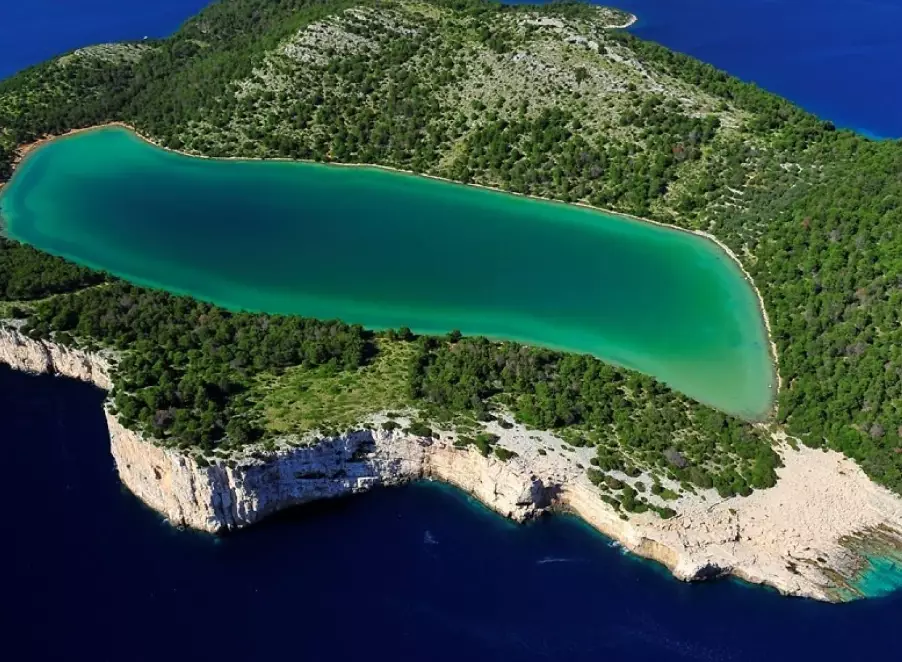
Hvar: The Glamorous One
Yes, it's famous for nightlife, but Hvar Town is just a small part. The island's interior has ancient villages, lavender fields, and fantastic wineries. Stari Grad is a quieter, more authentic harbor town. Don't just club—rent a scooter and head to the secluded beach at Mlini or have lunch in Vrboska.
- Must-Do: Hike up to the Fortica (Fortress) for sunset views. Ticket: ~€10. Open 9 AM - 11 PM in summer.
- Getting There: Catamaran from Split (Krilo): 1 hour. Car ferry: 2 hours.
Brač: The Active One
Home to Croatia's most photographed beach, Zlatni Rat (Golden Horn) near Bol. It's a pebble beach that changes shape with the wind. The island's real charm is its stone. The white stone from Brač's quarries built Diocletian's Palace in Split and parts of the White House. Visit the stonemasonry school in Pučišća.
- Must-Do: Climb Vidova Gora, the highest point in the Adriatic islands, for a staggering view of Zlatni Rat. No ticket, just a hike.
- Getting There: Frequent car ferries from Split to Supetar (50 mins). Bol is on the other side, reached by bus or car across the island.
Vis: The Remote & Authentic One
A military base until 1989, Vis was closed to tourists. That preserved its magic. It feels decades behind the others. The two main towns, Vis Town and Komiža, are stunning. This is where they filmed Mamma Mia! Here We Go Again. The blue cave on nearby Biševo island is a major draw, but go on the earliest tour to beat the crowds.
- Must-Do: Visit the abandoned submarine base and Tito's cave at the end of the bay in Vis Town. Eerie and fascinating.
- Getting There: Catamaran from Split (1.5 - 2.5 hours). Book early, it's popular.
Korčula: The Mini-Dubrovnik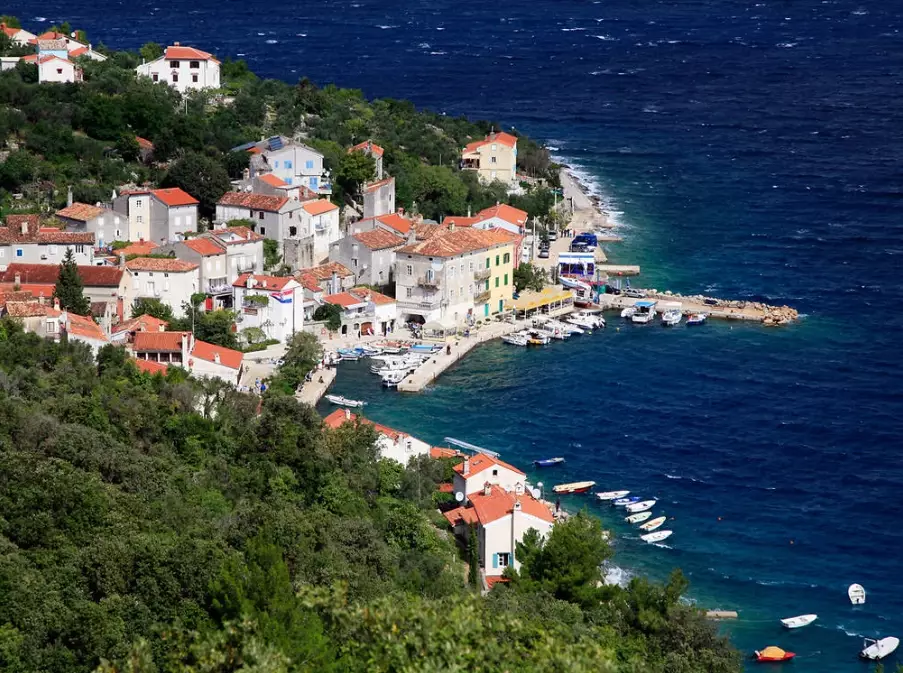
Walled, medieval, and covered in cobblestone, Korčula Town is a gem. It's allegedly the birthplace of Marco Polo. Less hectic than Dubrovnik, with great local white wine (Pošip and Grk). The beaches around the island, like Pupnatska Luka, are spectacular.
- Must-Do: See the Moreska sword dance, a traditional performance held weekly in summer. Tickets ~€15-20.
- Getting There: Catamaran from Split (2h 15m) or Dubrovnik (2h 30m). Also connected to Orebić on the mainland by a 15-minute passenger ferry.
Mljet: The Green One
Over 70% is a national park. It's for hiking, cycling, and swimming in two stunning saltwater lakes. A small island in the middle of Veliko Jezero houses a 12th-century Benedictine monastery. It's a day trip from Dubrovnik or Korčula, but staying overnight is peaceful.
- Must-Do: Rent a bike at the park entrance in Pomena and cycle around the lakes. National Park entry: ~€25 in summer.
- Getting There: Ferry from Dubrovnik (Prapratno) to Sobra (1h 15m) or catamaran from Dubrovnik to Polače/Pomena (1.5h).
Getting Around: A Realistic Guide to Ferries, Catamarans & Boats
This is the make-or-break part of your planning.
| Transport Type | Best For | Pros | Cons & Insider Notes |
|---|---|---|---|
| Car Ferry (Jadrolinija) | Traveling with a car, longer routes, budget travel. | Cheaper, scenic, deck space to relax, carries vehicles. | Slower. Arrive at least 45 mins early if you have a car in summer. Deck space fills up. |
| Passenger Catamaran (Krilo, Jadrolinija) | Fast connections between major hubs (Split-Hvar-Korčula-Dubrovnik). | Fast, frequent, often more central arrival points. | More expensive. Can be cancelled in high winds. Feels more like a bus, less atmosphere. |
| Local Taxi Boat | Reaching hidden beaches, short hops between nearby islands/towns. | Flexible, goes anywhere, private. | Expensive for long distances. Agree on price before boarding. Perfect for a group heading to a beach like Stiniva on Vis. |
| Private Sailboat/Yacht Charter | The ultimate freedom, groups, special occasions. | Complete itinerary control, swim stops anywhere, magical experience. | High cost, requires planning/skipper hire unless you're qualified. |
I once missed a ferry from Vis because I didn't account for the 20-minute walk from my guesthouse to the port with luggage. Ports are often on the edge of town. Factor in transfer time.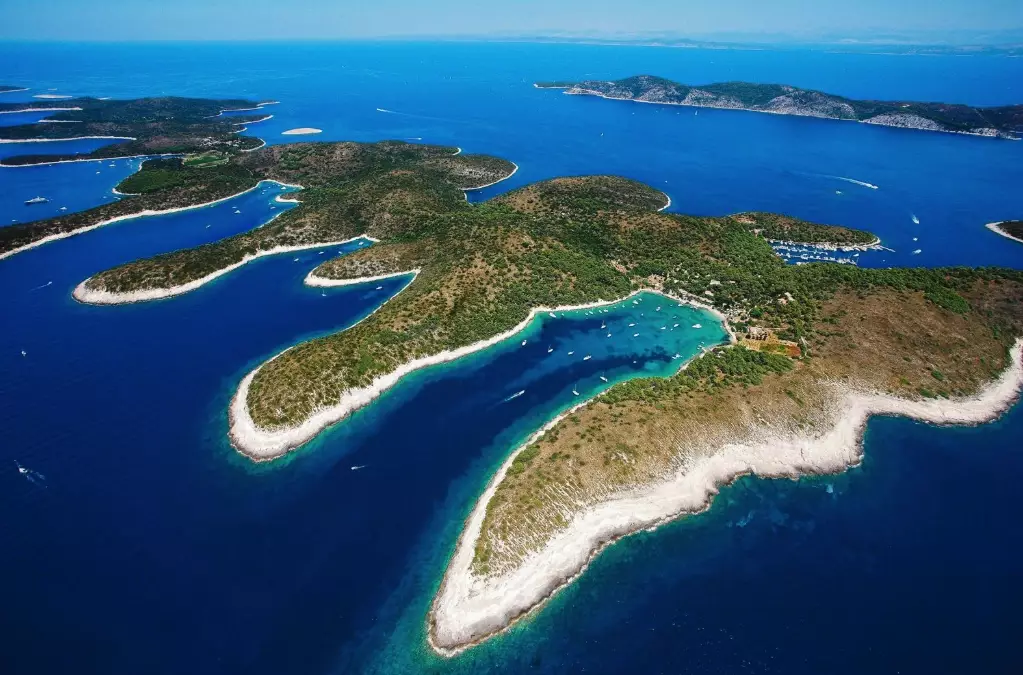
Where to Stay: Island Accommodation for Every Budget
Hotels exist, but the best value is in private apartments (sobe) and guesthouses. Book months ahead for July/August.
Mid-Range Gem in Hvar Town: Adriana Hvar Spa Hotel. Right on the marina, with a stunning rooftop pool and bar. You're in the heart of the action. Doubles from €250 in high season. Address: Obala Fabrika 28, 21450 Hvar.
Authentic Stay in Korčula: Apartments & Rooms Stella. Family-run, just outside the old town walls. Clean, quiet, with a beautiful garden and sea views. The host, Maria, gives fantastic local tips. Doubles from €90. Address: Put od Lokve 14, 20260 Korčula.
Budget-Friendly on Brač: Guesthouse Villa Daniela in Supetar. Simple, spotless rooms a 10-minute walk from the ferry and town beach. The family makes a killer breakfast. Doubles from €70. Address: Put Vele Luke 30, 21400 Supetar.
For a unique splurge, look at lighthouse stays (pharos) run by the Croatian National Tourist Board. They're remote and unforgettable.
Eating & Drinking Like a Local on the Islands
Avoid the harborside restaurants with giant menus in six languages. Walk two streets back.
In Hvar, find Konoba Menego in an alley off the main square. It's rustic, with checkered tablecloths and a set menu of peka (slow-cooked meat/veggies under a bell). Address: Petra Hektorovića 12. Expect to pay €25-35 per person with wine.
On Vis, in Komiža, go to Konoba Bako. Right on a small beach, it serves the best octopus salad and fresh fish I've had. No fancy presentation, just quality. Address: Gusarova 13. Fish plate for two ~€50.
The universal rule: Drink the local wine. Hvar has Plavac Mali reds. Korčula has Pošip and Grk whites. Brač has crisp white varieties. A carafe of house wine (bevanda – often wine mixed with water) is cheap and delicious.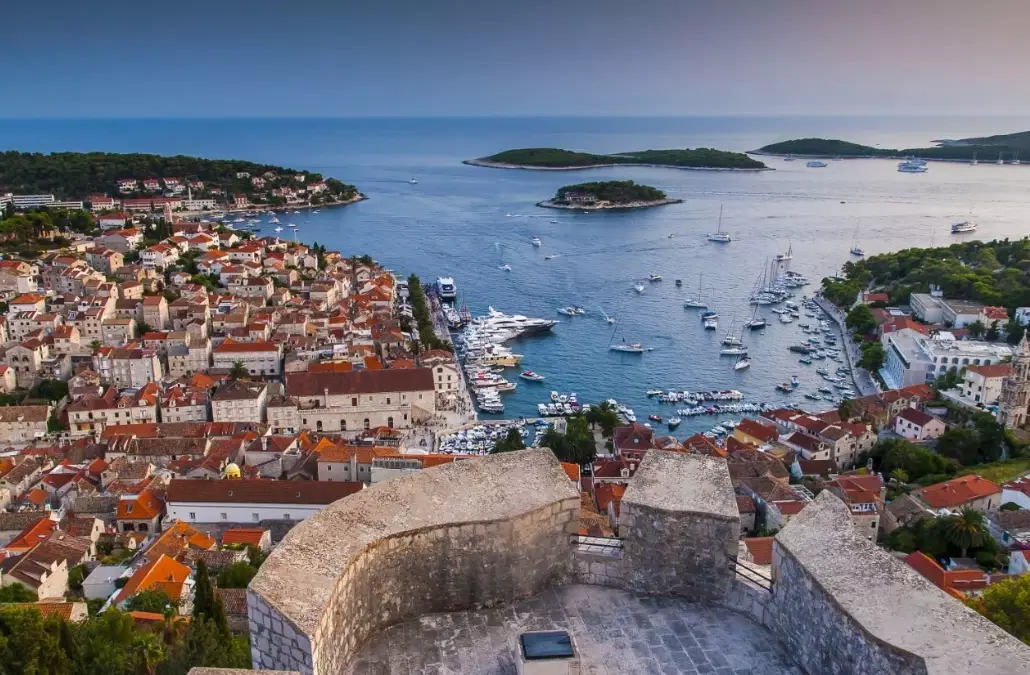
Essential Croatia Islands Travel Tips from a Local Insider
- Pack for stone and pebbles. Water shoes are not a joke. They're a necessity. The beaches are mostly pebble or rock, which means stunningly clear water but painful feet.
- Cash is still king. Especially in smaller konobas, on taxi boats, and for market purchases. While cards are widely accepted, having a few hundred Kuna in cash saves headaches.
- The “Croatian Shrug” is real. Ferry delays, changed schedules, fully booked restaurants—things move on island time. Build in buffer days and have a plan B. Getting frustrated won't help.
- Sun protection is non-negotiable. The Adriatic sun is fierce. Reef-safe sunscreen, a hat, and seeking shade between 1-4 PM is crucial.
- Travel in shoulder season. My strongest advice. Go in June or September. The sea is warm, prices are lower, and you'll have those iconic places nearly to yourself. July and August are a beautiful, crowded, expensive marathon.
Reader Comments