That photo. You've probably seen it. A shock of milky, electric turquoise water cutting through the rust-colored desert of northern Arizona. It looks unreal, like someone dropped Caribbean dye into the canyon. That's the Little Colorado River, and yes, you can swim in it. But between that dreamy image and actually getting there lies a gap filled with questions about access, safety, permits, and sheer logistics. Most guides just tell you it's beautiful. I've been hiking and exploring the Colorado Plateau for over a decade, and I'm here to tell you how to actually do it—and more importantly, how to do it right, safely, and respectfully.
The biggest mistake first-timers make? Assuming it's a simple roadside swim hole. It's not. This is a remote, powerful tributary of the Grand Canyon on Navajo Nation land, governed by its own rules and rhythms. Getting to the swimmable sections involves planning, and the experience varies wildly depending on where and when you go.
What's Inside This Guide
Where Exactly Can You Swim in the Little Colorado River?
You can't just pull over anywhere. The river flows through deep canyons for most of its length. The primary—and for most visitors, the only—legal and practical swimming access is at the Little Colorado River Tribal Park, operated by the Navajo Nation Parks & Recreation.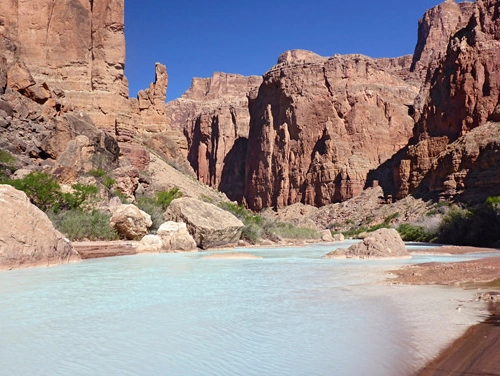
Little Colorado River Tribal Park: The Main Access Point
Address & Location: The park is located off Highway 89, about 30 miles north of Cameron, AZ. Look for signs for "Little Colorado River Gorge." The turnoff is onto Indian Route 64. It's remote, so have a map downloaded.
Entrance Fee: $20 per vehicle (as of 2024). Cash is preferred, though cards are sometimes accepted. This fee grants access to the paved overlook and the trail to the river.
Park Hours: Typically 8:00 AM to 5:00 PM daily, but hours can vary seasonally and are strictly enforced. You cannot enter or remain in the park outside of these hours.
The Journey Down: This is crucial. From the parking lot, it's not a gentle stroll. It's a steep, unmaintained, rocky trail that descends about 600 feet into the gorge. The hike down takes 30-45 minutes; the hike back up, in the desert heat, can take over an hour and is strenuous. Bring more water than you think you need.
At the bottom, the river widens into a series of pools and gentle rapids just before it meets the main Colorado River in the Grand Canyon. This is the famous turquoise section. The color comes from dissolved calcium carbonate, a mineral suspended in the water. It's most vibrant in late spring and early summer when snowmelt increases flow.
There are other, more remote access points, like via the Salt Trail or from within the Grand Canyon itself on a multi-day rafting trip. These are for experienced backpackers and river runners only, requiring serious permits and backcountry skills. For 99% of people looking for a "swim," the Tribal Park is the answer.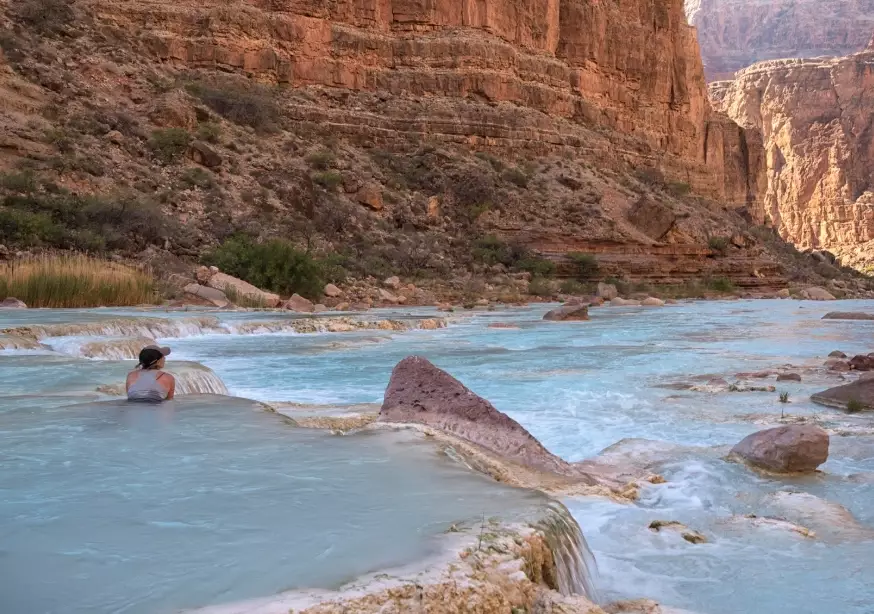
Is It Safe to Swim in the Little Colorado River?
This is the most important section. The river is beautiful but demands respect. Conditions can change fast.
Critical Safety Considerations
Water Temperature: It's cold. Year-round. The water comes from springs deep in the limestone, averaging around 50-55°F (10-13°C). Jumping in can literally take your breath away. Acclimate slowly.
Current & Flow: This isn't a placid lake. The current is steady and can be strong, especially after rain or during peak runoff (May-June). Never dive in headfirst. Always enter feet first to check depth and avoid submerged rocks.
Flash Floods: The #1 danger in desert canyons. A storm miles upstream can send a wall of water down the gorge with little warning. The sky above you can be clear. Never swim if rain is forecast anywhere in the region. Get out immediately if the water becomes muddy or starts rising.
No Lifeguards: You are entirely responsible for your own safety. Cell service is nonexistent at the river bottom.
From my experience, people underestimate the hike out. You'll be wet, possibly a bit chilled, and facing a steep climb in direct sun. That's a recipe for exhaustion or heat-related illness. Time your swim so you have plenty of energy and daylight for the return hike.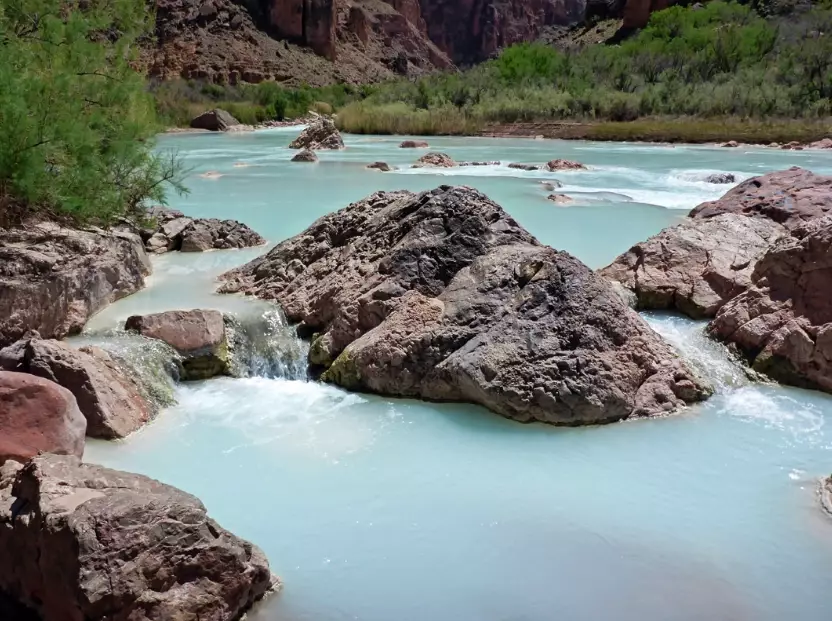
What to Bring for a Safe Swim
Packing right makes the difference between a great day and a miserable one.
- Sturdy, Broken-In Hiking Shoes: Not flip-flops. The trail is all rocks and scree. You need ankle support and grip.
- Water & Electrolytes: A minimum of 3 liters of water per person. I carry a hydration pack plus an extra bottle. Consider electrolyte tablets.
- Sun Protection: Hat, sunglasses, and high-SPF, reef-safe sunscreen. The canyon walls reflect the sun.
- Quick-Dry Clothing & Swimwear: A synthetic shirt to swim in protects your back from the sun. Pack a dry set of clothes for the drive back.
- Traction Footwear for the River: Old sneakers or water shoes. The riverbed is rocky and slippery.
- Basic First Aid Kit: Bandages, antiseptic, blister care. Small cuts on the sharp rocks are common.
- Trash Bag: Pack out everything you bring in. Leave no trace.
How to Plan Your Little Colorado River Swimming Trip
Success here is all about logistics. Here's a step-by-step breakdown.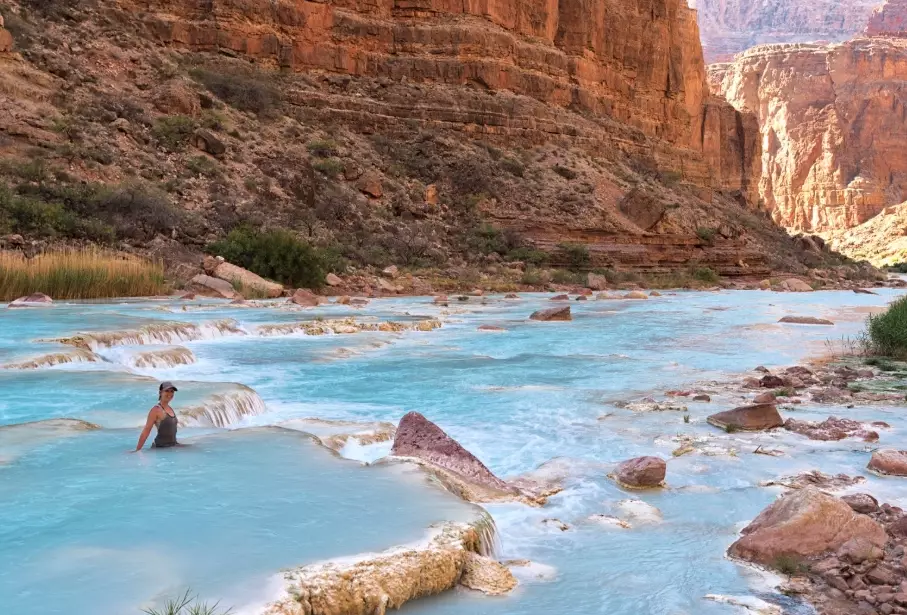
Step 1: Check Conditions and Get Your Permit
First, you need a Navajo Nation Recreational Permit in addition to the park entry fee. You can often purchase this at the park entrance, but to be safe, check the official Navajo Nation Parks website for the latest info on permits, fees, and closures. The river access can close due to high water, flooding, or other conditions. A quick call ahead can save a long, disappointing drive.
Step 2: Timing Your Visit
Best Time of Year: Late May through September offers the warmest air temps, making the cold water more bearable. Spring (April-May) has the most vibrant turquoise color but also higher, faster, colder water. Fall is nice but days are shorter.
Best Time of Day: Arrive early. Aim to be at the park gate near opening time (8 AM). This gives you the coolest part of the day for the hike down, plenty of time at the river, and avoids the worst heat for the hike out. The midday sun in the canyon is brutal.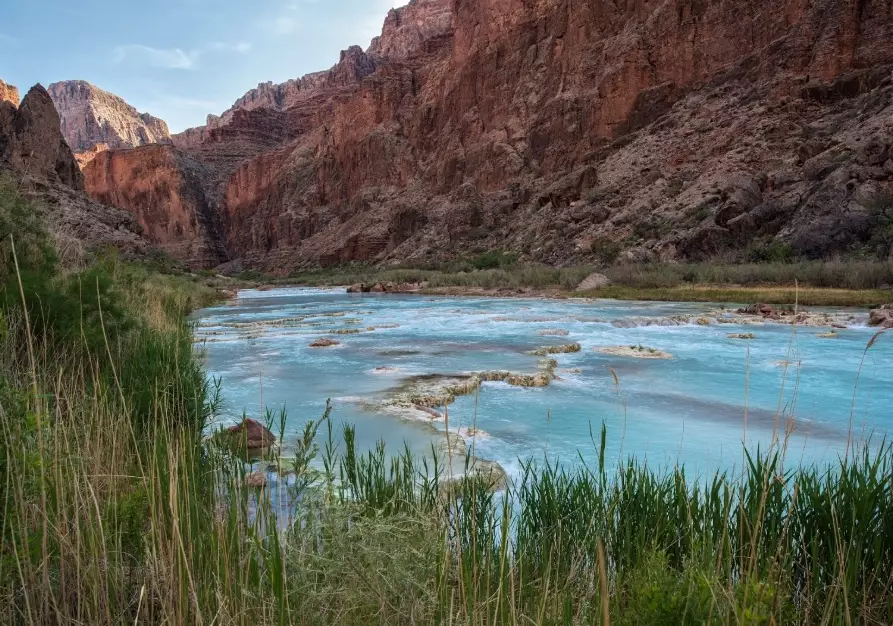
Step 3: The Practical Itinerary
Let's map out a realistic day from a common starting point like Flagstaff.
6:30 AM: Depart Flagstaff. It's about a 1.5 to 2-hour drive to the park.
8:15 AM: Arrive at Little Colorado River Tribal Park, pay fees, get permit.
8:30 AM: Start the hike down. Take it slow, enjoy the views.
9:15 AM: Reach the river. Explore the pools, find your spot, acclimate to the water.
9:30 AM - 12:00 PM: Swim, relax, take photos. Have a snack.
12:15 PM: Begin packing up. You want to start the ascent before the peak afternoon heat.
12:30 PM: Start the hike back up. Take frequent breaks in any shade you can find.
1:45 PM: Reach the parking lot. Rehydrate, change into dry clothes.
2:00 PM: Drive back, stopping at the Cameron Trading Post for a late lunch/early dinner—their Navajo tacos are legendary.
This schedule builds in buffer time. Rushing leads to mistakes.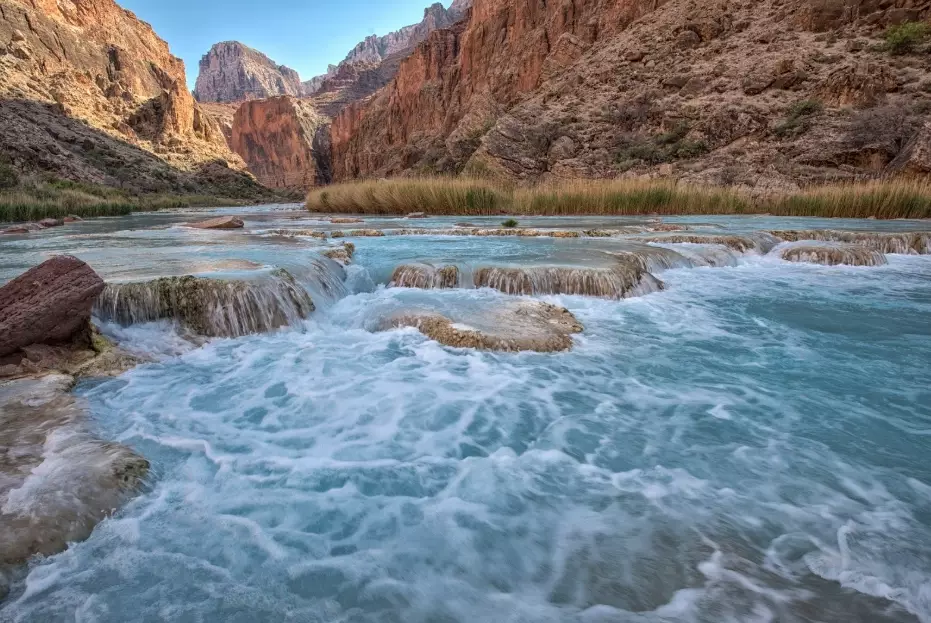
Little Colorado River Swimming: Your Questions Answered
How cold is the water in the Little Colorado River, really?
Do I need a permit to visit the Little Colorado River?
Can I bring my kids to swim in the Little Colorado River?
Why is the Little Colorado River that color, and is it safe for my skin?
What's the biggest mistake you see people make on this trip?
Swimming in the Little Colorado River is more than just a dip. It's a pilgrimage to a geological wonder. It requires effort, planning, and respect—for the land, the water, and the Navajo Nation who steward it. But when you finally sink into that unreal turquoise water, surrounded by thousand-foot canyon walls, you'll understand why it's worth every step. Just make sure you save enough energy for the steps back up.
Reader Comments