Let's cut to the chase. Azores islands travel isn't about checking famous landmarks off a list. It's about raw, volcanic landscapes that shift from emerald green to deep blue in a heartbeat. It's about thermal pools hidden in the mountains and whales breaching just offshore. Most online guides give you the same basic info. After multiple trips spanning different seasons, I'm here to give you the roadmap I wish I'd had—covering not just the "what," but the "how," the costs, and the subtle mistakes first-timers always make.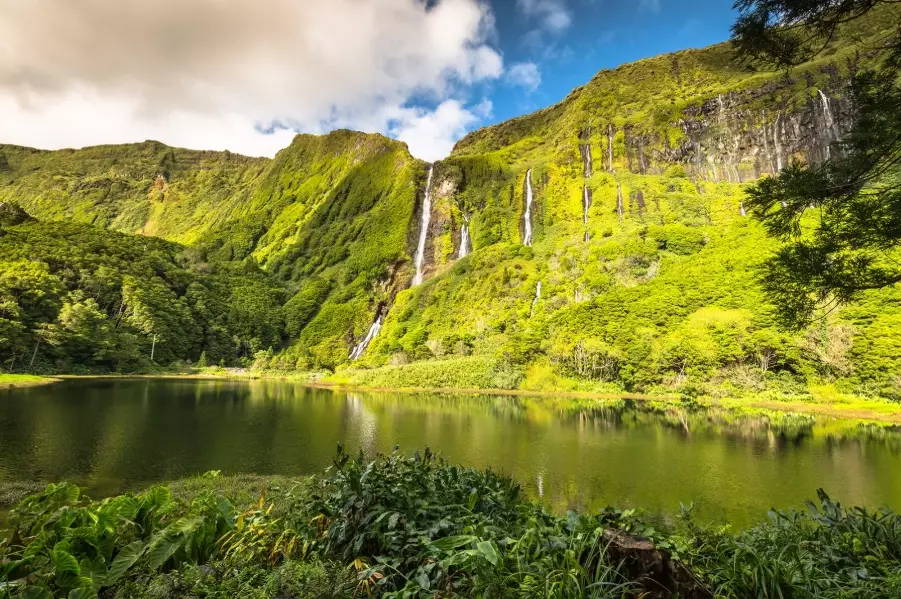
Your Azores Travel Blueprint
Which Azores Island is Best for You?
Picking an island is the first big decision. With nine options, it's easy to feel overwhelmed. The common advice is "São Miguel for first-timers," but that's not always right. Your choice should hinge on what you actually want to do.
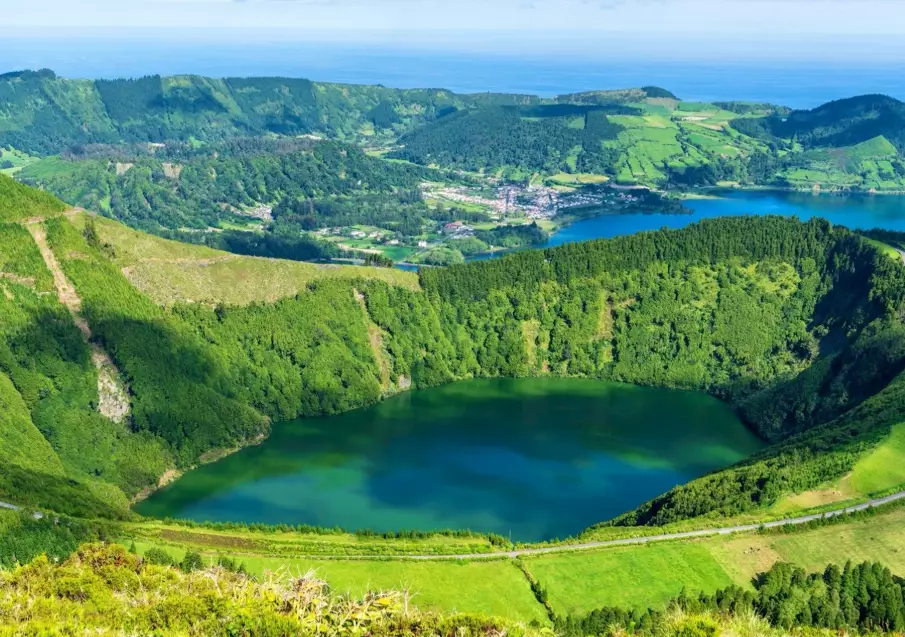
For the First-Timer & Nature Lover: São Miguel. It's the largest, with the most infrastructure and direct flights. You get a bit of everything: the iconic Sete Cidades twin lakes, the Furnas valley with its geothermal activity and cozido stew cooked underground, and tea plantations at Porto Formoso. Rent a car from companies like Ilha Verde at Ponta Delgada Airport (PDL). A compact car costs about €35-45 per day. The main drawback? It's the busiest.
For the Adventure Seeker & Landscape Purist: Pico. This island is dominated by Portugal's highest mountain, Montanha do Pico. The climb is a serious 6-8 hour endeavor requiring a guide (book with Azores Mountain Guides). But even if you don't summit, the UNESCO-listed vineyard landscapes of Criação Velha are surreal. Whale watching here is top-tier due to deep waters offshore. The island feels more rugged and authentic.
For the Slow Traveler & Hiker: Flores. This is the end of the line, literally. It's remote, lush, and receives more rain, which feeds its countless waterfalls like Poço do Bacalhau. The hiking trails, like the one from Fajã Grande to Ponta Delgada (Flores), are breathtaking but require good weather. You'll need to connect through another island (usually São Miguel or Terceira). It's not a base for island-hopping; it's a destination to immerse yourself in.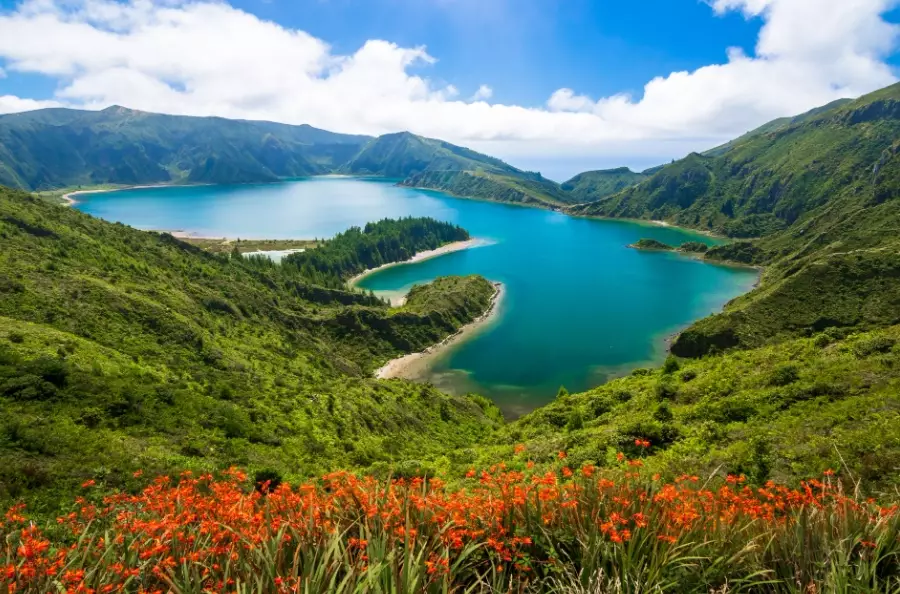
Here’s a quick comparison to help you visualize the core differences:
| Island | Best For | Top Experience | Travel Vibe |
|---|---|---|---|
| São Miguel | First-timers, variety, thermal pools | Exploring Sete Cidades & Furnas Valley | Easiest, most developed |
| Pico | Hiking, whale watching, wine | Climbing Mount Pico or whale watching tours | Rugged, adventurous |
| Flores | Waterfalls, remote hiking, photography | Chasing waterfalls like Poço Ribeira do Ferreiro | Isolated, serene |
| Terceira | Culture, history, festivals | Exploring Angra do Heroísmo (UNESCO) & Algar do Carvão volcano | Lively, historic |
How to Plan Your Azores Islands Travel Itinerary
A week is the sweet spot for a first visit. Trying to cram in more than two islands in 7 days turns travel into a stressful logistics game. Inter-island flights on SATA Air Açores are short but schedules aren't hourly, and ferries (like those from Atlânticoline) are weather-dependent.
A Practical 7-Day Azores Itinerary (São Miguel & Pico)
This combo gives you diversity without excessive travel days.
Days 1-4: São Miguel. Base yourself in Ponta Delgada. Don't just stay in the city.
- Day 1: Arrive at João Paulo II Airport (PDL). Pick up your rental car. Settle in Ponta Delgada. Walk the Portas do Mar, have dinner at a local tasca like A Tasca (try the lapas grelhadas – grilled limpets).
- Day 2: West Day. Drive to Sete Cidades. View from Vista do Rei is a must. Hike part of the trail around the crater for a closer look. Afternoon at Mosteiros beach with its volcanic rock pools.
- Day 3: East Day. Head to Furnas. Visit Terra Nostra Park (entry ~€10), soak in its iconic orange thermal pool (it stains light swimsuits!). See the fumaroles at Caldeiras das Furnas. Book a lunch at a restaurant like Tony's to try the cozido das Furnas, a stew cooked underground by volcanic steam.
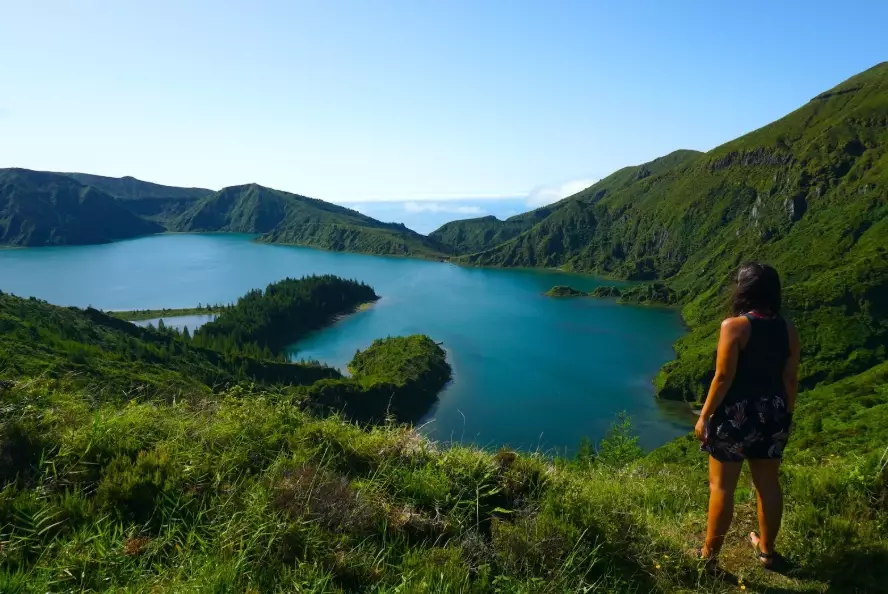
- Day 4: Central Day. Visit Lagoa do Fogo (Fire Lake). Access to the shore is restricted to protect the environment, but the Miradouro da Lagoa do Fogo view is stunning. On the way back, stop at the Gorreana Tea Factory (free tour, open 9 am-6 pm), the oldest in Europe.
Days 5-7: Pico. Fly from PDL to Pico Airport (PIX). The flight is about 40 minutes.
- Day 5: Arrive Pico, rent a car. Head to Madalena. Visit the Pico Island Vineyard Culture museum to understand the unique "currais" (stone wall) vineyards. Sunset at Cachorro, a dramatic lava coastline.
- Day 6: Choose your adventure: Book a whale watching tour with a reputable operator like Espaço Talassa (they have marine biologists on board). Or, if you're fit and booked a guide, summit Mount Pico. For a less intense option, explore the lava tunnels at Gruta das Torres (book ahead, ~€10).
- Day 7: Drive to São Roque do Pico. Visit the Whaling Industry Museum. Enjoy a final lunch with a view of the mountain before your flight out from PIX.
The Mistake Everyone Makes: Over-scheduling. The weather changes fast. If you have a hiking day planned and it's pouring rain, be ready to swap it for a museum day or a long, cozy lunch. Have a flexible "Plan B" for each day. Driving on winding mountain roads in heavy fog isn't fun or safe.
Azores Travel Costs: A Realistic Budget Breakdown
Let's talk numbers. The Azores isn't dirt cheap, but it's excellent value. You're paying for nature, which is mostly free. The main costs are flights and getting around.
- Flights from Mainland Europe/US: From Lisbon, round-trip to São Miguel can be found for €150-€300 if booked a few months out. From the US (via Boston or NYC on SATA/Azores Airlines), expect $600-$900 round-trip.
- Inter-island Flights: A one-way ticket between islands costs roughly €60-€100. Book these early, especially in summer.
- Car Rental: Essential. Budget €35-€65 per day for a compact manual car. Automatics are more expensive and scarce. Fuel is pricey, around €1.70-€1.90 per liter.
- Accommodation: A good mid-range hotel or local guesthouse (like a "Casa de Campo") runs €80-€130 per night for a double. You can find hostels in Ponta Delgada for €25-€40 a bed.
- Food & Drink: This is where you save. A hearty meal at a local restaurant is €12-€20. A bifana (pork sandwich) from a snack bar is €4. A glass of local Verdelho wine is €3-€4. Groceries are affordable if you want to picnic.
- Activities: Whale watching tours: €60-€80. Park entries: €5-€15. Guided hikes: €30-€50.
For a 7-day trip for two, sharing a car and staying in mid-range places, a realistic total (excluding international flights) is €1,200 - €1,800. It's doable for less if you hostel, cook, and focus on free hikes.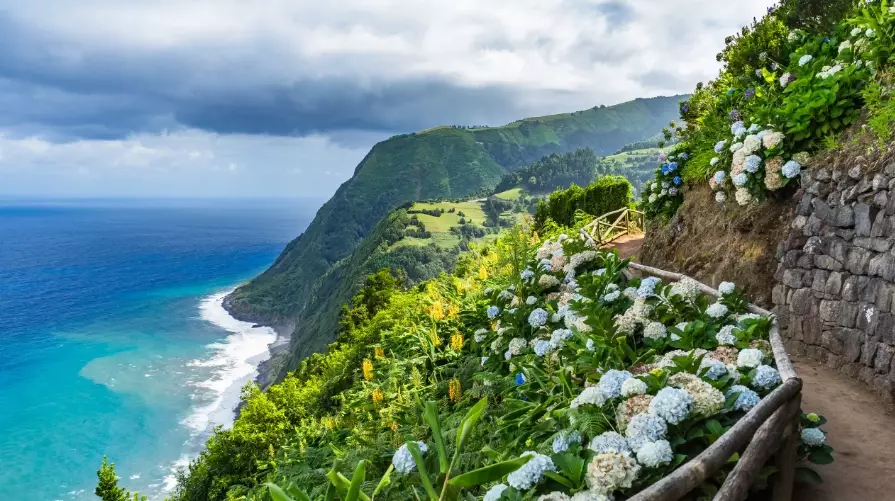
Beyond the Guidebook: Expert Travel Tips
This is the stuff I learned the hard way.
Rent a Car, but Get the Right Insurance. The roads are narrow, often lined with hydrangeas (which hide stone walls). Gravel from driveways gets on the road. A small stone chip on the windshield is common. Take the full insurance with zero excess. The peace of mind is worth the extra €10-€15 a day.
Pack for All Seasons. In One Day. Seriously. A sunny hike can turn into a windy, damp chill fest in an hour. Layers are non-negotiable: a moisture-wicking base, a fleece, a waterproof/windproof shell. Hiking boots with good grip are a must for muddy trails. And always have a swimsuit in your daypack—you never know when you'll stumble upon a thermal pool.
Embrace the "Closed Monday" Reality. Outside Ponta Delgada, many smaller restaurants, cafes, and even some attractions are closed on Mondays (and sometimes Tuesdays). Plan your route accordingly. Always check opening hours on Google Maps or the venue's Facebook page before making a special trip.
Connect with a Local Guide for One Activity. It transforms your experience. On Pico, a marine biologist on a whale watching boat will explain sperm whale social structures. On São Miguel, a hiking guide will show you edible plants and secret viewpoints. This adds a layer of understanding you can't get from an app.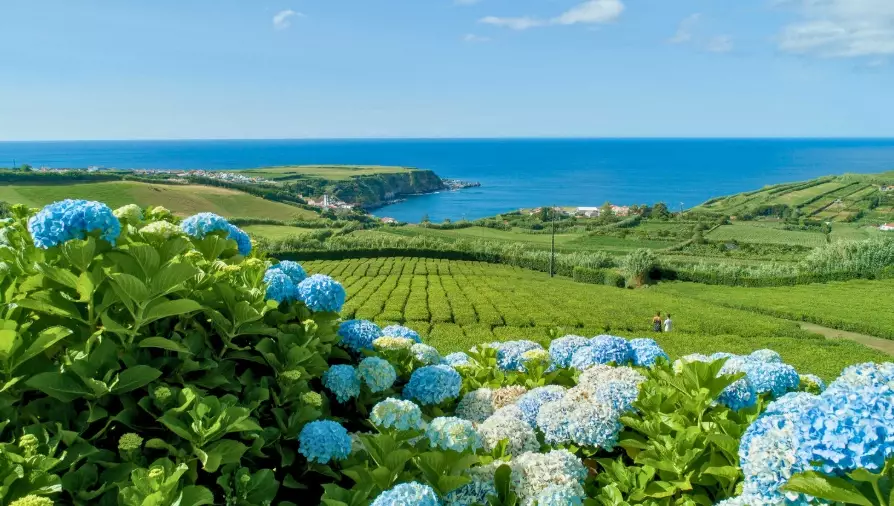
Your Azores Travel Questions Answered
Is 7 days enough for the Azores?
For a first trip, seven days is ideal to get a deep feel for one or two islands without rushing. It allows you to absorb the pace of life and handle a couple of weather-disrupted days. Trying to see three islands in a week means you'll spend too much time in airports and ferry terminals, checking in and out of accommodations. Depth over breadth here.
What's the biggest mistake first-time visitors make with Azores islands travel planning?
Underestimating the weather and overestimating driving speeds. People see short distances on a map and think they can zip from one end of São Miguel to the other in an hour. The roads are winding, often single-lane, and you'll want to stop constantly for photos. A 40-km drive can easily take 90 minutes. Build in 50% more driving time than Google Maps suggests.
 Can you island-hop by ferry reliably?
Between some islands, yes, but it's not a metro system. The main ferry routes (like São Miguel to Santa Maria, or Faial-Pico-São Jorge) are seasonal and schedules change. In winter, services are reduced and cancellations due to weather are frequent. For tight schedules, especially between the eastern (São Miguel, Santa Maria) and central groups (Faial, Pico, São Jorge), flying is the reliable choice. For the central group triangle (Faial, Pico, São Jorge), ferries are perfect and quick.
Is the Azores good for a solo traveler?
Absolutely, and it's very safe. The main challenge is cost, as you'll bear the full expense of a rental car. Look for hostels in Ponta Delgada or Horta to meet other travelers. Join group tours for activities like whale watching or canyoning to share the experience. The locals are friendly, and English is widely spoken in the tourism sector.
We're foodies. What should we absolutely try?
Beyond the famous cozido das Furnas, seek out these: Lapas (limpets) grilled with garlic and butter. Polvo guisado (stewed octopus). The local pineapple from São Miguel (smaller, sweeter, and grown in greenhouses). The cheese from São Jorge is legendary—try a "queijo da ilha" aged for different periods. And drink the mineral water from the springs in Furnas; it's naturally carbonated and tastes like drinking from the earth.
Reader Comments