In This Guide
- What Even IS a Slot Canyon, Anyway?
- Why Antelope Canyon Earned Its Fame
- The Two Faces of Antelope: Upper vs. Lower
- The Other Contenders: Famous, But Not *The* Most Famous
- How to Actually Visit the Most Famous Slot Canyon (And Others)
- Visiting Antelope Canyon: A Step-by-Step Reality
- Safety: The Non-Negotiable Part of the Conversation
- So, What is the Most Famous Slot Canyon? Final Thoughts and Your Next Move
If you've ever fallen down a rabbit hole of desert photography or started planning a trip to the American Southwest, you've definitely stumbled upon the question: what is the most famous slot canyon? It's one of those travel questions that seems simple but has layers, like the sandstone walls themselves. Ask ten different hikers or photographers, and you might get a few different answers, but there's one name that consistently comes out on top. I've spent a lot of time in these places, sweating, hiking, and craning my neck to see the light beams, and I can tell you, the crown for fame usually rests in one specific, stunning location.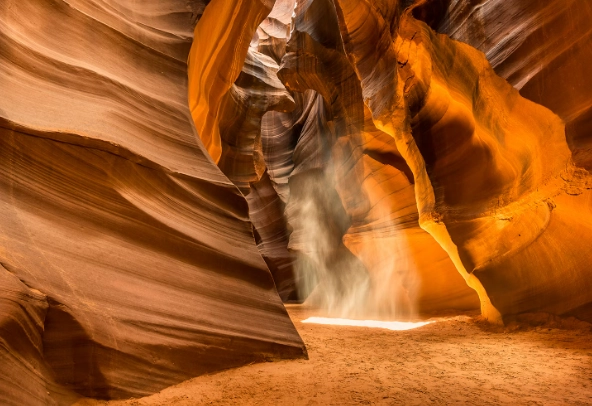
We're talking about Antelope Canyon. Hands down. It's the slot canyon that's plastered across desktop wallpapers, Instagram feeds, and travel magazines. It’s almost become synonymous with the term itself. When someone says "slot canyon," the mind's eye often conjures those smooth, flowing orange and purple walls, with dramatic light shafts cutting down from above. That's Antelope. But fame is an interesting thing—it's not just about beauty. It's about accessibility, photography, and that elusive "wow" factor that gets shared millions of times.
Quick Take: The title of "most famous slot canyon" overwhelmingly goes to Antelope Canyon in Arizona. Its combination of stunning visual beauty, relative ease of access (it's a guided tour, not a grueling hike), and incredible photographic potential has made it a global icon. It's split into two main sections—Upper and Lower—each with a different personality.
But is it really that simple? Just because it's the most famous, does that mean it's the best? Or the only one worth seeing? Not at all. In fact, focusing only on the most famous slot canyon means missing out on a whole world of other incredible, and sometimes even more rewarding, adventures. That's what we're going to dig into here.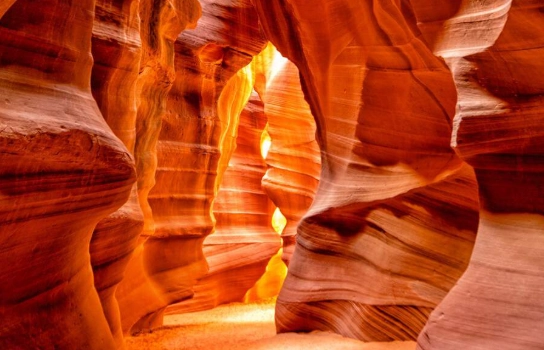
What Even IS a Slot Canyon, Anyway?
Before we get too deep into which one is top dog, let's make sure we're all on the same page. A slot canyon is a narrow gorge, significantly deeper than it is wide, carved into solid rock (usually sandstone) by water. We're talking walls that can be hundreds of feet tall, with the path between them sometimes just wide enough for a person to squeeze through. They're like nature's secret hallways.
The formation process is a masterclass in patience. It's not a single massive flood, but millennia of repeated flash floods carrying sand and rocks that grind away at the stone, deepening and smoothing the channel. The result is those undulating, flowing walls that look more like liquid art than solid rock. The U.S. Geological Survey has tons of great, accessible info on the geomorphology of these places if you're a science nerd like me.
What makes them so special, beyond the sheer geology, is the light play. The narrow opening at the top acts like a lens, allowing beams of direct sunlight to pierce the darkness for only brief periods each day. This creates those famous light rays and illuminates the walls in vibrant hues of red, orange, purple, and blue. It's a photographer's dream and a hiker's spiritual experience, all rolled into one.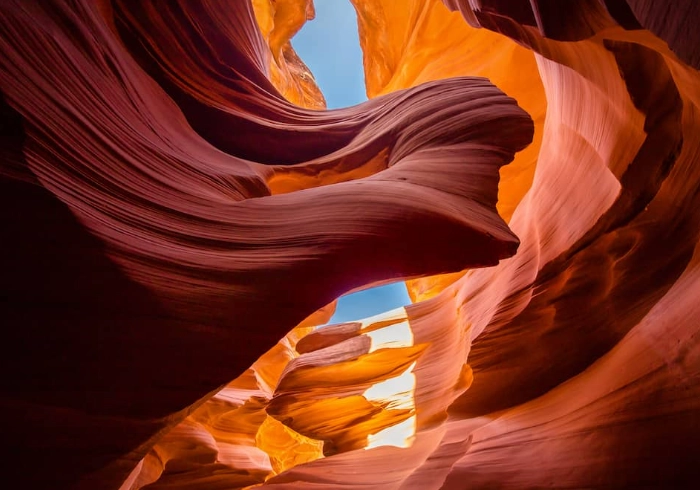
Why Antelope Canyon Earned Its Fame
So, back to our main question: what is the most famous slot canyon? Antelope. Let's break down exactly why it stole the spotlight.
First, its location is prime. It's situated near Page, Arizona, which is itself a hub for southwestern wonders. You've got Lake Powell, Horseshoe Bend, and Monument Valley all within a reasonable drive. This makes it easy to bundle into a bigger trip. You don't have to go on a week-long expedition to get there.
Second, it's photogenic to an insane degree. The light beams in Upper Antelope (especially around midday in summer) are the stuff of legend. The shapes in Lower Antelope, with its ladders and more adventurous feel, are equally dramatic. The colors are intense without needing any photo editing—though, let's be honest, everyone edits them anyway.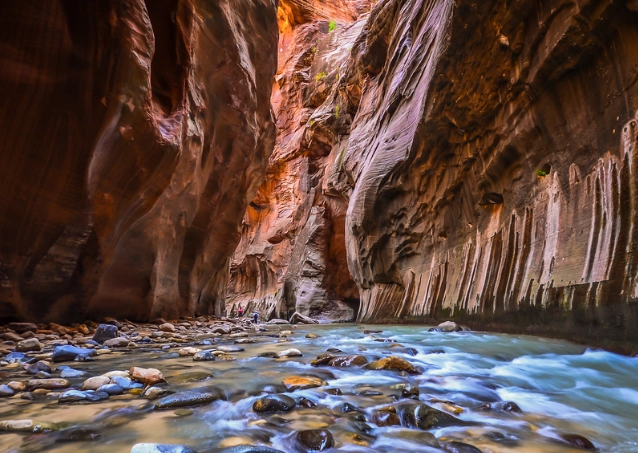
Third, and this is huge for its fame: it's managed by the Navajo Parks & Recreation Department. This means it's accessible via guided tour only. Now, some purists hate this. They complain about the crowds, the rushed tours, the feeling of being herded. And look, I get it. On a busy day, it can feel less like a wilderness experience and more like a natural theme park ride.
But think about it from a fame perspective. This controlled access creates a predictable, relatively safe, and commercially viable experience. Tour companies promote it heavily. Travel bloggers write about it. It gets a massive marketing push that a remote, permit-only canyon deep in the backcountry will never get. The very thing that some enthusiasts dislike is the engine of its fame.
Photography Tip: If you're going to Antelope for the shots, book a dedicated photography tour. They're more expensive and longer, but they let you use a tripod, take your time, and the guides are experts at helping you get the best light. The regular sightseeing tours move fast and often don't allow tripods, which can be frustrating if you have a real camera.
The Two Faces of Antelope: Upper vs. Lower
Antelope Canyon isn't just one canyon; it's two distinct experiences, and arguing about which is better is a favorite pastime.
- Upper Antelope Canyon (The Crack): This is the more famous of the two, and the answer most people picture when they ask what is the most famous slot canyon. The entrance is at ground level, so it's flat walking. No ladders. Its claim to fame is the summer light beams that shine directly down from above, usually between late March and early October, peaking around 11 AM to 1 PM. It's shorter, wider at the top, and gets incredibly crowded. The light shows are spectacular, but you'll be sharing them with dozens of others.
- Lower Antelope Canyon (The Corkscrew): This one requires descending metal staircases and ladders into the ground. It's longer, narrower, and involves more actual hiking and scrambling. The light here is more about how it washes the walls in beautiful colors rather than distinct beams. I personally prefer Lower. It feels more like an adventure, the shapes in the rock are wilder, and while still busy, the flow often feels less congested than Upper.
The fame crown really sits on Upper Antelope's head, but Lower is every bit as much a part of the Antelope phenomenon.
The Other Contenders: Famous, But Not *The* Most Famous
This is where it gets fun. If Antelope is the undisputed celebrity, who are the other A-listers? The ones that make people pause and say, "Well, actually..." Here’s a rundown of the other heavy hitters in the slot canyon world.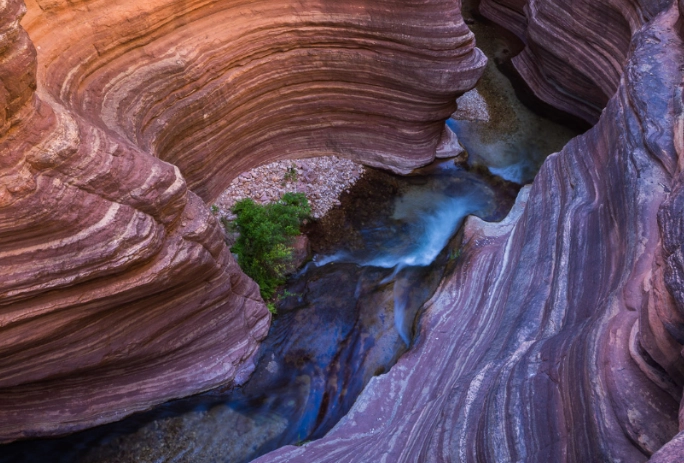
| Canyon Name | Location | Why It's Famous | The Catch |
|---|---|---|---|
| The Wave (Coyote Buttes North) | Arizona/Utah Border | Surreal, swirling sandstone patterns that look like a frozen ocean. It's a geological wonder and a bucket-list hike for serious landscape photographers. | Extremely limited permits awarded by lottery. Getting one is famously difficult. It's also a strenuous, unmarked hike with no shade. |
| Zion Narrows | Zion National Park, Utah | One of the world's premier water slot canyon hikes. You hike in the Virgin River, surrounded by thousand-foot walls. It's an immersive, epic journey. | It's a serious commitment. Can be a long day hike or multi-day backpack. Water levels, flash flood risk, and cold temperatures are major factors. Requires planning and proper gear. |
| Buckskin Gulch | Vermilion Cliffs Wilderness, Utah/Arizona | Often called the longest and deepest slot canyon in the Southwest. It's a dark, narrow, and profound wilderness experience. A true classic for canyoneers. | Remote, requires permits, and has serious flash flood danger. Not a casual stroll—this is for experienced hikers prepared for self-rescue. |
| Kanarra Creek Canyon | Near Kanarraville, Utah | A gorgeous, accessible (relatively) slot featuring iconic waterfalls and ladders. It's like a mini-Zion Narrows that you can often do without a permit (though that's changing). | Has become hugely popular, leading to crowding and now a permit system. The water is cold year-round. |
See what I mean? Each of these is world-class. The Wave might be more visually unique. The Narrows might be more epic in scale. Buckskin might be more pure and intimidating. But when you factor in global recognition, ease of recognition in a photo, and sheer volume of visitors, they all play second fiddle to Antelope. The Wave is a close second in the fame game, but its extreme difficulty of access keeps it more niche.
A Reality Check on The Wave: Look, The Wave is stunning. It's also a perfect example of how internet fame can create problems. The permit lottery through Recreation.gov is fiercely competitive. I've entered the online lottery multiple times for different seasons and never won. The in-person lottery in Kanab, UT, gives you slightly better odds, but it's still a gamble. Many people build entire trips around trying to get a permit and leave disappointed. It's an incredible place, but its fame is wrapped in frustration.
How to Actually Visit the Most Famous Slot Canyon (And Others)
Okay, so you're convinced. You want to see what all the fuss is about. How do you make it happen? Planning is everything, and it's different for each canyon.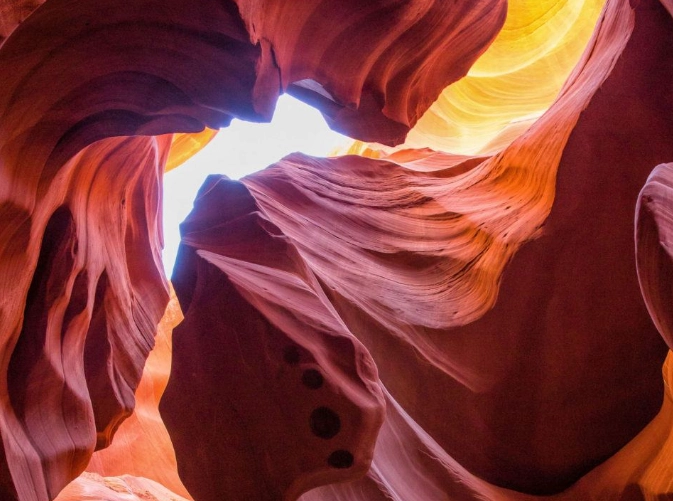
Visiting Antelope Canyon: A Step-by-Step Reality
- Book a Tour. Early. You cannot enter Antelope Canyon without a guided tour. Full stop. There are several authorized tour operators. For Upper Antelope, companies like Antelope Canyon Tours and Adventurous Antelope Canyon are major players. For Lower, I've had great experiences with Ken's Tours. Book months in advance, especially for prime summer months and midday time slots. I'm talking 3-6 months ahead.
- Choose Your Time Wisely. Want the light beams in Upper Antelope? You must book a tour between 10 AM and 1 PM from late spring to early fall. These are the first to sell out. Other times of day, and in winter, the light is softer and more diffused—still beautiful, but no beams.
- Understand the Logistics. You'll meet at the tour operator's office in Page, then they'll drive you to the canyon in 4x4 vehicles across sandy washes. The tours last about 1 to 1.5 hours. It's not a hike; it's a walk-and-stop photo op. Listen to your guide—they know where the best shots are.
- What to Bring: Water. More water. A hat for waiting outside. Your camera/phone. A lens cloth (it's dusty). Cash for tips (tipping your guide is standard and appreciated). A small bag. Leave the big backpacks.
It's a commercial operation, no doubt. But if you go in with the right expectations—that you're there to see an astonishing natural sculpture gallery with a group—you'll have an amazing time.
What If You Want Something... Different?
Maybe the thought of a crowded tour makes you cringe. You're not alone. That's the biggest user pain point with the most famous slot canyon. So here are your alternatives.
First, consider lesser-known slot canyons on Navajo land. Canyon X and Mountain Sheep Canyon are operated by some of the same companies and offer a very similar aesthetic to Antelope but with a fraction of the people. They're more expensive, but you get a more private, intimate experience. It's a fantastic compromise.
Second, look at state parks or BLM land. Wire Pass Canyon (the trailhead for Buckskin Gulch) is an amazing short slot that gives you a real taste without the full commitment. Little Wild Horse Canyon in the San Rafael Swell of Utah is a fantastic, family-friendly loop hike through a fun slot. It's free, it's beautiful, and while it's getting popular, it doesn't have the tour bus feel.
Third, embrace the permit system for the big names. Apply for the Wave lottery. Get a permit for The Narrows top-down hike or for Buckskin Gulch. It's more work, but the reward is solitude and a deep sense of accomplishment. The Zion National Park website is the essential resource for Narrows permits and conditions.
Safety: The Non-Negotiable Part of the Conversation
We can't talk about slot canyons without talking about danger. This is critical. The very thing that creates them—flash floods—can kill you in minutes.
Flash Floods: A storm miles away, on higher ground you can't even see, can send a wall of water, mud, and debris roaring through a narrow canyon. There is no outrunning it. Always, always check the weather forecast for the entire drainage area, not just overhead. If there's any chance of rain, do not enter. Even a sunny day can be dangerous if it rained upstream recently. Sites like the National Weather Service provide critical alerts.
Hypothermia: Many slot canyons, especially those with water like The Narrows, are cold. Even in summer, the water can be chilly, and you're in the shade. Wet clothes + wind = rapid heat loss.
Getting Lost/Stuck: In complex canyon systems, route-finding is key. A GPS and a physical map are essentials. Know your exit points.
The guided tour model of Antelope Canyon largely removes these risks for visitors—the guides monitor weather and know the canyon intimately. That's a huge part of its appeal for the average traveler. When you venture out on your own, the responsibility is 100% on you.
So, What is the Most Famous Slot Canyon? Final Thoughts and Your Next Move
By now, the answer should be crystal clear. When someone asks what is the most famous slot canyon, the definitive answer is Antelope Canyon, specifically Upper Antelope Canyon. Its fame is a product of breathtaking beauty, strategic location, and a highly accessible tourism model. It's the gateway drug to the world of slot canyons.
But that's just the starting point.
The real magic happens when you use that fame as a launchpad. See Antelope. Be awed by it. Then let it inspire you to look deeper. Maybe you'll brave the lottery for The Wave. Maybe you'll rent canyoneering gear and wade up the Virgin River in Zion. Maybe you'll find a little unnamed slot on a map and have it all to yourself.
The landscape of the Colorado Plateau is vast and full of secrets. The most famous slot canyon is just the most visible door into that world. Your job is to decide which door you want to open next.
Reader Comments