Let's be honest. Most guides to Sycamore Canyon just tell you it's a "beautiful riparian woodland" and list the same three trails. Useful, sure, but not exactly the stuff that makes you feel prepared. I've hiked this canyon dozens of times over the last decade, in every season, and made every rookie mistake so you don't have to. This guide cuts through the fluff. We're talking about where parking is a nightmare (and the legal workaround), the exact spot most people miss the unmarked waterfall side trail, and why the "easy" canyon loop can be miserable in July if you don't know one specific thing.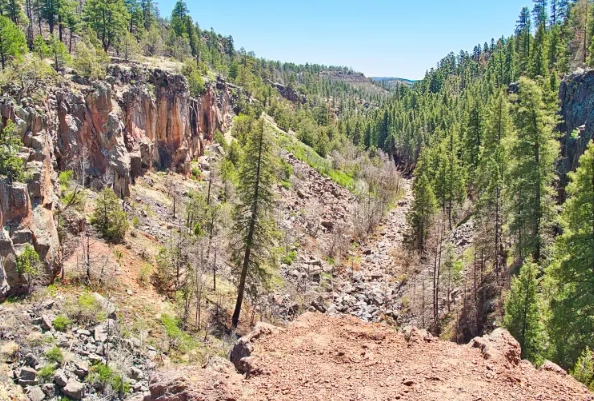
What’s Inside This Guide
Trail Breakdown: Choosing Your Sycamore Canyon Adventure
Forget generic difficulty ratings. Here’s how the trails actually feel under your boots, who they're really for, and the specific quirks you need to know.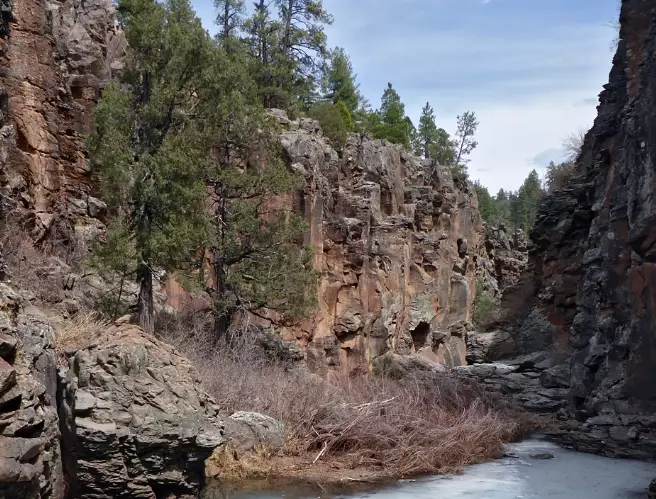
The Canyon Loop Trail: The Crowd-Pleaser (With a Catch)
This is the 2.5-mile loop everyone does. It's well-maintained, mostly flat, and gives you the classic canyon vibe with those big, beautiful sycamores. The park's official trail map makes it look like a simple circle. Here's what they don't tell you: the western half, following the creek, is shaded and lovely. The eastern half, climbing briefly out of the canyon, is exposed chaparral with zero shade.
That exposure is the catch. If you start this loop clockwise on a hot afternoon, you'll hit that shadeless climb at the hottest point of your hike. I see people struggling there all the time. Do it counter-clockwise. Get the sun exposure done early in your hike when you're fresh, and reward yourself with the cool, shaded creek section on the way back. It changes the entire experience.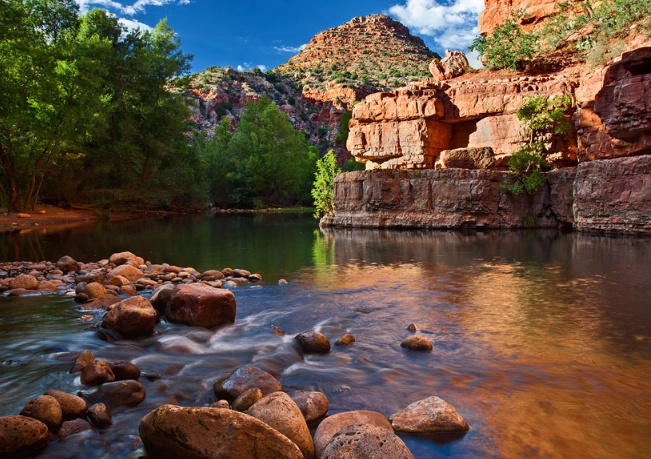
- Distance: 2.5 miles loop
- Elevation Gain: ~250 feet (all in one short climb)
- Best For: Families, first-timers, easy nature walks.
- My Take: Pleasant but can feel like a nature highway on weekends. Go early or on a weekday.
The Rim Trail: For Views and Solitude
Want to escape 90% of the people? The Rim Trail is your answer. It's less a single trail and more a network of paths along the canyon's edge, accessed from different points. You get panoramic views down into the sycamore groves and across the coastal hills. The trade-off is almost no shade and more up-and-down.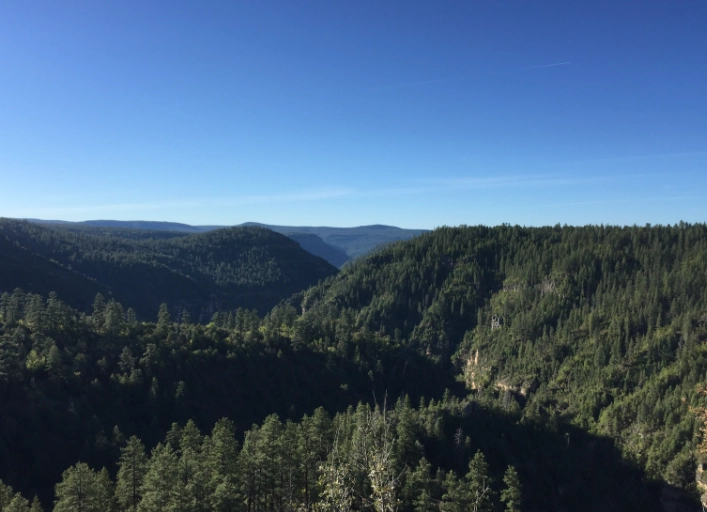
This is where a good Sycamore Canyon trail map is crucial—not the cartoonish one at the kiosk, but a detailed one from a source like the Santa Monica Mountains Conservancy. The trails up here can be faint. I use the Rim Trail as a connector to create longer, custom loops, dropping back into the canyon when I've had enough sun.
Connecting to the Backbone: For the Mileage Chasers
Here's the real secret: Sycamore Canyon is a gateway. Its northern trailhead plugs directly into the massive Backbone Trail system that runs the length of the Santa Monica Mountains. If you're looking for a serious, all-day Sycamore Canyon hiking adventure, this is it. You can plan a 10+ mile point-to-point hike, ending at a different trailhead entirely (requiring a car shuttle).
This isn't for casual strolls. You need proper gear, plenty of water, and solid navigation skills. But the reward is deep wilderness immersion, ridgeline views of the Pacific, and the feeling of having the whole range to yourself.
The Nitty-Gritty: Parking, Fees & When to Go
This is where trips get derailed. I've seen more people frustrated by parking than by the actual hike.
Main Parking Lot (Wendy Drive & Potrero Road, Newbury Park): It's tiny. It fits maybe 15 cars. By 8:30 AM on a nice Saturday, it's full. The overflow is street parking on Wendy Drive, which fills up fast and has strict time limits. Read the signs carefully—some areas are 2-hour parking only, and they do ticket.
The Pro Move: Park at the Rancho Sierra Vista / Satwiwa area (just east off Lynn Road). It's a much larger lot. From there, it's a beautiful, flat 1.5-mile connector hike along the Old Boney Trail to reach the top of Sycamore Canyon. You add mileage, but you trade parking stress for a peaceful warm-up walk through oak savannah. It's my standard approach now.
Fees: No entrance fee for the canyon itself. Parking at the main lot or Rancho Sierra Vista is free.
Best Time to Visit:
- Spring (March-May): The undisputed winner. Wildflowers, flowing creek, green hills, perfect temperatures.
- Fall (October-November): Second best. Cool air, clear skies, the sycamores turning golden yellow.
- Summer: Hike at dawn. Seriously. The canyon traps heat. By 10 AM, it can be uncomfortably hot, especially on the Rim. Carry double the water you think you need.
- Winter: Can be magical after a rain—the creek flows, the air is crisp. Trails can be muddy, so wear appropriate shoes.
| Trailhead / Lot | Address / Location | Capacity | Key Notes |
|---|---|---|---|
| Main Sycamore Canyon Lot | Wendy Dr & Potrero Rd, Newbury Park, CA | Very Small (~15 cars) | Fills extremely fast. Check street parking signs for time limits. |
| Rancho Sierra Vista / Satwiwa | Via Goleta, Newbury Park, CA (off Lynn Rd) | Large | Best bet for guaranteed parking. Adds 1.5mi connector hike. |
| Big Sycamore Canyon (Pacific Coast Hwy) | 9000 Pacific Coast Hwy, Malibu, CA | Large (Fee Area) | Accesses the lower, wider canyon mouth. State Park fee applies (~$12). Different experience. |
Beyond the Main Path: Hidden Gems & Photography Spots
Most people walk right past the good stuff.
The "Secret" Waterfall: It's not Niagara, but after a good rain, a lovely little cascade forms about 0.7 miles into the Canyon Loop (going counter-clockwise). Look for a faint, unmarked trail on your right just after a large bend in the main trail, where the creek sound gets louder. It leads down 50 feet to the base. It's easy to miss if you're not listening for it.
The Prime Photography Corner: For that iconic shot of sunlight filtering through giant sycamores onto the path, head to the northernmost part of the Canyon Loop, near where it starts to climb. Late afternoon in fall, when the leaves are yellow and the sun is low, creates absolute magic here. Tripods are common at this spot among photographers in the know.
Wildlife Spotting: The canyon is a corridor. Dawn and dusk are prime times. I've had the best luck seeing mule deer and coyotes on the quieter Rim Trail sections. The creek area is great for birds—acorn woodpeckers, hawks, and if you're lucky, a great blue heron.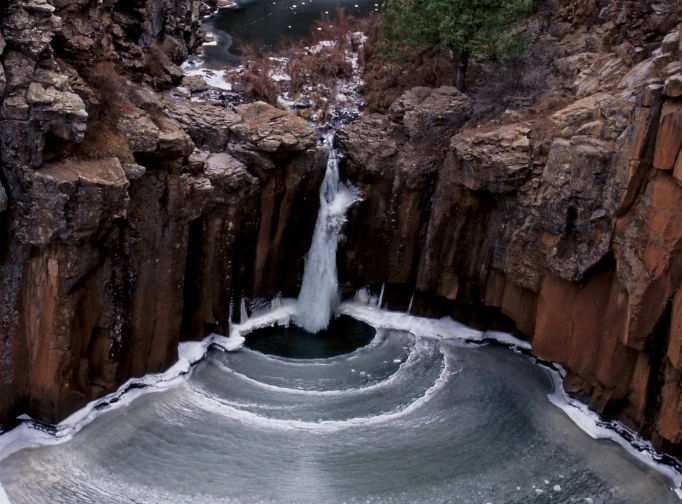
What to Pack (The Stuff Everyone Forgets)
Water and shoes are obvious. Here’s what else makes a difference.
- Physical Map or Downloaded GPS: Cell service is patchy. A screenshot of the trail network or an offline map on AllTrails/Gaia GPS is a safety net.
- Microspikes (Winter): If there's been recent rain, the clay on the Backbone Trail connectors can become a slippery, dangerous ice rink. I've taken a spill here.
- A Light Long-Sleeve Layer: Even on hot days. The canyon floor can be cool and shaded, while the rim is baking. The temperature swing is real.
- Small Plastic Bag: For your trash, and to pack out any you find. This place gets loved to death sometimes.
Answers to the Questions You're Actually Searching For
Reader Comments