There's something undeniably magical about saying "I do" with the sound of waves in the background. But between the Pinterest boards and the reality of planning, finding the right beach wedding venue can feel like navigating a shoreline at high tide. It's not just about a pretty view. It's about logistics, budget, permits, and making sure your guests aren't sweating through their suits or chasing their hats in the wind.
I've helped plan over a dozen coastal weddings, and the biggest mistake I see? Couples fall in love with a photo online without asking the gritty questions. That postcard-perfect cove might have no restrooms, or the resort's "all-inclusive" package might lock you into using their overpriced florist. Let's cut through the noise and get practical.
Your Quick Navigation
How to Choose Your Beach Wedding Venue: Look Beyond the View
Start here, before you even look at a single website. Grab a notebook and answer these questions together.
What's your true total budget? Not just for the venue, but for everything. I mean everything. Travel, outfits, photographer, a tent in case it rains, the marriage license. Be brutally honest. A common pitfall is spending 50% of your budget on the venue rental alone, leaving you scrambling for everything else.
How many guests are you inviting? This number dictates everything. A 150-person wedding won't work on a tiny, secluded beach accessed by a single path. Conversely, 30 people might feel lost in a massive resort ballroom with an "ocean view."
What's the wedding style? Barefoot bohemian? Elegant sunset cocktail party? Family-focused and casual? The venue's vibe needs to match. A rustic beach house won't suit a black-tie affair, and a formal hotel might stifle a laid-back celebration.
What are the non-negotiables? Is wheelchair access for Grandma essential? Do you need an indoor backup space that's not a drab conference room? Must there be lodging on-site for the wedding party?
The 4 Main Types of Beach Wedding Venues: Pros, Cons & Who They're For
Not all beaches are created equal for a wedding. Here’s the breakdown from my experience.
| Venue Type | Best For | Average Cost Range (Venue Fee) | Key Considerations |
|---|---|---|---|
| Resorts & Hotels | All-inclusive ease, larger guest lists, guests traveling from afar. | $3,000 - $10,000+ (often with minimum spend on rooms/catering) | You're often locked into their vendors. Ask about "outside vendor" fees. Room block discounts can be a huge perk. |
| Public Beaches & State Parks | Budget-conscious, nature purists, ultra-casual ceremonies. | $50 - $800 (permit fee) | Zero amenities. You bring everything: chairs, arch, sound system. Public access means bystanders in your photos. Strict rules on decor and end times. |
| Private Beach Clubs & Restaurants | Stylish, mid-size weddings, great food & drink focus. | $2,000 - $6,000 | Atmosphere is built-in. May have limited dates (e.g., only Sunday weddings). Kitchen can be a limitation for very large groups. |
| Vacation Rentals (Private Villas) | Multi-day celebrations, micro-weddings, total privacy. | $4,000 - $15,000 (for 3-7 night rental) | You become the event planner. Check HOA/rental rules on events—many prohibit weddings! Liability insurance is a must. |
Case Study: A Public Beach Wedding in Maui
My friends Sarah and Jake wanted pure, unfiltered Hawaii. They chose D.T. Fleming Beach Park in Kapalua. The permit from the Hawaii Department of Land and Natural Resources cost $100. Pros? The backdrop was insane—lush cliffs and turquoise water. The total venue cost was laughably low. Cons? They rented every single item (a local company dropped off an arch and 40 chairs). A curious seal popped up during the vows (a happy surprise for them, a potential nightmare for others). And they had a hard 5 PM cutoff. It was perfect for their adventurous spirit, but a logistical puzzle.
The Real Costs: Breaking Down a Beach Wedding Budget
Let's talk numbers, because "affordable beach wedding" is relative. The national average for a wedding is high, but a beach wedding has unique line items.
Venue & Permits: This can be your smallest or largest cost. Public beach permit: $100. Private resort site fee: $5,000. Don't forget the marriage license from the county clerk.
Vendor Travel Fees: If you're getting married in a destination location, your photographer, planner, or hair stylist may charge for travel and lodging. This can add $500-$2000 per vendor.
Attire & Footwear: Beach-friendly attire might mean a lighter, simpler dress (savings!) but also specialty footwear. Heels sink in sand. Consider pretty flats or going barefoot.
Guest Comfort & Logistics: This is a big one. You might need to provide:
- Shuttle buses from a central hotel to a remote beach.
- Welcome baskets with sunscreen, water, and bug spray.
- Rentals for everything: tent, chairs, dance floor (on sand), portable restrooms (if the venue lacks them).
Weather Contingency Plan: Renting a tent or securing an indoor backup space is non-optional, not an extra. This can cost $1,000-$3,000 but is worth every penny for peace of mind.
A realistic total for a 75-person beach wedding at a mid-tier venue, with mindful spending, often falls between $25,000 and $40,000. You can do it for less with a micro-wedding on a public beach, or much more at a luxury resort.
How to Save Without Sacrificing the Dream
Pick an off-peak season. In the Caribbean, that's late summer/fall (hurricane risk is higher, but insurance can help).
Host a Friday or Sunday wedding. Saturday premiums are real.
Choose a venue that provides basics—chairs, tables, sound system—so you're not layering rentals on top of a site fee.
Keep the guest list intimate. Every person adds cost for food, rentals, and favors.
Your Beach Wedding Planning Timeline
Beach venues book fast, especially popular ones. Here's a realistic schedule.
12-16 Months Out: Set budget & guest list estimate. Research and visit potential venues (or do virtual tours). Secure your date with a deposit. This is your #1 priority.
10-12 Months Out: Hire a planner (highly recommended for destination/beach weddings). Book photographer and videographer. Start researching caterers (if not provided by venue).
8-10 Months Out: Apply for any necessary government permits. Yes, this early. They can take weeks to process. Book your officiant, music, and florist.
6 Months Out: Send save-the-dates (guests need time to plan travel). Book room blocks at hotels. Order your attire.
3 Months Out: Finalize menu and rentals. Send official invitations. Plan welcome bags and guest transportation.
1 Month Out: Get your marriage license (check local residency rules). Confirm all details with vendors. Create a detailed timeline for the day.
1 Week Out: Check the weather forecast obsessively. Finalize your backup plan. Have a final call with your planner or day-of coordinator.
Expert Answers to Your Beach Wedding Questions
How far in advance should I book a beach wedding venue?
For popular destinations (Hawaii, California, Florida, the Caribbean), aim for 12-18 months. Prime Saturday dates in peak season (spring/early summer) are the first to go. I've seen couples miss their ideal venue by waiting just a few weeks. If you're flexible on date or day of the week, you might have more luck 8-10 months out.
What's the best backup plan for bad weather?
Renting a clear-top tent or a stylish sailcloth tent is the gold standard—you keep the ocean view without getting wet. The second-best option is a designated indoor space at the venue that still feels special, not a fluorescent-lit meeting room. Always have a signed contract outlining the weather trigger (e.g., "if there is a 50% or greater chance of rain at 8 AM the day of, we move to Plan B") and who makes the call.
Are beach wedding packages from resorts a good deal?
They can be, but you must scrutinize. A package that includes ceremony setup, an officiant, basic flowers, photography, and a champagne toast for $5,000 might be great value. But ask: Can I upgrade the photographer? Are the flowers exactly what I want, or a generic bouquet? What's the fee for bringing in my own baker for the cake? Packages simplify planning but can limit personalization. Get an itemized list of what's included and compare it to sourcing separately.
What permits do I need for a beach wedding?
It varies wildly. You may need:
- A Special Use Permit from the city, county, or state parks department.
- A Noise Permit if you'll have amplified music.
- A Alcohol Permit if you're serving it on public land.
- Proof of Liability Insurance (often a $1-2 million policy).
The venue coordinator should guide you, but for public beaches, the responsibility is yours. Start with the website of the local parks and recreation department.
How do I handle sand during the ceremony and reception?
Embrace it, to a point. For the ceremony, consider a sturdy aisle runner (test it first—some just sink). For the reception, if you're having a dance floor, it must be a raised, hard surface. Dancing in sand is exhausting and messy. Provide a basket of cheap flip-flops or encourage guests to kick off their shoes. And tell your photographer—sand can get into camera gear, so they might need to clean their equipment frequently.
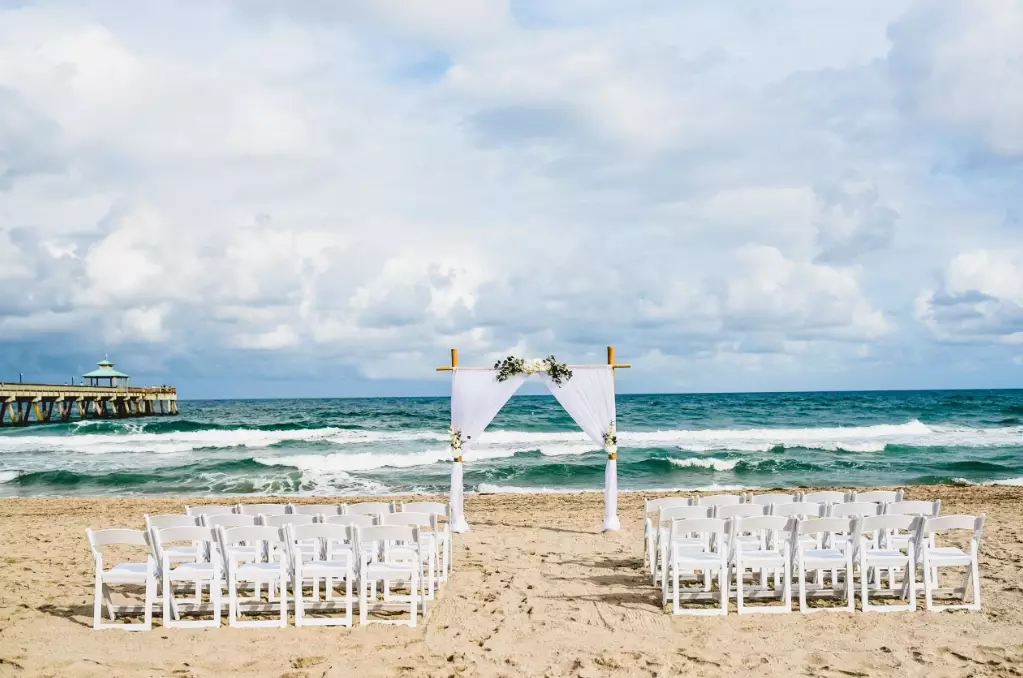 The key to a successful beach wedding is marrying the romance with realism. That stunning, windswept cliffside might not be accessible for your elderly guests. The ultra-affordable public beach might require more work than you have time for. By asking the right questions upfront and planning for the unique challenges (and joys) of a coastal celebration, you'll find a venue that isn't just a backdrop, but the perfect foundation for your first day together.
Reader Comments