If you're looking for a hike that blends ancient history with stunning desert views, the Tsankawi Trail in Bandelier National Monument is a must-do. I've lost count of how many times I've walked this trail over the years, and each visit reveals something new—whether it's a petroglyph I missed or a quiet moment away from the crowds. This guide cuts through the generic advice to give you the real scoop, from parking headaches to those sketchy ladders everyone talks about. Let's dive in.
Quick Navigation: What's Inside This Guide
Tsankawi Trail Overview: A Journey Through Time
The Tsankawi Trail isn't just a walk in the park—it's a 1.5-mile loop that takes you back centuries to the Ancestral Puebloan people. Located within Bandelier National Monument in New Mexico, this trail features cavate rooms, rock art, and those famous wooden ladders that make the hike unique. Most guides call it "moderate," but I'd say it's on the easier side if you're reasonably fit. The elevation gain is about 300 feet, and the trail is well-marked, though some sections have loose gravel that can trip you up if you're not careful.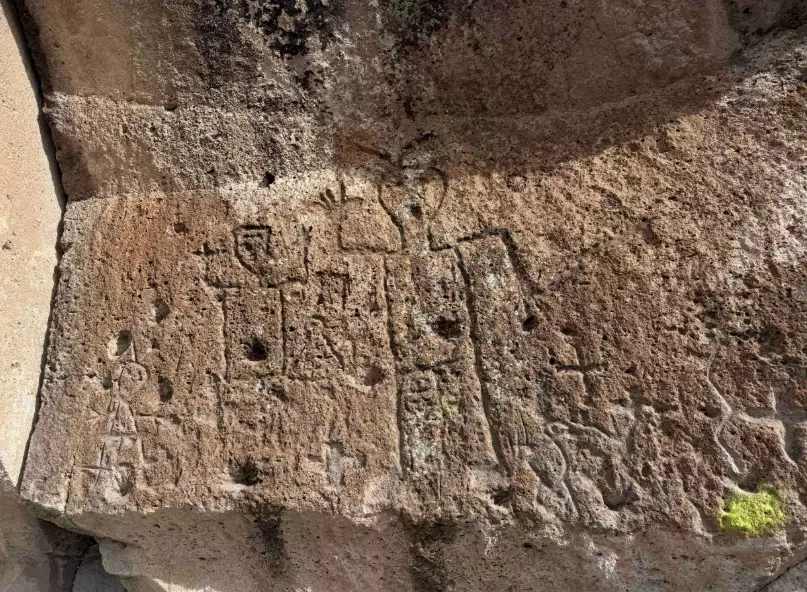
What many first-timers don't realize is that Tsankawi is separate from the main Bandelier area. It's about 12 miles north, near White Rock. That means you need to plan your drive separately. The trailhead has limited parking—maybe 20 spots—so arriving early is non-negotiable, especially on weekends. I once showed up at 10 AM on a Saturday and ended up circling for 20 minutes before grabbing a spot from someone leaving.
Trail Stats at a Glance
Here's a quick breakdown to set expectations:
- Length: 1.5 miles (loop)
- Estimated Time: 1.5 to 2 hours, depending on how much you linger at the ruins
- Difficulty: Moderate—mainly due to a few steep climbs and ladder sections
- Elevation Gain: Approx. 300 feet
- Best Season: Spring and fall; summers can be scorching, winters icy
How to Plan Your Visit: Logistics and Essentials
Getting to Tsankawi is straightforward if you know the details. From Santa Fe, take US-285 north, then NM-502 west toward Los Alamos. Turn onto NM-4, and you'll see signs for Tsankawi. The address is roughly: Tsankawi Trail, Bandelier National Monument, near White Rock, NM 87544. There's no exact street address—just follow the brown park signs.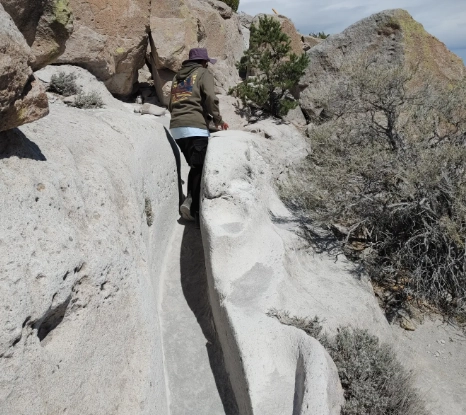
Parking is free but limited. I've seen people park illegally along the road, but rangers do ticket, so don't risk it. The lot fills up by 9:30 AM during peak seasons (April-October).
Pro Tip: Aim to arrive by 8 AM. Not only will you snag a parking spot, but you'll also have the trail mostly to yourself. The light is softer for photos, and the heat hasn't built up yet.
Entrance Fees and Operating Hours
Tsankawi is part of Bandelier National Monument, so you need to pay the park entrance fee. Here's the current info—always double-check on the National Park Service website for updates.
| Fee Type | Cost | Details |
|---|---|---|
| Per Vehicle | $25 | Valid for 7 days; covers all occupants |
| Per Person (Walk-in) | $15 | For cyclists or pedestrians |
| Annual Pass | $45 | Good for Bandelier and all federal recreation sites |
| Operating Hours | Sunrise to Sunset | Year-round; no overnight camping |
| Visitor Center | 9 AM - 5 PM | Located at main Bandelier area; Tsankawi has no facilities |
Note: There are no restrooms or water sources at Tsankawi. The nearest facilities are at the main Bandelier visitor center, about a 20-minute drive away. Pack accordingly—I learned this the hard way on a hot day with a thirsty kid in tow.
What to Bring: The Non-Negotiables
Don't underestimate the desert climate. My essentials list:
- Water: At least 1 liter per person; I carry 2 liters in summer.
- Sun Protection: Hat, sunglasses, sunscreen (SPF 30+). The trail has little shade.
- Footwear: Sturdy hiking shoes with good grip. Sneakers might slip on the gravel.
- Snacks: Energy bars or trail mix—there's nowhere to buy food nearby.
- Map/Guide: Cell service is spotty; download a map or grab a brochure at the entrance.
What to See on the Trail: Key Features and Stops
The Tsankawi Trail is packed with historical gems. Here are the highlights you shouldn't miss, in roughly the order you'll encounter them on the loop (starting clockwise from the trailhead).
1. The Big Kiva
About 0.2 miles in, you'll see a large circular depression—that's a kiva, a ceremonial room used by the Puebloans. It's easy to walk past if you're not paying attention. Look for the interpretive sign that explains its significance. I always pause here to imagine the gatherings that once took place.
2. Cavate Rooms
These are small caves carved into the soft volcanic tuff. You can peek inside some, but don't enter—they're fragile and protected. The trail passes several clusters; the most impressive are around the halfway point, where you can see soot marks from ancient fires on the ceilings.
3. Petroglyphs and Rock Art
Keep your eyes peeled for spirals, animals, and geometric shapes etched into the rock faces. The best ones are near the ladders section. A common mistake is rushing up the ladders without scanning the walls. Take your time—I've spotted new petroglyphs on my fifth visit.
4. The Ladders
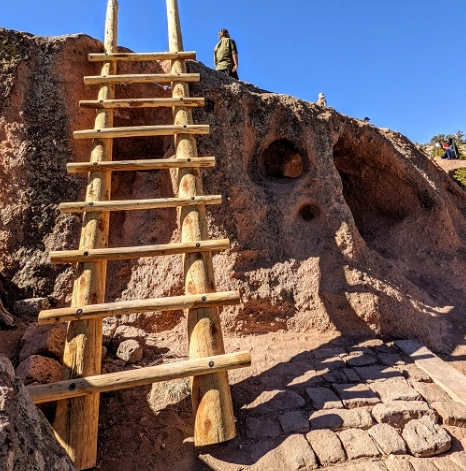
Yes, those wooden ladders. There are two main sets, each about 10-15 feet tall. They're sturdy but can feel wobbly if you're not used to them. I've seen folks freeze at the bottom. My advice: go slow, one person at a time, and use the handrails. If you have a fear of heights, this might be challenging, but it's doable—I've guided nervous friends up without issue.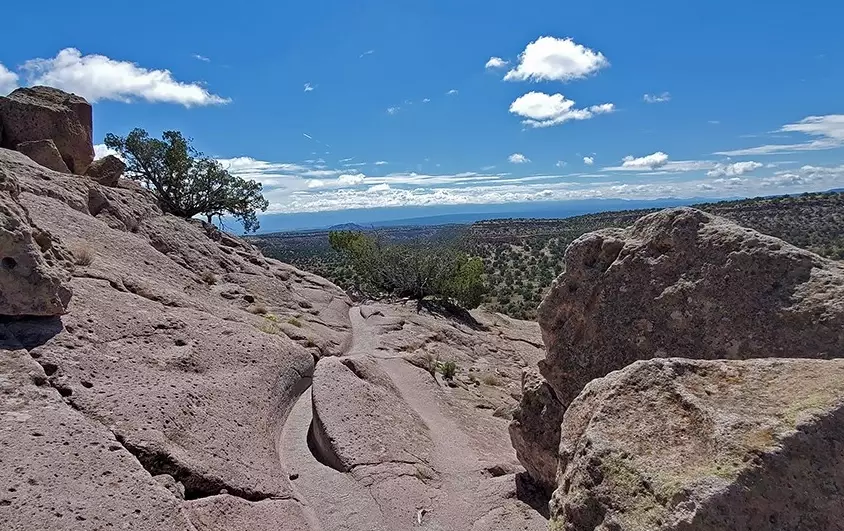
5. Mesa Top Views
After the ladders, you'll reach the mesa top. The 360-degree views of the Jemez Mountains and Rio Grande Valley are stunning. On a clear day, you can see for miles. It's a great spot for a break—just watch out for cactus spines if you sit down.
Hiking Tips and Safety for Tsankawi
Beyond the basics, here are some insights from my years of hiking this trail.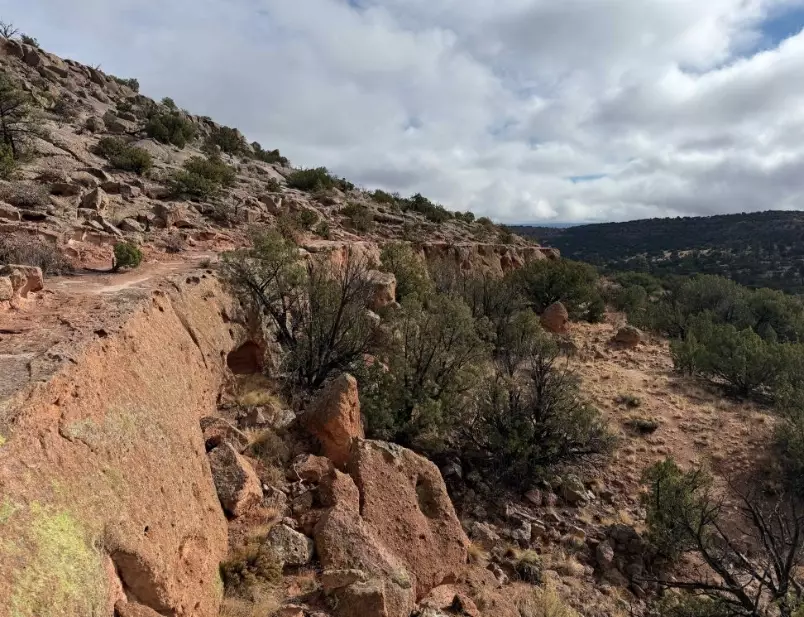
Respect the Ruins: This is a sacred site. Don't climb on walls, touch petroglyphs, or remove artifacts. I've seen people chip off rocks as souvenirs—it's illegal and disrespectful. The National Park Service has strict rules to preserve the area.
Weather Watch: New Mexico weather is unpredictable. Summer thunderstorms can roll in fast, bringing lightning. If you hear thunder, descend immediately—the mesa top is exposed. In winter, ice can make the ladders hazardous. Check forecasts before you go.
Wildlife Encounters: You might see lizards, birds, or even the occasional snake. Give them space. I once startled a rattlesnake sunning on the trail; it slithered away, but it's a reminder to watch your step.
Crowd Management: Tsankawi gets busy. To avoid the masses, hike on weekdays or in the off-season (November-March). If you must go on a weekend, early morning or late afternoon (after 3 PM) are quieter. The trail feels different when it's empty—more serene, almost spiritual.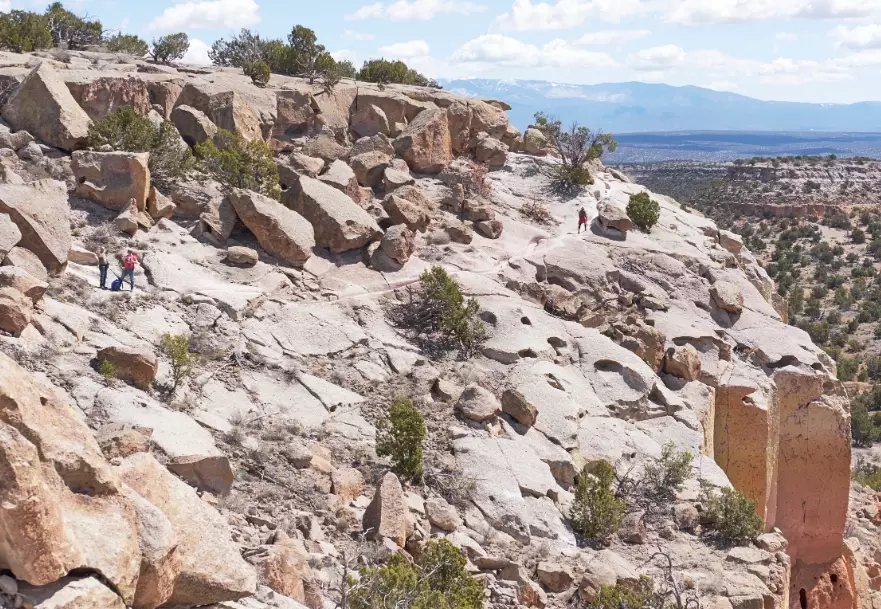
Personal Anecdote: On my last visit, I met a local historian who pointed out a faint petroglyph most miss—a bird symbol near the second ladder. It's these little details that make repeat visits worthwhile. He also mentioned that many guides oversell the difficulty; the ladders are safe if you take them seriously.
FAQs: Your Tsankawi Trail Questions Answered
Wrapping up, the Tsankawi Trail is more than just a hike—it's a window into ancient life. With a bit of planning, you can enjoy it safely and respectfully. Whether you're a history buff or just love the outdoors, this trail delivers. For the latest updates, always refer to the official Bandelier National Monument website. Happy hiking!
Reader Comments