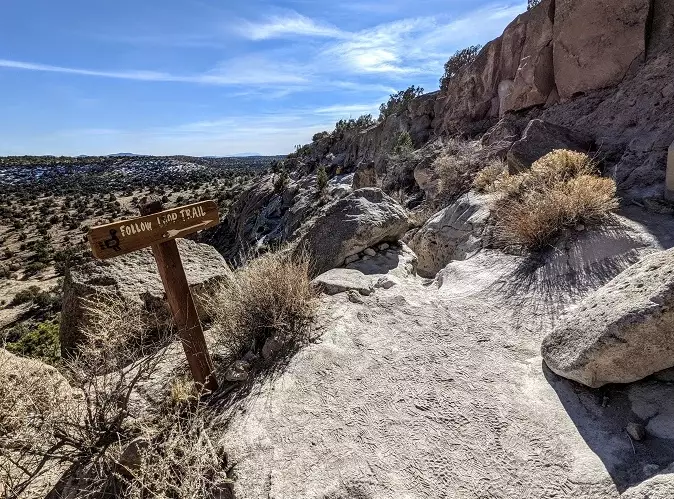
You're standing on a pale, volcanic tuff mesa in northern New Mexico. The air is thin and quiet. At your feet, a smooth groove worn inches deep into the rock stretches ahead—a path carved not by machinery, but by countless moccasin-clad feet over hundreds of years. This is Tsankawi (pronounced sahn-kah-WEE), one of the most tangible and evocative Ancestral Puebloan sites you can walk through today. It's not just a collection of ruins; it's an immersive landscape where history is literally underfoot. If you're wondering what exactly the sites at Tsankawi are and why they deserve a spot on your travel list, you've come to the right place. This guide cuts through the generic info to give you the deep dive, practical details, and respectful context you need.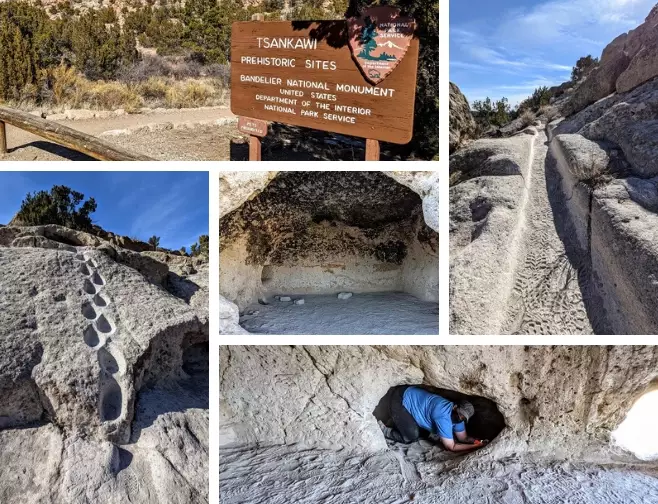
What You'll Find in This Guide
What Exactly Are the Ancestral Pueblo Sites at Tsankawi?
Let's be specific. When people search for "Ancestral Pueblo sites at Tsankawi," they're often picturing grand stone palaces like those at Mesa Verde. Tsankawi is different. Its magic is subtler and more integrated into the land. The sites here aren't a single, reconstructed village. Instead, they are multiple, scattered remnants of a community that lived on and around this mesa from roughly the 1400s to the late 1500s AD. Think of it as an open-air museum where the architecture is the landscape itself.
The key features you'll encounter include: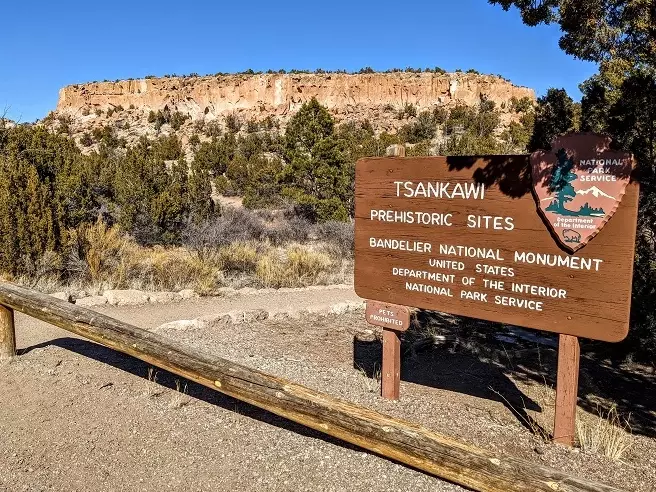
1. Cliff Dwellings and Cavates
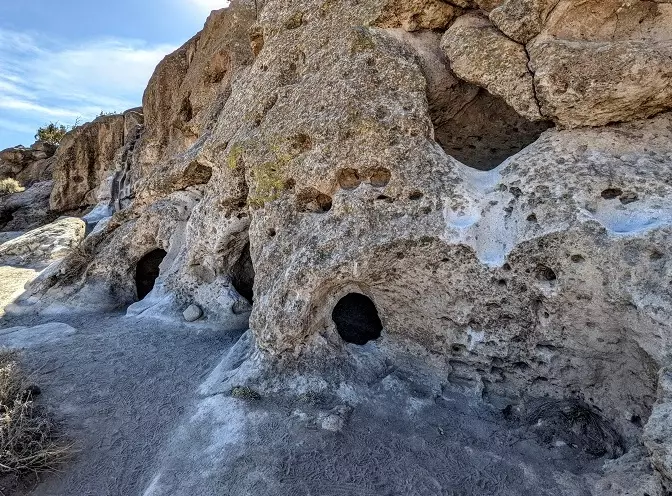
This is the headline act. The soft volcanic rock of the mesa is pockmarked with human-carved alcoves and rooms, known as cavates. These weren't natural caves; families painstakingly excavated them to create multi-room homes. You'll see them tucked under the rim of the mesa, some with soot-blackened ceilings, remnants of plaster, and sipapus (small ceremonial niches) in the floors. It’s a powerful feeling to peer into a space where an entire family cooked, slept, and told stories centuries ago.
2. Petroglyphs and Rock Art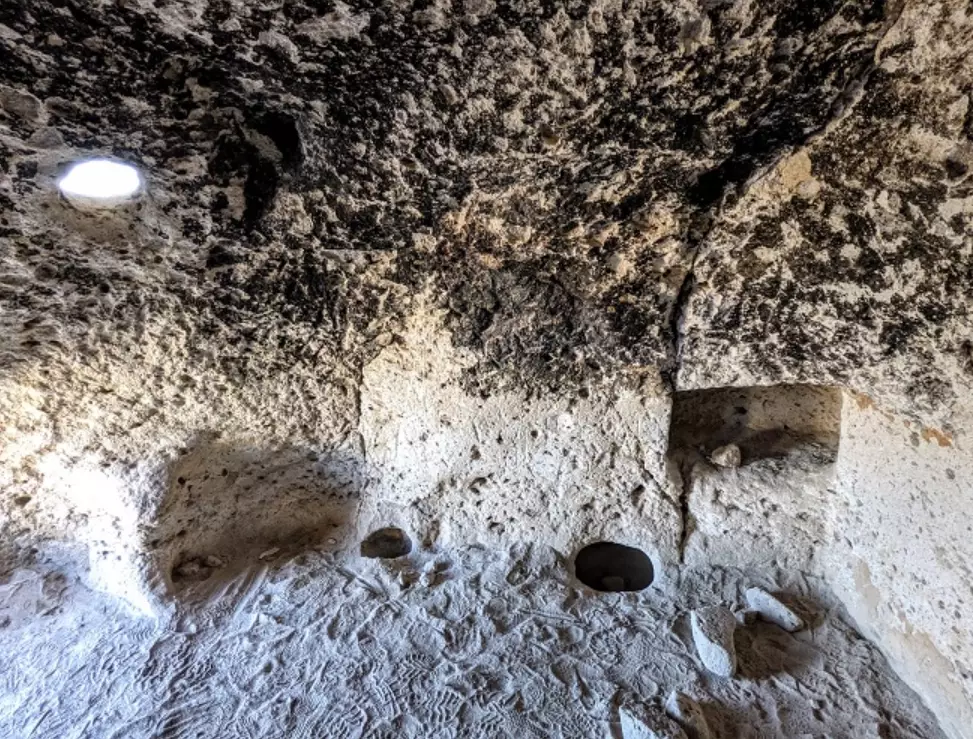
Keep your eyes peeled. Etched into the dark desert varnish on the rock faces are hundreds of petroglyphs. You'll spot spirals, animal figures (like mountain sheep), human-like forms, and handprints. A common mistake is to rush past them. Take a moment. The contrast of the light stone against the dark patina makes them pop, especially in the late afternoon light. They’re not graffiti; they’re signatures, stories, and markers left by the people who lived here.
3. The Trail Itself: A Worn Pathway
The 1.5-mile loop trail is arguably the most significant "site." The deep, smooth grooves in the rock are the original footpaths. You are walking in the exact footsteps of the Ancestral Puebloans. It’s a profoundly connecting experience that few other places offer so visibly. The trail also connects all the other features—dwellings, petroglyphs, and the mesa top.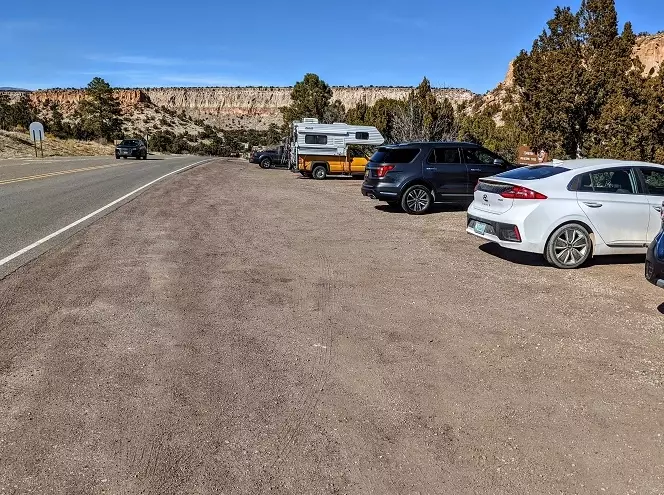
4. The Mesa Top: Unexcavated Village
When you climb the ladders to the top of the mesa, you're walking across the site of the main pueblo. Unlike the cliff dwellings below, the structures up here are largely unexcavated. You'll see low mounds, piles of stones, and depressions—all that remains of surface rooms made of tuff blocks. It's left as-is for preservation and respect. Your imagination has to fill in the blanks, picturing a community of perhaps 100-200 people living here.
5. Ceramic Sherds and Midden
Look down as you walk. You might see small, colored fragments—pottery sherds. Black-on-white, grey, and redware pieces are common. Please admire them with your eyes only. Leaving them in place is crucial for archaeologists and is mandated by federal law. These scattered pieces are silent testimonials to daily life.
Key Takeaway: What Makes Tsankawi Unique?
Tsankawi isn't about grand, rebuilt monuments. Its power lies in its authenticity and preservation. You interact with the site as it is—weathered, subtle, and deeply woven into the environment. It requires more engagement from you as a visitor, which makes the reward so much greater. It feels less like a tourist attraction and more like a discovery.
How to Visit Tsankawi: A Practical Guide for 2024
Tsankawi is a detached section of Bandelier National Monument. This is the most important piece of logistics. It has its own entrance, separate from the main Bandelier (Frijoles Canyon) area.
Address & Location: Tsankawi Unit, Bandelier National Monument. It's located off State Road 4, about 12 miles north of the town of White Rock and 20 minutes drive from Los Alamos. The turnoff is well-marked. Google Maps coordinates are reliable.
Operating Hours: The site is open year-round, from sunrise to sunset. The parking lot is gated and locked at sunset. There is no nighttime access.
Admission & Passes: You must pay the Bandelier National Monument entrance fee. As of 2024, it's $25 per private vehicle (valid for 7 days). They also accept America the Beautiful National Parks passes. A critical tip: you can pay at the Tsankawi parking lot using the self-service fee station (envelopes and a drop box). Have cash or a checkbook ready, as the machine may not take cards. Alternatively, you can pay at the main Bandelier visitor center.
Getting There: You need a car. There is no public transportation to Tsankawi. From Santa Fe, take US 285/84 north, then turn onto State Road 502 towards Los Alamos. From there, connect to State Road 4. The drive from Santa Fe takes about an hour. From Albuquerque, it's about a 1.5 to 2-hour drive via I-25 and State Road 4.
The parking lot is decent-sized but can fill up by mid-morning on weekends in spring and fall. There are vault toilets at the trailhead but no water. Fill all your bottles before you arrive.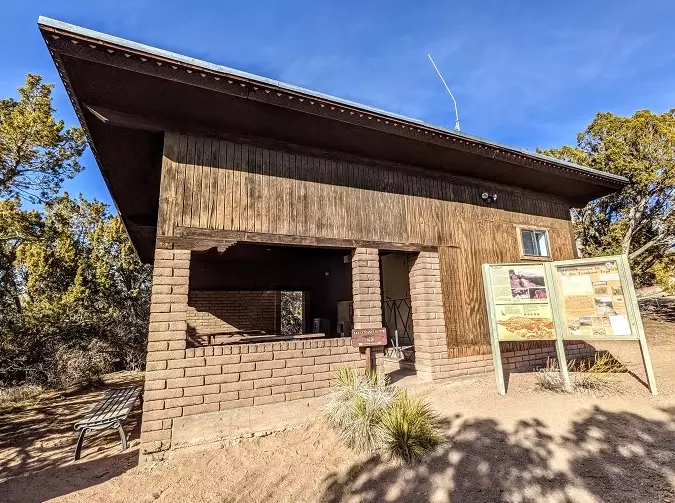
The Tsankawi Trail: Step-by-Step Hike Details
The hike is a 1.5-mile loop with about 250 feet of elevation gain. Rated as moderate, its difficulty comes from the terrain, not the distance.
What to Expect: The trail starts from the parking lot. Within minutes, you're on the iconic worn path. You'll pass petroglyph panels and look up at cavates. The first challenge comes with a series of wooden ladders that take you up onto the mesa. They are sturdy but can be intimidating if you're afraid of heights. Take your time.
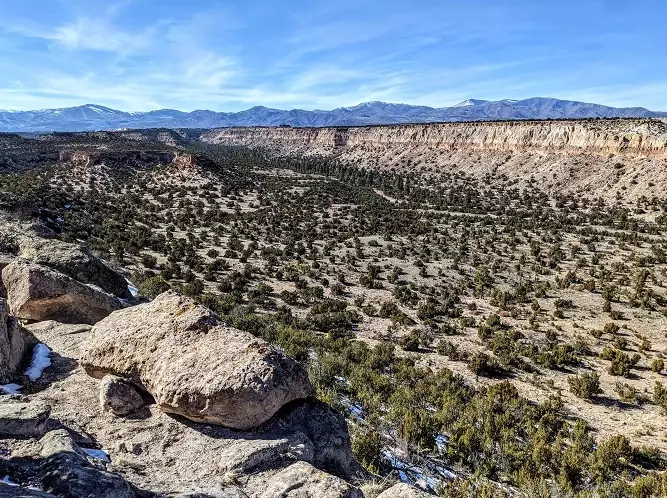
Once on top, the trail is mostly flat, winding through juniper and piñon trees past the unexcavated pueblo mounds. The views of the Jemez Mountains, the Valles Caldera, and the Sangre de Cristo range are staggering. The loop brings you back to the ladders for the descent.
My personal struggle? The first time, I missed the very start of the official trail. From the parking lot, you walk straight towards the mesa on a wide path, but the official loop actually branches to the right just before the rock. Look for the small signpost. Going straight leads you to a dead-end at the cliff base.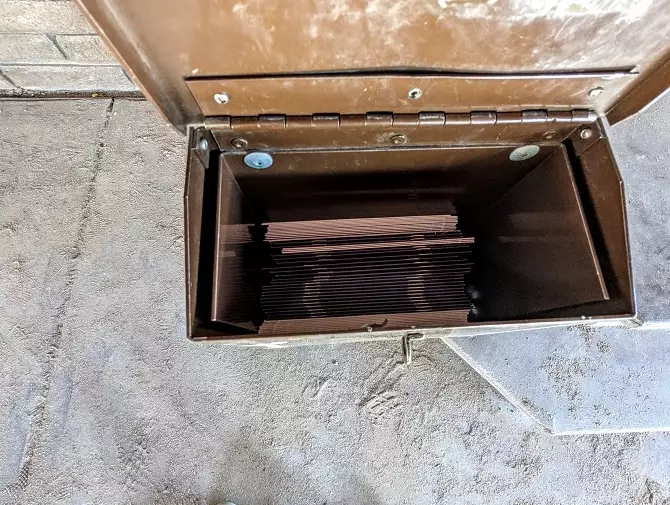
What to Bring:
- More water than you think. I recommend at least 1 liter per person. The sun is intense and the air is dry.
- Sturdy hiking shoes or boots. The rock can be slick, and the path is uneven. Sandals are a bad idea.
- Sun protection: Hat, sunglasses, and sunscreen. There is very little shade.
- A hiking pole can be helpful for stability on the rock and descents.
The People of Tsankawi: History and Cultural Context
Tsankawi wasn't an isolated outpost. It was part of a vast network of Ancestral Puebloan communities across the Pajarito Plateau. The name "Tsankawi" is thought to derive from a Tewa word meaning "village between two canyons at the clump of sharp, round cacti."
The people who lived here were farmers, growing corn, beans, and squash in the valleys below. They were also master potters and traders. Archaeologists believe Tsankawi was inhabited for about 200 years before being abandoned around the late 1500s, likely due to a combination of prolonged drought, resource depletion, and social pressures.
Here's a crucial point often missed: The descendants of the people who built Tsankawi likely moved southeast and are among the modern Pueblo communities of the Rio Grande Valley, such as San Ildefonso Pueblo (just visible from the mesa top), Santa Clara, and others. These sites are not just "ancient history"; they are the direct heritage of living, vibrant cultures. The National Park Service works closely with these tribes to manage and interpret Bandelier and Tsankawi. This living connection is why respect is paramount—you are walking on someone's ancestral homeland.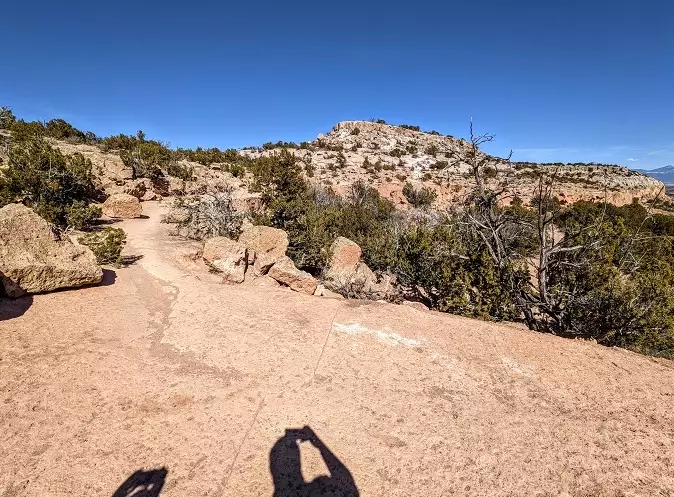
Expert Planning Tips & Common Mistakes to Avoid
After multiple visits in different seasons, here’s what I’ve learned the hard way so you don’t have to.
Best Time to Visit: Spring (April-May) and Fall (September-October) are ideal. Summer afternoons bring monsoon thunderstorms, which are dangerous on an exposed mesa. Winters can be beautiful but icy; the ladders and rock become hazardous.
The Crowd-Beater Strategy: Arrive right at sunrise or in the late afternoon (3-4 hours before sunset). You'll have the trail mostly to yourself, and the light for photography is magical. Midday is the hottest and most crowded.
A Major Misconception: People often think Tsankawi is a quick, 30-minute stop. It's not. To truly experience it—reading the signs, looking for petroglyphs, absorbing the views—plan for 1.5 to 2.5 hours minimum.
Combine Your Trip: Tsankawi pairs perfectly with a visit to the main Bandelier unit (Frijoles Canyon) for a full day. See the more excavated cliff dwellings and visit the excellent visitor center there first for context, then come to Tsankawi for the raw, unmediated experience. Alternatively, visit nearby San Ildefonso Pueblo's museum to connect the ancient past to the present.
Leave No Trace, Especially Here:
- Do not touch the petroglyphs. The oils from your skin damage them permanently.
- Do not climb on or into the cavates unless a sign explicitly says you can. Many are unstable and sacred.
- Leave every pottery sherd, rock, and artifact exactly where you found it.
- Stay on the designated trail. Wandering off damages fragile archaeological resources.
Your Tsankawi Questions Answered
Is the Tsankawi Trail suitable for young children or people with mobility issues?
This is a tricky one. For agile, supervised kids who can handle ladders safely, it can be an incredible adventure. However, there are steep drops in places with no railings. I wouldn't recommend it for toddlers. For mobility issues, it's very challenging. The ladders are a hard stop for anyone who cannot climb steep, narrow steps. The uneven, rocky terrain is also difficult for those with knee, ankle, or balance problems. The main Bandelier unit has a flat, paved canyon floor trail that is far more accessible.
What's the biggest mistake first-time visitors make when planning a trip to Tsankawi?
Underestimating the sun and aridity. I've seen too many people start the loop with a single small bottle of water, wearing flip-flops and no hat, only to turn back miserable and dehydrated halfway through. This is a high-desert hike at around 7,000 feet. The sun is relentless. Treat it with the same preparation you would for a serious desert trek, even though it's short.
 Can I bring my dog to Tsankawi?
No. Pets are not allowed on any trails in Bandelier National Monument, including Tsankawi. This is a strict rule to protect wildlife and the archaeological sites. The only place pets are allowed is in the parking lots, leashed. This surprises many people, so plan accordingly. There are local kennels in nearby towns like Los Alamos if needed.
Do I need a tour guide, or can I explore on my own?
You can absolutely explore on your own. The trail is well-marked with informative signs at key points. However, your experience will be richer if you do a little homework first. Read the placards at the trailhead, check the Bandelier National Monument website for background, or consider using the National Park Service app to download offline content. Ranger-led walks are offered occasionally but are less frequent than at the main unit; check the official website for schedules.
Where should I stay when visiting Tsankawi?
The closest convenient bases are White Rock (12 miles south, has basic hotels and amenities) and Los Alamos (about 15-20 minutes drive, more options). For a wider range of lodging, dining, and culture, Santa Fe is about an hour's drive and makes for a perfect hub to explore Tsankawi, Bandelier, and other regional highlights. Camping is available at the Juniper Campground in the main Bandelier unit (reservations recommended).
 Tsankawi offers something rare: a direct, unfiltered connection to the past. It asks for your attention and rewards it with quiet moments of awe. By visiting with preparation and respect, you become part of the ongoing story of this remarkable place, ensuring it remains preserved for generations who will one day walk in your footsteps, too.
Reader Comments