Let's be honest. The idea of a coastal road trip usually hits you in the middle of a boring Tuesday. You're scrolling, you see a cliffside road hugging the ocean, and suddenly you're planning an escape. But between that daydream and actually hitting the road lies a messy middle ground of logistics, choices, and potential mistakes. I've been doing this for over a decade—driving from the foggy cliffs of Maine to the sun-baked shores of Southern California. I've slept in my car, splurged on ocean-view rooms, gotten lost on purpose, and been stuck in traffic I didn't plan for. This guide cuts through the generic advice. We're going to build your perfect trip, step by step, with real details you can actually use.
Your Coastal Road Trip Blueprint
Picking Your Perfect Coastal Route
Don't just default to the famous one. The right route depends on your time, vibe, and what you want to see. Here are two solid frameworks, one classic and one adventurous.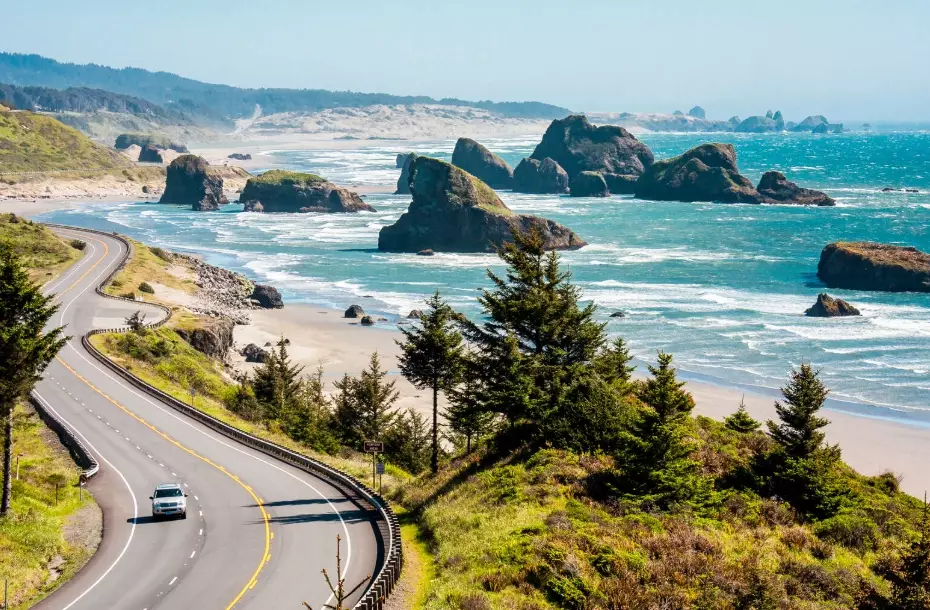
The Iconic Pacific Coast Highway (California, USA)
Yes, it's popular for a reason. But most people rush it in 2 days, which is a crime. To do it right, you need at least 4-5 days. The magic isn't just in the big names like Big Sur, but in the pull-offs nobody talks about.
Sample 5-Day Itinerary:
- Day 1: San Francisco to Monterey (2 hrs drive). Don't just drive through. Stop at Pigeon Point Lighthouse (free to view, $10 for a hostel tour). Grab lunch at Phil's Fish Market in Moss Landing (address: 7600 Sandholdt Rd, Moss Landing; famous for cioppino, $$). Sleep in Monterey.
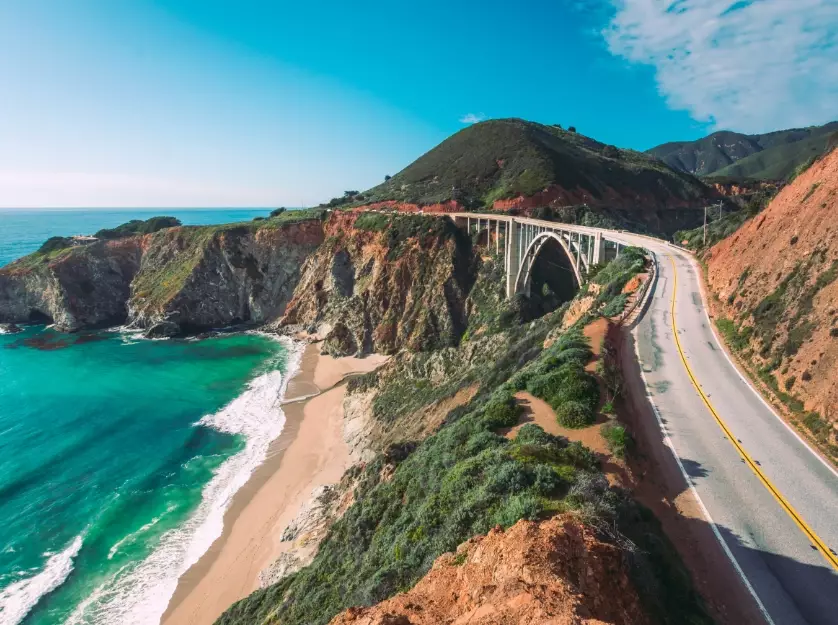
- Day 2: Monterey to Big Sur (1.5 hrs, but plan a full day). This is the crown jewel. Bixby Creek Bridge is a must-stop. For a secret-ish spot, hike the Partington Cove trail (unmarked dirt pull-off, about 1 mile round trip). Lunch at Nepenthe (address: 48510 CA-1; Ambrosia Burger is iconic, $$$, reservations needed).
- Day 3: Big Sur to San Luis Obispo (3 hrs). See the elephant seals at Piedras Blancas rookery (free, always open). Detour to Hearst Castle (tours start at $30, book weeks ahead). Sleep in SLO for its great downtown.
- Day 4: SLO to Santa Barbara (2 hrs). Explore Solvang, the Danish town (feels touristy but the aebleskiver pastries are worth it). In Santa Barbara, walk Stearns Wharf.
- Day 5: Santa Barbara to Los Angeles (2 hrs). Take Malibu's Pacific Coast Highway slowly. Stop at El Matador State Beach (small parking fee, amazing sea stacks).
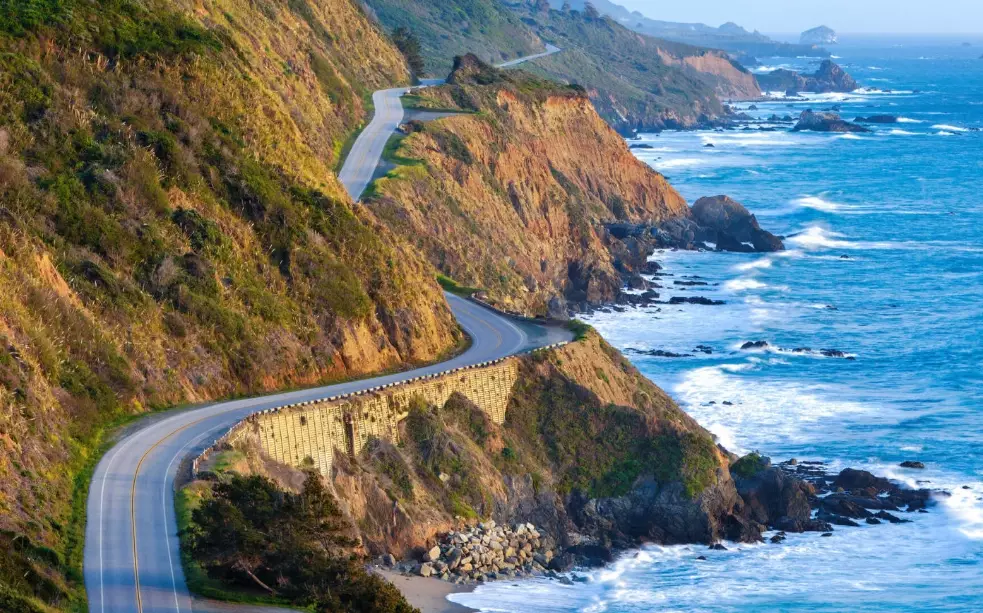
The Wild Atlantic Way (Ireland) – For Something Different
If you want drama, rain, and pints of Guinness, this is it. It's less about perfect beaches and more about raw, emotional landscapes. The roads are narrow and winding—don't plan on covering more than 100 miles a day.
Must-See Section: County Clare & Kerry
- Base yourself in Doolin, County Clare for 2 nights. It's the gateway to the Cliffs of Moher (entry: €10 online, opens 9 am). Pro tip: Skip the main visitor center lot. Park at Hag's Head for free and walk north along the cliffs away from the crowds.
- From Doolin, take the ferry to the Aran Islands (Inisheer is my favorite). Rent a bike for the day.
- Drive the Ring of Kerry clockwise to avoid tour buses. The Skellig Ring detour is worth every minute for views of Skellig Michael (where Star Wars was filmed).
- Sleep in Portmagee or Cahersiveen for authentic village vibes. B&Bs like The Moorings in Portmagee are fantastic (from €120, includes breakfast).
The Nuts and Bolts of Road Trip Planning
This is where trips fall apart. Let's get practical.
Your Vehicle: The Most Important Decision
You don't need an RV. A regular sedan is fine for most paved coastal routes. What you do need is a comfortable car you trust. If renting, consider something with good fuel economy and a bit of cargo space. I made the mistake once of renting a tiny convertible for a week-long trip—my back has never forgiven me. An SUV or crossover is ideal for the extra room and slightly higher vantage point for views.
Check tire pressure and fluid levels before you go. Know how to change a tire. Seriously.
The Budget: A Realistic Breakdown
Forget round numbers. Build your budget from the ground up. For a 7-day trip for two, here's a realistic mid-range estimate for the US West Coast:
| Category | Estimated Cost | Notes & Saving Tips |
|---|---|---|
| Car Rental + Gas | $500 - $700 | Book rental car 3+ months out. Use apps like GasBuddy. |
| Accommodation | $1,200 - $1,800 | Mix of hotels, motels, and 1-2 splurges. Airbnb can be cheaper outside major towns. |
| Food & Drink | $700 - $1,000 | Eat one big meal out per day, picnic for lunch. Get a cooler. |
| Activities & Parks | $200 - $400 | Park passes (like US National Parks Annual Pass for $80) save money. |
| Buffer / Emergency | $200 | For that unexpected whale-watching tour or flat tire. |
| Total (for two) | $2,800 - $4,100 | Comes to $200-$300 per person, per day. |
The Packing List: What You Actually Need
Everyone says "pack light." I say pack smart. Beyond clothes, here are the non-negotiables that live in my car:
- A good cooler: Not a cheap styrofoam one. A hard-sided cooler saves you a fortune on drinks and snacks.
- Power bank & car charger: For phones, cameras, everything.
- Physical maps or downloaded offline maps: Cell service dies on the best coastal stretches. I use Google Maps' offline feature and carry a paper National Park Service map as backup.
- Reusable water bottle & coffee mug: Saves money, reduces waste.
- Basic toolkit & first-aid kit: Band-aids, antiseptic, pain relievers, duct tape, a multi-tool.
- Blanket and camp chairs: For impromptu beach or cliffside picnics. This is a game-changer.
Pro Tips from the Passenger Seat
These are the things you learn after a few trips, the hard way.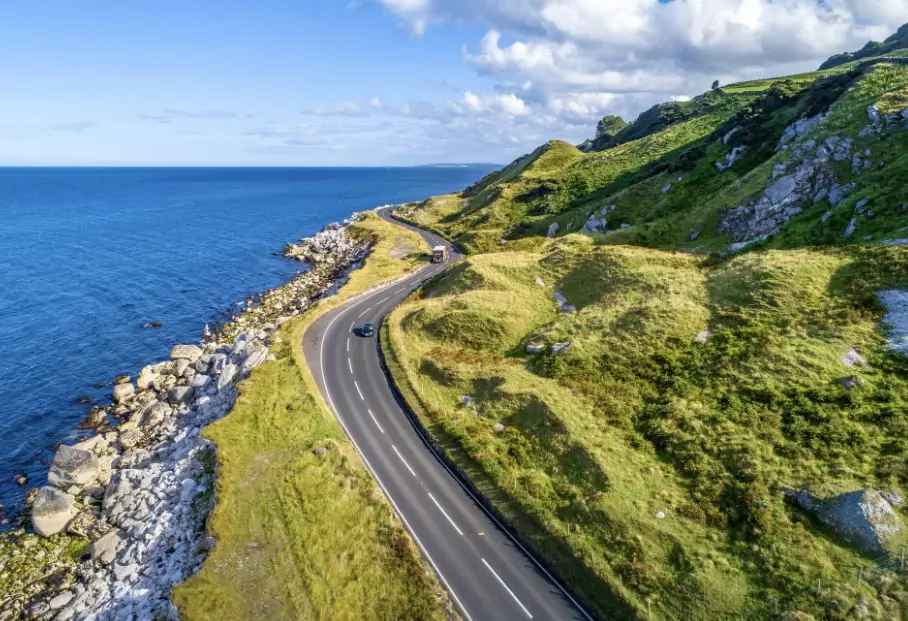
Embrace the Slow Lane. Literally. The right lane is for soaking in views. If you're tailgating someone going the speed limit on a scenic route, you're doing it wrong. Pull over, let them pass, breathe.
Find the "Secret" Spots. They're not really secret, just less crowded. The trick is timing and walking. Any major vista point has a trail leading away from the parking lot. Walk for 10 minutes. You'll have it to yourself. Also, look for state beaches instead of national parks—often just as beautiful, less crowded, cheaper.
The Best Light is Early and Late. If you want photos without a dozen strangers in them, or just a peaceful moment, be at the key spot for sunrise or sunset. Midday light is harsh, and crowds peak. A 6 AM start means you get McWay Falls in Big Sur all to yourself.
Don't Overplan Every Meal. Some of my best finds were a taco truck in a gas station parking lot or a family-run clam shack with no website. Leave room for discovery. Have snacks in the car so you're not forced to eat somewhere terrible because you're starving.
Talk to Locals. At the coffee shop, the bar, the grocery store. Ask: "What's your favorite beach that tourists don't know about?" or "Where would you go for dinner tonight?" This is how you find the real gems.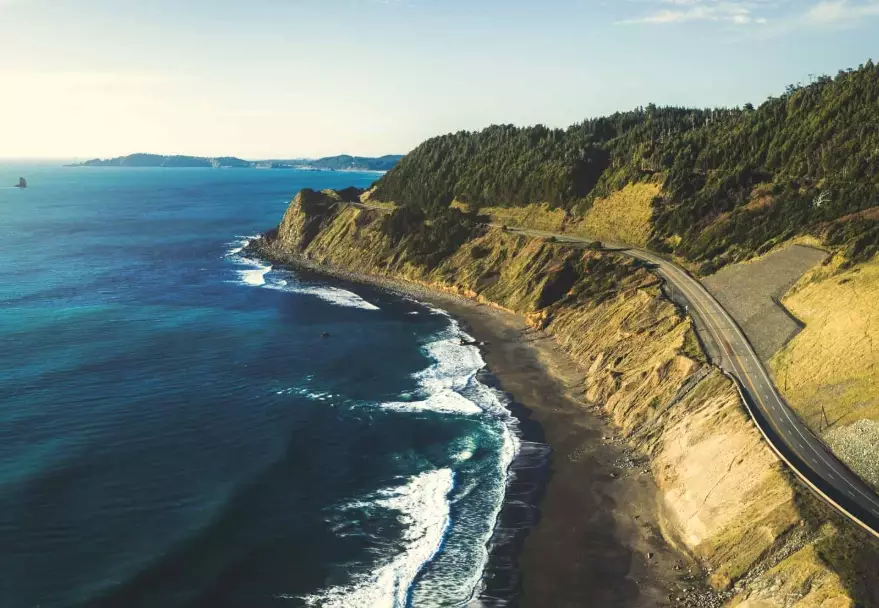
Your Coastal Road Trip Questions Answered
How can I avoid the crowds on the Pacific Coast Highway in summer?
Go north to south. Most rental car routes go southbound, so you'll be with the flow. More importantly, start your driving day early. Be on the road by 8 AM. You'll hit Big Sur's key spots hours before the tour buses from San Francisco arrive. Also, visit on weekdays (Tuesday-Thursday) if your schedule allows.
What's the biggest mistake first-timers make on a coastal road trip?
Trying to do too much. They plot a point on the map and think "that's only 200 miles, 3 hours." On a coastal road, 200 miles can take 6-7 hours with traffic, photo stops, and construction. You'll be exhausted and see nothing. Plan to drive no more than 4-5 hours of actual moving time per day. The rest is for stopping.
Is it worth getting an International Driving Permit for European coastal trips?
For Ireland, the UK, and most of Western Europe, your US/Canadian license is legally sufficient for tourists. However, many car rental companies require an IDP as part of their rental agreement. It's a cheap document (around $20 from AAA). It's not worth the risk of being denied your rental car at the counter after a long flight. Just get one.
How do I find safe and legal places to sleep in my car or camp for free?
This is a big one. Never just pull over on the side of the road. It's unsafe and often illegal. Use apps like iOverlander or FreeRoam which show user-vetted spots like truck stops, Walmart parking lots (check local ordinances), and Bureau of Land Management (BLM) land. For official, cheap camping, look for state park campgrounds or national forest campsites, which are often first-come, first-served and cheaper than private RV parks.
The open road is calling, but it doesn't have to be a stressful mystery. Pick a route that excites you, plan the essentials, but leave plenty of white space for the unexpected. That's where the real magic happens—in the unplanned stop, the hidden beach, the local recommendation. Now, go check your tire pressure and start dreaming. Your coastal adventure is waiting.
Reader Comments