Explore This Guide
- So, What Exactly Is Fire Canyon?
- Getting There: Your Road Trip from Vegas to Another World
- When to Visit: Timing Is Everything in the Desert
- What to Do at Fire Canyon and Valley of Fire
- Photographing Fire Canyon: More Than Just a Phone Snapshot
- Planning Your Trip: The Nitty-Gritty Details
- Common Questions About Fire Canyon Las Vegas (Answered)
- Final Thoughts: Making It Your Own
Let's be honest. When you think of Las Vegas, your mind probably jumps to flashing lights, clinking slot machines, and maybe a buffet or two. It's easy to forget that just an hour's drive away, there's a landscape so violently beautiful it feels like another planet. I'm talking about Fire Canyon in Valley of Fire State Park. It's not just a canyon; it's a masterpiece of wind, water, and time, painted in shades of red so intense they seem to glow from within.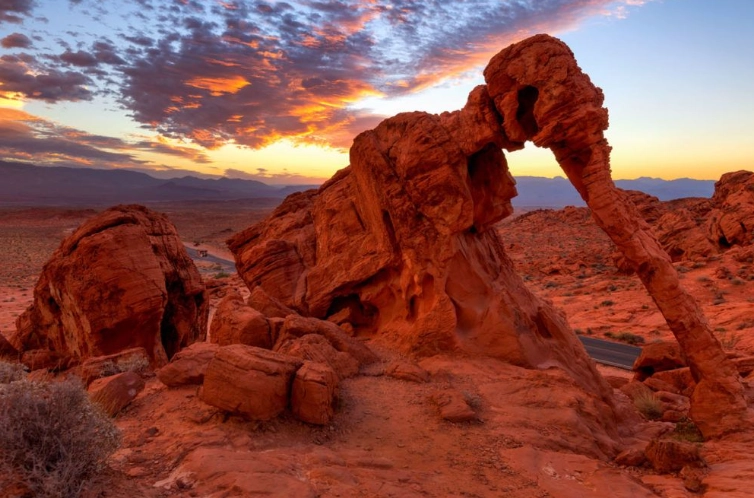
My first time there, I was expecting a quick photo stop. I ended up spending the whole day, my phone dying from overuse (lesson learned), and my hiking boots getting a proper workout. The place has a way of pulling you in. You round a corner and bam – there's a wall of stone that looks like melted candy, swirling with colors. It's humbling.
Quick Reality Check: A lot of people search for "Fire Canyon Las Vegas" thinking it's a single, specific attraction on the Strip. It's not. It's a stunning geological feature within Nevada's oldest and largest state park, the Valley of Fire. Getting this straight is your first step to planning a trip that actually matches the pictures you've seen.
So, What Exactly Is Fire Canyon?
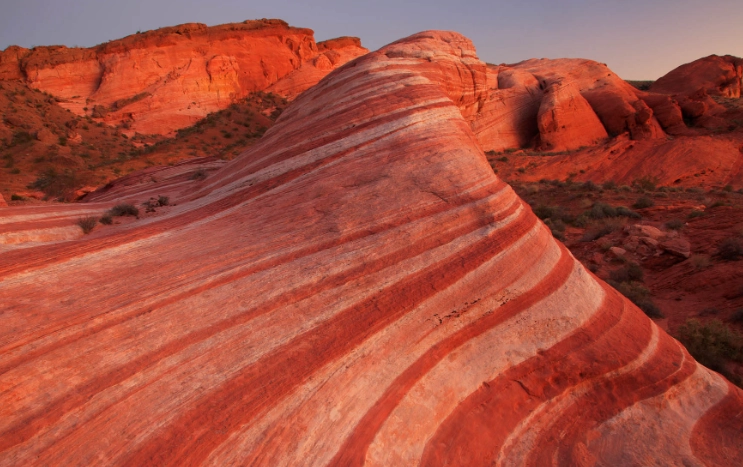
Imagine the classic image of the American Southwest. Now turn up the saturation on the reds and oranges to eleven. That's Fire Canyon. It's a deep, narrow cleft in the Aztec Sandstone, where millions of years of erosion have exposed layers of mineral deposits – iron creating the fiery reds, manganese adding darker streaks.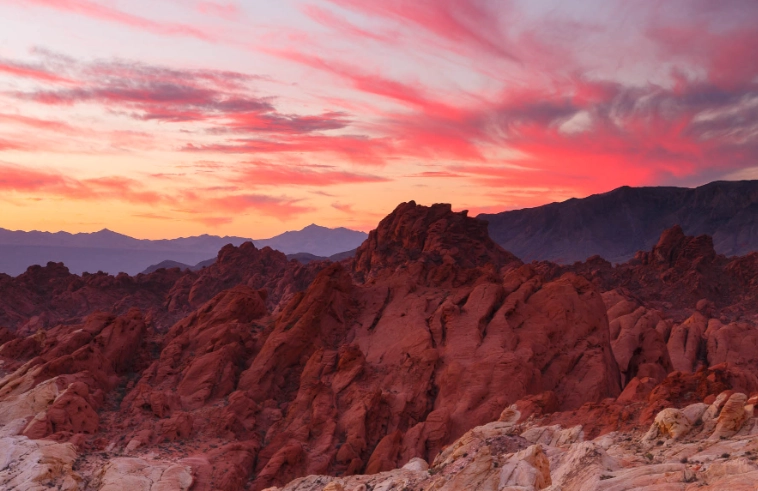
The result is a photographer's dream and a hiker's challenge. The rock isn't just colorful; it's textured. It swirls, it curves, it looks like petrified waves. Standing at the overlook, you feel tiny. In a good way. It strips away all the noise of the city and just lets you look.
Is it worth the drive from Las Vegas? Absolutely. But you need to know what you're getting into. This isn't a paved walk with a gift shop at the end.
Getting There: Your Road Trip from Vegas to Another World
The drive is part of the experience. You leave the sprawl of Las Vegas behind, and the landscape slowly morphs into open desert. It's straightforward, but a few tips can save you headache.
There are two main entrances to Valley of Fire State Park. The west entrance, off I-15, is the most common route from Las Vegas. You take I-15 North for about 40-45 miles, then take Exit 75 (signs for Valley of Fire). From there, it's about 17 miles on Valley of Fire Highway to the park's west entrance station. The east entrance connects to Lake Mead, but most folks coming from the city use the west.
Here’s a quick breakdown to help you decide:
| Starting Point | Route | Approx. Drive Time (No Traffic) | Best For |
|---|---|---|---|
| The Las Vegas Strip | I-15 North to West Entrance | 50-60 minutes | First-time visitors, direct access to visitor center & popular trails. |
| Downtown Las Vegas | I-15 North to West Entrance | 45-55 minutes | A slightly quicker shot from downtown hotels. |
| Combining with Lake Mead | Lake Mead Blvd to North Shore Rd to East Entrance | 75-90 minutes | A longer, scenic loop trip. Check road conditions first. |
You'll need to pay an entrance fee. As of my last visit, it was $15 for out-of-state vehicles (good for the day). Nevada plates get a discount. They take credit cards at the entrance station. For the absolute latest on fees and hours, always check the official Nevada State Parks page for Valley of Fire. It's the most reliable source.
Fuel Up & Stock Up: There are NO gas stations inside Valley of Fire State Park. The last reliable spots are in Las Vegas or in the town of Moapa Valley near the I-15 exit. Fill your tank. Also, bring ALL the water and food you'll need for the day. I made the mistake of thinking one bottle was enough on my first hike. It wasn't. The desert sun is no joke.
When to Visit: Timing Is Everything in the Desert
This might be the most important section you read. Visiting Fire Canyon Las Vegas at the wrong time of year can range from unpleasant to downright dangerous.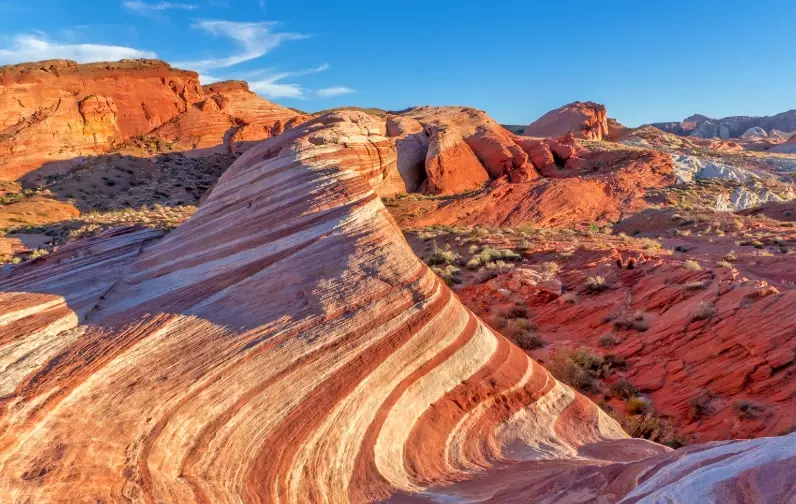
Summer (June-August) is brutal. Temperatures regularly soar above 100°F (38°C), and the sun is relentless. Hiking can become a serious health risk. I've seen people attempting trails at noon in July with a single small water bottle. Don't be that person. If you must go in summer, your activity is limited to very short walks from sunrise until about 9 AM.
The sweet spot? Spring (March-May) and Fall (October-November). Days are warm and pleasant, nights are cool. It's perfect hiking weather. Winter (December-February) is also great for hiking, though it can be surprisingly chilly, especially with wind. You'll need layers.
Time of day matters too, regardless of season. Sunrise and sunset are magical. The low angle of the sun makes the red rocks literally glow, hence the name "Valley of Fire." The colors are surreal. Midday light is harsher, flattening the details, but it's still impressive.
What to Do at Fire Canyon and Valley of Fire
Okay, you've arrived. Now what? Fire Canyon itself is primarily experienced from the Fire Canyon Overlook/Silica Dome area. But the park is packed with other wonders. Here’s a realistic list of how to spend your time.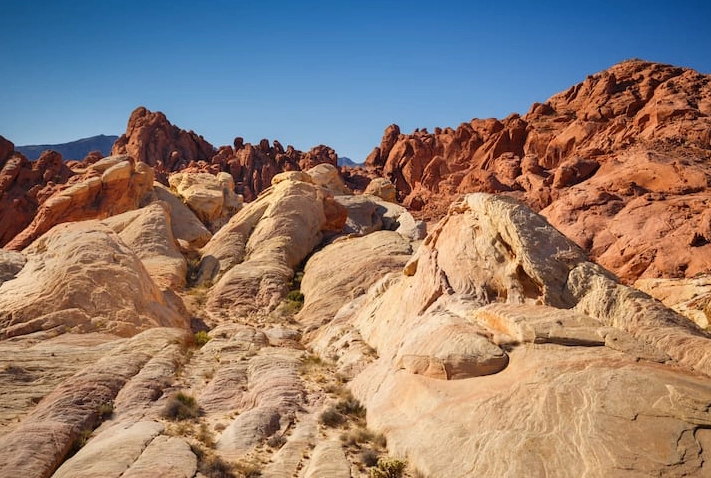
The Must-See Sights (Even If You're Short on Time)
- Fire Canyon Overlook & Silica Dome: This is the main event for the "Fire Canyon" experience. The overlook gives you that iconic, expansive view down into the deep red canyon. Across the road, the Silica Dome is a massive, smooth, white-ish dome that provides a crazy contrast. You can pull right up to both. It's the number-one photo op.
- Atlatl Rock: This is where you see the ancient side of the park. A short staircase leads you up to a rock face covered in well-preserved petroglyphs (rock carvings) from the ancient Basketmaker culture. It's a direct, tangible connection to people who lived here over 2,000 years ago. More info on the history can be found through the National Park Service pages on the Lake Mead area, which cover the broader region's archaeology.
- The Beehives: Right near the west entrance, these are strange, swirling sandstone formations that look like giant beehives. A quick, easy stop to get your first taste of the park's geology.
- Elephant Rock: You can see it from a viewpoint or take a short, flat 0.3-mile loop to get up close. It's a rock arch that, with a little imagination, looks like an elephant. It's fun, it's quick, and it's usually less crowded early or late.
Top Hikes for Different Energy Levels
To really feel Fire Canyon Las Vegas, you gotta get out of the car. Here are my personal takes on the trails.
Fire Wave / White Domes Loop (My Favorite): This is often the poster child for the park. The Fire Wave section is a stunning, striped sandstone formation that looks like a frozen wave. The full loop (about 1.5 miles) takes you through slot canyons and past the White Domes. It's moderate, with a little scrambling. Gets very crowded – go early.
Mouse's Tank Trail (Easiest & Most Historic): A flat, sandy 0.8-mile round trip to a natural water basin (the "tank"). The whole path is lined with hundreds of petroglyphs. It's an easy walk that packs in a ton of history. Great for families.
Rainbow Vista / Fire Canyon Ridge Trail (For the Views): This is the one that gives you a different perspective on Fire Canyon. Rainbow Vista starts with a panoramic view of multi-colored sandstone. The more strenuous Fire Canyon Ridge Trail branches off from it, climbing up for a breathtaking overlook into the depths of Fire Canyon itself. This is the hike if you want that "top of the world" feeling. It's more exposed and challenging.
Pastel Canyon (Pink Canyon) - An Unofficial Gem: This isn't a marked official trail, but it's widely known. It's a short, easy scramble into a narrow canyon with soft pink and purple hues. You'll need to search for it online for precise directions, but it's a beautiful, quieter spot.
Hiking Truth Bomb: Trail maps are helpful, but the desert doesn't always have clear paths. On trails like Pastel Canyon or even parts of Fire Wave, the route is often marked by cairns (small stacks of rocks). Follow them, and don't make new ones. It's easy to get turned around in a canyon. A photo of the park map on your phone is a good backup.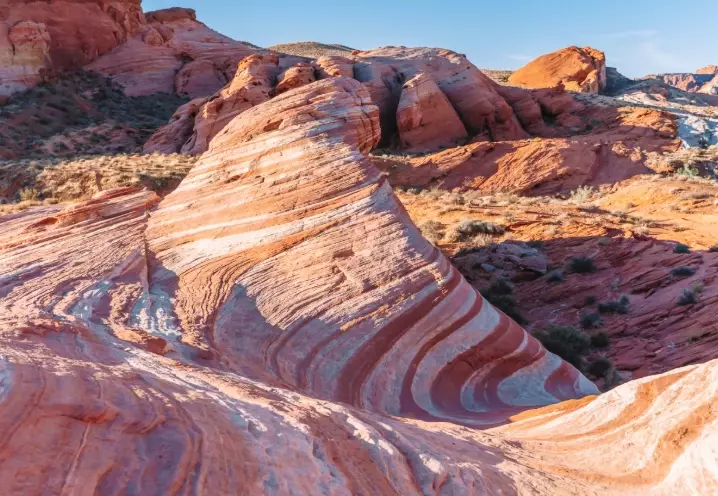
Photographing Fire Canyon: More Than Just a Phone Snapshot
You're going to want pictures. Everyone does. Here's how to make yours stand out from the million other sunset shots.
The golden hour – the hour after sunrise and before sunset – is non-negotiable. The light is warm, soft, and creates long shadows that define the textures of the rock. Midday photos will look flat and overexposed.
For Fire Canyon specifically, the overlook is great for wide, expansive shots. But to capture the texture, get closer. Use a zoom lens (or your phone's zoom carefully) to isolate patterns in the rock – the swirls, the stripes, the cracks. Look for contrast, like a green desert shrub against the red stone.
A polarizing filter (or a phone with a good HDR mode) is incredibly useful. It cuts the glare off the sandstone and makes the colors pop, especially the deep reds and blues of the sky.
Don't just shoot the landscape. Get a friend in the shot for scale. The vastness is part of the story.
Planning Your Trip: The Nitty-Gritty Details
Let's talk logistics. This is the stuff that can make or break your day.
What to Pack: This is a desert survival list, not a suggestion.
- Water: At least one gallon (4 liters) per person, per day. More if you're hiking seriously.
- Food & Snacks: High-energy stuff. There are picnic areas, so pack a lunch.
- Sun Protection: Hat, sunglasses, and high-SPF sunscreen. Reapply often. The sun reflects off the light-colored sand.
- Footwear: Sturdy, closed-toe shoes with good grip. Hiking boots or trail runners are ideal. The sand is hot, and the rocks can be slippery.
- Navigation: A physical map or a fully charged phone with offline maps downloaded. Cell service is spotty to non-existent in most of the park.
- Layer Up: Even a warm day can turn cool quickly, especially if the wind picks up or if you're out for sunset.
Where to Stay: There are no hotels in the park. Your options are:
- Camp in the park: There are two first-come, first-served campgrounds (Arch Rock and Atlatl Rock) with shaded tables and grills. They fill up fast, especially on weekends. It's a fantastic way to experience the park at night, under insane stars.
- Stay in Las Vegas: The most flexible option. Drive out in the morning, spend the day, drive back.
- Stay in Overton or Mesquite: Smaller towns closer to the park, offering a quieter base.
Rules & Respect: This is a fragile environment.
- Stay on designated trails as much as possible. Walking on the cryptobiotic soil crust (the black, crunchy ground cover) destroys it and can take decades to recover.
- Do not touch, chalk, or deface the petroglyphs. The oils from your skin damage them.
- Take all your trash out with you. Leave no trace.
- Drones are prohibited in Nevada State Parks without a special permit.
Common Questions About Fire Canyon Las Vegas (Answered)
Final Thoughts: Making It Your Own
Visiting Fire Canyon Las Vegas isn't about ticking a box. It's about letting the scale and the silence of the place sink in. It’s about feeling the crunch of sand under your boots and the warm rock under your hand.
My biggest piece of advice? Slow down. Don't try to race to every single landmark. Pick two or three things that sound interesting – maybe the Fire Canyon Overlook and one good hike – and really experience them. Sit on a rock. Listen to the wind. Watch the colors change as the sun moves.
It's a powerful antidote to the manufactured excitement of the Strip. It's real, it's ancient, and it's waiting for you just down the road. Just remember the water. Seriously.
Reader Comments