In This Guide
- Where Exactly Is This Place? Getting Your Bearings
- A Walk Through Time: The Geology That Built Fire Canyon
- Your Fire Canyon Adventure: From Overlook to Trail
- When to Go: Beating the Heat and the Crowds
- Capturing the Fire: A Photographer's Notes
- Beyond Fire Canyon: What Else is Nearby?
- Staying Safe: This Isn't a City Park
- Answers to Questions You're Probably Asking (FAQ)
- The Takeaway: Is Fire Canyon Worth It?
Let's be honest. When you first hear "Valley of Fire," you picture a vast, uniformly red landscape, maybe something straight out of a Martian movie set. I did. My first visit was a blur of driving and snapping photos from the car. It was beautiful, sure, but it felt... distant. Then I found Fire Canyon. Or rather, I stumbled upon it after missing a turn. Best wrong turn ever.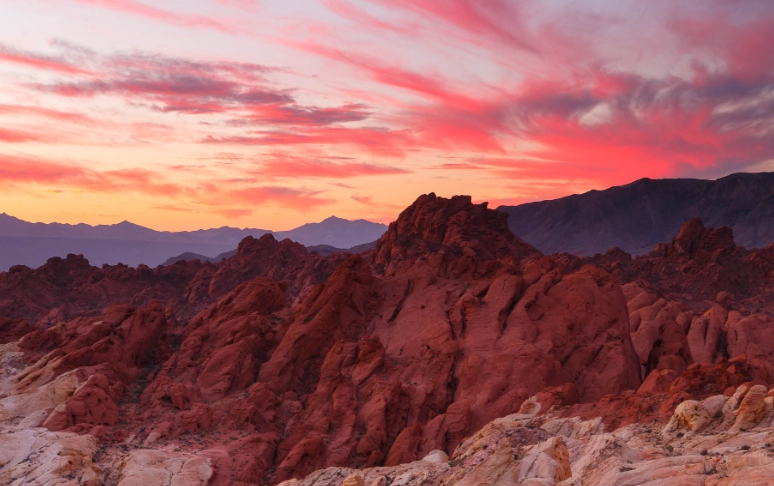
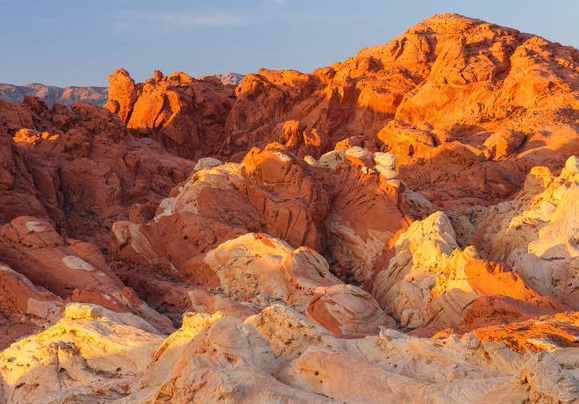
Fire Canyon isn't just another part of the Valley of Fire State Park in Nevada. It feels like the park's secret, beating heart. If the main park areas are the showy living room, Fire Canyon is the intriguing, slightly wild backyard everyone whispers about. The name itself is perfect. At the right time of day, the deep, narrow ravines and razor-sharp ridges don't just look red—they look like they're actively burning from within, glowing with a fierce, ancient light. It's less of a valley and more of a dramatic, sculpted cleft in the earth. That's the thing most blog posts don't tell you. They'll list it as a "spot," but it's an entire experience, a different vibe from the more accessible Mouse's Tank or Elephant Rock.
So, if you're tired of the same old surface-level travel tips and want to know what it's really like to explore the Fire Canyon Valley of Fire, you're in the right place. This isn't a fluffy brochure. We're going to talk about the crunch of gravel underfoot, the silence that's so deep it rings in your ears, and the very real chance of getting your hiking shoes full of fine, red sand.
Where Exactly Is This Place? Getting Your Bearings
Nevada's Valley of Fire State Park is about an hour's drive northeast of Las Vegas, off Interstate 15. It's a straightforward drive, but the transition from casino glitter to raw desert is jarring in the best way. Now, Fire Canyon itself is tucked away along the park's scenic White Domes Road. You won't see a giant sign screaming "FIRE CANYON." That's part of its charm (and occasional frustration for first-timers).
Look for the Silica Dome.
That's your landmark. A massive, brilliant white dome of sand that looks utterly out of place among the reds and oranges. The Fire Canyon Overlook parking lot is right across from it. The overlook gives you that iconic, wide-angle view—the one you've probably seen in photos. But the real magic starts when you look down into the chasm, not just across it.
A Walk Through Time: The Geology That Built Fire Canyon
You can't fully appreciate Fire Canyon without understanding why it looks the way it does. This isn't random beauty. It's a 150-million-year-old storybook written in stone.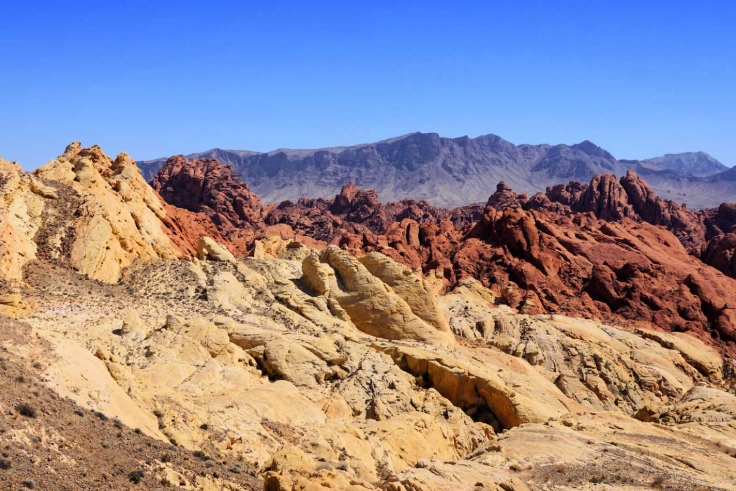
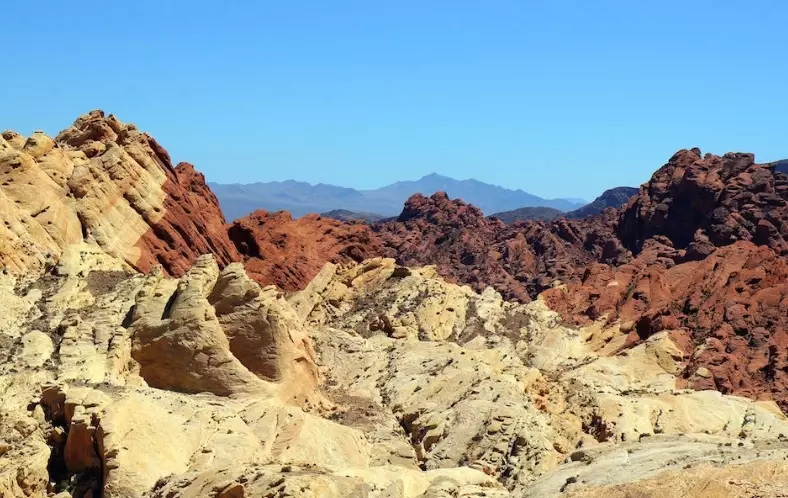
The dominant red color comes from iron oxide—rust, essentially. But the varying shades of orange, pink, and even some yellows tell a more complex tale of different mineral deposits and ancient environmental shifts. The rock is primarily Aztec Sandstone, the same formation that creates the spectacular scenery in Zion National Park further north. What makes the Fire Canyon Valley of Fire area so uniquely dramatic is the intense folding and faulting it has undergone.
Imagine layers of sand deposited by ancient winds, buried, cemented into rock, and then squeezed by colossal tectonic forces. The rock didn't just crack; it bent, twisted, and in places, nearly turned on its side. Then, patient and relentless, wind and water carved away the softer layers, exposing the contorted, cross-bedded patterns you see today. Every stripe and curve is a record of an ancient dune.
It's humbling. You're not just looking at pretty rocks; you're looking at frozen time. The National Park Service has great, digestible resources on the geology of the Colorado Plateau region that explain these forces if you want to dive deeper. It makes the hike so much more than a walk.
Your Fire Canyon Adventure: From Overlook to Trail
Most visitors' experience of Fire Canyon is a five-minute stop at the overlook. It's a fantastic view, but it's like only reading the summary of a great novel. To really know it, you have to get closer.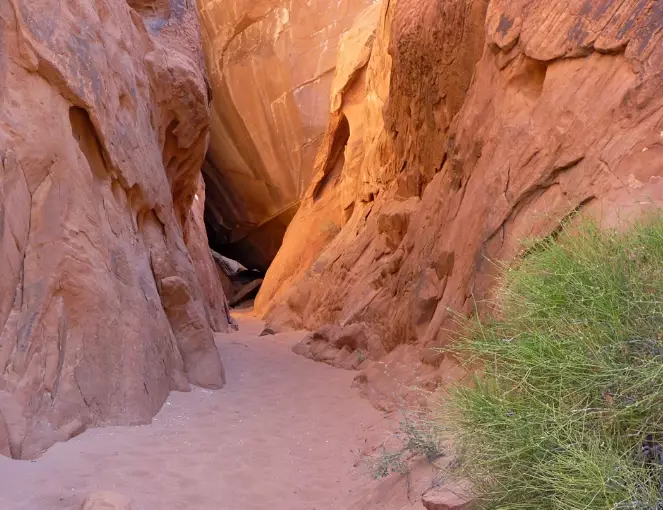
The Fire Canyon Overlook
This is the zero-effort, high-reward option. A short, paved path leads from the parking lot to a fenced viewing platform. It's fully accessible and perfect for everyone, especially at sunrise or sunset. The view is panoramic, showcasing the stark contrast between the white of Silica Dome and the fiery reds of the canyon. This is where you get the scale. It's a must-do, even if you plan to hike.
Venturing Into the Fire: The Fire Canyon / Silica Dome Loop
This is the main event. The trail is a roughly 1.5-mile lollipop loop that starts near the overlook. Officially, it's listed as moderate. I'd say that's fair, but with caveats.
The initial descent into Fire Canyon is the steepest part. The trail is well-defined but can be slippery with loose gravel. Good hiking shoes with traction are non-negotiable here—sneakers won't cut it. Once you're down in the wash, the world changes. The walls close in, the temperature feels different, and the noise from the road vanishes. You're walking on sand and rock between these towering, swirling walls. The colors are more intense up close.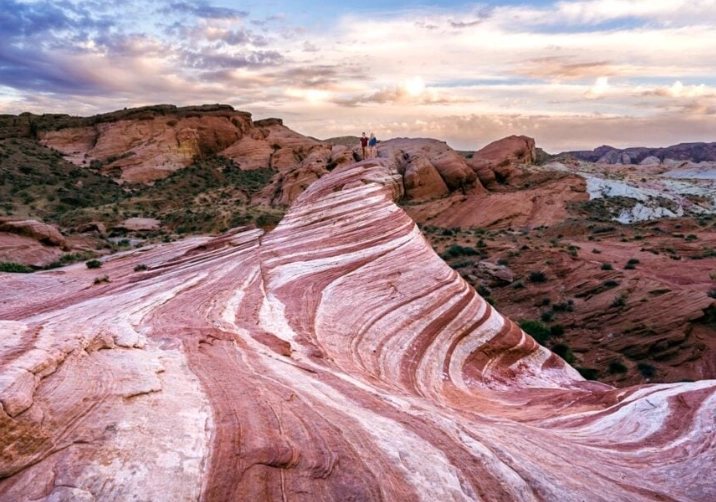
Then the trail climbs out of the canyon wash and loops you around the base of the Silica Dome. The contrast is surreal. One minute you're surrounded by fiery reds, the next you're trudging up slopes of pure, sparkling white sand. It's otherworldly. The loop brings you back to the starting point.
Is exploring the Fire Canyon Valley of Fire worth the sweat? Absolutely. The overlook shows you a picture. The hike lets you step inside the frame.
When to Go: Beating the Heat and the Crowds
This is desert. The sun is not your friend; it's a powerful, omnipresent force. Timing your visit is the single biggest factor in whether you have a great experience or a miserable one.
| Season | Pros | Cons | Verdict |
|---|---|---|---|
| Spring (Mar-May) | Wildflowers can bloom. Pleasant daytime temps (60s-80s°F). Ideal hiking weather. | Can be windy. This is peak season, so more crowds, especially at overlooks. | The Best Time. Perfect for serious exploration. |
| Summer (June-Aug) | Long days. Dramatic early morning light. | Extremely dangerous heat (100-115°F+). Hiking past 9 AM is risky. Intense sun. | Sunrise/sunset only. Hike at your own peril mid-day. Carry massive amounts of water. |
| Fall (Sept-Nov) | Crowds thin. Temps become manageable again. Pleasant. | Early fall can still be very hot. Days get shorter. | Excellent Second Choice. Great for photography. |
| Winter (Dec-Feb) | No heat stress. Crisp, clear air. Fewest visitors. | Chilly, especially in mornings/evenings (can drop below freezing). Short days. | Underrated. Bundle up. Hiking is comfortable if you're prepared for cold. |
My personal rule? If the forecast in Las Vegas is over 90°F (32°C), I reconsider any substantial hiking in the Valley of Fire. The rock radiates heat, and shade is a precious commodity in the Fire Canyon area. The park's own safety materials stress this constantly. Heed their warnings.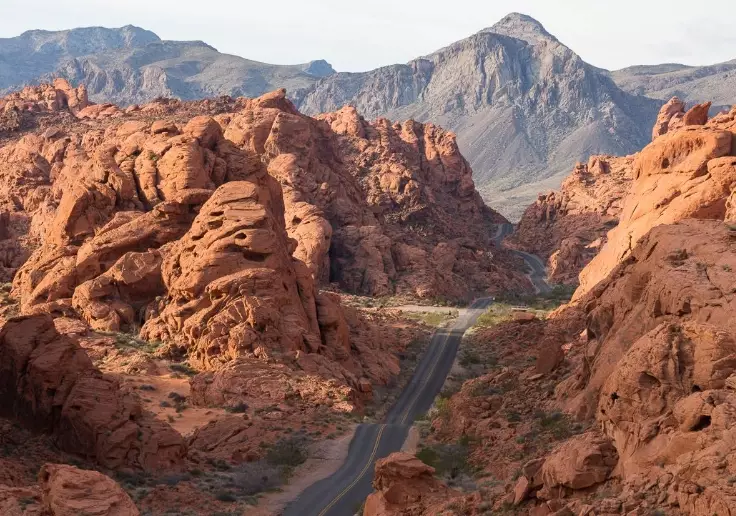
Capturing the Fire: A Photographer's Notes
You're going to want photos. The place demands it. But capturing the essence of Fire Canyon is trickier than just pointing your phone.
Wide-angle lenses are great for the overlook to capture the expanse. But once you're in the canyon, don't forget to switch. A telephoto lens (or your phone's zoom, used carefully) is fantastic for isolating the abstract patterns in the rock—the swirls, the lines, the textures. Look for the details: a single twisted strata line, a shadow cutting across a curve.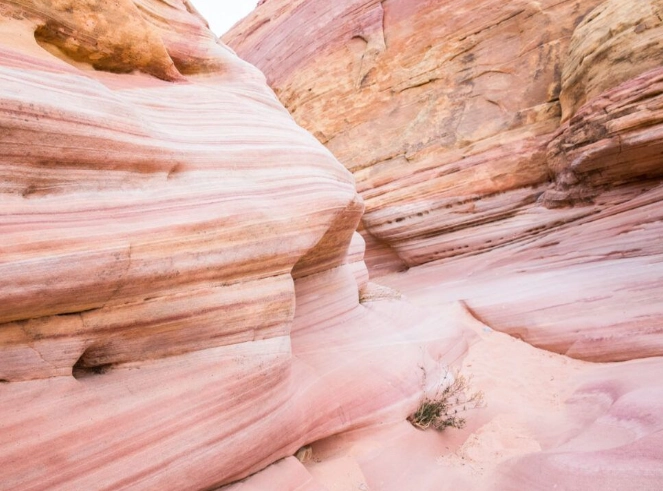
And that white silica sand? It's a giant reflector. It can help fill in shadows on people's faces during a hike, but it can also fool your camera's light meter, making your photos come out too dark. Bump up your exposure compensation a bit when shooting near the dome.
Honestly, sometimes I just put the camera down. The memory of the silence and the scale, with no viewfinder between me and it, is its own kind of picture.
Beyond Fire Canyon: What Else is Nearby?
You didn't drive all this way for just one canyon (though you could). The beauty of Valley of Fire is its density of wonders. Here's a quick hit-list of what pairs perfectly with a Fire Canyon visit, in my order of preference:
- The White Domes Trail: Further down the same road. It's a 1.25-mile loop that has a bit of everything: a narrow slot canyon section, colorful rocks, and the ruins of an old movie set. It's more popular, so go early.
- Mouse's Tank (Petroglyph Canyon): An easy, flat trail to a natural basin in the rock. The main attraction is the hundreds of ancient petroglyphs on the canyon walls. Please, for the love of history, don't touch them. Look with your eyes.
- Rainbow Vista: This parking area offers a stunning, colorful view of multiple sandstone layers. A short trail leads to even better panoramas. Less of a hike, more of a glorious viewpoint.
- Elephant Rock: Right near the east entrance. It's a rock formation that, with some imagination, looks like an elephant. It's a quick, fun stop on your way in or out.
Staying Safe: This Isn't a City Park
I feel like a nag saying this, but every year, people get into trouble here by underestimating the desert. Let's break down the real risks:
- Water: Bring at least one gallon (4 liters) of water per person, per day. For the Fire Canyon hike, I carry two liters just for that activity, even in spring. Dehydration sneaks up on you.
- Heat Exhaustion & Stroke: Know the signs: headache, dizziness, nausea, confusion, excessive sweating (or a lack of sweating with hot, dry skin). If you feel any of this, stop. Find shade. Drink water. This is serious.
- Footing: Those beautiful red rocks can be slick and crumbly. Stay on designated trails. One misstep on a slope can lead to a bad fall and a long, expensive rescue.
- Wildlife: You might see bighorn sheep, lizards, or snakes. Give them space. Rattlesnakes are present but want to avoid you. Watch where you put your hands and feet, especially when scrambling on rocks.
Tell someone your plans. Even just a text: "Hiking the Fire Canyon loop at Valley of Fire, should be back by 2 PM." It matters.
Answers to Questions You're Probably Asking (FAQ)
For just the overlook? 15-30 minutes. For the full Fire Canyon/Silica Dome hike, budget 1 to 1.5 hours, depending on your pace and how long you linger for photos. If it's your first time in the park, plan a full day to see Fire Canyon and a couple of other key spots.
The overlook is great for all ages. The hike is doable for older, adventurous kids who are used to walking on uneven terrain. Keep a very close eye on them near steep edges. Dogs are allowed in the park but must be on a leash no longer than 6 feet at all times. Remember, the sand and rock can get extremely hot for paws. If you can't comfortably place your bare hand on the ground for 10 seconds, it's too hot for your dog's feet.
Sturdy hiking shoes or boots. A wide-brimmed hat. Sunglasses. Sunscreen (reapply!). Layers—desert temps swing wildly. A backpack to carry your water, snacks, and a basic first-aid kit. More water than you think you need. Did I mention water?
There are restrooms at the visitor center near the park's west entrance and pit toilets at a few trailheads (like Mouse's Tank). There are no facilities at the Fire Canyon Overlook. Plan accordingly. Bring your own snacks/food; there's no place to buy any inside the park.
For Fire Canyon and the main trails, no. The park is very manageable for independent exploration if you're prepared. If you want deep geological or historical context, companies in Las Vegas offer guided tours. Personally, I enjoy the solitude of exploring on my own terms.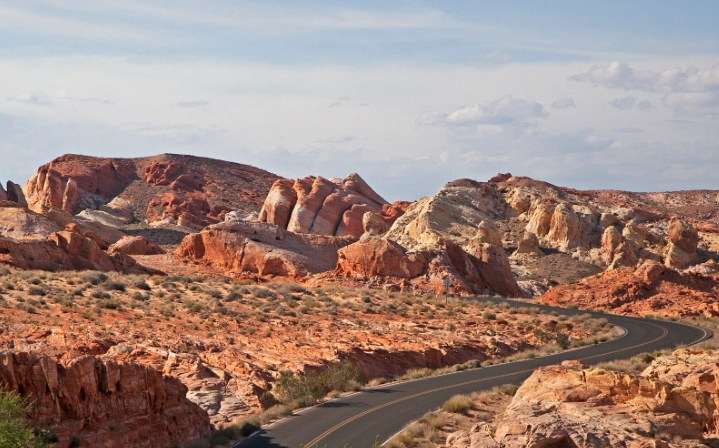
The Takeaway: Is Fire Canyon Worth It?
Look, not every famous spot lives up to the hype. Some are overcrowded, over-manicured, and feel more like a tourist conveyor belt than an adventure.
Fire Canyon isn't one of those.
It requires a bit more effort—a careful drive down a scenic road, a vigilant eye for the turn-off, and the willingness to sweat a little on a trail. But that effort is what filters out the crowds and gives you a more authentic slice of the Nevada desert. You trade convenience for connection.
Standing in the bottom of Fire Canyon, with those impossible walls curving around you, you feel the age and the silence. It's a raw, powerful landscape that doesn't need to be Instagrammed to be validated. It just is. And that, to me, is the mark of a truly special place. The Fire Canyon Valley of Fire experience stays with you, long after the red dust has been washed from your shoes.
Comments