Quick Guide
That question pops into your head when you first see pictures of that endless, flat white expanse. It looks like another planet, and the idea of just... driving on it is incredibly tempting. I get it. I had the same thought before my first trip out there. The short, messy answer is yes, but it's not a simple yes. It's a "yes, if..." followed by a long list of caveats, rules, and serious preparations. This isn't your local dirt road.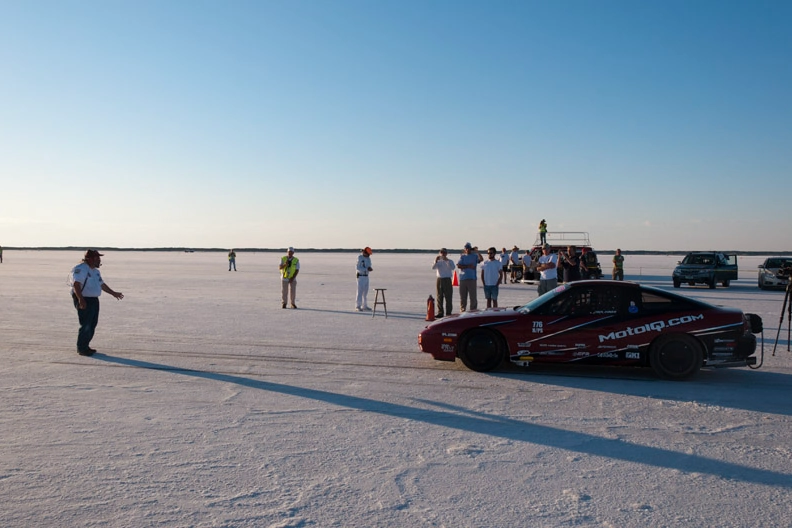
Driving on the Great Salt Lake Desert, particularly the famous Bonneville Salt Flats, is a unique privilege that comes with massive responsibility. You can't just point your car off I-80 and go nuts. Some areas are completely off-limits to protect the fragile environment. Others are accessible but require specific knowledge. And some, like the iconic salt flats themselves, have very specific access points and rules managed by the Bureau of Land Management (BLM).
Let's cut through the noise and get you the real, usable information.
Where Exactly Can You Drive? Breaking Down the Zones
The term "Great Salt Lake Desert" covers a huge area in western Utah. It's not one uniform place you can treat the same way. Think of it in zones, each with its own personality and rules.
The Bonneville Salt Flats: The Famous One
This is what most people picture. The hard, white salt crust that stretches to the horizon. This is where land speed records are set. Can you drive on the Great Salt Lake Desert here at Bonneville? Absolutely, but only from the designated access points. The primary one is off Interstate 80 at the Bonneville Speedway exit. There's a clearly marked road that leads onto the flats.
Key Point: The BLM manages this area. Driving is generally permitted on the salt surface itself, but you must stay on established tracks when crossing the delicate perimeter areas to reach the hard salt. Tearing up the fragile crust at the edges is a big no-no and can get you fined.
The condition of the salt is everything. It's not always a perfect, dry, hard surface. If it's rained recently, the salt can become a soft, briny mud that will swallow your vehicle whole. I've seen trucks buried up to their axles. Always, always check conditions before you go. A call to the local BLM office or checking forums can save you a world of trouble.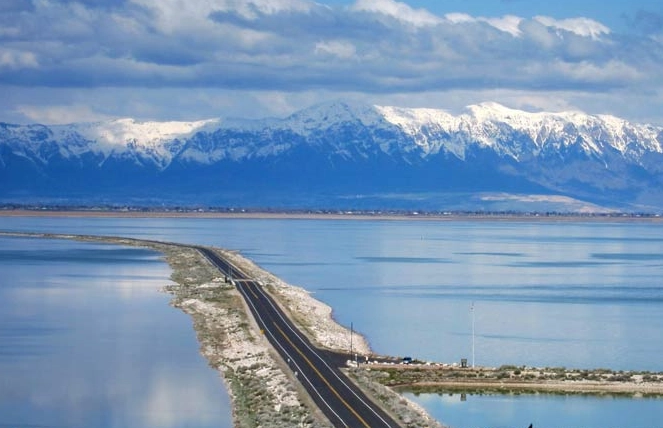
The Silver Island Mountains & Surrounding Playas
This area, northwest of the Flats, offers a different kind of desert driving. Here you'll find hard-packed dirt and clay playas (dry lake beds) surrounded by rugged mountains. It's stunning. Many of these areas are also on BLM land and are open to dispersed camping and responsible off-highway vehicle (OHV) use.
But "responsible" is the key. You need to stay on existing trails. Creating new ruts scars the landscape for decades. The soil here is cryptobiotic—a living crust of organisms that prevents erosion. Driving over it kills it. It's not just about rules; it's about not being "that person" who wrecks the place for everyone else.
Restricted and Protected Areas
Here's the critical flip side. Large portions of the Great Salt Lake Desert are not open to random driving.
- Wildlife Management Areas: Places like the Fish Springs National Wildlife Refuge are closed to vehicular traffic to protect migratory birds and other sensitive species.
- Private Property: A lot of land is privately owned, often by mining companies or ranches. Fences and "No Trespassing" signs mean exactly that.
- Areas of Critical Environmental Concern (ACEC): The BLM can designate these to protect fragile resources. Driving off-route in an ACEC is illegal.
Ignoring these boundaries isn't just rude; it's illegal and can carry heavy fines.
Your Vehicle: Is It Really Ready?
This is where most daydreams meet reality. Your average sedan or minivan is a terrible idea. Can you drive on the Great Salt Lake Desert in a Honda Civic? Technically, on the hard salt from the main access road, maybe. Should you? Absolutely not. One patch of soft stuff and you're stuck, miles from help.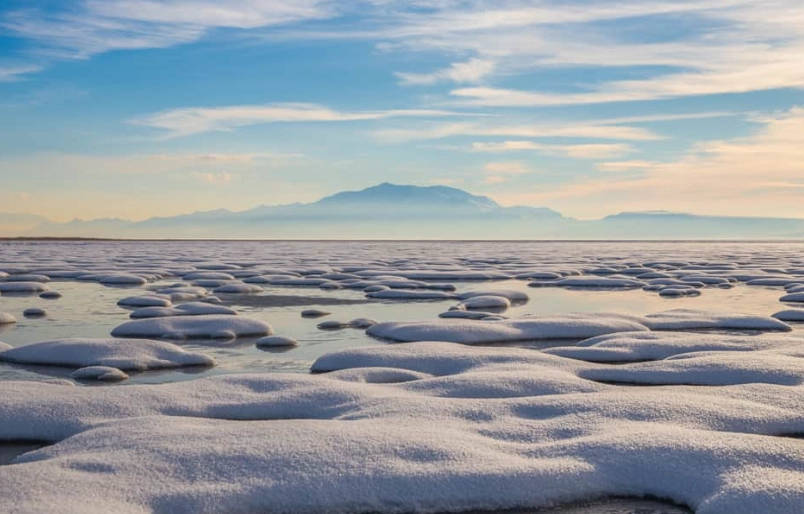
You need a vehicle with high clearance and, ideally, 4WD or AWD. But it's more than that.
The Salt Corrosion Warning: This is the thing nobody talks about enough. The salt is brutal on metal. It's highly corrosive. After driving on the wet or damp salt, that brine gets into every nook and cranny of your undercarriage, brakes, and drivetrain.
I learned this the hard way. After a fantastic day on the flats, I thought a regular car wash would suffice. It didn't. A few months later, I was dealing with premature brake rotor rust and seized bolts. It was a costly lesson.
Post-Trip Vehicle Wash is NON-NEGOTIABLE. You need to thoroughly wash the undercarriage, wheel wells, and engine bay as soon as possible. I mean a dedicated, high-pressure undercarriage wash. Many towns near the desert have car washes specifically for this purpose. It's worth every penny.
| Vehicle Type | Suitability for Salt Flats | Key Considerations |
|---|---|---|
| Stock 4x4 SUV/Truck (e.g., Jeep Wrangler, Toyota 4Runner) | Excellent | High clearance, 4WD for safety. Still needs thorough wash. |
| AWD Crossover (e.g., Subaru Outback) | Conditional | Okay on confirmed hard, dry salt only. Low clearance risks damage. Very cautious approach needed. |
| Standard Sedan/FWD Car | Not Recommended | High risk of getting stuck. Low clearance can lead to salt/sand damage. Potential for stranding. |
| Dedicated Off-Road Modified Vehicle | Best | Built for it. Still must respect surface conditions and environmental rules. |
What to Know Before You Go: The Unsexy Checklist
Forget the Instagram glamour shot. A successful trip is about boring preparation. Here’s what you really need to think about.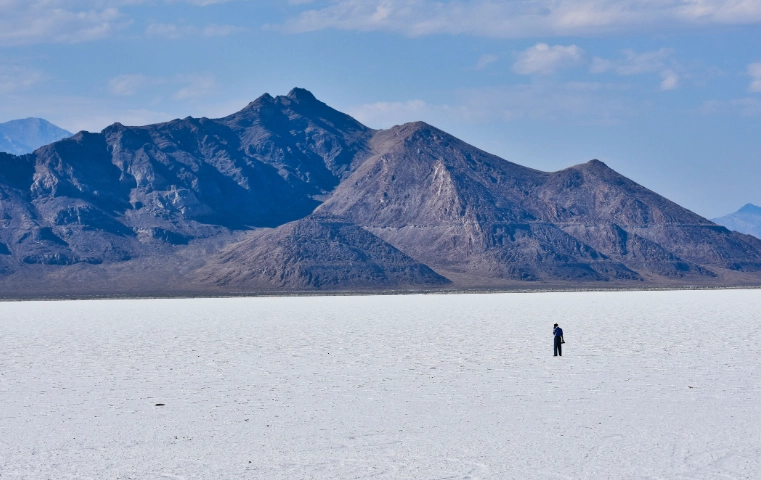
Navigation & Communication
Cell service is a joke out there. It's nonexistent on most of the flats and spotty at best in the surrounding desert. Relying on Google Maps alone is a recipe for disaster.
- GPS Device: A dedicated GPS unit (like a Garmin inReach or similar) with downloaded offline maps of the area is essential.
- Paper Maps: Yes, paper. A physical BLM or USGS map of the area is your ultimate backup. I always have one folded in my glove box.
- Tell Someone: Always give a detailed trip plan—where you're going, which access point you're using, and when you expect to return—to someone who isn't on the trip.
Safety & Survival Gear
This isn't being paranoid; it's being smart. The desert is brutally hot in summer and freezing in winter. If you get stuck, you're on your own for a while.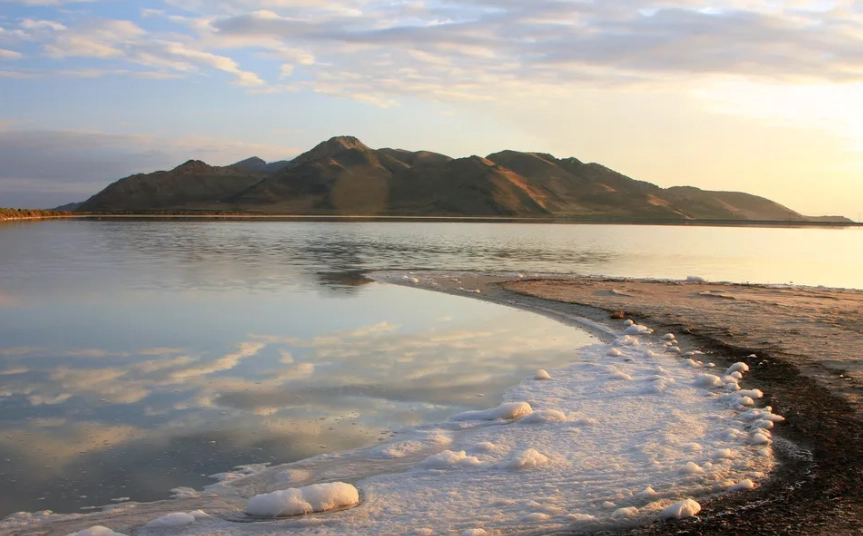
My Go-To Desert Kit: Besides the usual off-road recovery gear (traction boards, shovel, tow strap), I always carry at least 5 gallons of extra water per person (more in summer), non-perishable food, a comprehensive first-aid kit, sun protection (hat, sunscreen, long sleeves), warm layers regardless of season, and a reliable flashlight/headlamp with extra batteries.
Also, a portable jump starter/power bank has saved me and others more than once. Batteries don't like extreme heat or cold.
Checking Conditions
This is the single most important step before your tires ever touch the desert. Can you drive on the Great Salt Lake Desert today? The answer changes with the weather.
- Recent Rain: If it's rained in the last week, assume the salt flats are a soft, wet mess. Wait for it to dry and crust over. The surrounding dirt roads can become impassable clay.
- Wind: High winds can create dust storms that reduce visibility to zero. Not safe for driving or being outside.
- Event Closures: The Bonneville Salt Flats are sometimes closed for speed trials or filming. Check the BLM's Bonneville Salt Flats page for alerts.
The Rules of Engagement: How to Drive Out There
Okay, you've got the right rig, the gear, and the green light on conditions. Now, how do you actually drive on it?
On the hard salt, it's eerily smooth. You can go fast, but you shouldn't just hammer the throttle. The surface can have almost invisible dips, cracks, or variations in hardness. Hitting a soft spot at high speed can cause you to lose control. Start slow, test the surface, and gradually increase speed while staying alert.
Never, ever drive on the salt if your tires are leaving a dark, wet-looking track. That means the crust is broken and you're digging in. Turn around immediately on your own tracks.
In the surrounding desert, stick to established roads and trails. This is called "Traveling on Designated Routes," and it's a core principle of Tread Lightly!, an organization every off-roader should know. It protects the landscape and keeps you legal.
Speed isn't the point. The experience is.
Answering Your Burning Questions (The FAQ)
Let's tackle the specific stuff people search for.
Is it legal to drive on the Bonneville Salt Flats?
Yes, it is legal to drive on the Bonneville Salt Flats from the designated access roads, following BLM rules. It's public land managed for multiple uses, including recreation. However, legality depends on you staying on the open areas and not damaging the resource. Always verify there are no temporary closures in effect.
What's the best time of year to drive on the Great Salt Lake Desert?
Late spring (May-June) and early fall (September-October) are generally ideal. Summer is scorching hot (100°F+), which increases the risk of vehicle overheating and dehydration. Winter can be cold and windy, and the salt may be covered in water or too soft. The surface is most reliably hard and dry in the late summer and fall, but always check.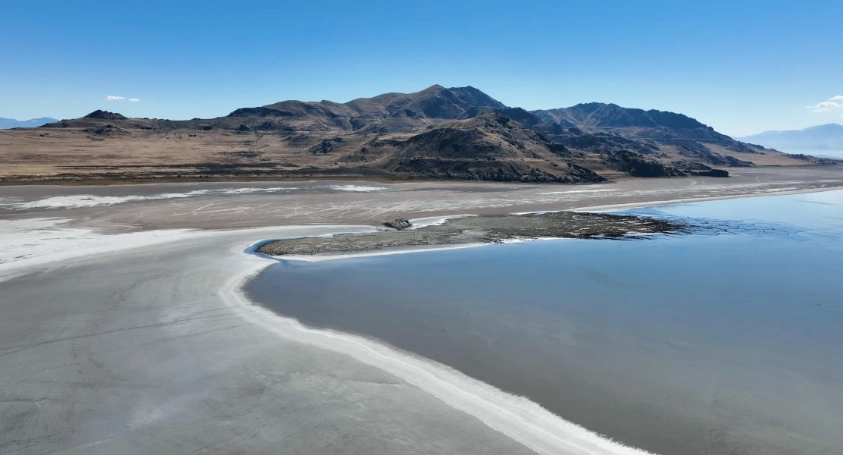
Do I need a permit?
For general recreational driving on the BLM-managed portions of the salt flats and surrounding desert, you typically do not need a special permit. However, for organized events, commercial filming, or any activity with structures, you absolutely do. When in doubt, contact the BLM Salt Lake Field Office.
Can I camp out there?
Dispersed camping (i.e., not in a developed campground) is allowed on most BLM land in the area for up to 14 days. This includes areas around the Silver Island Mountains. You cannot camp directly on the Bonneville Salt Flats themselves. Practice Leave No Trace principles: pack out ALL trash, including human waste bags if there are no facilities.
What happens if I get stuck?
First, don't panic. If you're on the salt flats and start to sink, stop immediately. Do not spin your wheels—you'll just dig deeper. Use your traction boards or floor mats under the drive wheels. Try to reverse out slowly. If that fails, it's time to call for help. This is where a satellite communicator (like Garmin inReach or SPOT) is worth ten times its weight in gold. Without one, you may have to wait for another traveler, which could be hours or days. This is why never going alone is the golden rule.
The Ethical Part (This Matters)
Look, the reason we can still ask "can you drive on the Great Salt Lake Desert" is because it's survived. It's fragile. The Bonneville Salt Flats have actually been shrinking due to groundwater extraction and other factors. The BLM and partners are actively working on restoration projects.
When we drive out there, we're guests. Tearing doughnuts, leaving trash, driving off-route in sensitive areas—it all adds up. It can lead to more restrictions or permanent closures for everyone. I've seen too many beautiful places get loved to death.
Be the responsible visitor. Follow the rules, not just because they're rules, but because they're there to keep this place wild and open for the next person who wonders if they can drive on the Great Salt Lake Desert.
So, can you? Yes. With the right preparation, the right vehicle, the right mindset, and a heap of respect for the landscape, it can be an absolutely unforgettable adventure. Just know what you're getting into. The desert doesn't care about your plans.
Do your homework, pack smart, and you'll have a story to tell for years.
Comments