Let's be honest. When most people think of the American Southwest desert, they picture a flat, boring, and frankly, kinda hostile expanse of nothing. A place you drive through with the AC cranked up, hoping your car doesn't overheat. I used to think that too. Then I spent a summer working near Moab and my entire perspective flipped upside down.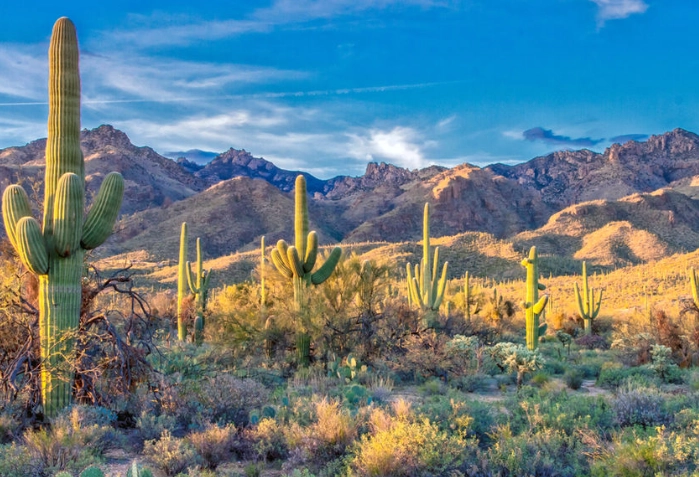
This isn't just one desert. It's a collection of them—the Mojave, the Sonoran, the Chihuahuan, and the Colorado Plateau—each with its own personality, its own secrets, and its own way of demanding your respect. The scale here messes with your head. What looks like a 30-minute walk turns into a two-hour hike. A rock that seems dull from a distance glows with a million colors up close. Planning a trip here isn't just about picking a park; it's about understanding a rhythm, a set of rules written in sun and stone.
So, if you're feeling that pull to see those red rocks, those towering cacti, those star-drenched skies, stick around. This isn't a fluffy list of Instagram spots. We're going to get into the gritty, practical, and absolutely awe-inspiring details of exploring the American Southwest desert. From not dying of thirst to finding the quietest canyon, consider this your down-to-earth guide.
More Than Just Sand: Understanding the Southwest's Desert Worlds
First things first. Calling it "the desert" is like calling Europe "the country." It's a big miss. The region is a mosaic. You've got the iconic, Joshua tree-dotted Mojave Desert, home to Death Valley (the hottest place on Earth, no big deal). Then there's the Sonoran Desert, famous for the massive saguaro cacti that look like they're waving at you. The Chihuahuan Desert is often overlooked but has its own rugged, grassy charm. And then there's the Colorado Plateau—not a desert by strict definition, but a high-altitude, sandstone-sculpted wonderland that includes places like the Grand Canyon and Arches. It feels every bit as arid and dramatic as its neighbors.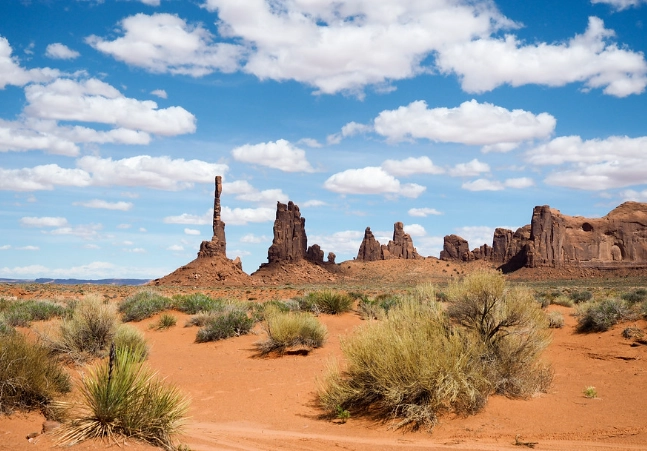
Why does this matter? Because your experience changes drastically depending on where you go. The Sonoran has two distinct rainy seasons, while the Mojave is brutally dry. The Colorado Plateau can give you snow in April while the lower Sonoran is pleasantly warm. Picking your spot means matching it to the experience you want and the season you're traveling in.
Quick Personality Check: Love giant cacti and relatively mild winters? Sonoran. Want to feel the extreme, test your limits in surreal landscapes? Mojave/Death Valley. Dream of hiking through otherworldly red rock arches and deep canyons? Colorado Plateau is your jam. Prefer fewer crowds and a sense of raw, undiscovered space? Look into the Chihuahuan.
I made the mistake once of packing for a "desert trip" in early spring, assuming everywhere was warm. I ended up shivering in a thin jacket at Bryce Canyon (on the Colorado Plateau) at 8,000 feet, while my friends in Phoenix (Sonoran) were in t-shirts. Lesson learned the hard way.
Planning Your Desert Pilgrimage: Timing, Routes, and Real Talk
Okay, you're sold on the idea. Now, when do you go? This is the single most important decision you'll make.
Spring (March-May) and Fall (September-November) are the golden windows. The temperatures are human-friendly, wildflowers might be blooming (especially after a wet winter), and the light is perfect for photography. Summer? That's for the brave, the foolhardy, or the strictly dawn-and-dusk crowd. Hiking in the American Southwest desert in July is like walking into a giant hair dryer. It's not just uncomfortable; it's a legitimate health hazard. Winter can be fantastic in the lower deserts (Sonoran) but involves serious cold and snow at higher elevations (like the Grand Canyon's rim).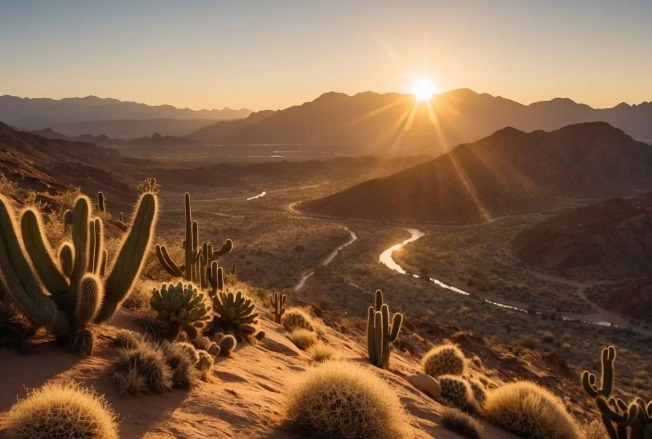
Now, about those famous parks. Yes, you should see them. They're famous for a reason. But the secret everyone knows but few act on is this: go early. I mean, sunrise early. Not only do you get the magic light, but you beat the crowds, the tour buses, and the worst of the heat. Rolling into Arches National Park at 10 AM in peak season is a recipe for sitting in a traffic jam of rental cars. Get there at 6 AM, and you might have Delicate Arch almost to yourself. It's a completely different experience.
A Painful Truth: The infrastructure in many of these parks hasn't kept up with the visitor boom. Parking is a competitive sport. Shuttles are mandatory in some places (like Zion). You need to check for timed entry permits (Arches, Glacier Point in Yosemite, etc.). Don't just show up. Check the official National Park Service (NPS) website for your specific destination months in advance. I learned this after being turned away at Rocky Mountain National Park once.
My personal preference? I love stitching together a road trip that mixes one or two major parks with a heap of Bureau of Land Management (BLM) land and state parks. Places like Valley of Fire State Park in Nevada or Monument Valley Navajo Tribal Park (which requires a guide for most areas, but it's worth it) offer staggering beauty with a fraction of the people.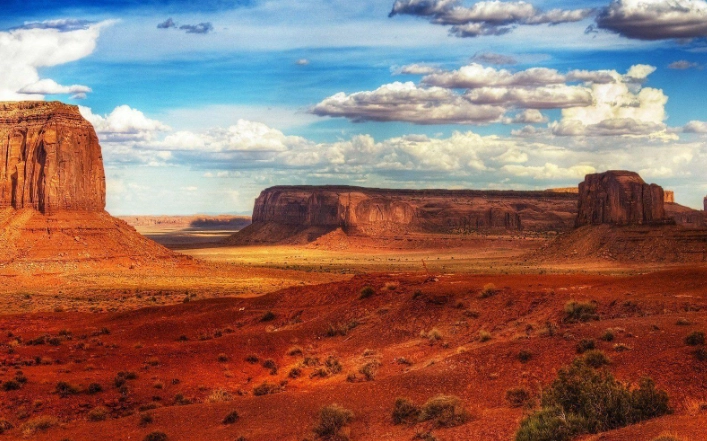
Must-See Icons & Under-the-Radar Gems
Let's break this down. You can't talk about the American Southwest desert without mentioning these heavy hitters. But let's look at what makes each special, and what to watch out for.
| Destination | Desert Region | The Core Experience | The Catch / Insider Tip |
|---|---|---|---|
| Grand Canyon National Park | Colorado Plateau | Overwhelming scale & geology. Hiking into the canyon is transformative. | The South Rim is accessible but crowded. The North Rim is higher, cooler, quieter, but closed in winter. A rim-to-rim hike is a major bucket-list item. |
| Arches & Canyonlands NPs | Colorado Plateau | Concentration of natural stone arches & vast, layered canyon wilderness. | Moab is the base camp & gets packed. For Arches, you NEED a timed entry ticket April-Oct. For solitude, head to the Needles district of Canyonlands. |
| Zion National Park | Colorado Plateau / Mojave Edge | Sheer sandstone cliffs, narrow slot canyons (The Narrows), iconic hikes. | You cannot drive the scenic canyon road spring-fall; mandatory shuttle. Angels Landing now requires a permit. It's intensely popular. |
| Joshua Tree National Park | Mojave & Sonoran | Surreal boulder piles & the namesake Joshua Trees. A rock climber's paradise. | Two deserts in one park! The western (Mojave) side has the trees. The eastern (Sonoran) is lower, hotter, with cholla cactus. Campgrounds book out instantly. |
| Saguaro National Park | Sonoran | Forests of the iconic giant saguaro cactus, symbol of the American West. | Split into East & West units near Tucson. Go at sunset for the best silhouettes. The west unit has a denser "forest" feel. |
| White Sands National Park | Chihuahuan | Gypsum dune field that looks like endless snow. Eerie, beautiful, great for sledding. | Check for missile testing closures (it's adjacent to a military base). Go late in the day for cooler sand and long shadows. Full moon nights are magical. |
But here's where the real magic happens for me—the places you find by asking a ranger or taking a random dirt road. Think Kasha-Katuwe Tent Rocks in New Mexico (slot canyons and cone-shaped tents of rock), the Alvord Desert playa in Oregon (for that total isolation feeling), or the countless unnamed slot canyons on BLM land in Grand Staircase-Escalante. These places hold the silence and the mystery that the big parks sometimes lose.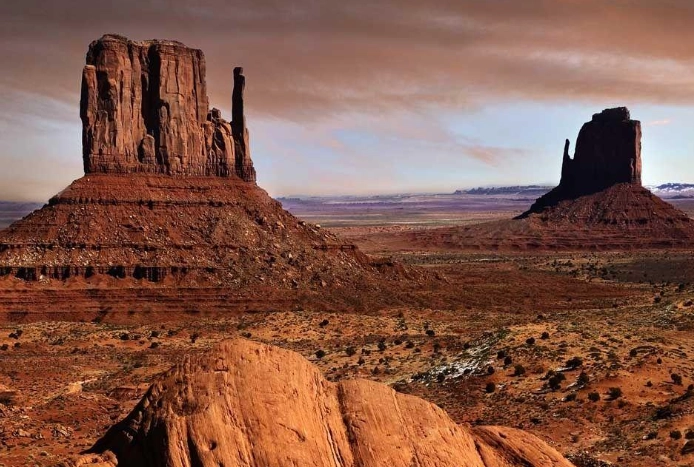
Staying Alive and Sane: Desert Survival 101
This is the non-negotiable part. The beauty of the American Southwest desert is matched by its indifference to you. It will not care if you get lost or run out of water. So you have to care. A lot.
Water. The rule of thumb is one gallon (4 liters) per person, per day, for drinking only. If you're hiking, double that. I'm serious. On a 5-mile hike in 90-degree heat, I once went through 3 liters myself. Dehydration sneaks up on you, and by the time you feel thirsty, you're already behind. Headaches, dizziness, confusion—it happens fast. Carry more than you think you need, and leave some in the car for when you get back.
Heat. It's a dry heat, they say. So is your oven. Heatstroke is a real, life-threatening emergency. Hike in the early morning. Be off the trail by noon. If you must be out, seek shade, wear a wide-brimmed hat, and cover up with light, loose-fitting clothing. Sunscreen is a must, but clothing is better. Your car is not a refuge if the AC fails. Temperatures inside can become lethal in minutes.
Pro-Tip from a Hard Lesson: Electrolytes matter. Chugging plain water all day can dilute your body's salts. Bring electrolyte tablets or powder to mix in, or snack on salty foods. That cramp in your calf at mile 3? It might not just be fatigue.
Navigation. Cell service is a myth in most of these areas. Download offline maps on Google Maps or, better yet, use a dedicated app like Gaia GPS or OnX Backcountry with pre-downloaded topo maps. And for heaven's sake, carry a physical map and compass and know how to use them. Tell someone your exact plan and when you expect to be back.
Wildlife. It's more scared of you. But give it space. Rattlesnakes are common; watch where you step and put your hands. Scorpions glow under UV light—a fun trick for kids at a safe campsite. Mountain lions are rare but present; don't hike alone at dawn/dusk. The biggest daily nuisance? The tiny, mighty gnat in some canyon areas. A head net can be a sanity-saver.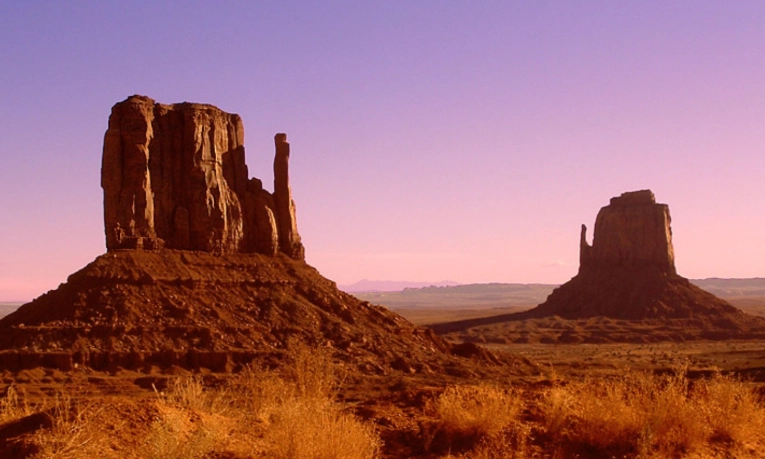
The Ultimate Desert Day-Hike Packing List
Forget the fancy stuff. This is what you actually need in your daypack every single time you step away from the car, even for a "short" walk.
- Water: At least 3 liters, in durable bottles or a hydration bladder.
- Electrolyte Supplement: Tablets, powder, or sports drink.
- High-Energy Snacks: Nuts, jerky, energy bars, fruit.
- Sun Protection: Wide-brimmed hat, sunglasses, SPF 50+ sunscreen, sun-protective shirt.
- Navigation: Phone with offline maps + a portable battery pack, physical map, compass.
- Illumination: Headlamp with extra batteries (you never plan to be out after dark... until you are).
- First-Aid Kit: Basics plus moleskin for blisters.
- Multi-tool or Knife: Just useful.
- Emergency Shelter: A lightweight space blanket or emergency bivy.
- Fire Starter: Lighter, waterproof matches.
- Extra Layer: A light fleece or puffy. Deserts get cold fast when the sun drops.
It seems like a lot. It is. But I've used every single item on that list in unexpected situations over the years, except the fire starter (thankfully).
Beyond the Hike: Culture, Stars, and Responsible Travel
The story of the American Southwest desert isn't just in the rocks; it's in the people who have lived here for millennia. This is the homeland of numerous Native American tribes and nations—the Navajo, Hopi, Apache, Pueblo peoples, and many more. Their history is woven into the land. Visiting places like Mesa Verde National Park (ancestral Puebloan cliff dwellings) or taking a guided tour with a Navajo guide in Monument Valley isn't just a tourist activity; it's a chance to hear the stories from the people whose stories they are. It adds a profound layer of meaning to the landscape.
Then there's the night. If you've never seen a true dark sky, you're in for a treat. Light pollution is minimal in vast stretches of the Southwest. The Milky Way isn't a faint smear; it's a bright, detailed river of stars arching overhead. Parks like Big Bend, Great Basin, and even Natural Bridges National Monument (a certified International Dark Sky Park) offer some of the best stargazing on the continent. Lay on a blanket, let your eyes adjust for 20 minutes, and prepare to feel very, very small in the best possible way.
My Favorite Memory: Sitting on a rock in Canyonlands, miles from any town light, watching a meteor shower. The silence was so complete I could hear my own heartbeat. It was humbling. It’s these moments that make all the planning and driving worth it.
Which brings me to a crucial point: leave no trace. This is fragile land. Cryptobiotic soil—that black, crusty stuff on the ground—is a living ecosystem that prevents erosion. It takes decades to grow. Stay on designated trails. Don't stack rocks (cairns are for navigation, not art). Pack out every scrap of trash, including toilet paper. The goal is to leave it so the next person can have the same sense of discovery you did. The Bureau of Land Management (BLM) and U.S. Geological Survey (USGS) have great resources on desert ecology and responsible recreation.
Answering Your Burning Desert Questions
What's the best time of year for a first-time visitor?
Late April/early May or late September/October. You avoid the extreme summer heat and the winter cold snaps at higher elevations. The weather is generally stable and pleasant.
Can I just camp anywhere in the desert?
On most BLM land and in National Forests, yes, you often can for free (dispersed camping), provided you're away from developed areas, roads, and water sources. You MUST check the specific rules for the area you're in. In National Parks, you must use designated campgrounds. Always practice Leave No Trace principles.
Are the roads passable in a regular car?
Main highways and paved roads to park entrances are fine. But many of the coolest backcountry sites require high-clearance, and often 4WD. A sedan will limit you severely. If you're sticking to main parks, you're okay. If you see "rough road" on a map, believe it. I've seen sedans stranded on roads they never should have tried.
Is it safe for solo travelers?
Generally, yes. Take all the standard precautions (share your itinerary, check in regularly). The main added risk is the environment itself—getting hurt with no one around. For that reason, I'd recommend sticking to more popular trails if you're solo and always, always carrying the ten essentials listed above.
How do I deal with the crowds at popular parks?
Go early. Go late. Visit in the shoulder seasons (spring/fall). Explore the less famous sections of the park (e.g., the North Rim of the Grand Canyon, the Needles in Canyonlands). Or, skip the biggest names altogether and explore the wealth of state parks and BLM land. The solitude you find there is unparalleled.
The American Southwest desert isn't a destination you check off a list. It's a feeling. It's the dry air on your skin, the vast silence that makes your own thoughts loud, the shocking green of a cottonwood tree in a red rock canyon. It rewards preparation and punishes carelessness. It demands respect and gives back wonder in equal measure.
So pack your water, download your maps, and go get lost in the best way possible.
Just make sure you know how to get back.
Reader Comments