Quick Navigation
- Why Does Independence Pass Close Every Year? It's Not Just Snow
- The Independence Pass Closure Schedule: It's All About the Weather
- Navigating the Detour: Your Options When the Pass is Closed
- What Can You Actually Do Around Independence Pass When It's Closed?
- Frequently Asked Questions About the Independence Pass Closure
- Planning Your Trip: Before, During, and After the Closure
- Final Thoughts: Working With the Rhythm of the Mountains
So you're planning a trip to the Colorado Rockies, maybe to Aspen or Leadville, and you keep hearing about this thing called the "Independence Pass closure." It sounds official, maybe a little inconvenient. What is it, really? And more importantly, how does it mess with your plans?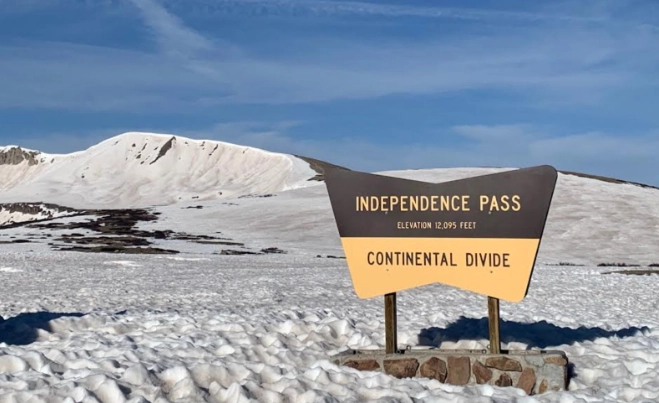
Let's cut through the noise. I've driven that pass more times than I can count, in sun, rain, and the first scary dustings of snow. The closure isn't some random bureaucratic decision—it's a necessary reset for one of the most stunning and precarious roads in the country. This guide isn't just a list of dates. It's the real talk on what the closure means for you, how to get around it, and honestly, why it might even improve your trip if you know how to work with it.
Why Does Independence Pass Close Every Year? It's Not Just Snow
Everyone blames the snow. And yeah, that's the big one. But the decision to close Independence Pass is more nuanced than just waiting for the first flake to fall. At 12,095 feet, it's one of the highest paved passes in North America. The weather up there operates on its own brutal logic.
The Core Reason: Safety, pure and simple. The narrow, winding road with its sheer drop-offs and lack of guardrails in sections becomes a high-risk zone when ice, snow, and low visibility roll in. Maintenance crews simply cannot keep up with the ferocious snowfall and avalanche danger through the winter months.
But there's another layer people forget: preservation. The closure gives the road itself a break. The freeze-thaw cycles are brutal on asphalt. Closing the pass prevents costly damage and allows for essential maintenance during the warmer months. It's a long-term play to keep the pass drivable for future summers.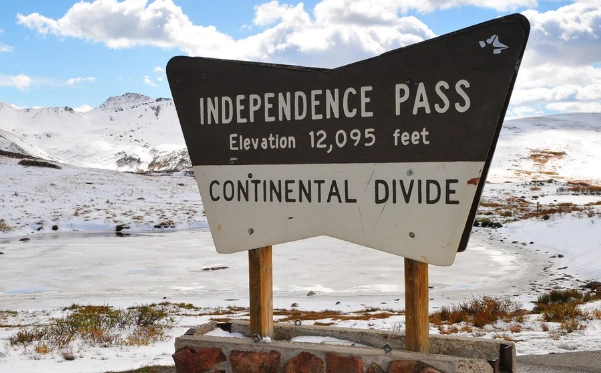
Who makes the call? It's a joint decision between the Colorado Department of Transportation (CDOT) and local county officials. They monitor weather models, avalanche forecasts from the U.S. Forest Service, and road conditions in real-time. There's no fixed temperature or snow depth that triggers it; it's a judgment call based on a mix of data and experience.
The Independence Pass Closure Schedule: It's All About the Weather
Here's the most common question: "When does it close and open?" I wish I could give you a firm calendar date, but I'd be lying. The schedule is fluid, orbiting around two key periods.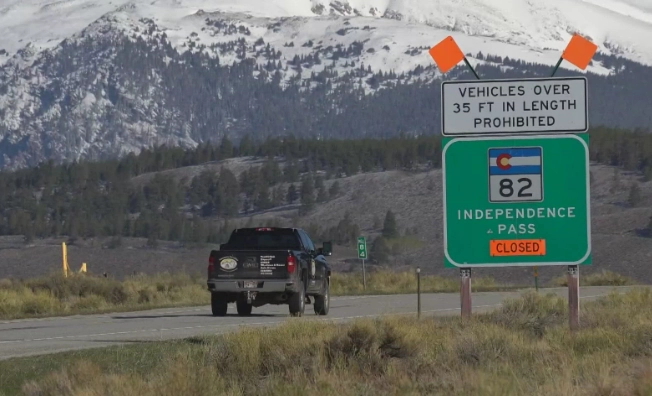
The Fall Closure: Typically happens in early to mid-November. The trigger is the first major, sustained snowstorm that looks like it's here to stay. Crews will often do a "soft close," shutting gates at night first, before moving to a full-time closure.
The Spring Reopening: Aimed for Memorial Day weekend (late May). This is the target, but heavy snow years can push it into June. Reopening is a huge operation involving plowing, avalanche control work, and repairing any winter damage.
You absolutely cannot rely on the previous year's dates. A mild fall might see the pass open until Thanksgiving. A brutal spring like 2023 (which dumped record snow) can delay reopening for weeks. The only way to know for sure is to check the official sources right before your trip.
- COtrip.org: Colorado's official travel site. Their map and road conditions are the gold standard.
- CDOT Social Media: Their Twitter (or X) and Facebook accounts for the Northwest Colorado region give timely alerts.
- Local News: Aspen Daily News, The Denver Post's travel section. They have reporters on the ground.
Navigating the Detour: Your Options When the Pass is Closed
Alright, the dreaded closure is in effect. Your direct, scenic 20-mile route between Aspen and Leadville is gone. Now what? You have a few detour options, each with its own pros, cons, and very different scenery.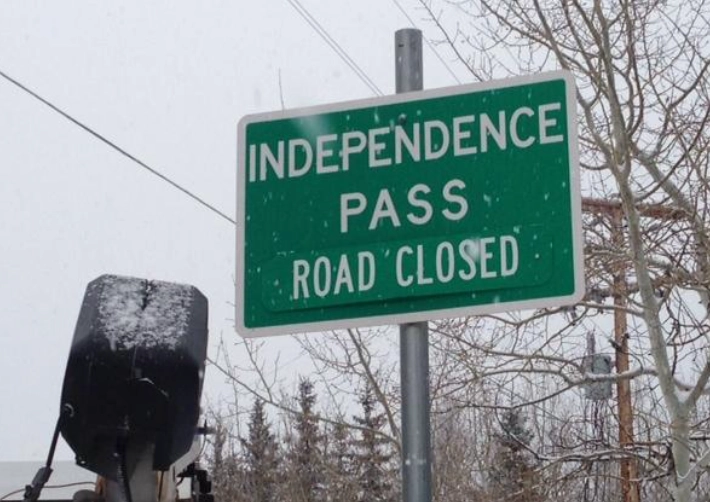
Let's be honest, none are as pretty as the pass itself. But they get the job done.
| Detour Route | Approx. Distance & Time (Aspen to Leadville) | What You Need to Know | Best For... |
|---|---|---|---|
| Via Glenwood Springs & I-70 (Northern Route) | ~150 miles, 3+ hours | This is the all-weather, major highway route. Takes you north to I-70, then south through Vail and Copper Mountain. Long but reliable, with plenty of services. | Travelers who prioritize safety, have RVs/trailers, or are nervous about mountain driving. |
| Via Buena Vista (Southern Route) | ~130 miles, 2.5+ hours | Head south from Aspen through the Roaring Fork Valley to Highway 50, then north to Leadville. Less interstate driving, more two-lane highways through canyons. | Those wanting a more scenic alternative to the interstate, with cool stops in Salida or Buena Vista. |
| The "Non-Detour": Change Your Plans | N/A | Sometimes the smartest move is to base yourself on one side of the pass. Explore Aspen and the Roaring Fork Valley, or commit to Leadville and the Arkansas River Valley. | Travelers with flexible schedules who want to avoid long drive days entirely. |
Detour Reality Check: Both major detours add significant time and fuel costs. That 45-minute trip over the pass becomes a half-day journey. In winter, even these lower-elevation routes can see snow and delays—always check COtrip.org before setting out. And don't underestimate mountain driving fatigue; those extra hours on winding roads are tiring.
My personal take? If I'm forced to detour, I lean toward the southern route via Buena Vista. The drive through the Arkansas River Valley is genuinely beautiful, and stopping for a pizza in Salida or a coffee in BV breaks up the trip nicely. The I-70 route feels too much like... well, just more interstate driving, which I get enough of.
What Can You Actually Do Around Independence Pass When It's Closed?
This is where most guides stop. They tell you the pass is closed and to take a detour. But what if you want to experience the area during the closure? You're in luck. The Independence Pass closure transforms the area from a thoroughfare into a pristine winter playground, but access changes completely.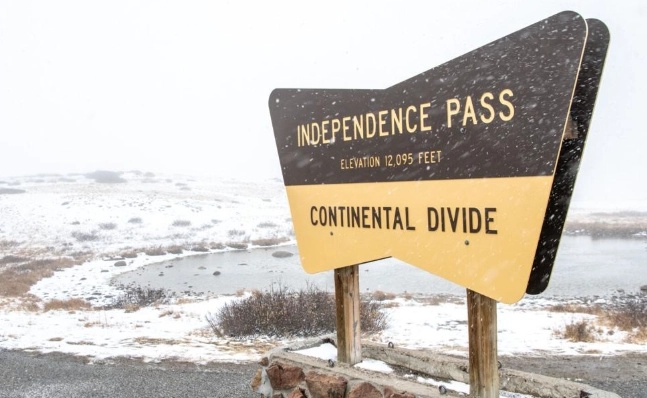
Winter Recreation Access Points
You can't drive over, but you can often drive to the closure gates and park. This is key. The east and west side gates become trailheads for a different kind of adventure.
- West Side (Aspen Side): The gate is usually near the Lost Man trailhead. From here, the road becomes a quiet, snow-covered path perfect for:
- Backcountry Skiing & Snowshoeing: The terrain is expert-level and avalanche-prone. Do not attempt without proper training, gear, and checking the CAIC avalanche forecast. I can't stress this enough. - Winter Photography: The solitude and snow-covered peaks are breathtaking. - East Side (Leadville/Twin Lakes Side): The gate is lower down, near the turn-off for the Interlaken trail. This area offers:
- Snowmobiling: On designated routes. Check with the Pike and San Isabel National Forests for rules and guided tours. - Gentler Snowshoeing: Around Twin Lakes, the terrain is less extreme.
Critical Safety Reminder: This is serious backcountry. Cell service is non-existent. Weather changes in minutes. Always tell someone your plan, carry the 10 essentials, and know your limits. The beauty is raw, and so are the risks.
Nearby Towns That Shine in the Off-Season
The Independence Pass closure actually makes the towns on either side feel cozier and more local.
Aspen becomes slightly less crowded (though still busy with ski traffic). You can enjoy the world-class skiing at the four mountains, but also explore the quieter trails around Ashcroft or the cozy restaurants without the summer rush.
On the east side, Leadville fully embraces its winter identity. It's more affordable, authentically gritty, and offers amazing access to cross-country skiing at the Tennessee Pass Nordic Center or winter hikes around Turquoise Lake. The sense of community here in the winter is palpable.
Frequently Asked Questions About the Independence Pass Closure
I get emails with these all the time. Let's tackle the big ones head-on.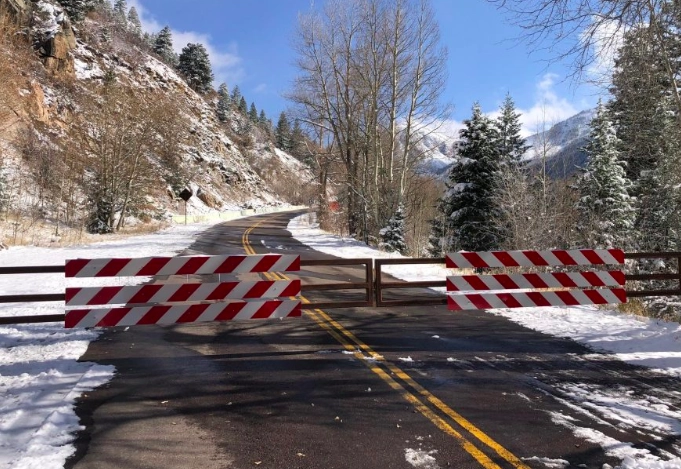
No. The gates are locked and often buried in snow. It is not maintained, patrolled, or safe for winter travel. Any attempt is illegal and extremely dangerous.
CDOT is very good about warning people. They'll often have crews at the top turning traffic around hours before the official closure. But if you ignore signs and get stuck, it's a major ordeal involving law enforcement and a hefty fine. Just don't.
Yes! This is a great way to get a visual. Search for "Independence Pass CDOT webcam." The camera at the summit gives you a real-time look at weather and snow. It's hypnotic to watch during a storm.
Large vehicles are restricted on the pass year-round due to the tight curves. The closure, of course, affects everyone. But even when open, check length restrictions (usually 35 feet) if you're in a big RV.
Extremely rare. Once the closure is in effect, it's for the season. The logistical cost of plowing, avalanche mitigation, and staffing for a short opening is prohibitive. Plan on the closure being final until spring.
Planning Your Trip: Before, During, and After the Closure
Let's get practical. How do you actually build a Colorado trip knowing the Independence Pass closure is a factor?
If You're Traveling in the Shoulder Seasons (Late Fall / Late Spring)
This is the tricky zone. You need a Plan A and a Plan B.
- Plan A: The pass is open. You take the stunning, direct route.
- Plan B: The pass is closed. You're mentally and logistically prepared for the longer detour. This means booking refundable accommodations or staying in a central location (like Glenwood Springs) that gives you options.
- Check conditions daily as your trip approaches. Things can change overnight.
If You're Traveling in Deep Winter (Dec - April)
The pass is definitely closed. Embrace it.
- Choose one side of the pass to explore deeply. Don't try to day-trip from Aspen to Leadville—it's not feasible.
- If you must see both sides, plan a transition day where you dedicate time to the detour drive. Make stops along the way to enjoy it.
- Factor in the extra driving time and winter road conditions on any mountain highway.
If You're Traveling in Summer (June - Early Oct)
The pass should be open, but always verify right before you go, especially in early June.
- This is prime time. Drive slowly, use pull-offs to let faster traffic pass, and stop at the overlooks. The views are worth every minute.
- Fill up your gas tank in either Aspen or Leadville before heading up. There are no services on the pass.
- Be mindful of afternoon thunderstorms. If you see dark clouds building, consider delaying your crossing.
Final Thoughts: Working With the Rhythm of the Mountains
The Independence Pass closure isn't an obstacle. It's a feature. It's the mountains reminding us of their seasonal power. For drivers, it requires a little more planning. For adventurers, it opens a door to a quieter, more challenging version of this landscape.
The key is to stop seeing it as a roadblock and start seeing it as information. That information helps you make smarter choices: when to visit, where to stay, how to route your trip. It forces you to slow down, to explore one area more deeply, or to appreciate the engineering and effort that goes into reopening that incredible ribbon of road each spring.
So check those official resources, pack your patience (and maybe your snowshoes), and let the pass tell you what kind of adventure you're going to have. You might just prefer the detour.
Comments