In This Guide
You've seen the pictures. Winding roads clinging to mountainsides, vistas that stretch forever, and that little voice in your head asking the big question: is Independence Pass dangerous? If you're planning a Colorado road trip, this isn't just idle curiosity. It's a crucial safety question. I've driven it more times than I can count, in everything from bright sunshine to sudden snow flurries that appear out of nowhere. Let me tell you, the answer isn't a simple yes or no. It's a "it depends," and what it depends on is almost entirely up to you, the driver.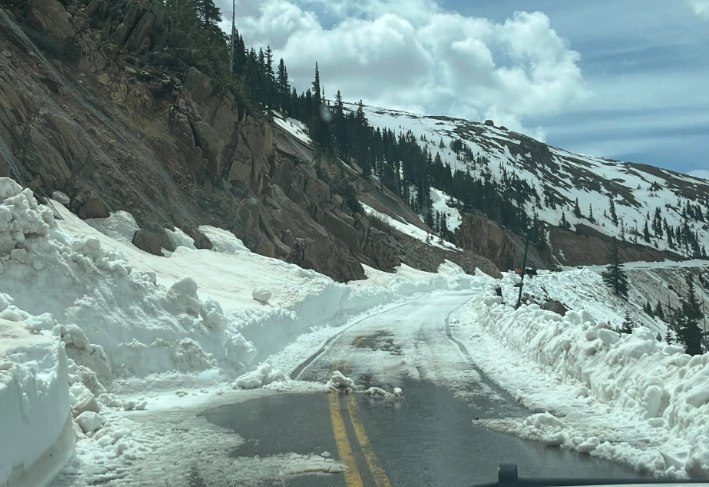
This guide won't sugarcoat anything. We're going to dig into what makes people ask if Independence Pass is dangerous, break down the real risks (and the overblown fears), and give you the kind of practical, no-nonsense advice you'd get from a local who knows every twist and turn. Think of it as your passenger-seat co-pilot for tackling Colorado State Highway 82 between Aspen and Twin Lakes.
What Exactly Makes People Ask "Is Independence Pass Dangerous?"
It's not paranoia. The reputation comes from specific, tangible factors that can catch unprepared drivers off guard. When you're searching for info on driving Independence Pass, you're likely picturing a few key scenes.
The Altitude and Weather: A Recipe for Surprises
Let's start with the obvious. You're driving above the tree line. The air is thin, and the weather has a personality disorder. I've left Aspen under a bluebird sky only to find myself in a cold, dense fog at the summit twenty minutes later. Summer afternoon thunderstorms are practically a daily ritual. The National Weather Service issues frequent advisories for high winds and sudden temperature drops here.
This isn't just about comfort. Rapid weather changes affect visibility and road conditions. Dry pavement can become slick with rain or, worse, black ice even in early fall. Your car might feel sluggish due to the thin air, especially if it's older or has a small engine. The question of whether Independence Pass is dangerous often hinges on whether you respect this meteorological wild card.
The Road Itself: Narrow Lanes and No Room for Error
This is the part that shows up in every viral photo. The road isn't just curvy; it's genuinely narrow in sections, with sheer drop-offs that have no guardrails. Why? Often, it's because of snowplow requirements and the extreme environment. Guardrails can get obliterated by avalanches.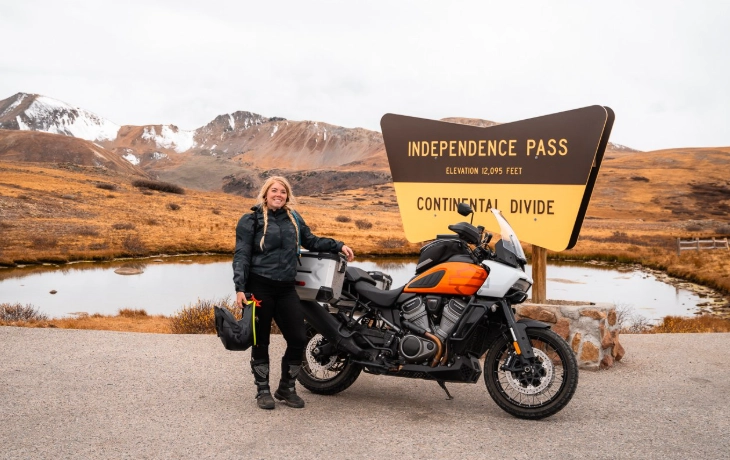
You'll encounter spots where two standard-sized vehicles need to slow to a crawl to pass each other. If you're in an RV over 35 feet long or towing a big trailer, forget it—they're prohibited for good reason. The eastern side from the summit down toward Twin Lakes is the tightest, most demanding section. You need to pay attention here, no staring at the postcard views.
And then there are the blind curves. You come around a bend, and suddenly there's an oncoming car or, in summer, a cyclist hugging the edge. It keeps you on your toes.
Driver Behavior: The Biggest Variable of All
Here's the uncomfortable truth. The road itself is a challenge, but the most common source of trouble is other people (and sometimes ourselves). I've seen it all: tourists stopping in the middle of the lane to take a photo, drivers going way too fast for the curves, people veering into the oncoming lane on a turn because they're scared of the edge.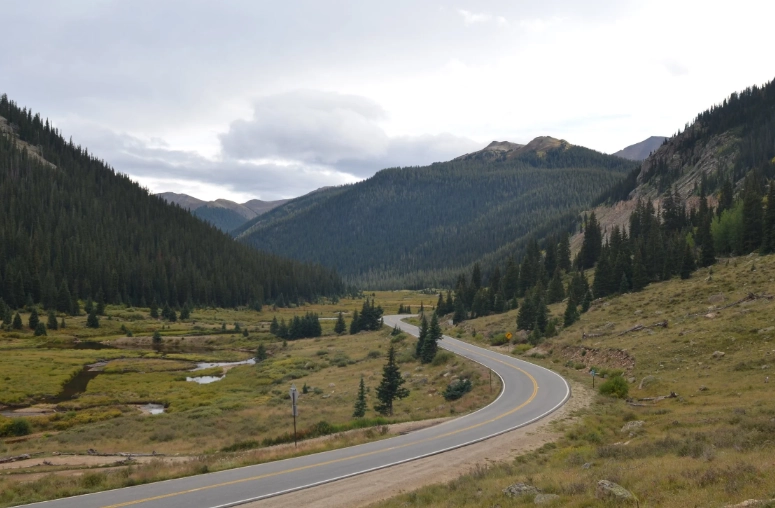
Overconfidence is just as bad as fear. Locals who drive it daily might take it faster, but they also know every inch. As a visitor, you don't have that muscle memory. Impatience leads to risky passing attempts. Distraction from the incredible views is a constant threat. When assessing if Independence Pass is dangerous, you have to honestly assess your own driving habits and tolerance for stress.
Seasonal and Timing Factors
The risk profile changes dramatically with the calendar.
- Opening Day (Late May/Early June): Snowmelt means water on the road, possible mudslides, and debris. Crews are still cleaning up.
- Peak Summer (July-August): The biggest crowds. More traffic means more chances for conflicts. Afternoon storms are a near-daily event.
- Fall (September-October): My favorite time. Fewer people, stunning colors. But now you face early morning ice and the possibility of an early-season snowstorm that can close the pass with little warning.
- Winter (Nov-May): The pass is closed. Don't even think about it. It's not just snowy; it's avalanche terrain.
Time of day matters, too. Starting your crossing early in the morning means fewer vehicles and usually calmer weather. Midday to late afternoon is peak tourist time and peak thunderstorm time.
Your Practical Safety Guide: How to Tame the Pass
Okay, enough about the problems. Let's talk solutions. This is how you shift the odds massively in your favor. It's not rocket science, just smart preparation.
Before You Go: The Non-Negotiable Checklist
Don't just jump in the car. A little prep makes all the difference.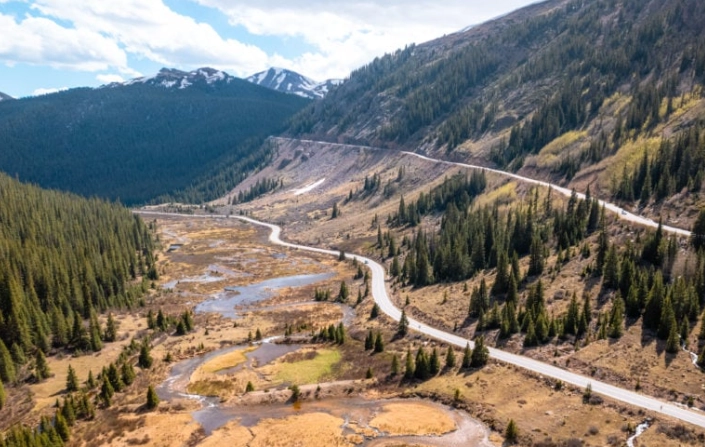
| Item / Check | Why It's Critical | Pro Tip |
|---|---|---|
| Check Road Status & Weather | Closures happen for construction, weather, or emergencies. Don't waste a trip. | Use the official Colorado Department of Transportation (CDOT) site or app. Check the forecast for both Aspen and Leadville. |
| Vehicle Health | Brakes, tires, and engine cooling systems are under stress on long mountain grades. | Check tire pressure (changes with altitude!) and tread. Ensure your brakes don't feel soft. Overheating is a common issue. |
| Fuel & Supplies | Gas stations are sparse. You'll use more fuel going uphill. | Fill up in Aspen or Buena Vista/Leadville. Have water, snacks, and a warm layer in the car even in summer. |
| Mental Prep | Know what to expect to reduce anxiety. | Look at the map. Understand the tight section is on the east side. Decide you will use pullouts to let faster traffic pass. |
On the Road: Driving Techniques That Work
This is where you put the prep into action.
Use the Pullouts: They are there for a reason. If you have more than two or three cars behind you, be courteous and use a turnout to let them pass. It reduces pressure on you and prevents dangerous passing maneuvers behind you. Seriously, just do it.
Control Your Speed: The speed limit is often 25 mph or less on the steep, curvy sections. That's not a suggestion. Going slower gives you more time to react. Use low gears ("L" or "2" on an automatic) on the downhill to save your brakes from fading. Smelling burning brakes is a bad sign.
Lane Position: Stay in your lane. It sounds obvious, but on tight left-hand curves with a drop-off, the instinct is to drift right. Fight it. Hug the center line (without crossing it). On right-hand curves, you can be closer to the mountain side.
Focus: The views are insane. Pull over safely in a designated area to enjoy them. Don't try to sightsee and drive simultaneously. Put the phone away—you won't have signal for chunks of it anyway.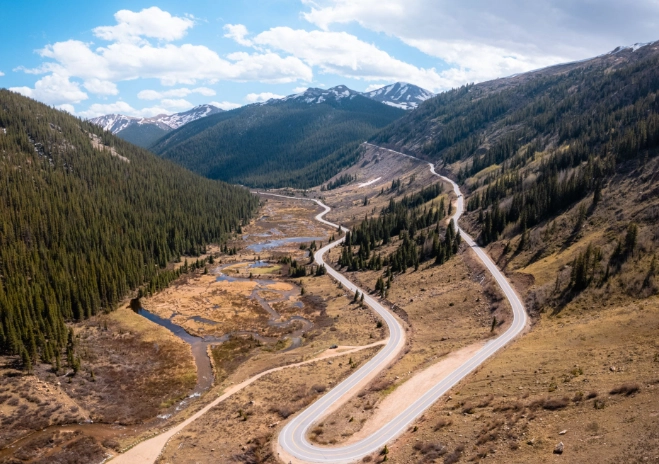
Dealing with Specific Challenges
Meeting Large Vehicles or RVs (in allowed sections): The rule of thumb is the vehicle going uphill has the right-of-way, as it's harder for them to stop and restart. But use common sense. If you're downhill and see a big truck coming, find the widest spot you can and slow to a stop early.
Cyclists: They have every right to be there, and it's a famous climb. Give them at least 3 feet of space when passing. Wait for a clear, straight section to go around.
Weather Turns Bad: If fog, rain, or snow hits, your priorities change immediately. Slow down further. Turn on your headlights (not just daytime running lights). If it gets severe, don't be heroic. Look for the next safe, wide pullout and wait it out. Summer storms often pass in 20-30 minutes.
Wildlife: You might see mountain goats, bighorn sheep, or deer. Slow down. Do not stop in the travel lane to look or take pictures. It's dangerous for you and blocks traffic.
What to Do in an Emergency
Hope for the best, plan for the worst.
- Breakdown: Get as far off the road as possible. Turn on hazard lights. If you have them, place warning triangles behind your vehicle. Cell service is patchy. You might need to wait for a patrol or flag down another motorist to call for help.
- Medical Issue (Altitude): Symptoms of altitude sickness include headache, dizziness, nausea. The best treatment is to descend. If you or a passenger feels unwell, the plan is simple: drive down the mountain to a lower elevation as soon as you safely can.
- Accident: If it's minor and vehicles are drivable, move to the next pullout to exchange information. If not, hazards on, stay in your vehicle if it's safe, and wait for help. Other drivers will likely report it.
Knowing the route name and your approximate mileage from either town (Aspen or Twin Lakes) is hugely helpful for emergency services. The White River National Forest service manages the land, and local county sheriffs handle law enforcement.
Straight Answers: Your Independence Pass FAQs
Let's tackle the specific questions people type into Google. This is the stuff you really want to know before you go.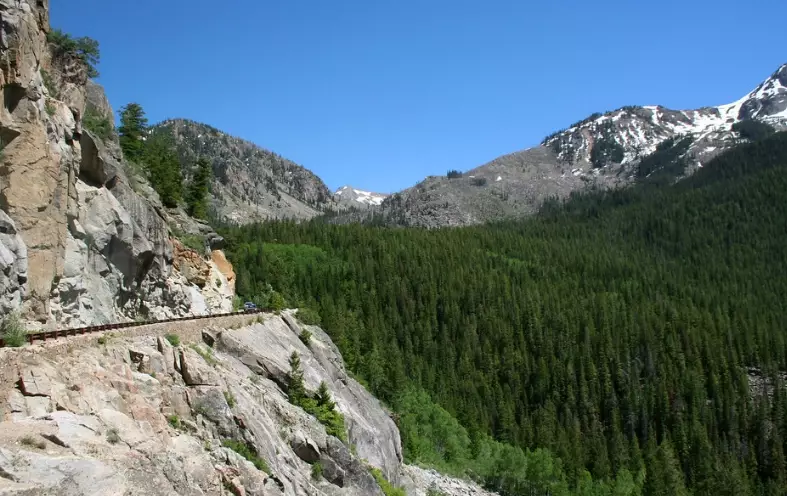
So, What's the Final Verdict? Is Independence Pass Dangerous?
Here's my honest take after all these years and trips. Independence Pass is an inherently risky road due to its geography, altitude, and design. It demands respect. Calling it "dangerous" in a general sense might scare people away unnecessarily. But calling it "perfectly safe" is a lie that could get someone in trouble.
The danger is not a constant, inevitable thing. It's a set of conditions and probabilities. You, the driver, have immense control over those probabilities. If you go in unprepared, in the wrong vehicle, in bad weather, driving beyond your skill or comfort level, then yes—Independence Pass can be very dangerous.
But if you prepare your vehicle, check conditions, drive attentively and conservatively, and respect the mountain environment, you transform the experience. It becomes a challenging, breathtaking, and ultimately rewarding drive that you'll remember for a lifetime. The key is shifting your mindset from passive passenger to active, prepared pilot.
That question, "Is Independence Pass dangerous?" fades away. It gets replaced by better questions: "Am I prepared?" "Is the weather okay?" "Should I pull over for a minute?" That's how you conquer not just this pass, but any challenging road.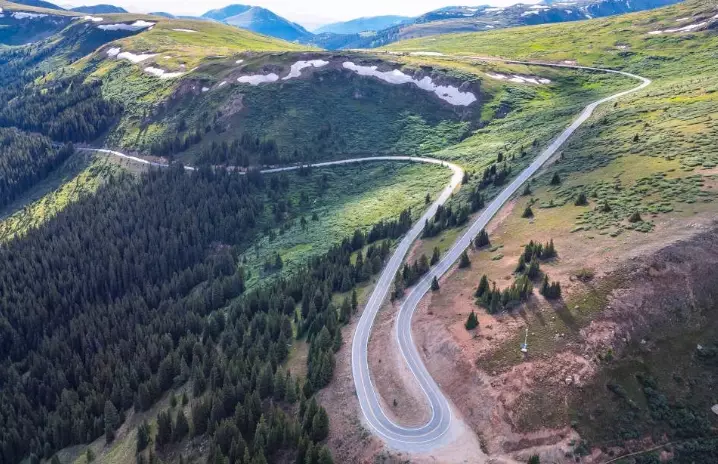
Go see it. Be smart about it. The view from the top is worth every careful mile.
Comments