Let's cut to the chase. The San Juan Mountains in southwestern Colorado aren't just another pretty range. They're a sprawling, geologically chaotic masterpiece of jagged peaks, alpine basins that look Photoshopped, and old mining towns with more character per square foot than anywhere else in the state. This isn't a place you "pass through." It demands your time, your lungs, and your full attention.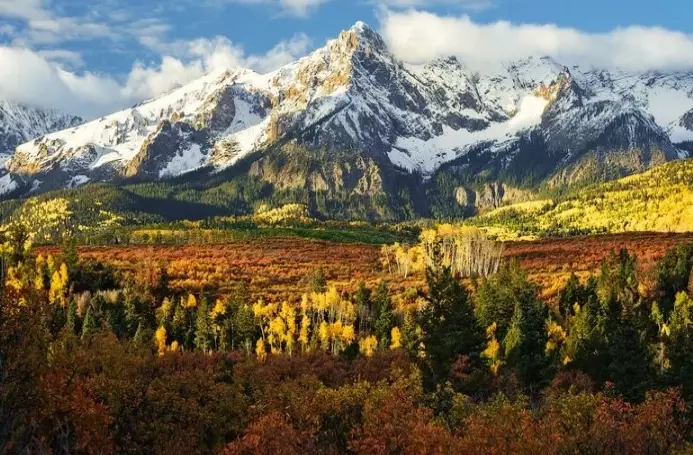
I've spent seasons here, watched thunderstorms roll over Ophir Pass, gotten turned around by sudden whiteouts in September, and found secret meadows that aren't on any top-10 list. This guide is for the person who wants to move beyond the postcard and into the real experience.
What You'll Find in This Guide
- How to Get to the San Juans (And Which Airport is Best)
- The Core San Juan Experiences You Can't Miss
- Where to Lay Your Head: A Realistic Look at Lodging
- Building Your Perfect 4-Day San Juan Mountains Itinerary
- The Mistakes Nearly Everyone Makes (And How to Avoid Them)
- Going Beyond the Basics: Unique San Juan Adventures
How to Get to the San Juans (And Which Airport is Best)
This is the first logistical hurdle. The San Juans are remote. Your gateway cities are Durango and Montrose. Grand Junction works too, but it adds about an hour of driving.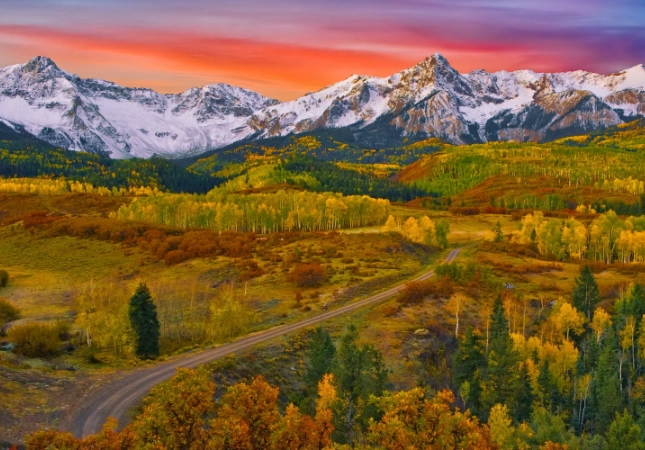
Airport Breakdown
Durango-La Plata County Airport (DRO): The most convenient for the southern and western San Juans (Silverton, Telluride, the Million Dollar Highway). More flight options than you'd think, but often pricier.
Montrose Regional Airport (MTJ): Your best bet for the northern San Juans and Ouray. Usually has competitive fares and is a straight shot south on US-550.
Grand Junction (GJ): A larger airport with more flights and sometimes better deals. It's a 1.5 to 2-hour drive to the edge of the range. Good if you're combining with Colorado National Monument.
You need a car. Public transport is virtually non-existent for exploring. A standard sedan is fine for the main scenic byways, but if you have dreams of tackling the Alpine Loop Back Country Byway (a legendary 4x4 route), you'll need a high-clearance 4WD vehicle. Rentals in these towns book up fast in summer, so reserve early.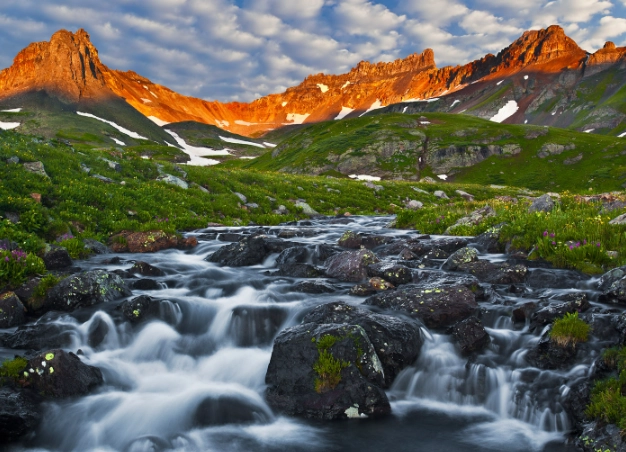
The Core San Juan Experiences You Can't Miss
You could spend a lifetime here and not see it all. Focus on these pillars.
1. Hiking That Will Redefine Your Standards
Forget gentle forest walks. San Juan hikes are steep, high, and breathtakingly rewarding.
Ice Lakes Basin (Near Silverton): This is the crown jewel for a reason. The 8-mile round trip is a brutal climb, but the payoff—turquoise Ice Lake and the even higher Island Lake—is unreal. Start early (think 6 AM) to beat the crowds and afternoon lightning. The trailhead is just off US-550, about 5 miles south of Silverton.
Blue Lakes Trail (Near Ridgway): A more moderate climb into a cirque of stunning blue-green lakes beneath Mount Sneffels. The wildflowers in July are insane. Access is via a rough dirt road; a high-clearance vehicle is recommended for the last mile.
Bear Creek Trail (Ouray): A perfect half-day hike right from town. It follows a gorge with waterfalls and offers history (old mining ruins) and views without a multi-hour drive. Great for acclimatization.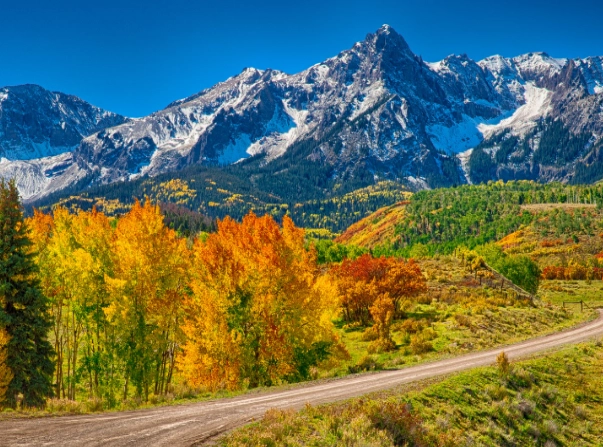
2. The Historic Mountain Towns
Each town has a distinct vibe. Don't just drive through.
Ouray: The "Switzerland of America." It's compact, walkable, and surrounded by sheer cliffs. Soak in the Ouray Hot Springs Pool after a hike. The main street feels authentic, not a themed park.
Silverton: A raw, high-altitude (9,318 ft) mining town at the head of the Million Dollar Highway. It's gritty, real, and the true launching pad for hardcore adventures. The Durango & Silverton Narrow Gauge Railroad terminates here.
Telluride: The glamorous one. A beautiful box canyon with a world-class ski resort, upscale dining, and a free gondola connecting the town to Mountain Village. It's expensive, but the scenery is free.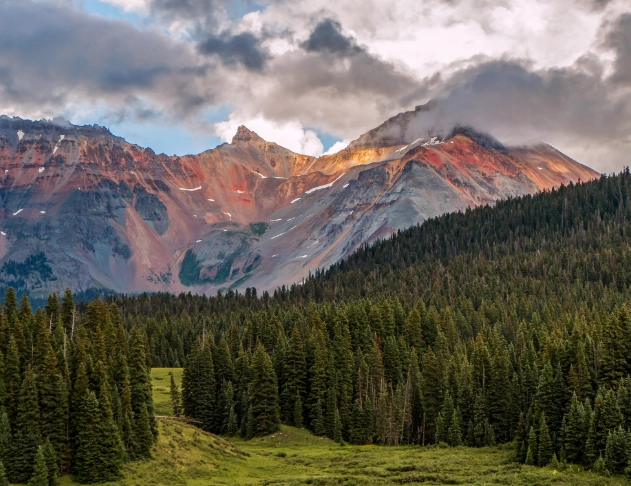
3. Driving the San Juan Skyway
This 236-mile All-American Road loop is the scenic backbone. The most famous section is the Million Dollar Highway (US-550 between Silverton and Ouray). It's not for the faint of heart—tight curves, no guardrails, and sheer drops. The views? Priceless. Drive it south to north for the best passenger-side views.
Where to Lay Your Head: A Realistic Look at Lodging
Accommodations range from rustic to luxurious, but they all share one trait: they book up months in advance for summer and fall. Here’s a no-nonsense comparison.
| Town | Vibe & Best For | Lodging Sample & Address | Price Range (Peak Season) |
|---|---|---|---|
| Ouray | Families, hot springs lovers, easy access. | Ouray Inn: Classic, clean, downtown. 746 Main St, Ouray, CO. | $$ ($150-$250/night) |
| Silverton | Budget, backpackers, 4x4 enthusiasts. | The Grand Imperial Hotel: Historic, old-world charm. 1219 Greene St, Silverton. | $ ($80-$150/night) |
| Telluride | Luxury, ski-in/ski-out, dining scene. | The Hotel Telluride: Modern boutique. 199 N Cornet St, Telluride. | $$$ ($300+/night) |
| Durango | Convenience, more options, longer drives. | Chain hotels & B&Bs. Acts as a supply hub. | $-$$ ($100-$200/night) |
Pro Tip: Consider vacation rentals in places like Ridgway or on the outskirts of Ouray. You'll get more space, a kitchen, and often better value, but you'll trade walkability.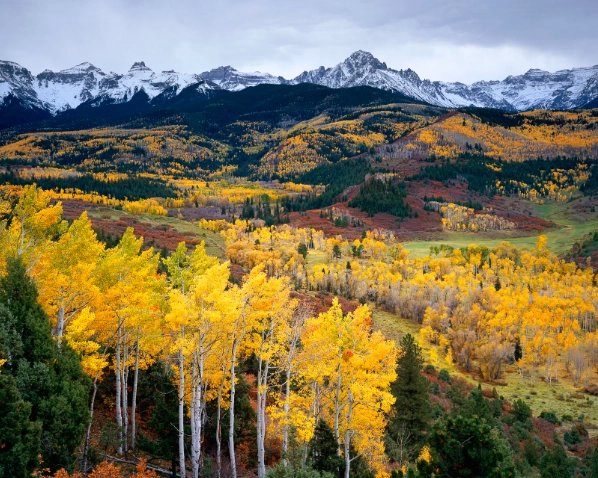
Building Your Perfect 4-Day San Juan Mountains Itinerary
This is a balanced plan that mixes driving, hiking, and town time without killing you.
Day 1: Arrive & Acclimatize. Fly into Montrose. Drive to Ouray (1 hour). Check in, wander Main Street, do the short Perimeter Trail or Bear Creek Trail. Soak in the hot springs. Early night.
Day 2: The Million Dollar Highway & Silverton. Drive US-550 south to Silverton. Stop at every pull-off—seriously. Explore Silverton, have lunch. Hike to Ice Lakes Basin (if you're acclimatized and ambitious) or the more moderate Animas River Trail. Drive back to Ouray.
Day 3: Telluride & Mountain Vistas. Drive to Telluride via Ridgway (spectacular view of Mount Sneffels). Park, ride the free gondola. Hike the Bear Creek Preserve Trail from town. Explore galleries and have a nice dinner. Drive back to Ouray or stay in Telluride if budget allows.
Day 4: Choose Your Adventure. Option A: Hike the Blue Lakes Trail near Ridgway. Option B: Drive the Ophir Pass road (4WD recommended) for mind-blowing views. Option C: A relaxed morning in Ouray followed by the drive back to the airport.
The Mistakes Nearly Everyone Makes (And How to Avoid Them)
I've seen these over and over.
Altitude Amnesia: You land at 5,000 feet, drive to 8,000 feet, and hike to 12,000 feet all in one day. Your body will revolt. Headache, nausea, fatigue. Solution: Plan a full 24-48 hours of light activity (walking, driving) at altitude before attempting a major hike. Hydrate like it's your job. Avoid alcohol the first night.
Underestimating Weather: Sunshine at 9 AM does not guarantee sunshine at noon. Afternoon thunderstorms are a daily summer ritual. Being above treeline in a lightning storm is deadly. Solution: Start hikes at dawn. Be off high passes and peaks by 1 PM. Always have a rain shell and warm layer in your pack.
Overambitious Driving: Google Maps says it's 40 miles, so it'll take 40 minutes, right? Wrong. These are mountain roads with curves, RVs, and photo stops. A 40-mile drive can take 90 minutes. Solution: Double Google's time estimates. Savor the drive, don't race it.
Going Beyond the Basics: Unique San Juan Adventures
If you want to escape the well-trodden path.
Ride the Durango & Silverton Narrow Gauge Railroad: Yes, it's touristy. It's also a magnificent piece of history that chugs through canyons inaccessible by road. Take the bus back one-way to save time.
Go Ghost Town Hunting: The San Juans are littered with them. Animas Forks, near Silverton, is an easy drive (high-clearance needed) to a well-preserved site. I once spent a quiet afternoon at Carson, a more remote site, and had the entire crumbling town to myself.
Fly-Fishing the Uncompahgre: The river near Ridgway holds gold medal trout. Even if you don't fish, watching the evening hatch from the bridge is a serene experience.
The San Juans have a way of getting under your skin. It's the clarity of the light, the scale of the geology, the quiet resilience of the towns. It's not an easy destination. The roads test you, the altitude humbles you, the weather keeps you honest. But that's what makes the reward—standing in a wildflower-filled basin, looking up at a jagged peak—feel so earned.
Answers to Your Burning Questions
What is the best time of year to visit the San Juan Mountains for hiking?
The prime hiking season is typically late June through early October. Snow lingers on high passes well into July, and afternoon thunderstorms are a daily occurrence in July and August. For the best balance of wildflowers and stable weather, aim for late July to mid-September. Early fall offers stunning aspen colors but be prepared for rapidly changing conditions and potential early snow.
How should I prepare for a multi-day backpacking trip in the San Juans?
Beyond the standard gear, focus on altitude and weather. Spend at least one full night acclimatizing in a town like Silverton (9,318 ft) before hitting the trail. Your pack must include a reliable rain shell, warm layers (temps can drop below freezing any night of the year), a bear canister (required in some areas), and a water filter. Many trails have long, exposed sections above treeline, so sun protection is non-negotiable. Always check current trail conditions with the local ranger district.
Can I drive the San Juan Skyway in a regular car, and how long does it take?
Yes, you can drive the entire paved San Juan Skyway loop in a standard passenger car. The 236-mile loop takes about 7 hours of pure driving time, but you should allocate at least two full days. This allows for stops at overlooks, short hikes, and exploring towns. The road is well-maintained, but the Million Dollar Highway section features steep cliffs and no guardrails in places—drive cautiously. Winter travel requires 4WD or chains.
What's the biggest mistake first-time visitors make in the San Juans?
Underestimating the scale and altitude. The mountains are vast, and driving distances between trailheads are long and winding. A hike labeled "moderate" at sea level becomes "strenuous" at 11,000 feet. The most common error is trying to pack too many different hikes or destinations into a short trip, leading to exhaustion and altitude sickness. It's better to deeply explore one area than to spend your entire vacation in the car.
Reader Comments