Desert Guide Highlights
- The Four Major Deserts at a Glance
- 1. The Mojave Desert: Joshua Trees & Extreme Landscapes
- 2. The Sonoran Desert: The Lush, Green Desert
- 3. The Great Basin Desert: America's Cold Desert
- 4. The Chihuahuan Desert: The High Desert
- Planning Your Desert Trip: Season, Gear & Safety
- Your Desert Questions Answered
When most people picture American deserts, they imagine a single, vast sea of sand. The reality is far more interesting. The United States contains four distinct major desert regions, each with its own personality, ecology, and reasons to visit. Spanning from the sagebrush-covered basins of Oregon to the sun-baked cactus gardens of Arizona, these arid landscapes cover a massive portion of the American West. Understanding their differences isn't just academic—it's the key to planning a trip that matches your expectations, whether you're seeking otherworldly photography, challenging hikes, or simply a profound sense of solitude.
I've spent over a decade hiking and camping in these regions, and the most common mistake I see is travelers treating them as interchangeable. Showing up to the Mojave expecting the giant saguaros of the Sonoran leads to disappointment. This guide will map them out, give you the concrete details you need to plan, and share a few hard-won tips you won't find in a standard brochure.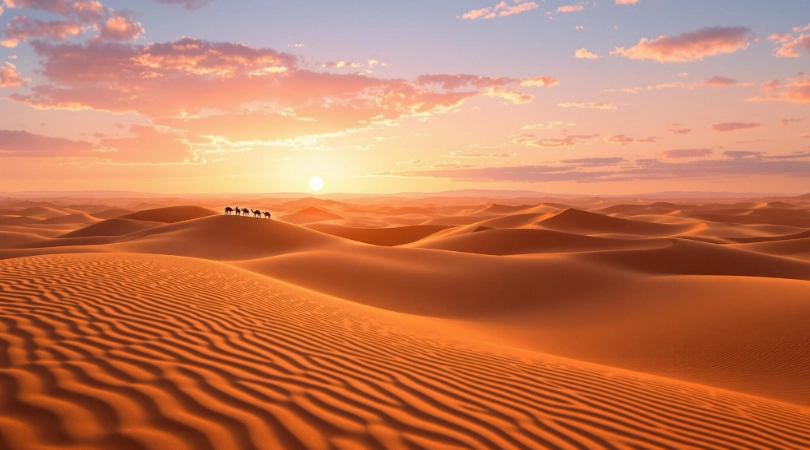
The Four Major Deserts at a Glance
Before we dive into the specifics, here’s a quick comparison. Don't just look at size—note the defining characteristics. The "biggest" can mean largest by area, but also most iconic or biodiverse.
| Desert Name | Approximate Size (sq mi) | Key Defining Feature | Iconic Plant | Best Known For |
|---|---|---|---|---|
| Great Basin Desert | ~190,000 | Cold desert, basin & range | Big Sagebrush | Largest US desert, ancient bristlecone pines |
| Sonoran Desert | ~100,000 (in US) | Lush, two rainy seasons | Saguaro Cactus | Highest biodiversity, classic "cactus" scenery |
| Mojave Desert | ~48,000 | Rain shadow desert, extreme temps | Joshua Tree | Death Valley, Joshua Tree National Park |
| Chihuahuan Desert | ~175,000 (mostly in Mexico) | High elevation, summer rains | Lechuguilla, Yucca | Big Bend National Park, remote grasslands |
1. The Mojave Desert: Joshua Trees & Extreme Landscapes
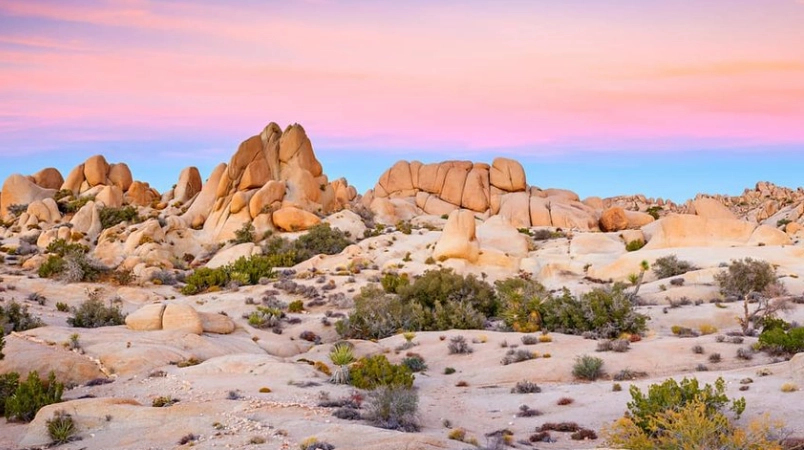
If you're driving from Los Angeles to Las Vegas, you're in the Mojave. Bounded by the Sierra Nevada and the Colorado Plateau, it's a rain-shadow desert defined by extremes. It holds the record for the highest temperature ever reliably recorded on Earth (134°F / 56.7°C at Death Valley in 1913). The landscape is a stark, beautiful mix of parched salt flats, rugged mountains, and those wonderfully weird Joshua trees.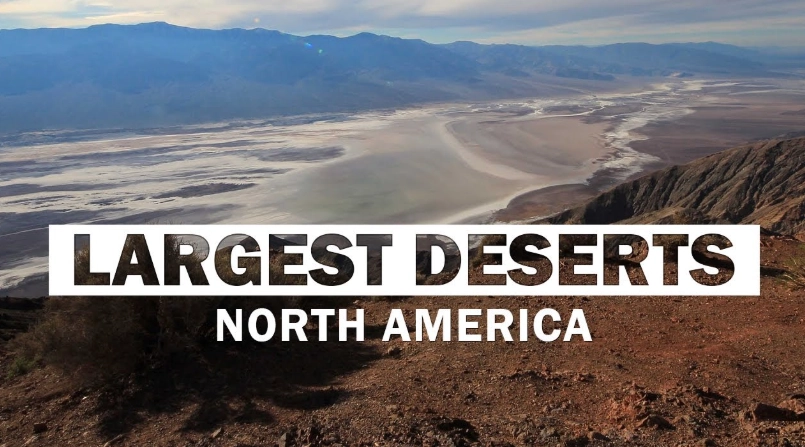
Mojave Must-Sees & Practical Details
Death Valley National Park: The park is massive. Don't try to see it all in a day. Focus on Badwater Basin (the lowest point in North America at -282 ft), Zabriskie Point at sunrise, and Mesquite Flat Sand Dunes. The Furnace Creek Visitor Center is your essential stop for road conditions. In summer, heed the extreme heat warnings—hiking after 10 am is not just uncomfortable, it's life-threatening.
Entrance Fee: $30 per vehicle (valid 7 days). An annual America the Beautiful Pass ($80) is a steal if you visit more than a few national parks.
Joshua Tree National Park: This is where the Mojave and lower Colorado Desert (a subdivision of the Sonoran) meet. The park's namesake trees dominate the western half. For the best experience, get off the main road. Hike the Barker Dam loop or explore the rock formations at Hidden Valley. The town of Joshua Tree has funky Airbnb rentals, but book well in advance.
Pro Tip: The Mojave can be surprisingly cold in winter, especially at night. The idea that deserts are always hot is a dangerous misconception. In Death Valley, December nights can dip below freezing.
2. The Sonoran Desert: The Lush, Green Desert
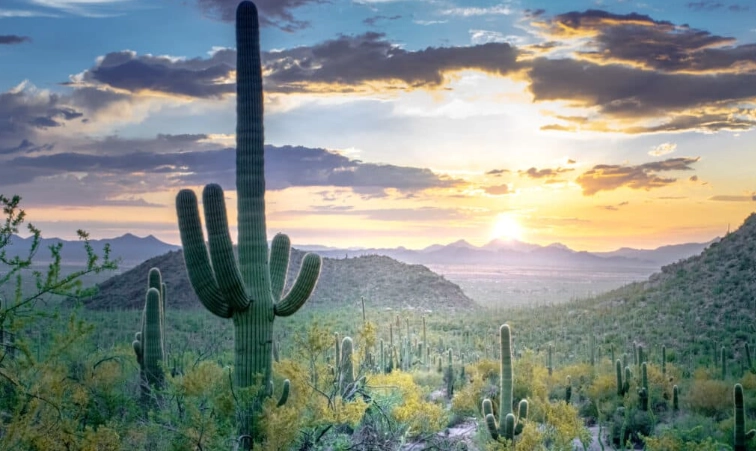
This one breaks all the stereotypes. With both winter and summer rainy seasons, the Sonoran is the wettest and most biologically diverse desert in North America. Its most famous resident, the giant saguaro cactus, can live over 150 years and isn't found anywhere else on Earth. The desert spans southern Arizona and California, and dips deep into Mexico.
I remember my first time in Saguaro National Park near Tucson. The density of the cacti felt like a forest. It's not barren at all—it's teeming with life, from Gila woodpeckers nesting in the saguaros to javelina trotting through the scrub.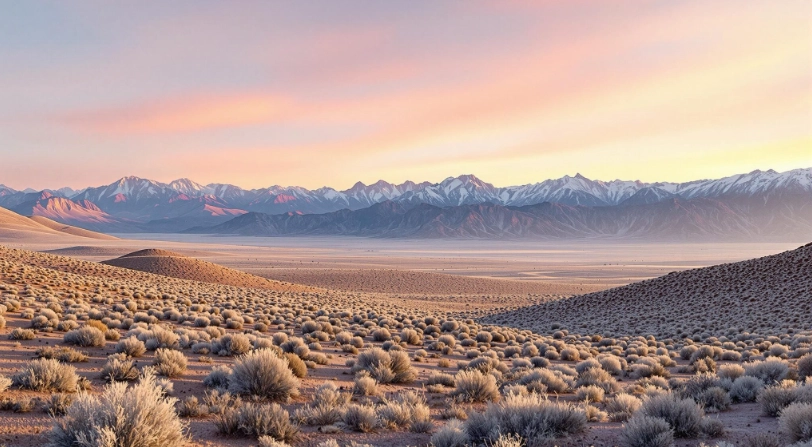
Sonoran Hotspots & Access
Saguaro National Park: Split into East (Rincon Mountain District) and West (Tucson Mountain District) units. The west has a denser concentration of classic saguaro forests. The east is larger with more hiking trails into higher elevations. The Cactus Forest Loop Drive in the east is perfect for a scenic sunset.
Access: Both districts are about a 30-minute drive from downtown Tucson. Parking at popular trailheads like Sendero Esperanza fills up by 8 am on weekends.
Organ Pipe Cactus National Monument: Further south, this remote monument showcases the organ pipe cactus, another Sonoran specialty. It's a designated UNESCO biosphere reserve. The Ajo Mountain Drive is a stunning 21-mile scenic loop. Note: some backcountry areas may have restrictions, so check the National Park Service website before you go.
When to Go: Winter (Nov-Mar) is prime time. Summers are brutally hot, but the late July/August "monsoon" season brings dramatic thunderstorms and fleeting blooms—if you can handle the heat.
3. The Great Basin Desert: America's Cold Desert
This is the largest desert in the United States, but it's often overlooked because it doesn't fit the Sahara-like image. It's a "cold desert," defined by its geography of north-south running mountain ranges separated by flat, dry valleys. Precipitation gets trapped by the mountains (like the Sierra Nevada), creating a rain shadow. You'll find sagebrush, juniper, and, in the high mountains, ancient bristlecone pine trees—the oldest known non-clonal organisms on Earth.
The feeling here is one of immense, lonely space. Driving across Nevada on Highway 50, the "Loneliest Road in America," you'll understand. Towns are few and far between.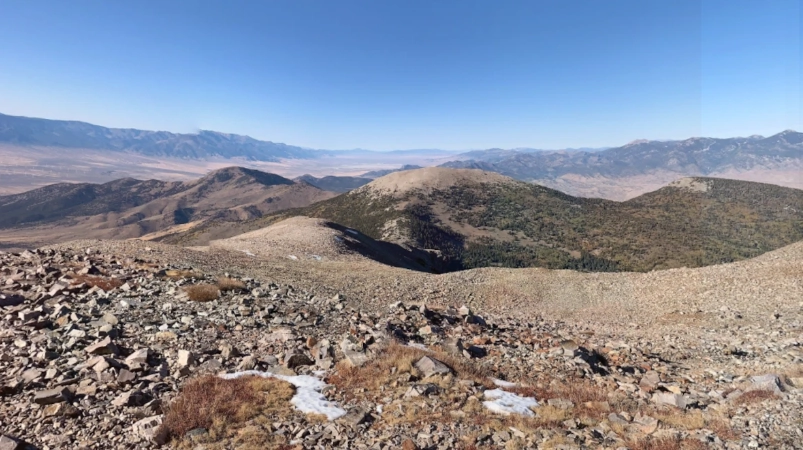
Exploring the Great Basin
Great Basin National Park, Nevada: The crown jewel. It's not just desert; it encompasses those high, alpine environments. You must tour the Lehman Caves (reservations essential). Drive the Wheeler Peak Scenic Drive to the trailhead for the glacier and bristlecone pine grove. The stars here are insane—it's an International Dark Sky Park.
Key Activity: The Bristlecone Pine Trail is a moderate 4.6-mile round trip. Standing next to a tree that was already 1,000 years old when the Roman Empire fell is humbling.
Logistics: The nearest major airport is in Salt Lake City, UT, a 4-hour drive. The park is remote. Fill your gas tank in Baker or Ely. Services inside the park are very limited.
A Common Misconception: People think "largest desert" means most to see from the car. Actually, the Great Basin's magic is accessed by hiking. The valleys can seem monotonous, but the mountain islands are the treasure.
4. The Chihuahuan Desert: The High Desert
The largest desert in North America, but the majority lies in Mexico. In the US, it covers parts of West Texas, southern New Mexico, and a slice of Arizona. It's a high-elevation desert, often sitting above 4,000 feet. This means cooler temperatures than the Sonoran or Mojave. The classic plant is the lechuguilla, a spiky agave, and vast grasslands intermix with yuccas and creosote bush.
My most vivid memory here is the silence at night in Big Bend, broken only by the yip of coyotes. It's profoundly remote.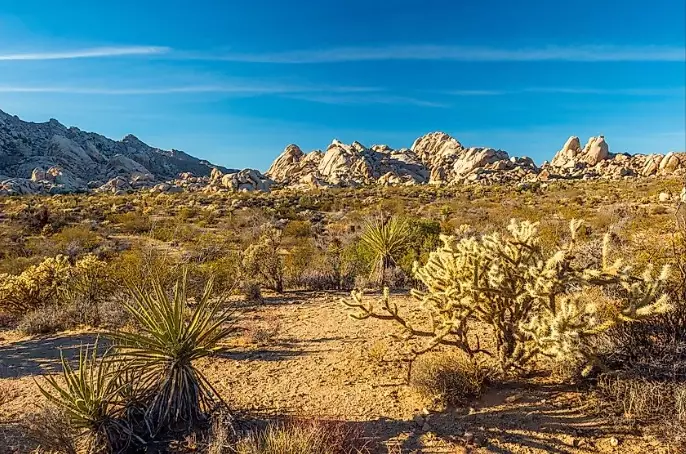
Chihuahuan Gateways
Big Bend National Park, Texas: An absolute gem. The Rio Grande forms the park's southern border, carving massive canyons like Santa Elena and Boquillas. The Chisos Mountains, an "island in the desert," offer cooler hiking.
Must-Do: The Ross Maxwell Scenic Drive to Santa Elena Canyon. Hike the short but stunning trail into the canyon mouth. For a unique experience, cross the river (with your passport) into the tiny Mexican village of Boquillas for lunch.
White Sands National Park, New Mexico: While not the entire Chihuahuan Desert, its iconic gypsum dune field sits within this region. Sledding down the pure white dunes is a blast. Go at sunset for surreal colors.
Visitor Note: Big Bend is huge. There are three distinct visitor centers (Panther Junction, Chisos Basin, Persimmon Gap). Gas up in Marathon or Terlingua before entering—there is none in the park.
Planning Your Desert Trip: Season, Gear & Safety
Picking the right desert is step one. Executing the trip safely is step two. Here’s the distilled wisdom from years of trips that went well and a few that taught hard lessons.
The Non-Negotiable Essentials
Water: Carry at least one gallon (4 liters) per person, per day. Double that if you're doing any serious hiking. I keep a 5-gallon jug in my car trunk as a reserve. Dehydration sneaks up on you.
Navigation: Cell service is a myth in most of these areas. Download offline maps (Google Maps, Maps.me) and carry a physical road atlas. A paper map from a park visitor center is gold.
Car Preparedness: Ensure your spare tire is good and you have the tools to change it. Gravel roads are common. A small air compressor and tire repair kit have saved me twice. Tell someone your route and expected return time.
Seasonal Strategy
- Sonoran & Mojave (Low Elevations): Visit Oct-April. Avoid June-Sept unless you're a monsoon chaser or tolerate extreme heat.
- Great Basin & Chihuahuan (Higher Elevations): May-Sept is best. These can be snow-covered and bitterly cold in winter. Great Basin NP's Wheeler Peak road is usually closed Nov-May.
- Shoulder Seasons (Spring/Fall): Ideal for all deserts, but weather is less predictable. You might get perfect 75°F days or a surprise snow flurry.
Your Desert Questions Answered
 So there you have it. The biggest deserts in the United States aren't just a single blank spot on the map. They're four distinct worlds, each offering its own brand of stark beauty and challenge. Whether you're drawn to the alien shapes of Joshua Tree, the forest of saguaros, the ancient pines of the Great Basin, or the river canyons of the Chihuahuan, the key is to pick one, prepare thoroughly, and dive deep. The desert rewards those who respect its scale and its rules. Start planning, and you might just find your new favorite landscape.
Reader Comments