What You'll Learn in This Guide
I've been shooting beach photos for over ten years, and let me tell you, my early attempts were a disaster. Overexposed skies, flat compositions, and sand in every crevice. But through trial and error—and plenty of ruined shots—I've nailed down the beach photography tips that actually work. This guide cuts through the fluff and gives you the practical advice you need to capture stunning seaside images, whether you're using a DSLR or a smartphone.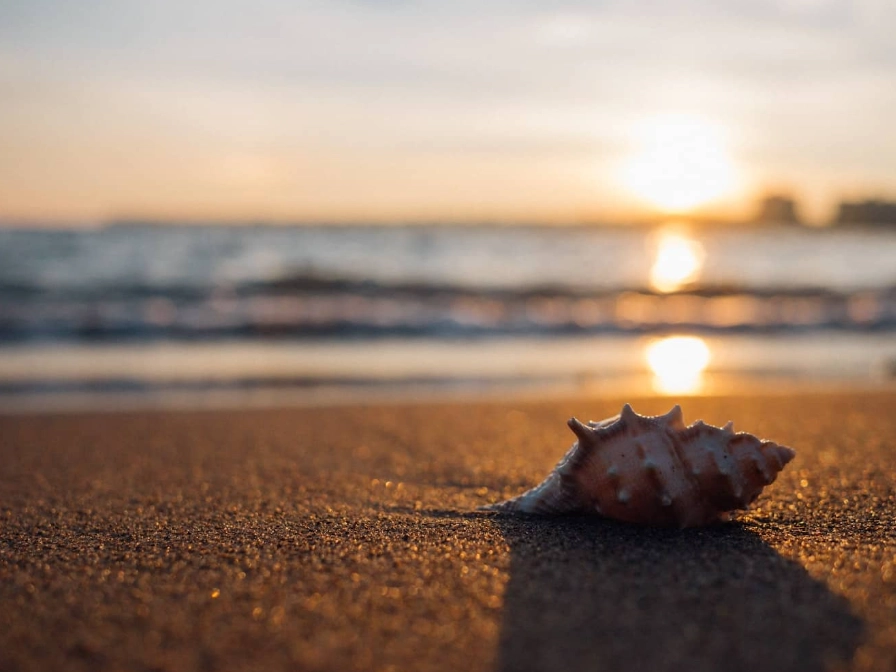
Gear You Actually Need for Beach Photography (Not Just Want)
Everyone talks about packing light, but on the beach, it's about packing smart. You don't need the fanciest gear, but a few key items make all the difference.
Start with your camera. Any modern camera works, but if you're serious, a DSLR or mirrorless with manual controls helps. I used to lug around multiple lenses, but now I stick to two: a wide-angle (like 16-35mm) for landscapes and a prime (50mm) for portraits. For smartphones, invest in a moment lens for wider shots.
Pro tip most miss: A polarizing filter is non-negotiable. It cuts glare from water and enhances sky contrast. I skipped it once in Hawaii, and my photos looked washed out. Don't be like me.
Other essentials: a sturdy tripod that won't sink in sand (carbon fiber is light), lens cloths for salt spray, and a waterproof bag. I learned the hard way when a wave soaked my backpack in California.
My Go-To Beach Kit
- Camera: Sony A7 III – versatile for low light.
- Lenses: 16-35mm f/2.8 and 50mm f/1.8.
- Filter: Circular polarizer from B+W.
- Accessories: Tripod, microfiber cloths, zip-top bags for sand protection.
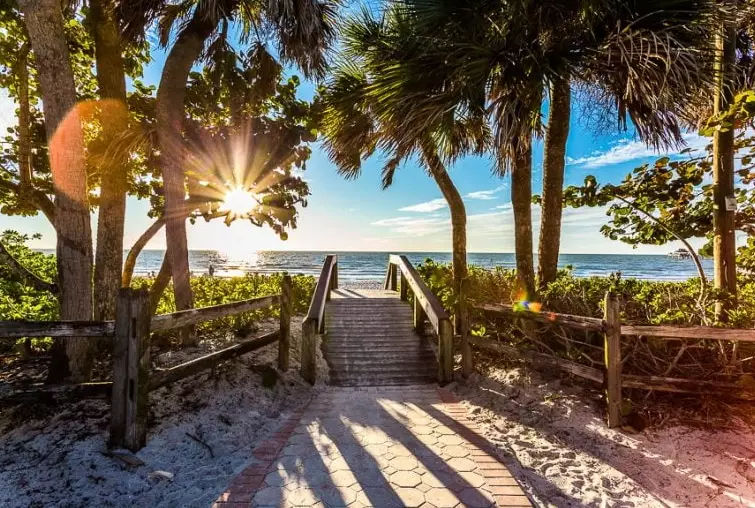
When to Shoot: Mastering Beach Light
Light at the beach is tricky. Harsh midday sun creates shadows and overexposure, while golden hour offers soft, warm tones. But there's more to it.
The best times are sunrise and sunset. Not just for the colors, but because the angle of light adds depth. I shoot sunrise for calm waters and sunset for dramatic skies. Blue hour—just after sunset—is perfect for long exposures of waves.
Avoid noon unless it's overcast. If you must shoot then, use shadows creatively, like under a pier. I once captured silhouettes against bright sand, and it saved an otherwise bland day.
Timing Breakdown
| Time Slot | Light Quality | Best For | My Experience |
|---|---|---|---|
| Sunrise (1 hour after) | Soft, warm, low contrast | Landscapes, reflections | Less crowded, ideal for serene shots |
| Golden Hour (before sunset) | Golden tones, long shadows | Portraits, silhouettes | Busy but worth it for vibrant colors |
| Blue Hour (after sunset) | Cool, even light | Long exposures, city lights | Tripod essential, captures moody scenes |
| Midday (overcast) | Diffused, flat | Details, textures | Good for close-ups of shells or waves |
Composition Tricks for Dynamic Beach Photos
Composition separates snapshots from art. At the beach, it's easy to center the horizon and call it a day. Don't.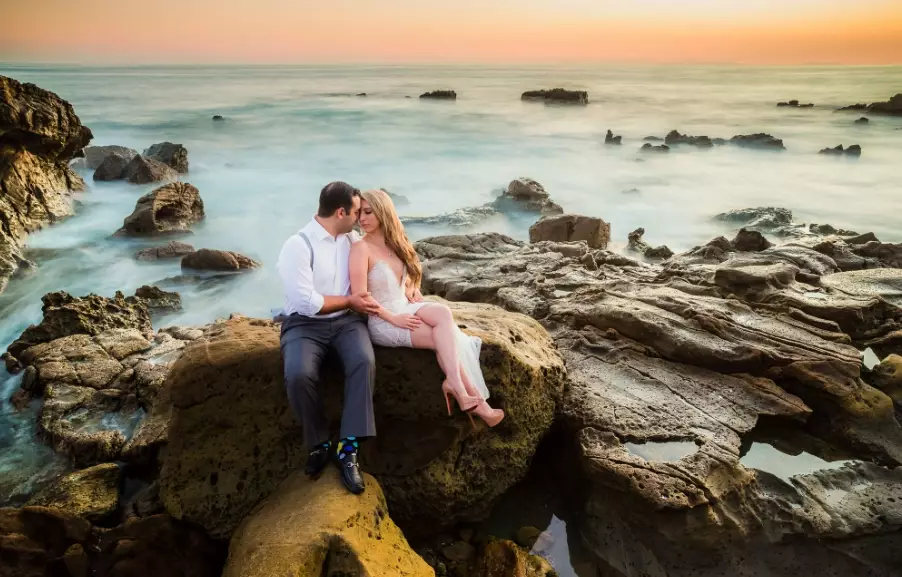
Use the rule of thirds, but bend it. Place the horizon on the upper third for more sky, lower third for more water. I often break this by shooting straight-on for symmetry in reflections.
Add foreground interest. A rock, shell, or footprint leads the eye into the scene. In Florida, I used driftwood to frame a sunset, and it added depth everyone misses.
Techniques to Try
- Leading lines: Use wave patterns or boardwalks to guide viewers.
- Negative space: Empty sky or water emphasizes subjects, like a lone surfer.
- Frame within a frame: Shoot through a cave or palm leaves.
Experiment with angles. Get low for dramatic perspectives or high for sweeping views. My favorite shot came from lying on the sand, capturing waves from eye level.
Camera Settings Demystified
Settings intimidate beginners, but at the beach, it's about balancing light. Start with aperture priority mode, then tweak.
For landscapes, use f/8 to f/16 for sharpness. For portraits, wide apertures like f/2.8 blur the background. Shutter speed depends: fast (1/500s) freezes waves, slow (1/15s) creates motion blur.
ISO should be low (100-400) to reduce noise. But in low light, don't fear raising it—modern cameras handle ISO 1600 well. I used to keep ISO at 100 always, but now I boost it for sunset shots without a tripod.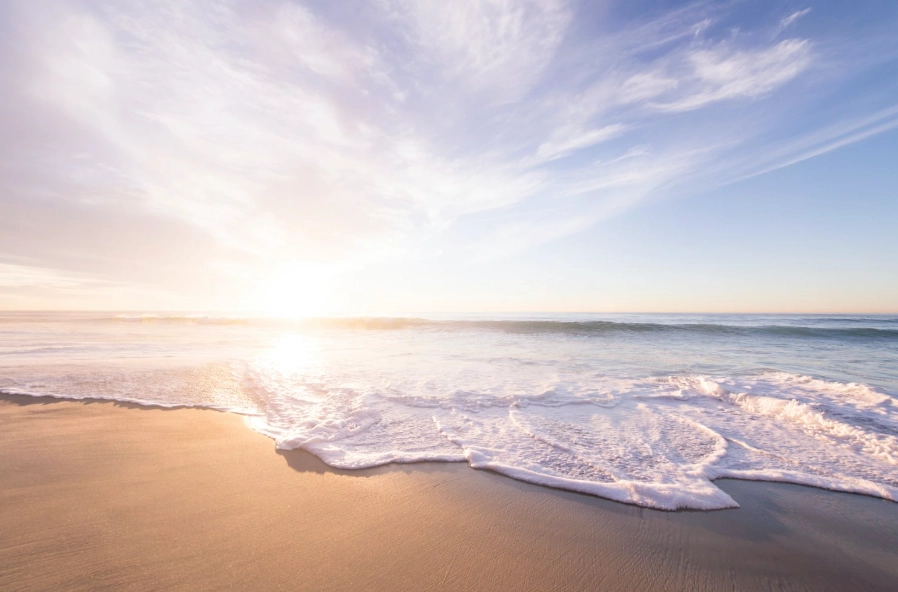
| Scenario | Aperture (f-stop) | Shutter Speed | ISO | Notes |
|---|---|---|---|---|
| Bright daylight landscape | f/11 | 1/250s | 100 | Use polarizer, watch for overexposure |
| Golden hour portrait | f/2.8 | 1/200s | 200 | Focus on eyes, use natural light |
| Wave motion blur | f/16 | 1/15s | 100 | Tripod required, shoot at dusk |
| Overcast details | f/5.6 | 1/125s | 400 | Boost contrast in post-processing |
Meter for the highlights. Beach scenes have bright sand and sky, so spot meter on the mid-tones to avoid blown-out areas. I set exposure compensation to -0.7 often.
Common Mistakes and Fixes
We all mess up. Here are errors I've made and how to avoid them.
Overexposure: Sand and water reflect light, fooling your meter. Solution: Use exposure lock or manual mode. Bracket your shots—take one at normal exposure, one underexposed.
Flat composition: Centering everything. Move around, change angles. I spent an hour in one spot once and got boring photos. Now I scout locations beforehand.
Gear damage: Sand and salt are killers. Wipe lenses frequently, keep gear in bags when not in use. I ruined a lens by not cleaning it after a windy day.
Ignoring weather: Stormy days offer drama. Shoot before or after rain for unique light. My best portfolio piece came from a cloudy afternoon in Oregon.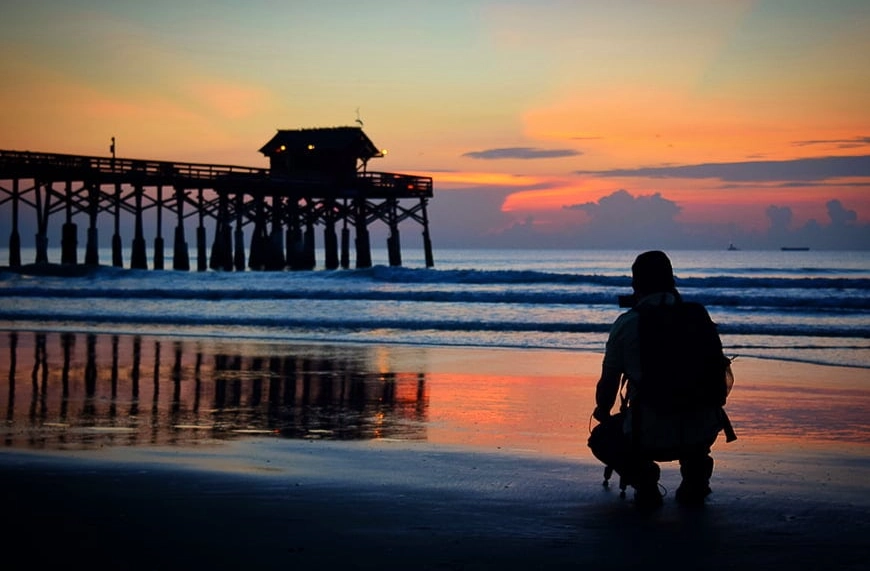
Your Beach Photography Questions Answered
 Can I get good beach photos with a smartphone?
Reader Comments