Your Quick Guide to the River
Figuring out how to access the Little Colorado River is the first puzzle for any trip to this iconic Arizona landmark. It's not a single destination with a parking lot and a sign. Access depends on what you want to see: the dramatic gorge, the famous turquoise waters, or the remote confluence with the main Colorado deep within the Grand Canyon. Your choice dictates everything—the permits you need, the vehicle required, and the physical challenge involved. This guide cuts through the confusion, laying out every viable access point with the specifics you need to plan a successful, respectful, and safe visit.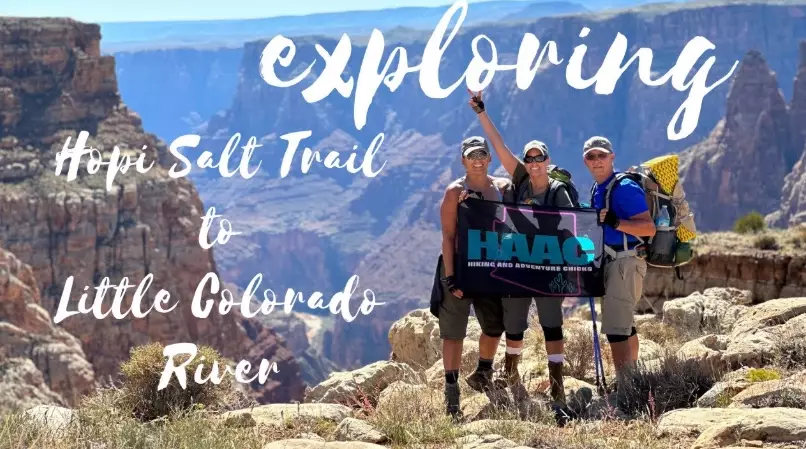
The Three Main Access Points: An Overview
Think of the Little Colorado River in three segments, each with its own rules and realities. Most online advice glosses over these critical distinctions, leading to frustration at closed gates or unexpected permit requirements.
| Access Area | What You'll See | Key Requirement | Physical Demand | Best For |
|---|---|---|---|---|
| Little Colorado River Gorge Tribal Park | Breathtaking canyon views from rim overlooks; seasonal blue-green water far below. | Navajo Nation permit (purchased on-site or online). | Very Low (drive-up viewpoints). | Everyone, families, photographers, those short on time. |
| Navajo Nation Backcountry (e.g., Salt Trail/Cameron) | Direct access to the riverbed, waterfalls, and intimate canyon sections. | Advanced Backcountry Permit + Recreational Permit from Navajo Nation. | High (steep, unmaintained trails; 4x4 often needed). | Experienced hikers and off-roaders seeking solitude. |
| Grand Canyon National Park (South Rim) | The legendary Confluence with the Colorado River; remote canyon wilderness. | Highly competitive NPS Backcountry Permit (lottery). | Extreme (multi-day backpacking). | Serious backpackers pursuing a premier canyon trek. |
A common mistake? Assuming the rules for one area apply to another. The Navajo Nation and the National Park Service are separate sovereign entities with completely different permit systems. Confusing them is a surefire way to have your trip denied.
Little Colorado River Gorge Tribal Park (The Easiest View)
If your goal is to witness the stunning depth of the canyon and hopefully catch a glimpse of that famous blue water, this is your route. Managed by the Navajo Nation Parks & Recreation Department, this is a developed tourist attraction.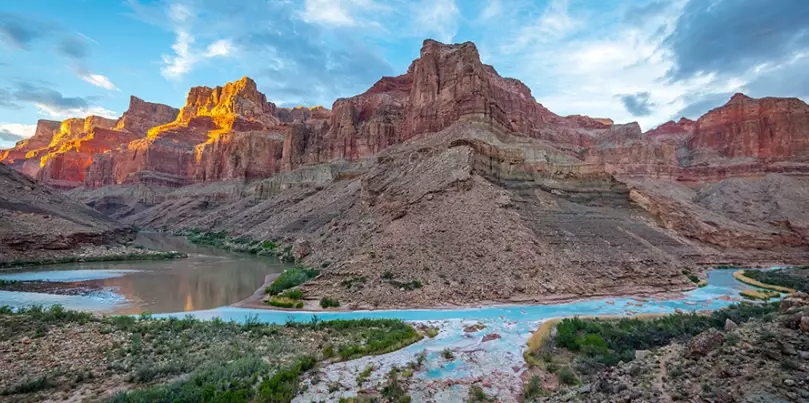
Getting There & What to Expect
From the junction of Highway 64 and US-160 near Cameron, AZ, head east on Highway 64 toward the Grand Canyon. In about 5 miles, look for the clearly marked turnoff to the left (north) onto Indian Route 602, signed for "Little Colorado River Gorge." This is a graded dirt road.
Drive about 5 miles to the fee station. As of my last visit, the cost was $20 per vehicle (up to 4 people) for the Tribal Park Permit. You can also purchase the broader $10 Navajo Nation Recreational Land Use Permit here if you plan other hikes. The park is generally open from 8:00 AM to 5:00 PM daily, but hours can seasonally change.
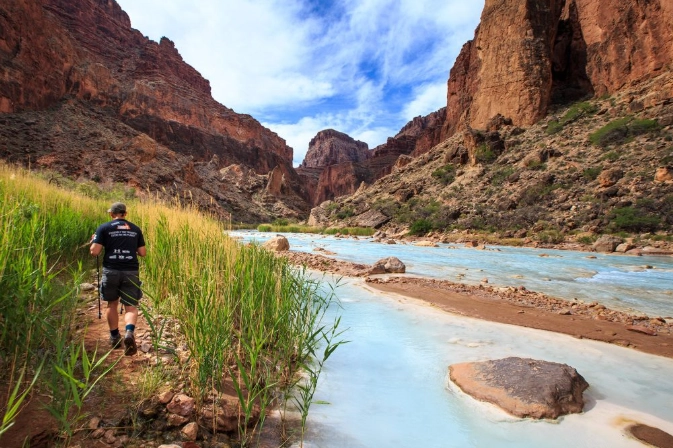
Past the station, you'll reach two main overlooks. The first (Grand Falls Overlook) offers a distant view. Continue to the second, the primary Gorge Viewpoint. Here, guardrails protect you at the very edge of a sheer 1,000-foot drop. The view is staggering. The river is a tiny ribbon at the bottom. When the water is flowing with the right mineral content (typically spring and after summer rains), that ribbon turns a surreal, milky turquoise.
This is purely a viewing experience. There is no legal or safe trail down to the river from these overlooks.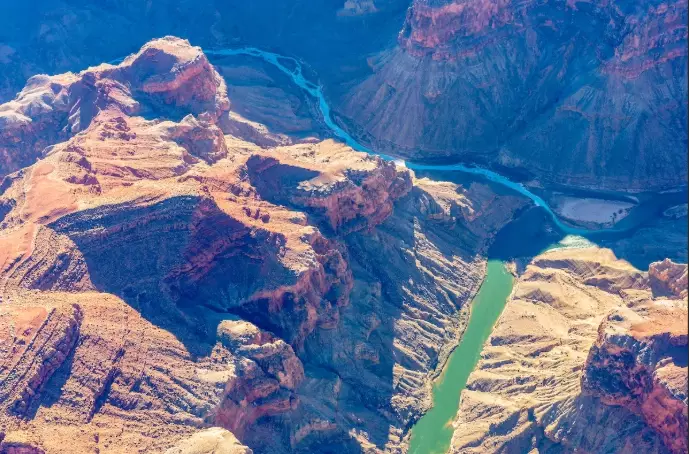
Hiking from Navajo Nation Land (For the Adventurous)
This is where most of the confusion and opportunity lies. Several historic trails descend from the Navajo Nation into the Little Colorado River Gorge. The most famous is the Salt Trail, near Cameron. This is a serious undertaking.
The Salt Trail (Cameron Access)
Trailhead Location: The unmarked trailhead is located off a remote network of dirt roads north of Cameron. Precise directions are closely held by permitted guides and the tribal parks department to prevent unpermitted access. You cannot just drive up.
The Permit Hurdle: To legally hike the Salt Trail or any other route on Navajo land to the river, you must secure a Backcountry Permit in advance from Navajo Nation Parks & Recreation. This isn't the simple $10 recreational permit. It's a more involved process, often requiring detailed itineraries, proof of experience, and fees ranging from $20 to $40 per person per day. Many choose to go with an authorized Navajo-guided tour, which handles the permits.
The Hike Itself: If permitted, the Salt Trail is a steep, rough, and unmaintained descent of about 2.5 miles one-way, dropping nearly 2,000 feet to the river. It's exposed, hot, and requires scrambling. The reward is standing in the river canyon, potentially seeing small waterfalls and the vibrant water up close. You need to be in excellent shape, carry all your water (no reliable sources until the river, which may not be safe to drink untreated), and be prepared for a grueling climb out.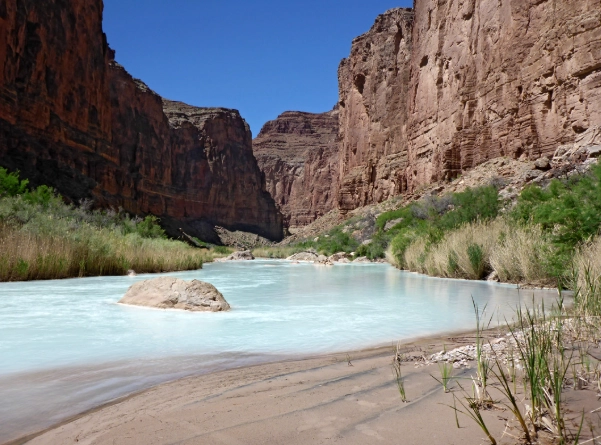
Access from Grand Canyon National Park (The Ultimate Challenge)
For many, the holy grail is seeing the point where the Little Colorado River meets the main Colorado—the Confluence. This is deep within Grand Canyon National Park, and access is via the park's trail system on the South Rim.
Primary Route: The Salt Trail (NPS) / Tonto Trail
Don't confuse this with the Navajo Nation's Salt Trail. This is a different, ancient path that starts within the national park boundary. A common route is to take the Grandview Trail down to Horseshoe Mesa, connect to the Tonto Trail east, and then descend a brutal side canyon to the Little Colorado River, before continuing to the Confluence.
The Permit: This is a multi-day backpacking trip requiring a Grand Canyon National Park Backcountry Permit. Permits for popular corridor trails (Bright Angel, South Kaibab) are extremely competitive, but permits for these remote, non-corridor trails are slightly easier—though still require planning 4+ months in advance via the NPS's lottery system.
The Reality: This is an expedition. We're talking 20+ mile trips with massive elevation loss and gain (over 4,000 feet), extreme heat, and cold, and remote, rugged terrain. It's for seasoned canyon backpackers only. Water sources are unreliable. The trail to the river itself is often a steep, loose, and treacherous scramble.
Essential Planning, Permits & Logistics
Your access method dictates your checklist. Here’s a consolidated list of must-dos.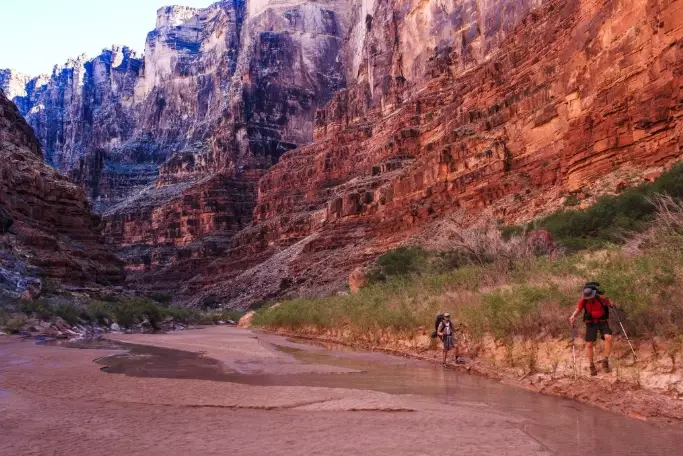
1. Choose Your Access Point Realistically. Be honest about your fitness, vehicle, and comfort with remote travel. The Gorge overlooks satisfy 90% of visitors.
2. Secure Permits WELL in Advance.
- Gorge Overlooks: Purchase at the gate (Tribal Park Permit). Easy.
- Navajo Nation Hiking: Contact Navajo Nation Parks & Recreation months ahead for backcountry permit applications.
- Grand Canyon Hiking: Apply for an NPS Backcountry Permit during the lottery window (first of the month, 4 months prior to your start month).
3. Vehicle & Navigation. For any dirt road travel (IR 602 or beyond), a high-clearance vehicle is best. Have a full-size spare tire, extra water, and a full tank of gas. Download offline maps (Google Maps, Gaia GPS) as cell service is nonexistent.
4. Timing is Everything. Aim for spring (April-May) or fall (September-October) to avoid extreme desert heat and summer monsoon flash flood danger. Winter can bring snow and ice to the rim and make dirt roads impassable.
5. Pack Like Your Life Depends on It. Even for a short hike, carry:
Water: At least 1 gallon per person per day.
Sun Protection: Hat, sunglasses, long sleeves, SPF 50+ sunscreen.
Footwear: Sturdy hiking boots with ankle support.
Navigation: Physical map and compass/GPS.
Emergency Gear: First-aid kit, headlamp, emergency blanket.
Little Colorado River Access FAQ
Reader Comments