So you're wondering about the Little Colorado River's depth. It's not a simple number. Ask a geologist, a river guide, and a hiker who's just waded across it, and you'll get three different answers. That's because this river is a shape-shifter. Its depth isn't a static fact on a plaque; it's a story written by time, rock, and water. In its famous lower gorge, where most people see it, the depth can swing from a mere ankle-deep trickle you can hop across to a powerful, chest-deep torrent in a matter of hours. This variability is the key to understanding everything about this place—its stunning color, its danger, and its magic.
What You'll Discover in This Guide
- The Real Depth Numbers (It's a Range, Not a Stat)
- Why the Little Colorado River's Depth Actually Matters
- How to See the Little Colorado River Yourself: A Realistic Guide
- Depth & Safety: What Guidebooks Don't Always Tell You
- Beyond the Surface: A Geologist's Take on Depth
- Your Little Colorado River Depth Questions, Answered
How Deep is the Little Colorado River? The Numbers Behind the Mystery
Let's cut to the chase. If you're looking for a single, definitive depth for the entire 340-mile river, you won't find it. It's like asking how deep "a road" is. The answer depends entirely on where and when you measure. For the iconic section within the Grand Canyon that draws visitors for its milky-turquoise water, here’s the breakdown.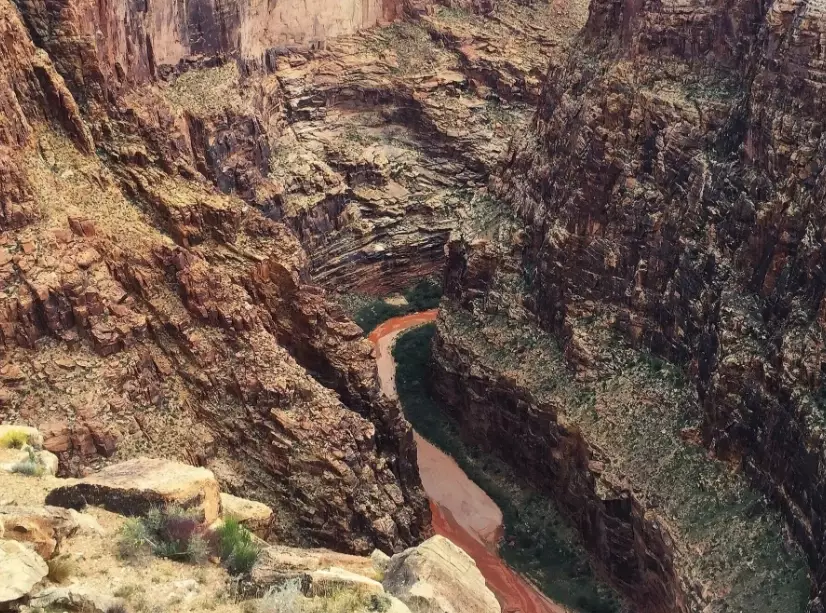
Most people encounter the river near its confluence with the main Colorado River, or a few miles upstream. Here, the depth is controlled by a simple but powerful force: travertine dams.
The Depth Spectrum: From Trickle to Torrent
Typical Low Flow (Most of the year): 6 inches to 2 feet (15 cm to 60 cm). This is when you see the famous wide, shallow, brilliant blue pools. You can easily wade across many sections. The river is broad and gentle.
Moderate Flow (After rain or snowmelt upstream): 2 feet to 4 feet (60 cm to 1.2 meters). The current picks up significantly. Wading becomes challenging and potentially dangerous for inexperienced hikers. The color may be more opaque.
High Flow (During flash floods or controlled releases): 4 feet to over 8 feet (1.2 m to 2.5 m+). The river transforms. It becomes a narrow, deep, fast-moving channel of chocolate-brown water. The travertine pools are completely submerged. Crossing is impossible. This is the river's most dangerous and powerful state.
The riverbed itself isn't a smooth channel. It's a series of natural travertine (a form of limestone) dams and pools. Think of it like a giant, natural staircase. The depth in each pool varies, and the height of the dams determines the drop between pools. Some popular wading pools might be 3 feet deep in one spot and 6 inches deep just a few feet away.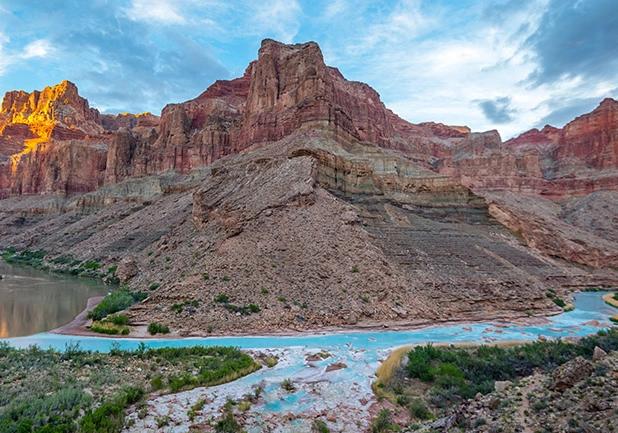
The Confluence Pool: A Special Case
Where the Little Colorado meets the main Colorado River, a large, deep pool often forms. During moderate to high flows from the Little Colorado, this pool can be 10 to 15 feet deep or more. It's a famous (and cold) swimming hole for rafting trips. But during low flow on the Little Colorado, the main Colorado's current can scour this area out, making it less distinct.
This variability is why official sources like the U.S. Geological Survey (USGS) focus on flow rates (cubic feet per second) rather than a static depth measurement for this river. The flow rate tells you the river's true mood.
Why Does the Little Colorado River's Depth Matter?
You might think depth is just trivia. For the Little Colorado, it's the engine for everything remarkable about it.
It Creates the Famous Color. The turquoise-blue color isn't from the sky. It's from dissolved calcium carbonate (travertine) in the water. Shallow depth over white travertine beds allows sunlight to reflect and scatter, creating that impossible Caribbean hue. When the river is deep and muddy from floods, the color vanishes. The depth directly controls the visual spectacle.
It Dictates Your Experience. Are you taking a serene wade through a knee-deep, azure paradise, or are you witnessing a roaring, intimidating force of nature? Your entire visit—the photos you take, the feeling you get—hinges on the depth/flow that day.
It's a Critical Safety Factor. A river that can go from 1 foot to 6 feet deep in under an hour demands respect. More on this later.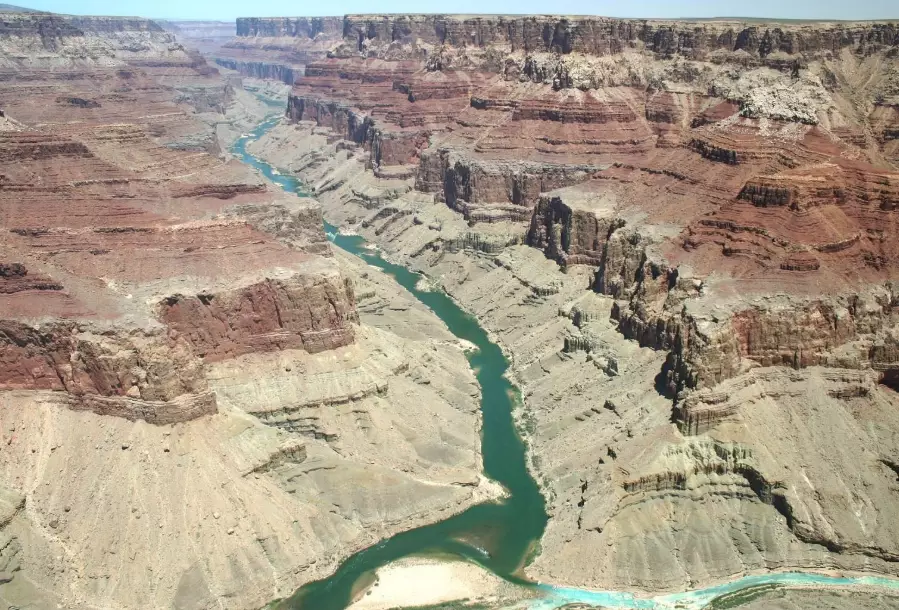
How to See the Little Colorado River Yourself: A Realistic Guide
You want to see this place. Good choice. But most online info makes it sound simpler than it is. Here’s the real deal on access, because the depth you see depends entirely on how you get there.
Option 1: The Commercial Rafting Trip (The Full Immersion)
This is the classic way. Multi-day rafting trips on the Colorado River stop at the confluence. You'll see the deep confluence pool and can hike up the Little Colorado's gorge. The depth you encounter will be whatever the river is doing that day. Guides are experts at reading the water. Trips book up a year or more in advance. Companies like Arizona Raft Adventures or Grand Canyon West offer these.
Option 2: The Guided Hike from the Rim (The Grueling Pilgrimage)
This is not a stroll. The hike to the Little Colorado River from the rim (often via the Salt Trail or other unmaintained routes) is extreme: long, steep, exposed, and usually requires a permit and a skilled guide. You'll likely access areas upstream of the confluence. You will intimately feel every inch of the river's depth when you wade across it to continue your hike. This is for very experienced, prepared backpackers only. The National Park Service website has stark warnings about these routes.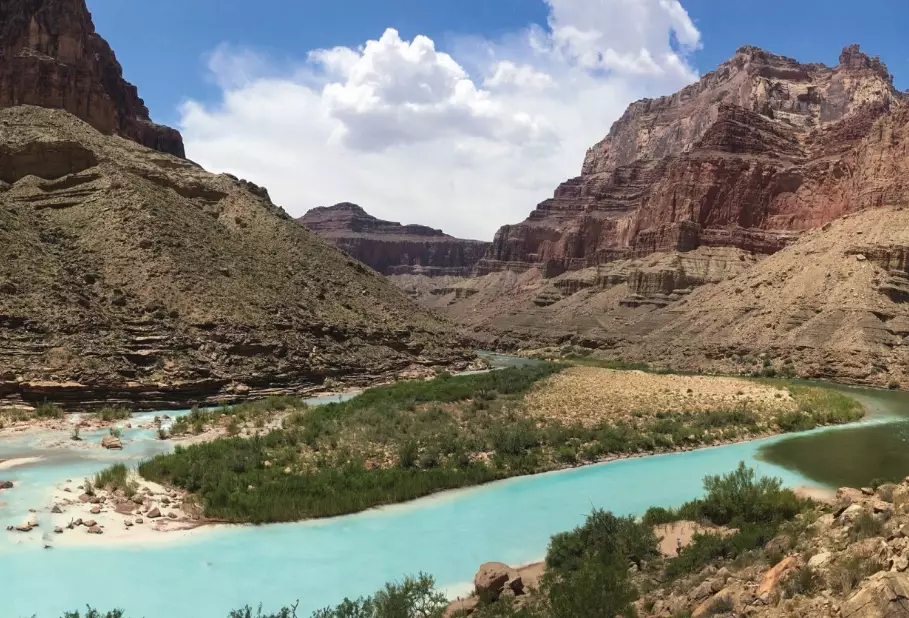
Option 3: Viewing from the Rim (The Tease)
You can see the turquoise streak of the river from several viewpoints on the Navajo Nation, like the Little Colorado River Gorge Overlook. It's stunning, but you're looking down from 1,000+ feet up. You get zero sense of its depth, just its color. It's a beautiful, distant postcard.
My take? The rafting trip is worth the cost and wait if you can swing it. The hike is a brutal, rewarding suffer-fest for masochists (I've done a version of it—the memory of the cold water on exhausted legs is permanent). The overlook is perfect for everyone else.
Depth & Safety: What Guidebooks Don't Always Tell You
Here's the expert mic-drop that doesn't get said enough: The greatest danger isn't the deep water—it's the water you think is shallow.
Flash floods in desert canyons are no joke. A sunny sky overhead doesn't mean a thing. A thunderstorm 20 miles upstream can send a wall of water down the Little Colorado gorge with terrifying speed. That ankle-deep stream can become a drowning machine in minutes. The rock is slippery travertine. A fall in a fast current, even in waist-deep water, can pin you against an undercut.
Rule #1: Never camp or linger for long in the narrow gorge of the riverbed itself. Always check weather forecasts upstream (not just locally) and be prepared to retreat to high ground instantly. If the water color changes to brown or you hear a growing roar, get out. Now.
Rule #2: Wading requires sturdy footwear and a walking stick for stability. The current is stronger than it looks.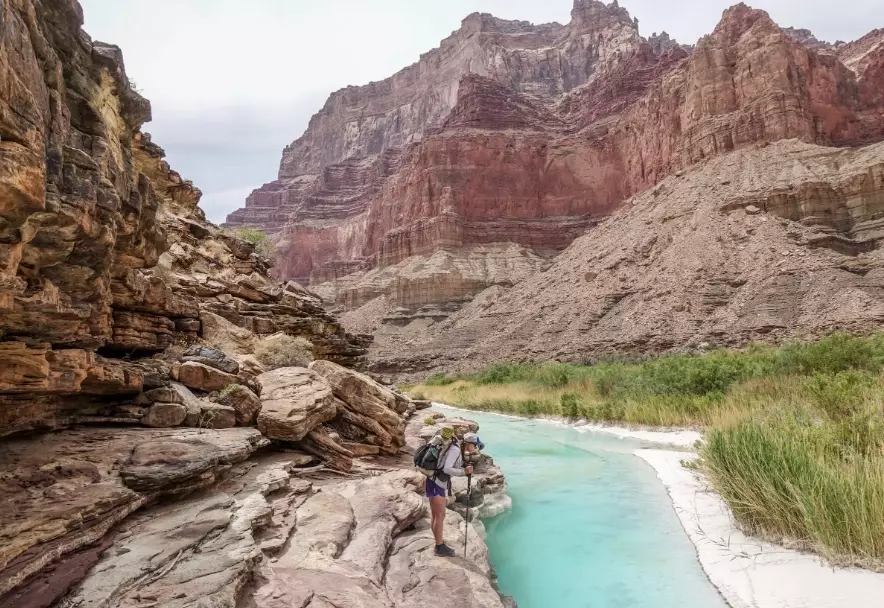
Beyond the Surface: A Geologist's Take on What "Depth" Really Means Here
Talking to a geologist friend, she framed it differently. The real "depth" story is vertical. The Little Colorado has carved its gorge over 3,000 feet deep into the Colorado Plateau. That's the profound depth. The water level at any given moment is just a temporary snapshot on the surface of that immense canyon.
The travertine that controls the pool depth is itself being constantly deposited and dissolved. The river is actively building its own bed. So the depth you measure today might be slightly different in a decade. It's a living, growing geological feature, not a static swimming pool.
She pointed out that the river's relative shallowness in its lower reaches (compared to the main Colorado) is why it deposits so much travertine. Faster, deeper water would carry the sediment away. The shallowness creates the beauty.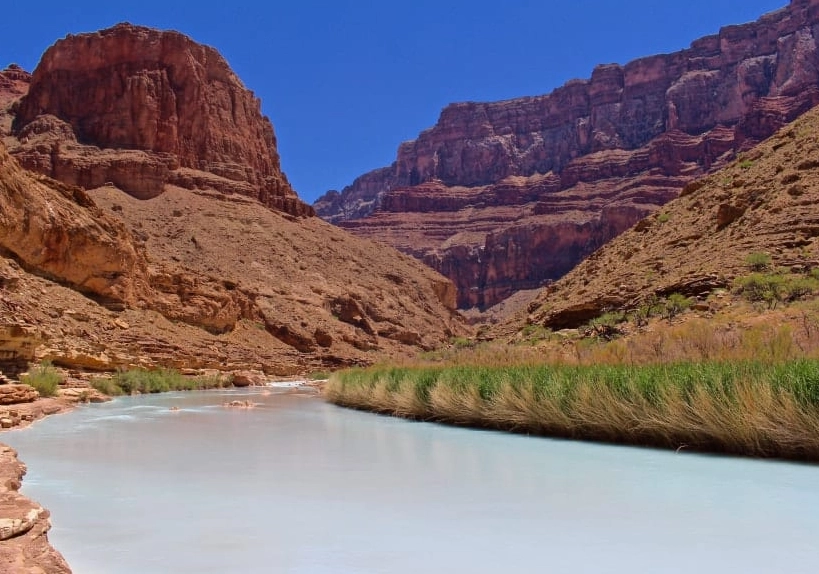
Your Little Colorado River Depth Questions, Answered
So, how deep is the Little Colorado River? It's as deep as a puddle and as deep as a canyon. It's a number that refuses to sit still. That's what makes it fascinating. You're not just asking about a measurement. You're asking about the mood of a living landscape. Check the flow data, respect its power, and if you get the chance to stand in its cool, blue, shallow water looking up at thousand-foot cliffs, you'll understand that its true depth isn't measured in feet, but in feeling.
Reader Comments