Let's clear something up right away. When you hear "Horseshoe Bend," your mind probably jumps to the iconic overlook near Page, Arizona. That's fair. But tucked away in the lush, forested hills of northeast Alabama, there's another Horseshoe Bend—one that offers a completely different, and in many ways more intimate, experience. This isn't a vast desert panorama; it's a dramatic, emerald-green curve of the Little River, cutting a 150-foot-deep canyon through the sandstone. The water is clearer, the crowds are thinner, and the journey to get there feels like a genuine adventure. If you're looking for a stunning natural landmark without the tour buses and selfie sticks, Horseshoe Bend Alabama is your spot.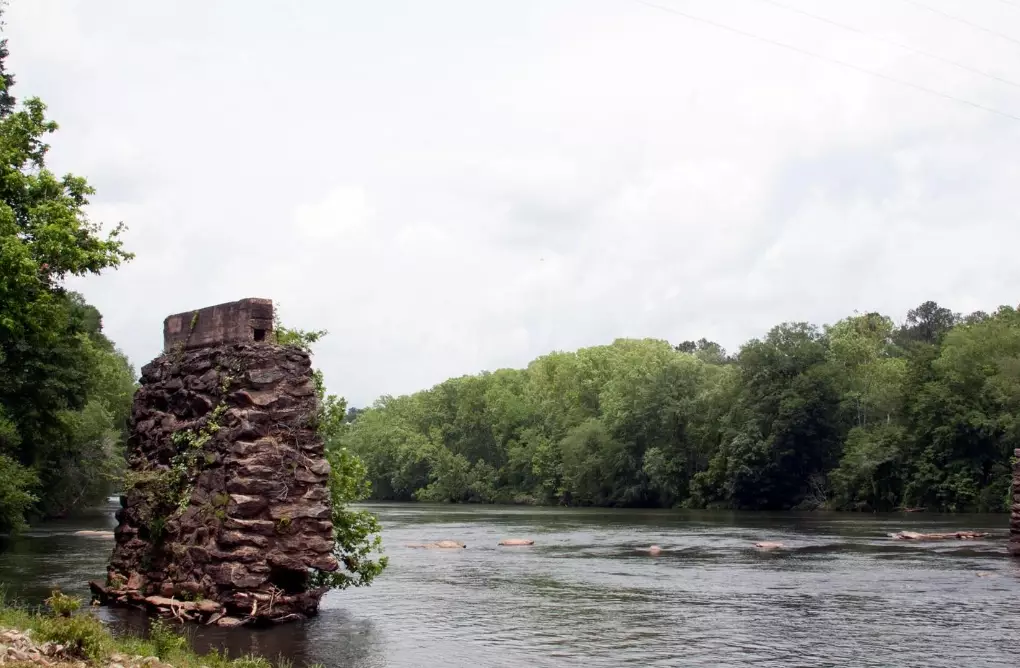
Your Quick Trip Planner
What Exactly is Horseshoe Bend Alabama?
Horseshoe Bend Alabama is a spectacular geological feature within the Little River Canyon National Preserve. Imagine the Little River, one of the longest mountaintop rivers in the US, making a tight, nearly 180-degree turn. Over millennia, this persistent flow has carved a deep, narrow canyon, leaving a towering peninsula of rock in the center of the bend. The overlook provides a breathtaking aerial view straight down into this green abyss. The contrast of the dark water, the bright sandstone cliffs, and the dense forest canopy is what makes it so photogenic and memorable. It's a powerful lesson in the patience of water and time, right in Alabama's backyard.
Key Difference from Arizona: The Alabama version is all about intimacy and immersion. You're in a forest, not a desert. The hike is through woods, the air is humid, and the scale, while impressive, feels more personal. You won't find guardrails here—it's a raw, natural experience that demands your attention and respect.
Where Exactly is Horseshoe Bend Alabama?
This is where most online guides get vague, and it leads to frustration. Horseshoe Bend is located inside the Little River Canyon National Preserve, near the town of Fort Payne, Alabama. The crucial detail is the trailhead. Do not just plug "Horseshoe Bend Alabama" into your GPS.
The official and only safe access point is via the Horseshoe Bend Trailhead on County Road 81 (aka Canyon Rim Drive). Here are the exact details you need to navigate:
| Information | Details |
|---|---|
| Official Address / Trailhead | Horseshoe Bend Trailhead, Little River Canyon National Preserve, 4322 Little River Trail #100, Fort Payne, AL 35967. Look for the brown NPS sign. |
| Nearest Major City | Fort Payne, AL (about 15-20 minutes). Chattanooga, TN is about a 1-hour drive. |
| GPS Coordinates | Approx. 34.4581° N, 85.6382° W for the parking area. |
| Governing Body | Managed by the National Park Service as part of Little River Canyon National Preserve. |
A common mistake people make is trying to find a "back way" in or following old, unmaintained paths marked on some maps. These are often on private property, dangerously eroded, or simply lead to nowhere with a view. Stick to the official trailhead. The park's official website is your most reliable source for any last-minute updates on trail conditions.
How to Plan Your Visit to Horseshoe Bend Alabama
Planning is straightforward, but a few smart choices will transform your trip from good to great. Let's break down the essentials.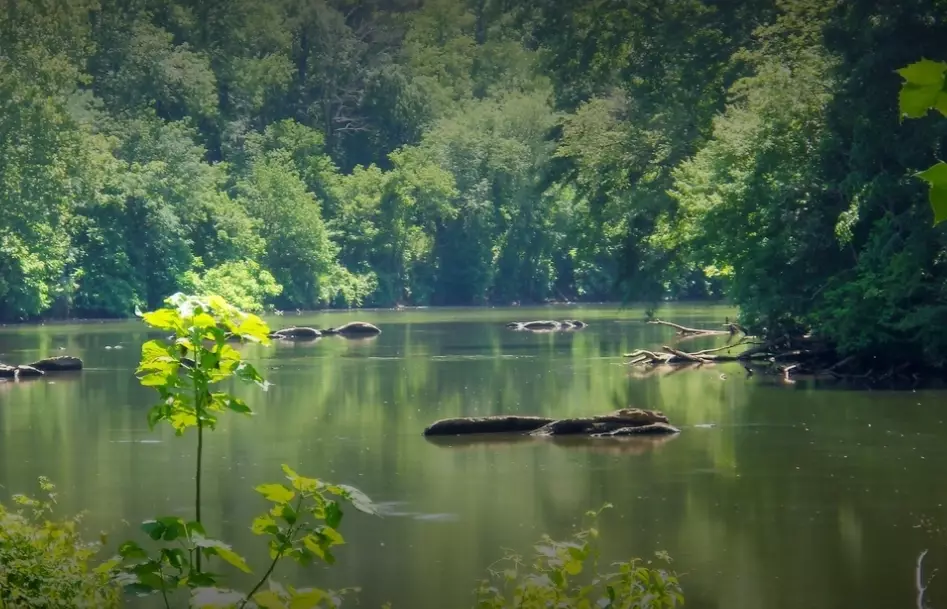
When to Go: Timing is Everything
Best Seasons: Spring (April-May) and Fall (October-November) are winners. Summer is hot, humid, and buggy. Winter can be beautiful with bare trees opening up views, but ice can make the rocky trail treacherous.
Best Time of Day: Go early. I mean, sunrise or right after early. You'll have the overlook to yourself, the light for photography is soft and golden, and you'll avoid the heat. Late afternoon is a decent second choice, but midday sun creates harsh shadows in the canyon.
Weekdays are obviously quieter than weekends. If you can only go on a Saturday, the early morning rule is doubly important.
What You Need to Know: Fees, Hours, Rules
| Category | Details |
|---|---|
| Entrance Fee | None. Access to Little River Canyon National Preserve and the Horseshoe Bend trail is completely free. |
| Parking Fee | None. The trailhead has a dedicated gravel parking lot. |
| Open Hours | The preserve is open sunrise to sunset. The trailhead parking lot is not gated, but you should not be on the trail after dark for safety reasons. |
| Pets | Allowed on a 6-foot leash. Be mindful—the trail has steep, rocky sections and the cliff edges are unfenced. |
| Facilities | There are no restrooms or water fountains at the trailhead. The nearest pit toilets are at the Little River Falls overlook, a few miles down Canyon Rim Drive. Plan accordingly. |
What to Bring: The Non-Negotiable Packing List
This isn't a stroll in the park. Forgetting key items can ruin your day.
- Sturdy Footwear: Hiking shoes or boots with good grip are essential. The trail has roots, rocks, and can be slippery.
- Water: More than you think. At least one liter per person, even for the short hike. Alabama humidity dehydrates you quickly.
- Insect Repellent: Mosquitoes and ticks are present, especially in warmer months.
- Camera & Wide Lens: A smartphone can work, but a camera with a wide-angle lens (18mm or wider on a full-frame) will capture the full bend.
- Snacks: A granola bar or some trail mix for energy.
- Small First-Aid Kit: Band-aids, antiseptic wipes. Just the basics.
- Trash Bag: Pack out everything you bring in. Leave no trace.
Hiking to the Overlook: The Main Event
The hike is the core of the experience. It's short but packs a punch.
Trail Stats: The out-and-back trail to the primary overlook is roughly 1.2 miles total. The elevation change is moderate, about 200 feet down to the overlook, which means you have a 200-foot climb back to your car. Most people in average shape can do it in 45-60 minutes round trip, allowing for time at the view.
The Path: From the parking lot, the trail immediately descends through a mixed hardwood forest. You'll cross a few small wooden footbridges. The path is well-defined but rocky and root-strewn in sections. Pay attention to your footing. About halfway, you might see a side path leading right—this is an unofficial spur that leads to a smaller, lower viewpoint. It's steeper and more precarious. My advice? Stick to the main trail for your first visit.
The main overlook isn't a constructed platform. It's a large, flat sandstone shelf that juts out towards the bend. This is the critical safety moment. There are no guardrails. The cliff edge is sheer and the rock can be slippery, especially when wet. Keep a safe distance from the edge, at least 6-10 feet back. Watch your kids and pets like a hawk. The best views are actually achieved by sitting down a few feet back from the edge—it feels safer and gives you a better compositional angle for photos.
Beyond the Main Overlook
If you're feeling adventurous and have good hiking sense, the official trail continues past the main overlook, following the rim of the canyon further downstream. It becomes narrower and more rugged, offering different perspectives of the river. This is where you can find more solitude. Don't venture off this established trail. The canyon walls are unstable, and creating social trails damages the fragile ecosystem.
Getting That Perfect Shot: Photography Tips
You want that iconic horseshoe shape in your frame. Here's how to nail it.
Lens Choice: A wide-angle lens (16-35mm range) is ideal. If you only have a standard kit lens (18-55mm), use it at its widest setting (18mm). For smartphones, use the main camera, not the zoom.
Composition: Don't just stand at the very edge. Back up. Include some of the foreground rock or greenery to create depth. Position the curve of the river so it leads the viewer's eye into the frame. Try both vertical (portrait) and horizontal (landscape) orientations.
Lighting: As mentioned, early morning or late afternoon light is king. Midday creates a high-contrast scene where the river is in shadow and the cliffs are blown out. An overcast day can actually be great—it provides soft, even light with no harsh shadows.
Safety First (Again): Never back up to get "one more shot" without looking behind you. Set up your tripop well back from the edge. The wind can be unpredictable.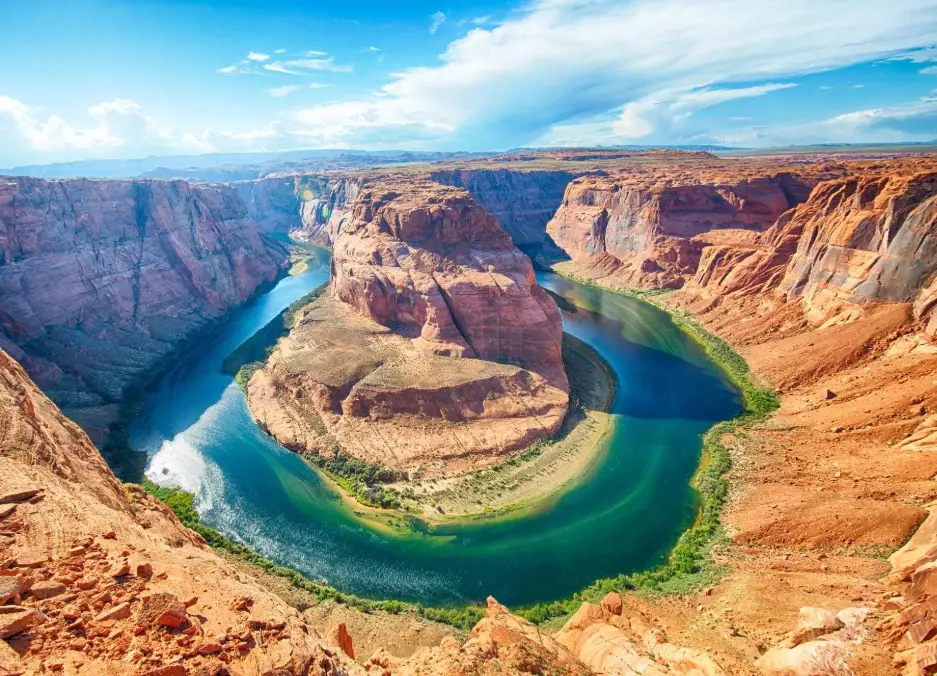
Your Horseshoe Bend Alabama Questions Answered
Can you swim or kayak in the river at Horseshoe Bend Alabama?
Directly at the overlook, no. The river is about 150 feet below at the base of sheer cliffs with no safe access. However, for adventurous kayakers and experienced swimmers, there are put-in and take-out points upstream and downstream in the Little River Canyon. This is for experts only due to strong currents, rapids, and submerged hazards. The National Park Service provides information on permitted water activities. For a family-friendly swim, head to the Little River Falls area where there are safer wading spots.
Is Horseshoe Bend Alabama safe for young kids?
It can be, with extreme vigilance. The lack of barriers is a major concern. I would not recommend it for toddlers or very young children who are prone to darting off. For school-age kids who can understand and follow strict safety rules ("hold my hand," "stay behind this line"), it's a memorable trip. The hike itself is manageable for them. The key is constant, direct supervision and setting clear boundaries well back from the cliff edge before you even get to the view.
What's the biggest mistake first-time visitors make?
Two things tie for first place. One is wearing inappropriate footwear like flip-flops or slick-soled sneakers. The trail's rocks are often covered in a fine, dry silt that's incredibly slippery, and wet roots are like ice. The other is underestimating the exposure. People see photos and think it's a park bench overlook. The raw, unfenced cliff triggers a real sense of vertigo for many. Respect the height, move slowly, and don't feel pressured to go right to the edge for a photo. The view is stunning from 10 feet back.
Are drones allowed at Horseshoe Bend Alabama?
No. The use of drones is prohibited within Little River Canyon National Preserve without a special permit. This is a federal regulation designed to protect wildlife, preserve the natural soundscape, and ensure the safety and experience of other visitors. You risk a fine and having your equipment confiscated. The aerial shots you see online are typically taken by permitted professionals or from aircraft.
What else is there to do nearby after seeing Horseshoe Bend?
You're in the heart of Little River Canyon, so the adventures continue. Drive the scenic Canyon Rim Drive for other overlooks. Hike to Little River Falls, a powerful 45-foot waterfall. Visit the Little River Canyon Center for exhibits and info. For a longer hike, the Backcountry Trail system offers miles of paths. The town of Mentone is a charming mountain village with shops and cafes, perfect for a post-hike meal.
 Horseshoe Bend Alabama proves you don't need the fame of the Grand Canyon to be awestruck. It's a powerful, accessible, and deeply rewarding slice of Southern Appalachian geology. With the right preparation and respect, your visit will be one you talk about for years. Just remember your good shoes, your water bottle, and a healthy dose of caution at the edge. The view is worth every step.
Reader Comments