You see the sign on the highway: "Grafton: Birthplace of Mother's Day." It sparks a question. What is Grafton, WV really famous for, beyond that one fact? Is it just a roadside trivia answer, or is there a town with a story worth exploring?
Let's clear that up right away. Grafton's fame rests on three solid, interconnected pillars: it's the recognized birthplace of Mother's Day as a national holiday, it was the headquarters and home of American Red Cross founder Clara Barton after the Civil War, and it holds significant, somber Civil War history within its National Cemetery. This isn't just a list of facts; it's a layered narrative about memory, healing, and one community's unexpected role in national tradition.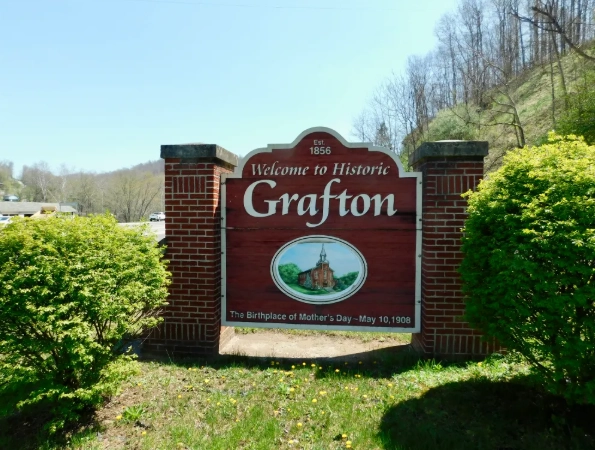
Most guides tell you the what. I'll show you the why it matters and, more importantly, how to experience it authentically without the tourist-filter. Having spent considerable time there, I can tell you the common mistake is to treat it as a quick photo-op. The real value is in the quiet moments—standing in the church, walking the cemetery rows, and connecting the dots between these people and places.
The Mother's Day Shrine: More Than a Church
The International Mother's Day Shrine is the star attraction. It's the former Andrews Methodist Episcopal Church, where the first official Mother's Day service was held on May 10, 1908, at the request of Grafton native Anna Jarvis.
Anna's mother, Ann Reeves Jarvis, had organized "Mother's Day Work Clubs" to improve sanitation and care for wounded soldiers during the Civil War. After her mother's death, Anna campaigned tirelessly for a day to honor all mothers. President Woodrow Wilson made it official in 1914.
Visitor Essentials: The Shrine is located at 11 E. Main Street, Grafton, WV 26354. It's typically open for tours Tuesday through Saturday, 10:00 AM to 4:00 PM, and Sundays 1:30 PM to 4:00 PM (always confirm on their website before traveling, as hours can shift seasonally). Admission is free, though donations are gratefully accepted to maintain the historic building. Street parking is available along Main Street and in nearby public lots.
Inside, it's not a stuffy museum. It feels like a preserved, slightly frozen-in-time church. You'll see the original pew where Anna Jarvis sat with her family, exhibits on her life and campaign, and the history of the holiday itself. The docents are often locals with personal connections to the story—ask questions.
Here's what most people miss: the profound irony that Anna Jarvis later spent her entire fortune and health fighting against the commercialization of the holiday she created. She hated the sale of cards, candy, and flowers, arguing it defeated the purpose of personal, handwritten sentiment. Standing in the simple church where it began, that irony is palpable. The shrine isn't just a celebration; it's a monument to an idea that spiraled beyond its creator's control.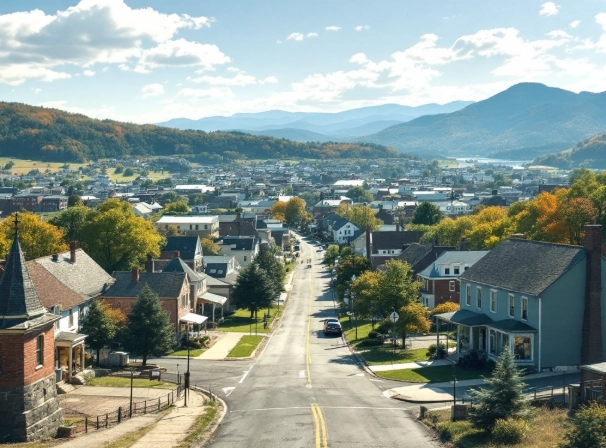
What to Do at the Mother's Day Shrine
- Attend the Annual Service: If you can visit on the Sunday before Mother's Day, the shrine holds a commemorative service that draws a crowd. It's the closest you'll get to the original 1908 feeling.
- Find the Time Capsule: Outside, look for the marker for a time capsule buried in 1992, scheduled to be opened in 2092. It's a small, easy-to-overlook detail that adds a fun layer.
- Visit Anna Jarvis's Birthplace: It's a short drive away in nearby Webster, but often closed to the public. Viewing it from the outside completes the picture.
Clara Barton's Forgotten Home in Grafton
This is Grafton's second, and often overlooked, claim to fame. After the Civil War, Clara Barton—founder of the American Red Cross—came to Grafton in 1865 to locate missing soldiers and identify the dead. She ended up staying for three years, running her Missing Soldiers Office from a house on Main Street.
A statue of Barton stands prominently in front of the Taylor County Courthouse. It's a powerful piece, depicting her with a ledger, symbolizing her meticulous work. The house where she lived and worked is privately owned and not open for tours, but you can view it from the street (it's on the same block as the courthouse).
Connecting Barton's work to the Mother's Day story is key. Ann Reeves Jarvis (Anna's mother) was doing similar public health work with mothers' clubs during the war. Grafton, in the 1860s, was a focal point for post-war healing and organization led by formidable women. That context makes the town's history feel cohesive, not random.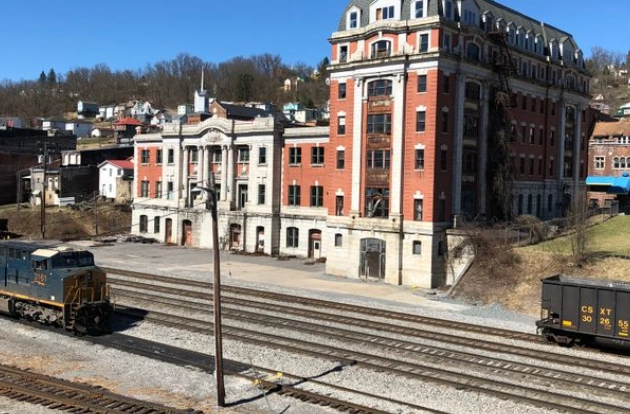
Grafton National Cemetery: A Solemn History
You cannot understand Grafton without visiting the Grafton National Cemetery. Established in 1867, largely due to Clara Barton's advocacy, it's one of the country's original national cemeteries.
It holds over 2,000 graves, including the remains of 613 Union and 12 Confederate soldiers initially buried on local battlefields. The neat rows of white headstones on a quiet hillside are a stark, visual testament to the war's cost. Among them is Thornsbury Bailey Brown, recognized as the first Union soldier killed by Confederate forces in the Civil War (April 1861).
| Landmark | Address / Location | Key Feature / Note | Visitor Tip |
|---|---|---|---|
| International Mother's Day Shrine | 11 E. Main St. | Site of first official Mother's Day service (1908) | Check website for special event closures. |
| Clara Barton Statue | Taylor County Courthouse Lawn, Main St. | Easily accessible public monument | Great photo opportunity, read the plaque. |
| Grafton National Cemetery | 431 Walnut St. | Final resting place of Thornsbury B. Brown | Open daily dawn to dusk. Drive slowly and respectfully. |
| B&O Railroad Depot Site | Near the intersection of Main & Latrobe St. | Historical marker explains Grafton's rail importance | Quick stop to understand "why here?" |
The cemetery is open daily from dawn to dusk. It's a place for quiet reflection. The drive up is steep, and the atmosphere is undeniably solemn. It may not be for everyone, but historically, it's the anchor that ties Barton's work and the town's wartime significance together.
How to Plan Your Visit: A Practical Guide
Grafton is a small town. You can see the core historical sites in half a day. But to do it right, give yourself 4-5 hours.
A sensible itinerary looks like this:
- Morning (10 AM): Start at the Mother's Day Shrine. Spend an hour inside, talk to a volunteer.
- Late Morning (11:15 AM): Walk down Main Street. See the Clara Barton statue at the courthouse. Look for the historical marker for the B&O Railroad Depot.
- Lunch (12:00 PM): Eat on Main Street. There are a couple of local diners and cafes—this supports the town you're learning about.
- Early Afternoon (1:30 PM): Drive to Grafton National Cemetery. Spend 30-45 minutes walking the grounds.
- Optional Detour: If you have time, the Tygart Lake State Park is about a 15-minute drive south for a beautiful natural contrast.
The town is very driveable. Parking is rarely a serious issue. The vibe is laid-back and welcoming, but don't expect a bustling tourist strip. Its charm is in its authenticity and slight time-capsule quality.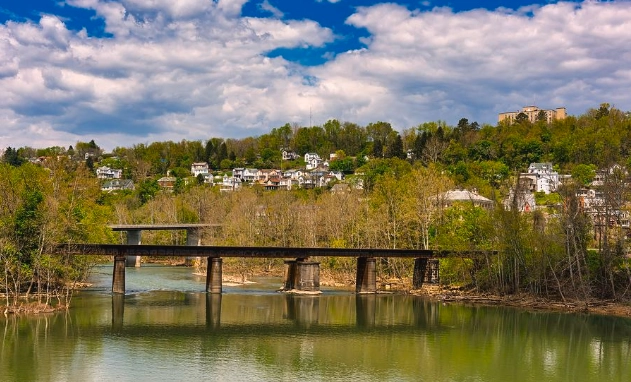
Going Deeper: What Other Guides Miss
Most articles stop at the three big facts. Let's go further.
The "First" Controversy: Other towns (like Albion, Michigan) claim earlier Mother's Day observances. Grafton's claim is ironclad not because it was the *first* idea, but because it was the site of the first official, recognized ceremony of the holiday that Anna Jarvis successfully lobbied Congress to create. That's a crucial distinction historians make.
The Railroad's Role: Grafton's entire 19th-century importance sprang from the B&O Railroad. It wasn't just a random town. It was a strategic junction. This explains why a major battle (the Battle of Grafton, though small) happened here in 1861, why Clara Barton came, and why it was significant enough for Anna Jarvis to want to put it on the map. The railroad is the silent character in Grafton's story.
A Personal Note on Atmosphere: On a weekday afternoon, Grafton can feel quiet, almost sleepy. Some might call it faded. I see it as honest. The history isn't packaged with flashy reenactments or expensive ticket booths. It's embedded in the fabric of the place. You have to meet it halfway. That's its appeal for a certain kind of traveler—the one who prefers substance over spectacle.
Your Grafton Visit Questions Answered
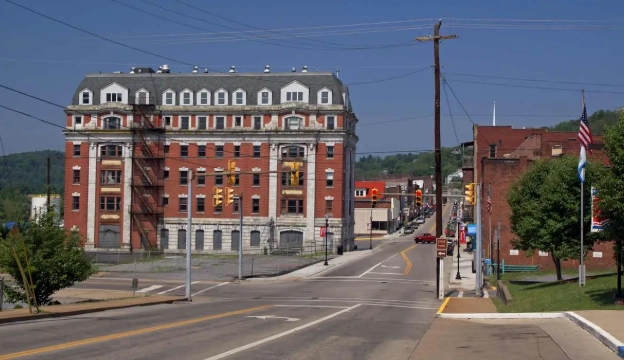
So, what is Grafton, WV famous for? It's famous for being the tangible starting point of a global tradition, for hosting a national heroine during her most gritty work, and for holding the silent memory of a divided nation's cost. Its fame isn't loud or glamorous. It's the kind you find on a quiet Main Street, in a small church, and on a hillside of white stones—a deeply American story told without fanfare.
Reader Comments